

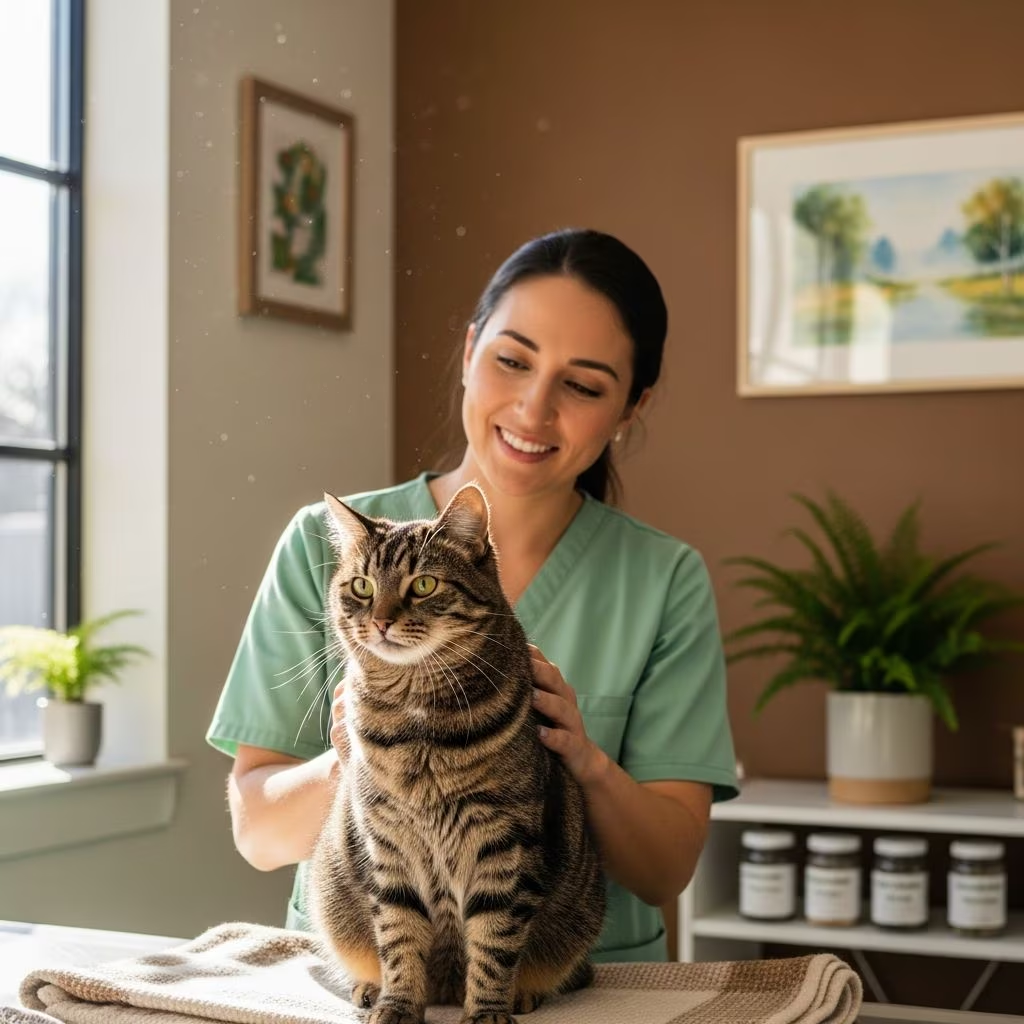
Holistic veterinary care for cats treats the entire animal—body, mind, emotions, and environment—using integrative approaches that combine conventional medicine with natural therapies to support the cat’s innate healing abilities.
What is Holistic Vet Care?
Holistic vet care, also known as integrative veterinary medicine, emphasizes preventing disease and addressing root causes rather than just symptoms. It incorporates Western veterinary advances like diagnostics with less invasive methods such as nutrition, acupuncture, and herbal remedies. This approach recognizes cats’ unique sensitivities to stress, diet, and environment, tailoring treatments to enhance overall well-being.
A holistic veterinarian assesses the cat’s lifestyle, diet, and home environment alongside physical symptoms. For instance, chronic issues often stem from poor nutrition or stress, which conventional medicine might overlook. By fostering the body’s natural healing, holistic care aims for long-term health and vitality.
Why Choose Holistic Vet Care for Your Cat?
Cats benefit immensely from holistic care due to their obligate carnivore nature and stress-prone personalities. Traditional vet medicine excels in emergencies but often relies on symptom-masking drugs. Holistic methods prioritize prevention through species-appropriate diets and stress reduction, reducing risks of metabolic diseases like diabetes from carb-heavy kibble.
- Diet as Foundation: A carnivorous diet prevents many illnesses; you cannot medicate poor nutrition.
- Stress Management: Cats’ sensitivity to changes makes calm environments crucial for healing.
- Prevention Over Cure: Strategies like minimal vaccination and natural litters avoid toxin exposure.
Books like The Complete Guide to Holistic Cat Care highlight balanced nutrition, selective vaccinations, and natural remedies, advising vet consultation for safe implementation.
Key Principles of Holistic Cat Care
Holistic care revolves around several pillars:
- Nutrition: Feed moisture-rich, meat-based foods to combat dehydration and support kidney health.
- Environment: Provide scratching posts, climbing areas, privacy spots, and daily enrichment to mimic hunting instincts.
- Vaccination Wisdom: Avoid over-vaccination; core vaccines suffice for immunity.
- Natural Products: Use unscented, chemical-free litter to prevent allergies and urinary issues.
These principles create a foundation for resilience against common feline ailments.
Nutrition: The Cornerstone of Holistic Health
Optimal cat health starts with diet. Cats require high-protein, low-carb, wet foods mimicking their wild prey diet. Dry kibble, often carb-laden, leads to obesity, diabetes, and urinary tract disease (FLUTD).
| Diet Type | Benefits | Risks |
|---|---|---|
| Wet Food (Carnivorous) | High moisture, natural nutrients, prevents dehydration | Minimal; choose quality brands |
| Dry Kibble | Convenient | Chronic dehydration, metabolic issues, dental myths debunked |
| Homemade | Customizable, fresh | Requires vet-formulated balance |
Consult holistic vets for supplements like omega-3s for inflammation or probiotics for gut health.
Non-Invasive Therapies in Holistic Vet Care
Holistic vets employ gentle modalities to alleviate pain and boost healing without drugs or surgery.
Acupuncture and Acupressure
Acupuncture inserts fine needles at energy points to relieve pain, reduce inflammation, and improve organ function. Acupressure offers a needle-free alternative. Effective for chronic pain, arthritis, and kidney disease in cats.
Chiropractic Care
Specialized adjustments correct spinal misalignments, enhancing mobility. Ideal for arthritic or injured cats. Seek AVCA or Chi University-certified practitioners.
Physical Therapy and Massage
Custom exercises and therapeutic touch reduce pain, improve strength post-injury or surgery. Tailored programs aid recovery from mobility issues.
Other Modalities
- Herbal remedies and homeopathy for immune support.
- Aromatherapy and flower essences for stress.
- Detoxification protocols to clear toxins.
These therapies complement conventional care, accelerating healing.
Conditions That Benefit from Holistic Approaches
Chronic, lifestyle-influenced diseases respond best to holistic integration:
- Chronic Kidney Disease (CKD): Diet, acupuncture, and herbs support renal function.
- Urinary Tract Issues (FLUTD): Stress reduction, wet diet, natural litters prevent recurrence.
- Allergies and IBD: Elimination diets, probiotics address gut dysbiosis.
- Arthritis/Pain: Chiropractic, massage, anti-inflammatory herbs.
- Asthma/Respiratory: Environmental control, acupuncture.
- Cancer/Liver Disease: Immune-boosting nutrition and therapies.
Holistic plans manage these without solely relying on pharmaceuticals.
Finding a Holistic Veterinarian
Locate certified professionals via directories like AVCA, Chi University alumni, or holistic vet associations. Initial consultations involve full history, environmental assessment, and personalized plans. Combine with regular conventional check-ups for comprehensive care.
Daily Holistic Practices for Cat Owners
Enhance vet care at home:
- Enrichment: Puzzle feeders, interactive play for mental health.
- Stress-Free Environment: Quiet spaces, pheromone diffusers.
- Monitoring: Track appetite, litter habits, behavior changes early.
- Life Stage Care: Adjust diet/exams for kittens, adults, seniors.
Preventive wellness exams with bloodwork detect issues early.
Frequently Asked Questions (FAQs)
What is the difference between holistic and conventional vet care?
Holistic treats the whole cat, focusing on root causes with natural therapies; conventional targets symptoms with drugs/surgery. They integrate well.
Is acupuncture safe for cats?
Yes, when performed by certified vets; it’s minimally invasive and effective for pain and chronic conditions.
Can holistic care replace traditional vaccines?
No, core vaccines are essential; holistic vets advocate titer testing to avoid over-vaccination.
What diet is best for holistic cat health?
High-protein, wet, carnivorous diets; avoid carb-heavy kibble.
How do I find a holistic vet near me?
Use AVCA, Chi directories, or holistic vet associations.
Post-Surgery and Injury Recovery
Holistic therapies like physical therapy speed recovery, reduce pain meds, and restore mobility after procedures.
Integrating these elements ensures cats live longer, healthier lives. Owners report improved vitality and fewer vet visits with consistent holistic practices.
References
- Holistic Treatment for Cats: The Ultimate Beginner’s Guide — Holistic Vet Blend. 2023. https://holisticvetblend.com/blogs/news/holistic-treatment-for-cats-the-ultimate-beginners-guide-1
- The Complete Guide to Holistic Cat Care – PMC – NIH — National Center for Biotechnology Information (NCBI). 2010-11-01. https://pmc.ncbi.nlm.nih.gov/articles/PMC2978998/
- The Complete Cat Health Care Guide — Cabbagetown Pet Clinic. 2023-03. https://www.cabbagetownpetclinic.com/blog/march-2023/the-complete-cat-health-care-guide



