

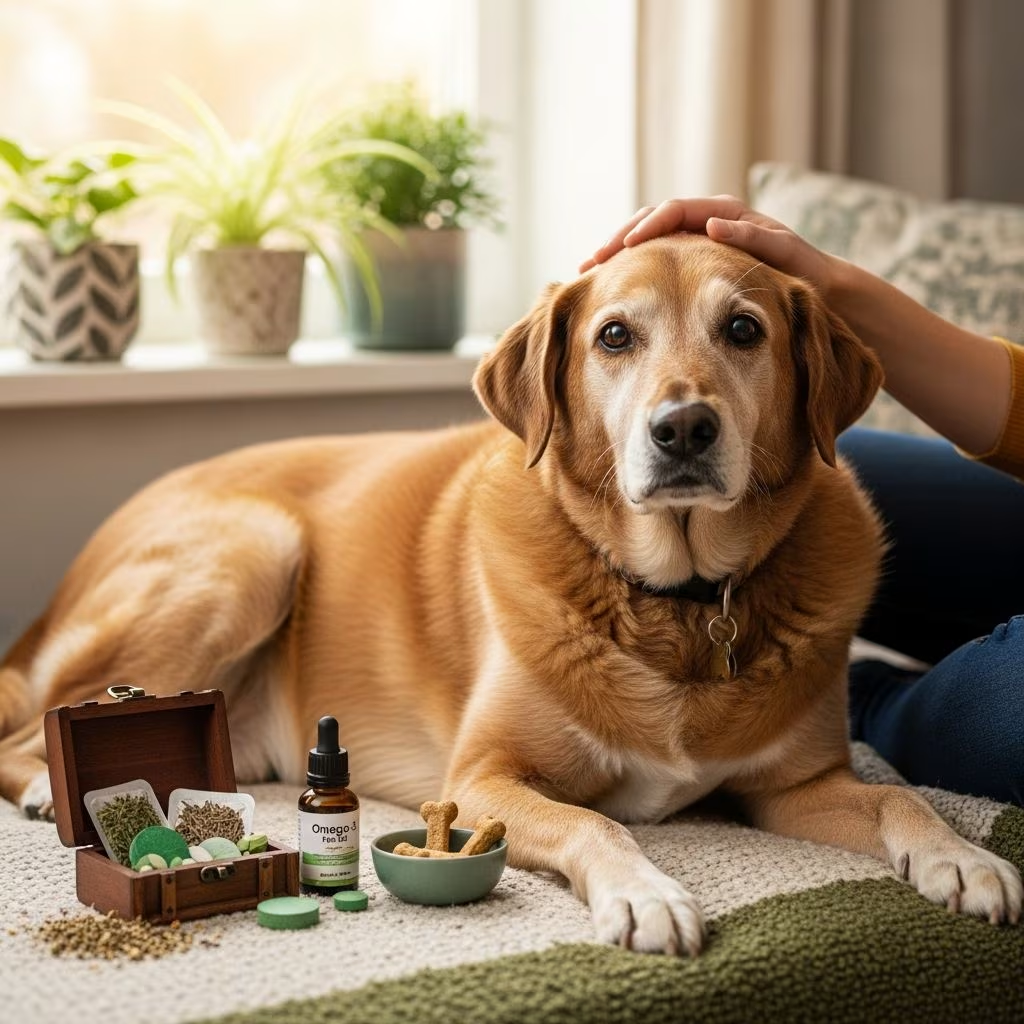
Cushing’s disease, known medically as hyperadrenocorticism, affects many older dogs by causing an overproduction of cortisol, leading to a range of distressing symptoms. While conventional medications like trilostane (Vetoryl) remain the cornerstone of management, integrating holistic and complementary therapies can significantly enhance a dog’s comfort and vitality. This article delves into practical, evidence-informed strategies to support your furry companion, focusing on nutrition, environmental adjustments, alternative therapies, and vigilant monitoring.
Understanding the Impact of Elevated Cortisol
Cortisol excess disrupts multiple body systems in dogs, resulting in hallmark signs such as insatiable thirst and urination, ravenous hunger, a pendulous abdomen, thinning coat, and recurrent infections. These arise primarily from two forms: pituitary-dependent (85% of cases), where a benign pituitary tumor signals overproduction, or adrenal-dependent, involving adrenal gland tumors. Iatrogenic cases stem from prolonged steroid use. Early recognition allows for a multifaceted approach that pairs drugs like mitotane or trilostane—which inhibit cortisol synthesis or destroy adrenal cells—with supportive measures to mitigate side effects like lethargy or gastrointestinal upset.
Nutritional Foundations for Balance
Diet plays a pivotal role in managing Cushing’s, as high cortisol often elevates cholesterol and promotes fat deposition. A low-fat formulation helps counter potbelly development and supports liver health. Opt for vet-recommended options rich in lean proteins, fiber, and antioxidants to stabilize blood sugar and reduce inflammation.
- Protein Sources: Include moderate amounts of high-quality, easily digestible proteins like turkey, fish, or egg whites to maintain muscle mass without overburdening the liver.
- Fiber Boost: Soluble fibers from pumpkin, oats, or psyllium aid digestion and help regulate appetite and bowel movements.
- Antioxidant-Rich Foods: Berries, leafy greens, and sweet potatoes combat oxidative stress linked to cortisol overload.
Portion control is essential to prevent obesity, with meals divided into smaller, frequent servings to accommodate heightened hunger. Always transition diets gradually over 7-10 days to avoid digestive upset.
Targeted Supplements to Ease Symptoms
Supplements can bridge gaps in conventional therapy, targeting cortisol modulation, immune support, and skin health. Consult your vet before starting, as interactions with medications like trilostane are possible.
| Supplement | Potential Benefits | Dosage Guidance | Precautions |
|---|---|---|---|
| Milk Thistle | Liver detoxification and protection from medication stress | 10-20 mg/kg daily | Monitor liver enzymes |
| Omega-3 Fatty Acids (Fish Oil) | Reduces inflammation, improves coat and skin | 50-100 mg/kg EPA/DHA | Use purified sources to avoid contaminants |
| Phosphatidylserine | May lower cortisol levels naturally | 10-20 mg/kg | Evidence limited; vet approval needed |
| Probiotics | Supports gut health amid appetite changes | Follow product label for dog-specific strains | Choose refrigerated, multi-strain formulas |
These adjuncts, when used judiciously, can alleviate common issues like thin skin and infections. For instance, omega-3s have shown anti-inflammatory effects in veterinary studies, complementing trilostane’s action.
Environmental and Lifestyle Modifications
Adapting your home and routine minimizes stress, a cortisol trigger. Provide constant fresh water access due to polydipsia, using puzzle feeders to slow intake and prevent bloat.
- Comfortable bedding for potbellied dogs to ease movement.
- Gentle daily walks (15-30 minutes) to combat muscle weakness without exhaustion.
- Cool, shaded areas to manage panting, especially in warm climates.
Stress reduction techniques like calming pheromone diffusers or massage promote relaxation, potentially lowering cortisol spikes. Regular grooming prevents skin issues from sparse hair.
Exploring Alternative Therapies
Complementary modalities offer non-invasive relief. Acupuncture stimulates energy points to balance hormones and reduce pain, with studies indicating improved mobility in Cushing’s patients. Herbal options like ashwagandha (with vet oversight) act as adaptogens to normalize cortisol. Chiropractic adjustments address musculoskeletal imbalances from weakness, while hydrotherapy provides low-impact exercise for joint support.
Laser therapy accelerates wound healing for infection-prone skin, and aromatherapy with lavender essential oil (diluted) soothes anxiety. These should augment, not replace, meds like Vetoryl, the FDA-approved trilostane product requiring frequent blood monitoring.
Monitoring Progress and Long-Term Management
Success hinges on routine vet visits with ACTH stimulation tests to fine-tune dosages, as over-suppression risks Addison’s crisis. Track symptoms via a journal: water intake, appetite, energy levels. Bloodwork every 1-3 months initially, then quarterly, ensures stability.
Complications like hypertension, diabetes, or pancreatitis demand prompt intervention; low-fat diets and supplements help prevent them. With diligent care, most dogs enjoy 2-4 additional quality years.
Frequently Asked Questions
What is the prognosis for dogs with Cushing’s?
With medication and holistic support, many dogs live comfortably for years, though it’s typically lifelong management.
Can diet alone treat Cushing’s?
No, diet supports but does not replace medications like trilostane or mitotane.
Are there natural cures?
Surgery for adrenal tumors offers a cure in select cases, but most rely on ongoing therapy.
How do I know if supplements are working?
Monitor via vet blood tests and symptom improvement, such as reduced thirst.
Is acupuncture safe for Cushing’s dogs?
Yes, when performed by certified veterinary acupuncturists, it enhances well-being.
Key Takeaways for Optimal Care
- Combine low-fat diets with supplements like omega-3s and milk thistle.
- Incorporate gentle exercise and stress reduction.
- Explore acupuncture and herbal adaptogens under guidance.
- Prioritize regular monitoring to adjust treatments.
References
- Cushing’s Disease in Dogs: Symptoms, Diagnosis, and Treatment — PetMD. 2023. https://www.petmd.com/dog/conditions/endocrine/cushings-disease-in-dogs-symptoms-diagnosis
- Cushing’s Disease in Dogs: Signs and Treatment — MedVet. 2024. https://www.medvet.com/cushings-disease-in-dogs/
- Cushing’s Disease in Dogs & How It’s Treated — Huntersville Carolina Veterinary Hospital. 2021-06-30. https://www.huntersville.carolinavet.com/site/huntersville-veterinary-blog/2021/06/30/cushings-disease-dogs
- Cushing’s Disease in Dogs: Causes, Symptoms, & Treatment — Premier Veterinary Group. 2023. https://www.premiervets.net/blog/cushings-disease-in-dogs-causes-symptoms-and-treatment
- Treatment for Cushing’s Syndrome in dogs — Canine-Cushings UK. 2024. https://www.canine-cushings.co.uk/treatment
- Cushing’s syndrome — Cornell University College of Veterinary Medicine. 2024. https://www.vet.cornell.edu/departments-centers-and-institutes/riney-canine-health-center/canine-health-information/cushings-syndrome
- Treating Cushing’s Disease in Dogs — U.S. Food and Drug Administration (FDA). 2023. https://www.fda.gov/consumers/consumer-updates/treating-cushings-disease-dogs



