

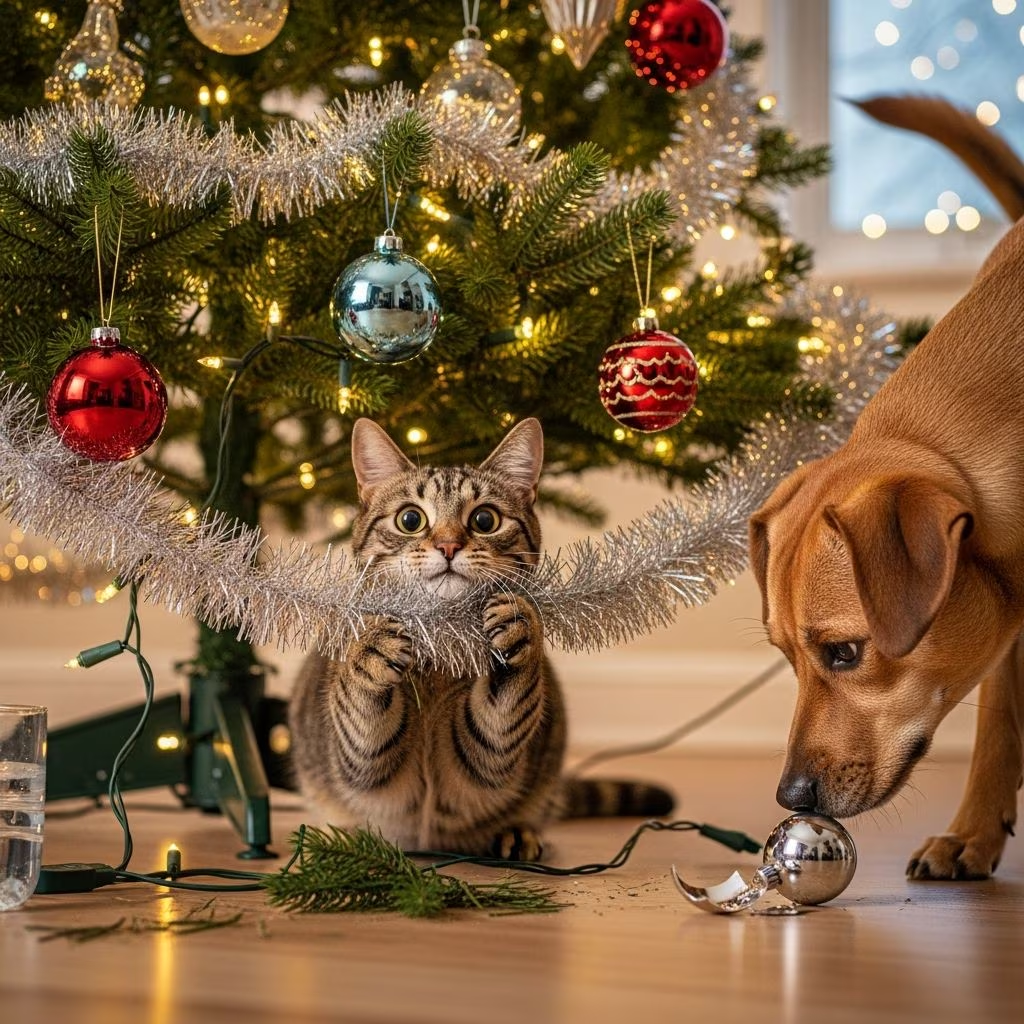
The festive spirit of holidays often centers around a beautifully adorned tree, but for pet owners, this tradition comes with significant health concerns for cats and dogs. Needles from common varieties like fir, spruce, and pine carry mild toxins that irritate the gastrointestinal system, while standing water laced with preservatives poses even greater threats. Decorations amplify these dangers through choking hazards and electrical risks. Understanding these issues allows pet guardians to enjoy celebrations without compromising animal well-being.
Understanding Toxicity from Tree Components
Real holiday trees release oils and sap that mildly toxify pets upon ingestion. Cats and dogs may chew needles out of curiosity, leading to oral discomfort, vomiting, and potential internal punctures from their sharpness. Large quantities exacerbate symptoms, potentially causing obstructions in the digestive tract.
- Needle Ingestion Effects: Mouth irritation from resins, drooling, and nausea.
- Sap Exposure: Skin rashes or mucous membrane inflammation upon contact.
- Mechanical Damage: Sharp fragments risking esophageal or intestinal tears.
Artificial alternatives reduce chemical risks but introduce plastic ingestion hazards, where non-digestible pieces lead to blockages requiring surgical intervention.
Dangers Lurking in Tree Water
The reservoir at a tree’s base accumulates harmful substances as it nourishes the plant. Additives such as fertilizers, sugars, and xylitol—common in preservation mixes—trigger severe reactions in pets. For cats, xylitol induces hypoglycemia and liver failure; dogs face similar metabolic disruptions alongside gastrointestinal distress.
| Water Additive | Risk to Cats | Risk to Dogs |
|---|---|---|
| Xylitol | Seizures, liver damage | Hypoglycemia, vomiting |
| Fertilizers | Stomach upset, lethargy | Diarrhea, dehydration |
| Preservatives | Kidney strain | Neurological symptoms |
Prevent access by covering bases or using gated enclosures, ensuring pets avoid this deceptive hazard entirely.
Hazardous Decorations and Accessories
Beyond the tree itself, ornaments and lights create multifaceted threats. Tinsel strands mimic playthings, wrapping around intestines and causing lethal perforations. Glass baubles shatter into sharp hazards, while low-hanging cords invite chewing and electrocution.
- Tinsel and Garlands: Linear foreign bodies necessitating surgery.
- Ornaments: Choking or laceration risks from breakage.
- Electrical Wires: Burns, shocks, or fatalities from bites.
- Tree Stand Collapses: Injuries from toppled structures during climbs.
Opt for pet-resistant materials like shatterproof plastic and position lights higher to minimize temptations.
Species-Specific Vulnerabilities
Cats: Climbers and Explorers
Feline agility drives them to scale trees, dislodging needles and ornaments. Their fastidious grooming ingests fallen debris, compounding exposure. Symptoms manifest quickly as hypersalivation, retching, and lethargy; monitor for blood in stool indicating punctures.
Dogs: Chewers and Lappers
Canines target lower branches and water pools, facing similar irritations but with added puncture risks from robust jaws. Breeds prone to scavenging, like Labs, require extra vigilance. Watch for persistent diarrhea or abdominal pain signaling complications.
Safe Alternatives for Festive Displays
Not all setups demand risks. Artificial trees crafted from non-toxic plastics offer visual appeal without sap or water issues, though supervision prevents chewing. Small tabletop versions or wall-mounted designs evade climbing attempts.
- Choose PVC-free models labeled pet-safe.
- Incorporate flameless candles to eliminate burn risks.
- Select non-toxic plants like orchids or palms for accents.
For real trees, plain water without additives suffices, refreshed daily to dilute oils.
Protective Strategies for Pet Owners
Proactive measures transform potential disasters into secure traditions. Erect baby gates or tension rods around the display, blocking access while maintaining aesthetics. Motion-activated deterrents, such as air puffers, discourage approaches without harm.
- Secure the tree to walls preventing tip-overs.
- Sweep fallen needles promptly.
- Use aluminum foil on stands as a texture repellent.
- Employ pet cams for remote monitoring.
Train commands like “leave it” reinforced with treats, diverting attention to safe toys.
Recognizing and Responding to Exposure
Early detection saves lives. Common signs include pawing at the mouth, repeated vomiting, diarrhea, weakness, or unusual thirst. If suspected ingestion occurs, note the quantity and type before contacting professionals.
- Immediate Actions: Rinse mouth gently if accessible; withhold food.
- Veterinary Hotline: ASPCA Poison Control or local ER for guidance.
- Diagnostic Steps: X-rays for obstructions, bloodwork for organ function.
Treatments range from induced vomiting to surgery, with most mild cases resolving via supportive care like fluids and anti-nausea meds.
Companion Holiday Plants and Risks
Decor extends to flora like holly and mistletoe, harboring saponins and viscotoxins causing bloody vomiting, ataxia, and cardiovascular strain. Poinsettias, once vilified, prove only mildly irritating today per updated research. Prioritize verified safe options: Christmas cactus, spider plants, or roses.
| Plant | Toxicity Level | Symptoms |
|---|---|---|
| Holly | High | Vomiting, depression |
| Mistletoe | High | Breathing issues, collapse |
| Poinsettia | Low | Oral irritation only |
| Orchids | None | Safe for nibbling |
Hang toxic varieties high or substitute with silk replicas.
Long-Term Holiday Safety Habits
Integrate pet-proofing into annual routines. Stock a holiday emergency kit with vet contacts, activated charcoal, and hydrogen peroxide for emesis under guidance. Educate family on risks, especially visiting children who scatter temptations.
Post-holiday cleanups remove lingering needles, preventing delayed exposures. Annual vet checkups can include holiday risk discussions tailored to your pet’s habits.
Frequently Asked Questions
Can I use fertilizers in tree water with pets around?
No—many contain phosphates and metals toxic to cats and dogs, leading to organ damage. Stick to plain water.
Are all artificial trees safe?
Not entirely; avoid those with small detachable parts. Supervise initially to gauge interest.
What if my pet knocks over the tree?
Anchor securely and use enclosures. Injuries from falls include fractures or lacerations.
How much needle ingestion is dangerous?
Even small amounts irritate; multiples of a handful risk surgery. Err on caution and call vets.
Are LED lights safer than incandescent?
LEDs run cooler, reducing burn risks, but cord chewing remains hazardous—use cord protectors.
Conclusion
Balancing holiday cheer with pet safety demands awareness and preparation. By selecting low-risk trees, securing decorations, and staying vigilant, owners ensure joyful seasons for all household members. Consult vets for personalized advice, prioritizing prevention over cure.
References
- Are Christmas Trees Toxic to Cats? — PetMD. 2023. https://www.petmd.com/cat/are-christmas-trees-toxic-cats
- Are Christmas Trees Toxic to Cats? — Fulton County Veterinary Clinic. 2023. https://fultoncountyvetclinic.com/blog/christmas-trees-toxic-to-cats/
- Are Christmas Trees Toxic to Dogs? — Primrose Hill Vets. 2023. https://www.primrosehillvets.ie/news/123-are-christmas-trees-toxic-to-dogs
- Keep Your Cat Safe at Christmas — Blue Cross. 2023. https://www.bluecross.org.uk/advice/cat/health-and-injuries/keeping-your-cat-safe-at-christmas
- Paws Off the Pine: Keeping Your Pet Safe Around Holiday Trees — Banfield Pet Hospital. 2023-12-01. https://www.banfield.com/Bblog/bwell/2023/Paws-off-the-pine-keeping-your-pet-safe-around-holiday-trees
- The Ugly Truth About Cats and Christmas Trees Plus More Holiday Tips — Jackson Galaxy. 2023. https://www.jacksongalaxy.com/blogs/news/the-ugly-truth-about-cats-and-christmas-trees-plus-more-holiday-tips



