

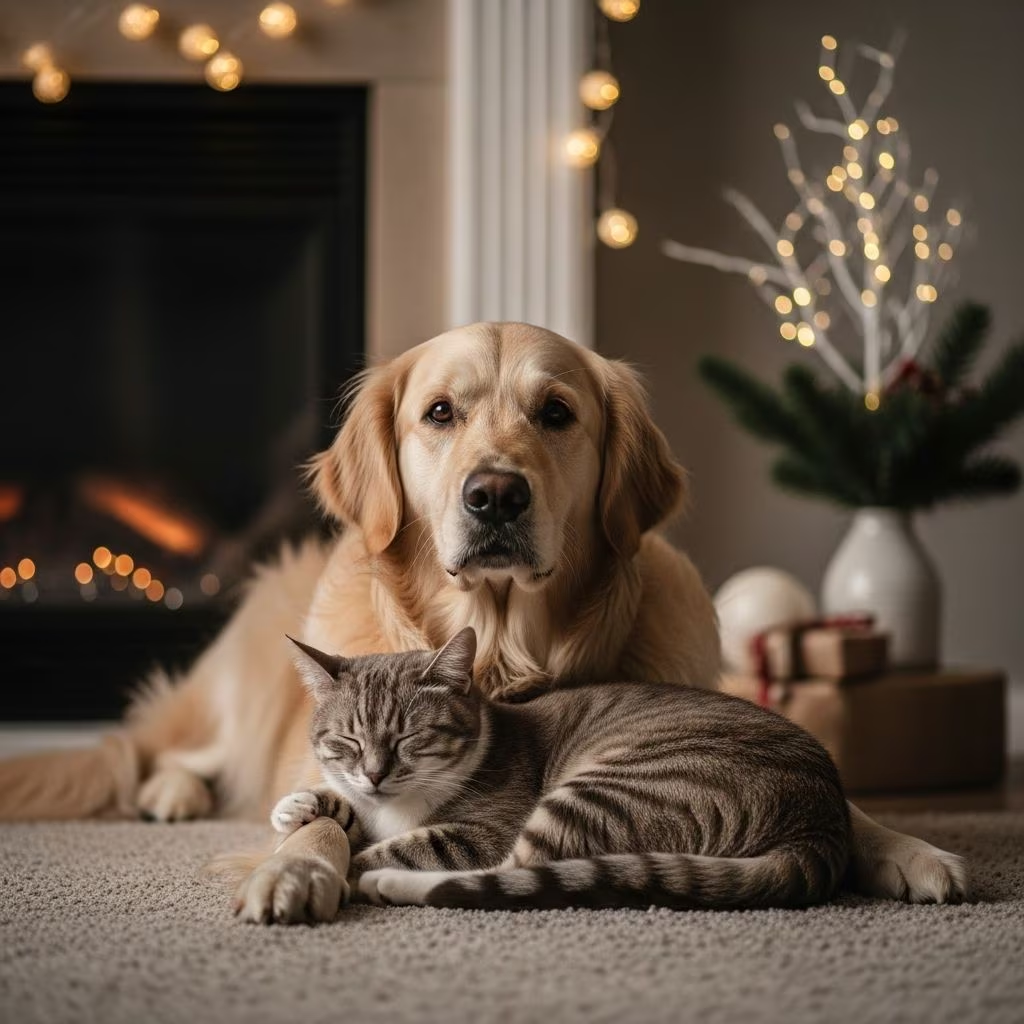
The holiday season brings joy, festivities, and gatherings, but it also introduces unique risks for pets. From tempting human foods to sparkling decorations, common holiday elements can lead to emergencies. This comprehensive guide, inspired by ASPCA recommendations, covers all major hazards to help you safeguard your dogs, cats, and other companions during Christmas, Hanukkah, Thanksgiving, New Year’s, and beyond. By following these tips, you can ensure a merry and safe celebration for your entire family, including its furry members.
1. Delicious Dangers
Holiday meals are abundant with rich, fatty foods that may seem like treats to pets but can cause serious health issues. Common culprits include fatty meats, bones, chocolate, grapes, onions, garlic, and baked goods containing xylitol or raisins. Ingestion can lead to pancreatitis, gastrointestinal upset, kidney failure, or even death. For instance, turkey or chicken bones splinter easily, posing choking hazards or intestinal perforations.
- Fatty foods: Excess fat from roasts or gravies can trigger life-threatening pancreatitis, characterized by vomiting, lethargy, and abdominal pain.
- Bones: Cooked bones become brittle and sharp, risking obstructions or tears in the digestive tract.
- Toxic ingredients: Chocolate contains theobromine, toxic to pets; grapes and raisins cause kidney damage; onions and garlic destroy red blood cells.
- Xylitol in desserts: This sugar substitute in gum, candies, and some baked goods causes rapid insulin release, leading to hypoglycemia and liver failure.
To prevent accidents, keep counters clear, secure trash bins, and never offer table scraps. Opt for pet-safe treats instead. ASPCA advises consulting their full list of hazardous foods for specifics. During Thanksgiving, resist the urge to share even small tastes, as symptoms can appear hours later.
2. Watch Out for Wires
Festive lights, extension cords, and electronics multiply during holidays, creating electrocution risks. Pets chewing wires can suffer burns, shocks, or cardiac arrest. Punctured batteries leak corrosive chemicals, causing mouth and esophageal burns.
- Secure cords high or behind barriers; use cord covers or tape.
- Unplug decorations when unattended or leaving the house.
- Inspect for frays and discard damaged items immediately.
- Keep batteries in closed compartments, away from curious paws.
Supervise pets around new setups, especially kittens and puppies drawn to twinkling lights.
3. Mistletoe, Oh No!
Seasonal plants like mistletoe, holly, poinsettias, and lilies are highly toxic. Mistletoe berries cause gastrointestinal distress, cardiovascular issues, and hallucinations. Holly leads to vomiting and diarrhea; poinsettias irritate mouths and stomachs, though less severely than once thought. Lilies are fatal to cats, causing kidney failure even from pollen.
- Hang plants out of reach or choose artificial, non-toxic versions.
- If ingestion occurs, induce vomiting only under vet guidance and contact poison control immediately.
- Popular alternatives: Poinsettia sap is mild but avoid; opt for pet-safe greens like rosemary or fir (non-essential oils).
Place bouquets in high vases and vacuum fallen leaves promptly.
4. Rockin’ Around the Christmas Tree
Christmas trees are magnets for mischief. Tipping trees injure pets; stagnant water breeds bacteria, causing nausea and diarrhea. Needles irritate digestive tracts, and wrapped gifts hide food temptations. Tinsel wraps intestines, requiring surgery.
- Secure the tree: Use sturdy stands and barriers like baby gates or fire guards.
- Cover tree water: Use skirts or foil; refresh frequently to minimize bacteria.
- Avoid tinsel: Replace with shatterproof ornaments hung high.
- Supervise gifts: No food under the tree; check ribbons for chewing risks.
- Vacuum needles and debris daily to prevent ingestion.
For artificial trees, ensure no small parts detach. Live trees demand extra vigilance.
5. Caution Around Candles
Open flames from candles, menorahs, or oil lamps pose burn and fire risks. Knocked-over candles ignite fur or decorations.
- Never leave flames unattended; extinguish when leaving rooms.
- Use stable holders on high, flat surfaces away from edges.
- Switch to flameless LED candles for safety, especially during Hanukkah or Diwali.
- Supervise pets more during busy seasons when oversight lapses.
Place candles in pet-free zones and teach family to check before lighting.
6. Loud Noises
Fireworks, music, poppers, and parties overwhelm sensitive pet ears, causing anxiety, hiding, or escape attempts. Confetti strings lodge in intestines.
- Create quiet retreats: Crates, interior rooms with familiar bedding.
- Use calming aids like pheromone diffusers or vet-approved anxiety wraps.
- Exercise pets beforehand to tire them out.
- Avoid confetti; choose pet-safe streamers.
Mute fireworks viewings or use white noise machines.
7. Talkin’ Trash
Overflowing bins with bones, wrappers, and decorations tempt raids, leading to toxicity or blockages.
- Secure lids or use pet-proof cans.
- Empty trash frequently, especially after meals.
- Compost food scraps separately if possible.
High-energy holidays mean more waste—stay vigilant.
8. Guests and Holiday Decor
Visitors bring medications, snacks, and overwhelm. Pets may ingest pills from bags or stress-eat. Extra decor adds wires and temptations.
- Designate pet-free zones or quiet rooms with blankets.
- Brief guests on hazards; store meds in cabinets.
- Supervise interactions; overwhelmed pets may snap.
More people mean more dropped food—double counters.
9. Salty Hazards
Ice melts and salt-dough ornaments cause electrolyte imbalances, salt toxicity, dehydration, seizures.
- Use pet-safe ice melts (e.g., propylene glycol-based).
- Wipe paws after walks; provide fresh water.
- Store ornaments high; supervise crafting.
Dry dough remains tempting—opt for non-edible crafts.
10. Mind Your Medication
Pills like ibuprofen, antidepressants cause ulcers, seizures. Guests’ bags are prime targets.
- Store in locked cabinets; remind overnight guests.
- Keep purses elevated.
- Know symptoms: Vomiting, tremors—call vet ASAP.
Even one pill can be fatal[10 hypothetical from pattern].
Traveling with Pets
Road trips stress pets; practice car rides early. Secure crates, stop frequently. Never leave in hot cars.
Frequently Asked Questions (FAQs)
What should I do if my pet eats something toxic?
Contact ASPCA Poison Control immediately; do not induce vomiting without advice.
Are artificial trees safer?
Yes, but check for small parts; still secure against tipping.
Can pets have any holiday treats?
Stick to vet-approved; avoid human food.
How to calm anxious pets during parties?
Provide quiet spaces and familiar toys.
Pet-safe ice melt alternatives?
Look for urea or calcium magnesium acetate products.
References
- Holiday Safety Tips — Animal Oasis Veterinary Hospital. Accessed 2026. https://www.animaloasisveterinaryhospital.com/blog/holiday-safety-tips
- Winter Holiday Safety Tips — ASPCA Pet Insurance. Accessed 2026. https://www.aspcapetinsurance.com/resources/holiday-pet-safety-tips/
- Holiday Safety Tips — ASPCA. Accessed 2026. https://www.aspca.org/pet-care/general-pet-care/holiday-safety-tips
- Winter holiday pet safety — American Veterinary Medical Association (AVMA). Accessed 2026. https://www.avma.org/resources-tools/pet-owners/petcare/holiday-pet-safety
- Thanksgiving Safety Tips — ASPCA. 2023-11. https://www.aspca.org/news/thanksgiving-safety-tips-will-keep-your-pets-feeling-thankful-holiday
- Keep Your Pet Safe from These 10 Holiday Hazards — ASPCA. Accessed 2026. https://www.aspca.org/news/keep-your-pet-safe-these-10-holiday-hazards



