

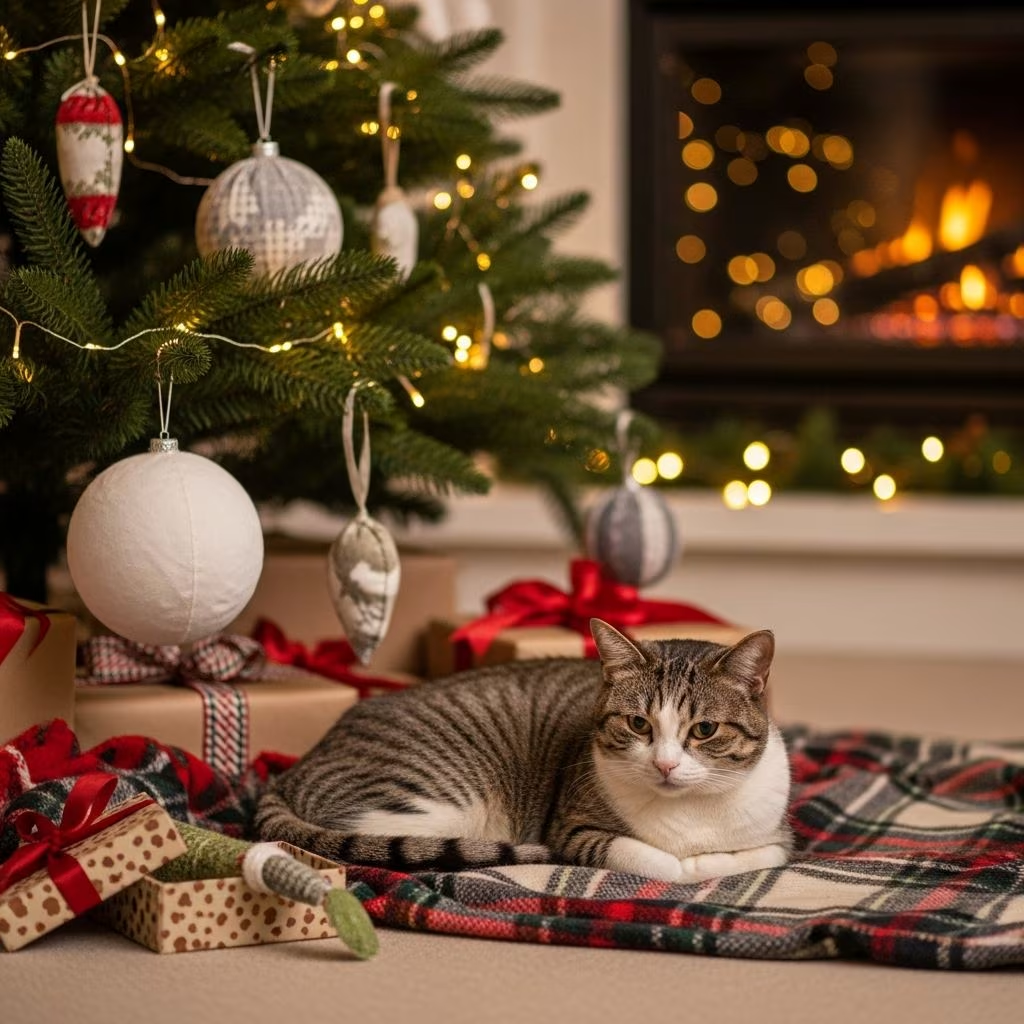
Holiday Safety Tips for Cats: Keep Them Safe and Stress-Free
The holiday season brings joy, celebration, and festive cheer to homes around the world. However, while humans revel in the excitement of Christmas, Hanukkah, New Year’s Eve, and other winter celebrations, our feline companions may find the season overwhelming and stressful. Cats are territorial creatures of habit who thrive on consistency and predictability, and they are particularly sensitive to changes in their environment. The loud celebrations, unfamiliar visitors, festive decorations, and disrupted routines that characterize the holiday season can induce significant fear, anxiety, and stress in our beloved cats. Understanding these challenges and taking proactive steps to address them is essential for ensuring your cat remains safe, comfortable, and happy throughout the festive period.
Understanding Holiday Stress in Cats
Cats experience the holidays differently than their human families. The sudden changes in routine, increased noise levels, and introduction of unfamiliar people into their home can trigger anxiety responses. Many cats retreat or hide during these times, which is a natural coping mechanism. Recognizing the signs of stress in your cat—such as excessive hiding, changes in eating habits, litter box avoidance, or aggressive behavior—can help you intervene early and create a more comfortable environment for them.
The key to managing your cat’s holiday experience is maintaining as much consistency as possible while minimizing exposure to stressors. This requires planning and awareness from pet owners who want to celebrate while keeping their feline friends’ wellbeing in mind.
Creating a Safe Environment from Holiday Decorations
Holiday decorations add visual appeal and festive atmosphere to our homes, but many of these items pose serious safety risks to cats. Understanding which decorations are dangerous and how to display them safely is crucial for preventing injuries and emergencies.
Christmas Tree Safety
Christmas trees are a centerpiece of holiday décor, but they present multiple hazards to curious cats. Trees can be knocked over if a cat climbs into them, potentially causing injury to your pet or damage to your home. To prevent this, secure your Christmas tree to a wall using sturdy hooks and fishing line. This stability measure is especially important if you have climbing or playful cats.
Additionally, fallen pine and fir needles can irritate your cat’s digestive tract or cause internal punctures if ingested. Regular sweeping and removal of fallen needles significantly reduces this risk. Consider using a tree skirt to help contain needles and make cleanup easier.
Ornaments and Breakable Decorations
Ornaments present a dual danger to cats: they may appear as toys to batting felines, but they break easily and can cause cuts and injuries. Glass and ceramic ornaments are particularly hazardous. Hang ornaments higher on the tree and out of your cat’s reach, or consider using unbreakable alternatives made from safer materials like plastic or wood. Avoid placing ornaments within arm’s length of branches your cat can access from nearby furniture.
Ribbons, Tinsel, and Confetti
Among the most dangerous holiday decorations for cats are ribbons, tinsel, and confetti. If a cat ingests these items, they can become dangerously entangled in the digestive tract, potentially requiring emergency life-saving surgery. These decorative elements should be kept completely out of reach. If you use them at all, ensure they are secured in areas where your cat cannot access them, or consider eliminating them entirely from your holiday décor.
Lights and Electrical Hazards
Holiday light strings present two primary risks to cats: the danger of becoming tangled in the wires and the hazard of chewing through electrical cords, which can cause burns or electrocution. Whenever possible, choose LED lights instead of traditional incandescent lights, as they generate less heat. Tape down all light strings securely so they aren’t dangling or swinging in ways that might attract your cat’s attention. Keep cords tucked behind furniture or secured to baseboards to minimize temptation.
Candles and Open Flames
Real candles create ambiance but pose serious burn and fire risks. Cats can burn themselves directly on the flame or knock over candles, potentially starting a fire in your home. If you choose to use real candles, ensure the candleholder is exceptionally safe and sturdy. Alternatively, flameless candles provide a safer aesthetic option. Additionally, ensure fireplaces are properly closed off with secure gates to prevent accidental contact.
Artificial Snow and Other Decorative Items
Artificial snow and certain decorative sprays may be made from chemicals that can cause fatal liver damage in cats if ingested, or lead to dangerous digestive blockages. It is best to avoid using these products entirely in homes with cats. Similarly, wreaths, garland, and other decorative plants should be evaluated for toxicity and placed securely out of reach.
Managing Holiday Scents and Fragrances
Holiday scents are a cherished part of seasonal celebration for many people, but strong fragrances can overwhelm cats’ sensitive olfactory systems. Cats communicate through scent and rely on familiar smells to feel secure in their environment. Avoid using strongly-scented home fragrances, essential oil diffusers, or heavily perfumed decorations, particularly in areas where your cat’s key resources are located—near their food and water bowls, litter trays, and favorite sleeping spots.
Additionally, be aware that holiday guests bring unfamiliar scents into your home, including the scent of their own cats. For cats that are particularly anxious or territorial, these foreign scents can trigger stress responses and potentially lead to urine marking. Asking guests to leave their shoes at the door and encouraging them to wash their hands can help minimize unfamiliar scents in your cat’s territory.
Managing Holiday Food and Toxic Substances
The holiday season centers around food, and festive meals present numerous risks to cats. Many traditional holiday foods and common household items are toxic to felines.
Dangerous Human Foods
Cats cannot safely consume many foods that humans enjoy during the holidays. Rich, fatty foods such as butter, cream, and gravy can cause digestive upset or pancreatitis in cats. Chocolate, grapes, raisins, onions, garlic, and foods containing xylitol (an artificial sweetener) are toxic to cats and should never be offered. Cooked bones, particularly chicken and turkey bones, can splinter and perforate the digestive tract, causing life-threatening injuries.
While it may be tempting to share your holiday meal with your cat, it is safer to offer them alternatives. Small pieces of boneless, cooked, lean turkey make a healthy and delicious treat that allows your cat to participate in the festive spirit without risk.
Proper Food Storage and Waste Management
Throw away food waste in a sturdy trash can that cannot be easily tipped over, preferably one with a secure lid. Cats are curious and may investigate trash cans, especially when they contain aromatic food scraps. Keep your cat away from the cooking zone during meal preparation, both to prevent them from consuming dangerous foods and to protect them from burns or being stepped on in a busy kitchen.
Special Holiday Treats for Your Cat
Rather than sharing your human food, plan ahead to include your cat in holiday festivities by keeping their favorite cat treats on hand. There are many commercially available cat treats designed specifically for feline nutrition and safety. By offering these alternatives, your cat can enjoy the celebratory atmosphere without the health risks.
Preventing Anxiety and Supporting Emotional Wellbeing
Beyond physical safety, managing your cat’s emotional wellbeing during the holidays is equally important. The stress and anxiety many cats experience during this season can have lasting effects on their behavior and health.
Avoiding Costumes and Restrictive Clothing
While cats dressed in holiday costumes may appear adorable and make for entertaining photos, festive outfits can cause significant discomfort and anxiety. Costumes restrict a cat’s movement, making it difficult for them to walk, jump, and groom themselves properly. A cat’s skin and fur serve as essential sensory tools that help them navigate their environment, locate prey, and identify potential threats. The pressure and sensation of fabric rubbing against their body can overstimulate them and interfere with their ability to detect subtle changes in temperature, air pressure, and vibrations.
Additionally, costumes may become snagged, causing your cat to panic and potentially injure themselves while struggling to escape. Rather than dressing your cat, consider taking an au naturel photo and using photo editing software to add festive touches digitally. Alternatively, treat your cat to cat-safe alternatives like a cozy snowflake blanket, a Santa hat bed, or a Christmas tree-shaped scratch post that they can interact with at their own pace.
Managing Visitor Interactions
Guests are an inevitable part of holiday celebrations, but their presence can be stressful for cats. Unsolicited petting or excessive attention, particularly from over-enthusiastic children, can overwhelm and irritate your cat. Establish clear boundaries with your guests by asking them not to disturb your cat while sleeping or chase them if they run away and hide. It is vital that your cat feels they have control over interactions and access to undisturbed safe spaces.
When guests do interact with your cat, supervise initial introductions and allow your cat to approach on their own terms. Teach guests to crouch or kneel to the side, speak quietly, and use slow blinking rather than making direct eye contact. Offering a softly closed fist for your cat to sniff allows them to choose whether to engage. If your cat indicates consent by bunting against a guest’s hand, ask them to restrict petting to preferred areas around the cheeks, base of ears, and chin. Contrary to popular belief, a cat rolling onto their back is a sign of trust, not an invitation to stroke their belly—touching these sensitive areas often results in defensive behavior.
For cats that are not comfortable with petting, encourage guests to toss treats for your cat to chase or use wand toys for interactive play. These activities help reduce stress, increase confidence, and build positive associations with visitors.
Creating Safe Spaces and Sanctuary Rooms
A designated sanctuary room off-limits to visitors and equipped with all of your cat’s key resources is ideal for managing holiday stress. This room should include a litter tray, food and water stations, a soft, cozy bed, and hiding places. If a dedicated room is not possible, create private hideaways using cave beds or boxes placed on top of wardrobes or bookcases—cats feel more secure with a vantage point overlooking their territory and out of reach of dogs and small children. Even a covered bed behind the sofa can provide a sense of privacy and security.
Boxes can be repurposed as hideaways by flipping them upside down and cutting holes in two sides to provide choice of entrances and exits. This prevents your cat from being ambushed or cornered by other pets or guests.
Maintaining Routine and Using Pheromone Support
Cats use pheromones deposited on furniture, walls, doorways, and humans to feel safe and secure in their environment. Maintaining your cat’s regular routines as much as possible during the holidays signals stability and predictability. Feed your cat at their usual times, maintain their exercise schedule, and preserve their normal play and grooming routines. These consistent behaviors help reduce anxiety.
You can further support your cat’s sense of calm by using synthetic pheromone products such as Feliway, which mimic natural calming pheromones. These products help maintain your cat’s sense of security during stressful periods.
Pre-emptive Desensitization
If you have time before the holidays, consider addressing potential stressors through desensitization and counterconditioning. For cats that fear traveling in carriers or are anxious about fireworks and loud noises, gradual exposure to these stressors paired with positive associations—such as delicious treats—can reduce fear responses. Start this process well before the holiday season to allow adequate time for your cat to acclimate.
Planning for Holiday Travel and Changes
If you are traveling during the holidays, consider how your cat will be cared for in your absence. Cats experience significantly less stress when they remain in their own home with a trusted cat sitter checking in regularly than when they are boarded or transported to unfamiliar locations. Ensure your cat sitter is familiar with your cat’s routine, dietary needs, and any special requirements. Make sure your cat is microchipped in case they slip out the door during deliveries or guest arrivals—a microchip can be instrumental in reuniting you with your pet if they become lost.
Managing Battery-Powered Devices and Gift Hazards
Batteries power many popular holiday gifts, from toys to electronic devices. Batteries are corrosive if ingested by pets and can cause serious internal injuries. Be careful not to drop batteries, and supervise your cat around new gifts, especially those intended for children that may have accessible battery compartments. Store batteries securely out of reach in a closed cabinet or drawer.
Frequently Asked Questions
Q: How can I tell if my cat is stressed during the holidays?
A: Signs of holiday stress in cats include excessive hiding, changes in appetite, litter box avoidance, increased aggression, excessive vocalization, or unusual grooming behavior. If you notice these changes, provide your cat with a quiet sanctuary space and minimize stressors where possible.
Q: Is it safe to use essential oil diffusers around cats during the holidays?
A: No, essential oil diffusers and strongly-scented fragrances can overwhelm cats’ sensitive olfactory systems and may cause respiratory irritation or stress. It is best to avoid using these products in homes with cats, especially near areas where your cat spends time.
Q: What should I do if my cat eats something toxic during a holiday gathering?
A: Contact your veterinarian or an emergency animal poison control center immediately. Have information about what your cat consumed, how much, and when. Do not wait for symptoms to appear, as early intervention can be life-saving for certain toxins.
Q: Can I give my cat holiday food scraps?
A: Most holiday foods are unsafe for cats due to high fat content or toxic ingredients. However, small pieces of boneless, cooked, lean turkey make a safe and healthy treat. Avoid foods containing seasonings, bones, fatty sauces, or toxic ingredients like onions and garlic.
Q: How long does it typically take a cat to adjust after the holidays?
A: Most cats return to normal behavior within a few days to a week after stressful situations end, assuming their routine is restored. Continue providing a calm, predictable environment and maintain consistent daily routines to help your cat readjust.
References
- How To Support Your Cat Emotionally Over the Holidays — Kinship. 2024. https://www.kinship.com/uk/cat-behaviour/cat-anxiety-holiday-season
- Winter Holiday Cat Safety Tips — Alley Cat Allies. 2024. https://www.alleycat.org/resources/holiday-tips/
- The Dos & Don’ts of Keeping Your Pets Safe this Holiday Season — Central Providence. 2024. https://www.centralprovidence.com/services/cats/blog/holiday-pet-safety-dos-donts-keeping-your-pets-safe-holiday-season
- How to Keep Your Pet Safe During the Holiday Season — Adopt a Pet. 2024. https://www.adoptapet.com/blog/adoption/holiday-safety-tips
- Holiday Safety Tips: Keep Your Pet Safe This Christmas — Riverbend Pet. 2024. https://www.riverbendpet.com/christmas-pet-safety-tips-holiday/



