

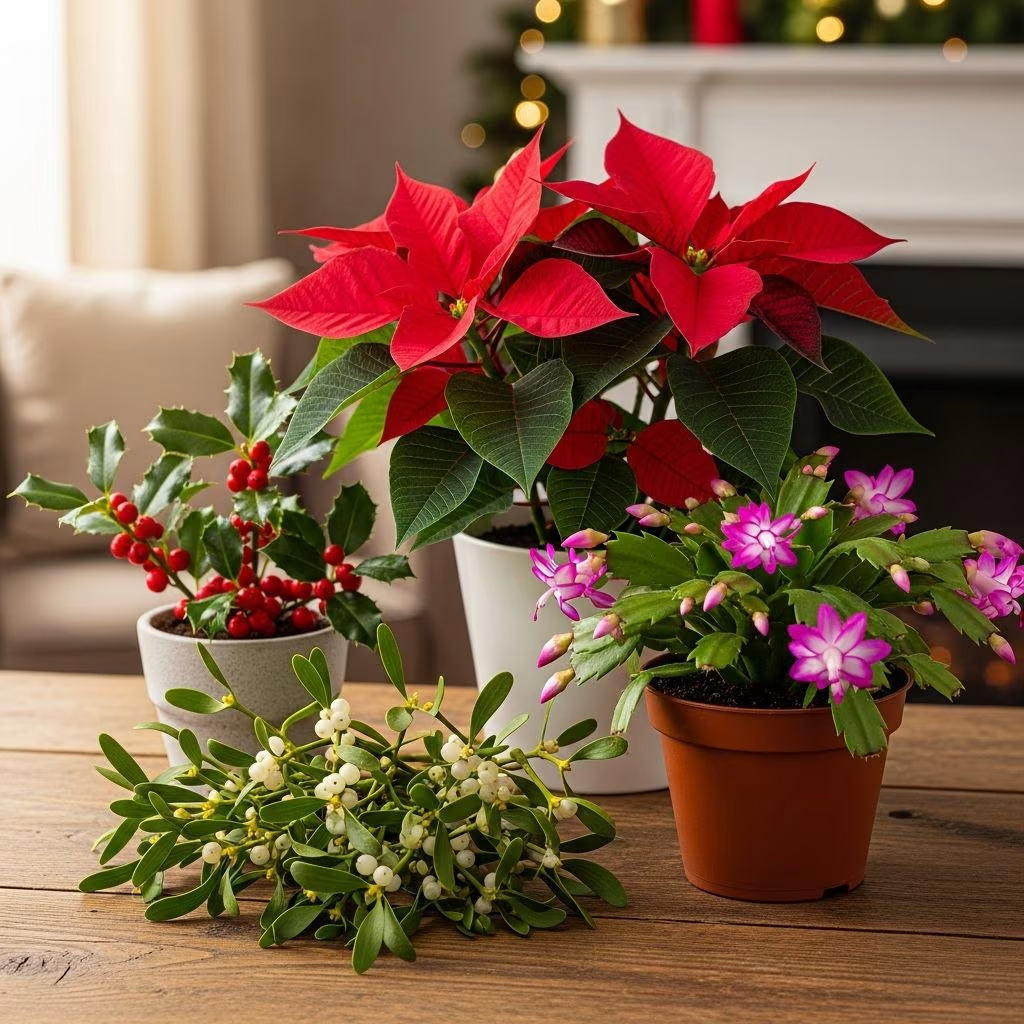
During festive seasons, homes fill with vibrant decorations, including plants that enhance the holiday ambiance. However, many of these plants can harm dogs if chewed or ingested. Understanding the risks associated with common holiday flora helps pet owners create safe environments while enjoying celebrations.
Understanding Plant Toxicity in Dogs
Dogs explore their surroundings with curiosity, often nibbling on plants. Holiday displays increase exposure risks. Toxins in these plants irritate the gastrointestinal tract, nervous system, or cardiovascular functions. Severity varies by plant, amount ingested, and dog size. Mild cases cause vomiting; severe ones lead to seizures or death. Prompt recognition of symptoms prevents complications.
Key Toxic Holiday Plants and Their Dangers
Several plants frequently appear in decorations. Below is a detailed overview of the most hazardous ones, including symptoms and risks.
Poinsettias: The Festive Red Threat
Poinsettias brighten homes with their colorful bracts. The plant’s milky sap irritates a dog’s mouth, esophagus, and stomach. Ingestion leads to drooling, vomiting, and diarrhea. While rarely fatal, persistent symptoms warrant veterinary attention. Keep these plants elevated or opt for artificial versions.
Holly: Spiny Berries and Leaves
Holly’s glossy leaves and red berries adorn wreaths. Berries contain ilicin, causing severe vomiting and diarrhea. Sharp leaves injure the mouth and digestive tract. Dogs may suffer lethargy or coordination issues after larger amounts. Artificial holly maintains tradition without risk.
Mistletoe: Kissing Under Danger
Mistletoe symbolizes romance but packs viscotoxins. American mistletoe causes mild upset; European varieties trigger abdominal pain, low blood pressure, irregular heartbeat, and seizures. Even small amounts pose threats. Use synthetic mistletoe for doorways.
Lilies: Beautiful but Deadly Blooms
Varieties like lily of the valley, peace lilies, and calla lilies intoxicate dogs. Toxins provoke mouth irritation, drooling, swallowing difficulties, vomiting, diarrhea, and heart issues. Severe cases involve seizures or coma. Avoid all lilies; choose non-toxic flowers.
Azaleas: Bouquet Hidden Hazard
Azaleas (rhododendrons) feature in arrangements. Grayanotoxins disrupt sodium channels, causing drooling, vomiting, tremors, abnormal heart rhythms, and collapse. All parts are toxic. Inspect gifts carefully.
Amaryllis: Bulb and Bloom Risks
Amaryllis bulbs and flowers cause hypersalivation, vomiting, diarrhea, abdominal pain, and tremors. Bulb ingestion risks obstruction. Holiday gifts often include these; secure them high.
Yew: Evergreen Wreath Peril
Yew in wreaths contains taxines, affecting heart function. Needles, bark, or seeds lead to tremors, breathing issues, vomiting, seizures, and sudden death. Only berry flesh is safe; discard promptly.
Symptoms of Plant Poisoning to Watch For
- Gastrointestinal signs: Vomiting, diarrhea, drooling, loss of appetite.
- Neurological effects: Tremors, seizures, weakness, coma.
- Cardiovascular changes: Abnormal heart rate, low blood pressure.
- Other indicators: Lethargy, difficulty breathing, mouth irritation.
Symptoms appear within hours. Monitor closely during holidays.
Prevention Strategies for Pet-Safe Holidays
Proactive steps minimize risks:
- Choose artificial plants mimicking toxic ones.
- Elevate real plants beyond reach.
- Use pet gates around displays.
- Supervise curious dogs.
- Select pet-safe alternatives like Christmas cactus.
| Plant | Toxicity Level | Safe Alternative |
|---|---|---|
| Poinsettia | Mild | Artificial poinsettia |
| Holly | Moderate | Fake holly garlands |
| Mistletoe | Severe | Synthetic mistletoe |
| Lilies | Severe | Rosemary sprigs |
| Azaleas | Severe | Baby’s breath |
| Amaryllis | Moderate | Orchids |
| Yew | Life-threatening | Pine branches (supervised) |
Emergency Response if Ingestion Occurs
Act fast: Remove plant remnants, rinse mouth if possible. Contact vet or ASPCA Poison Control (888-426-4435) or Pet Poison Helpline (855-764-7661). Provide plant details, ingestion amount, and symptoms. Do not induce vomiting without advice. Vets may administer activated charcoal, IV fluids, or medications.
Pet-Safe Holiday Decorating Ideas
Maintain cheer safely:
- Non-toxic plants: Christmas cactus, Norfolk pine.
- Edible accents: Rosemary, cranberries (in moderation).
- Creative displays: LED lights, ribbons, ornaments.
- Dog distractions: New toys, safe chews.
Train commands like “leave it” for better control.
FAQs
Are poinsettias really poisonous to dogs?
Yes, mildly. Sap causes irritation, vomiting. Monitor and consult vet if symptoms persist.
Can dogs eat holly berries?
No. They induce severe GI distress and injuries.
What if my dog eats mistletoe?
Seek emergency care; risks include cardiovascular collapse.
Are Christmas trees safe for dogs?
Needles irritate; water breeds bacteria. Block access.
How do I make my home holiday-proof?
Use fakes, elevate, supervise, and know hotlines.
Long-Term Holiday Pet Safety
Beyond plants, watch for tinsel, chocolates, alcohol. Annual vet checkups ensure baseline health. Educate family on risks. Safe holidays build joyful memories.
References
- 5 Holiday Plants Poisonous to Dogs — Purina. 2023. https://www.purina.com/articles/dog/health/routine-care/holiday-plants-poisonous-to-dogs
- 5 Common Holiday Plants That Are Toxic to Pets — Animal Emergency & Referral Center of MN. 2024. https://aercmn.com/5-common-holiday-plants-that-are-toxic-to-pets/
- 7 Common Holiday Plants Toxic to Dogs — PetMD. 2024. https://www.petmd.com/dog/poisoning/most-common-holiday-plants-toxic-dogs
- 8 Pet-Safe Holiday Plants—and 10 Common Ones To Avoid — Chewy. 2024. https://www.chewy.com/education/dog/health-and-wellness/pet-safe-holiday-plants
- Pets and Holiday Plant Myths — Costa Farms. 2023. https://costafarms.com/blogs/get-growing/pets-and-holiday-plant-myths
- Seasonal Holiday Plants Toxic to Pets — Mariemont Vet Clinic. 2024. https://mariemontvetclinic.com/resources/blog/seasonal-holiday-plants-that-are-toxic-to-pets



