

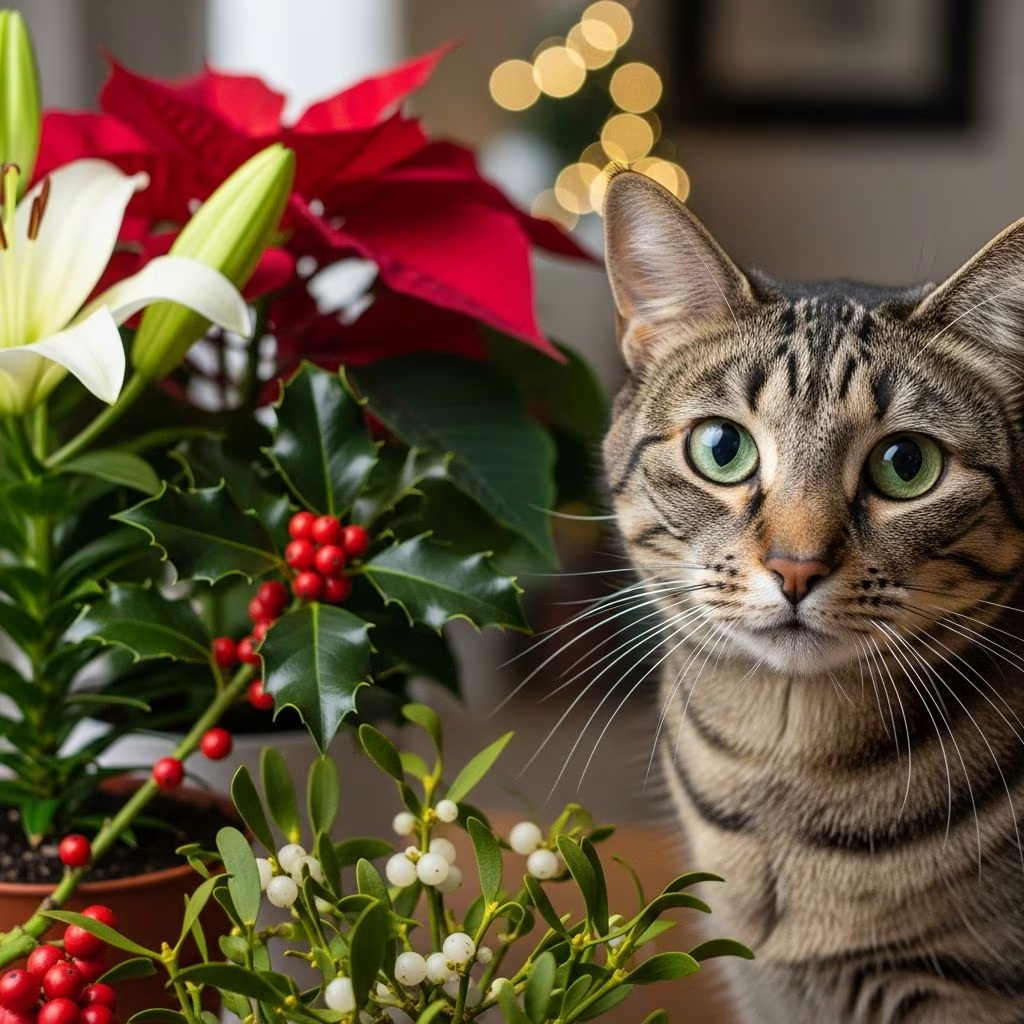
During festive periods, homes fill with vibrant decorations, including various plants that enhance the celebratory atmosphere. However, many of these popular choices pose serious risks to cats due to their toxic properties. Understanding which plants are dangerous helps pet owners create a secure environment for their feline companions.
Understanding Feline Vulnerability to Plant Toxins
Cats are particularly susceptible to plant toxins because of their grooming habits and curious nature. They often chew on leaves or flowers, ingesting harmful substances that can lead to gastrointestinal distress, organ damage, or worse. Small amounts from certain plants can trigger severe reactions, making vigilance essential during holidays when such greenery is abundant.
The digestive system of cats processes plant materials differently than omnivores, amplifying the impact of irritants and chemicals. Factors like a cat’s age, size, and overall health influence severity, with kittens and seniors facing heightened risks.
Common Festive Greenery That Threatens Cats
Several holiday staples contain compounds that irritate or poison feline systems. Here’s a breakdown of the most concerning ones:
- Pine and Other Holiday Trees: Real pine trees release oils that can cause liver issues if ingested, while sharp needles risk puncturing the mouth or intestines.
- Colorful Poinsettias: The milky sap irritates the mouth and digestive tract, leading to drooling and vomiting.
- Bulb-Based Blooms like Amaryllis: Every part harbors lycorine, prompting tremors and expulsion of stomach contents.
- Spiky Holly Berries: Saponins induce intense vomiting and abdominal discomfort.
- Parasitic Mistletoe: Phoratoxins provoke gastrointestinal upset and cardiovascular collapse in higher doses.
- Elegant Lilies: Even vase water is deadly, causing kidney failure rapidly.
- Azalea Varieties: Grayanotoxins disrupt sodium channels, resulting in weakness and potential heart problems.
Detailed Risks from Specific Plants
Pine Trees and Needle Hazards
Opting for live trees introduces multiple dangers. Pine oils are hepatotoxic, potentially leading to liver failure. Needles, being prickly, can embed in paws or cause internal lacerations upon swallowing. Fir or spruce alternatives are marginally safer but still warrant caution, as all conifers carry some risk.
Poinsettia Misconceptions
Despite myths suggesting harmlessness, poinsettias contain diterpenoids in their sap. Mild ingestion causes oral irritation, hypersalivation, and diarrhea. Large quantities escalate to more serious effects, advising complete avoidance in cat households.
Amaryllis: Beauty with a Bite
Belonging to the lily family, amaryllis bulbs, stems, and blooms all release lycorine upon chewing. Cats may exhibit pressing their head against surfaces, alongside vomiting and diarrhea, signaling neurological involvement.
| Plant | Toxicity Level | Primary Symptoms | Safe Alternative |
|---|---|---|---|
| Poinsettia | Mild | Vomiting, drooling | Artificial versions |
| Amaryllis | Moderate | Tremors, diarrhea | Silk flowers |
| Holly | Moderate-Severe | Abdominal pain, dehydration | Faux berries |
| Mistletoe | Severe | Seizures, low blood pressure | Decorative sprigs |
| Lilies | Highly Severe | Kidney failure | Non-toxic orchids |
| Azaleas | Severe | Cardiac issues, weakness | Evergreen boughs |
Holly and Mistletoe: Festive Foes
Holly’s berries and leaves pack saponins, causing frothy vomiting and lethargy. Mistletoe, a parasitic growth, introduces viscotoxins affecting the gut and heart, with severe cases involving bradycardia and respiratory distress.
The Deadly Lily Threat
Lilium species top the danger list; pollen grooming alone can initiate acute kidney injury. Symptoms progress from lethargy to oliguria within hours, demanding immediate intervention.
Azaleas in Arrangements
Often snuck into bouquets, azaleas’ grayanotoxins bind nerve cells, mimicking belladonna poisoning. Watch for ataxia and collapse.
Recognizing Signs of Plant Poisoning
Early detection saves lives. Monitor for:
- Excessive salivation or lip licking
- Repeated retching or bloody vomit
- Diarrhea, possibly with mucus
- Lethargy or hiding behavior
- Trembling, seizures, or uncoordinated movement
- Reduced urination or abnormal thirst
Symptoms vary by plant but unify in urgency. Photograph suspected plant matter for vet reference.
Immediate Response Protocols
If exposure is suspected:
- Prevent further access by isolating the plant.
- Rinse the cat’s mouth gently with water if cooperative.
- Avoid inducing vomit unless vet-directed.
- Contact a poison hotline or rush to an emergency clinic.
- Provide plant details for targeted treatment.
Activated charcoal or IV fluids often form the basis of care, with lilies requiring aggressive renal support.
Prevention Strategies for Pet Owners
Proactive measures ensure joy without jeopardy:
Opt for Synthetics: Artificial trees, wreaths, and flowers mimic aesthetics sans toxins.
Elevate Displays: Hang garlands high or use hanging baskets beyond leap range.
Distraction Tactics: Offer cat grass or interactive toys to redirect curiosity.
Room Segregation: Designate plant-free zones for feline lounging.
Vigilant Cleanup: Sweep fallen needles or petals promptly.
Safe Alternatives for Holiday Decor
Embrace these non-toxic options:
- Orchids: Elegant and feline-friendly.
- Eucalyptus: Aromatic without harm.
- Cat-Safe Greenery: Rosemary or pine-free boughs.
- LED Lights and Ribbons: Shiny diversions minus risk.
Long-Term Household Plant Safety
Beyond holidays, audit your indoor jungle. Replace risky succulents or vines with hardy, safe varieties like spider plants or Boston ferns. Educate family on boundaries to foster lasting safety.
FAQs on Holiday Plants and Cats
Are poinsettias really dangerous for cats?
Yes, though mildly so; sap causes irritation, but severe illness requires substantial ingestion.
What if my cat chews on Christmas tree needles?
Monitor for vomiting or paw tenderness; seek vet care if symptoms appear, as oils pose liver threats.
Can lily pollen harm cats without eating the plant?
Absolutely—grooming contaminated fur leads to kidney damage swiftly.
Are artificial plants completely safe?
Generally yes, but ensure no small detachable parts pose choking hazards.
How quickly do poisoning symptoms start?
From minutes for irritants to 72 hours for lilies; never delay professional advice.
Expert Insights on Feline Toxicology
Veterinary toxicologists emphasize lilies as the paramount concern due to rapid renal necrosis. Statistics reveal thousands of annual exposures, underscoring education’s role. Integrate pet-safe habits year-round for optimal welfare.
References
- Holiday Plants Poisonous to Cats — Purina. 2023-12-01. https://www.purina.com/articles/cat/health/routine-care/holiday-plants-poisonous-to-cats
- Christmas Plants Toxic to Pets — Vets Now. 2024-11-15. https://www.vets-now.com/pet-care-advice/christmas-plants-toxic-to-pets/
- Top 6 Poisonous Plants for Cats — Veg.com. 2023-10-20. https://www.veg.com/post/6-poisonous-plants-for-cats
- Which Holiday Plants Are Safe for My Cats and Dogs? — University of New Hampshire Extension. 2018-12-10. https://extension.unh.edu/blog/2018/12/which-holiday-plants-are-safe-my-cats-dogs
- Pet-Safe Holiday Plants — Chewy. 2024-12-05. https://www.chewy.com/education/dog/health-and-wellness/pet-safe-holiday-plants



