

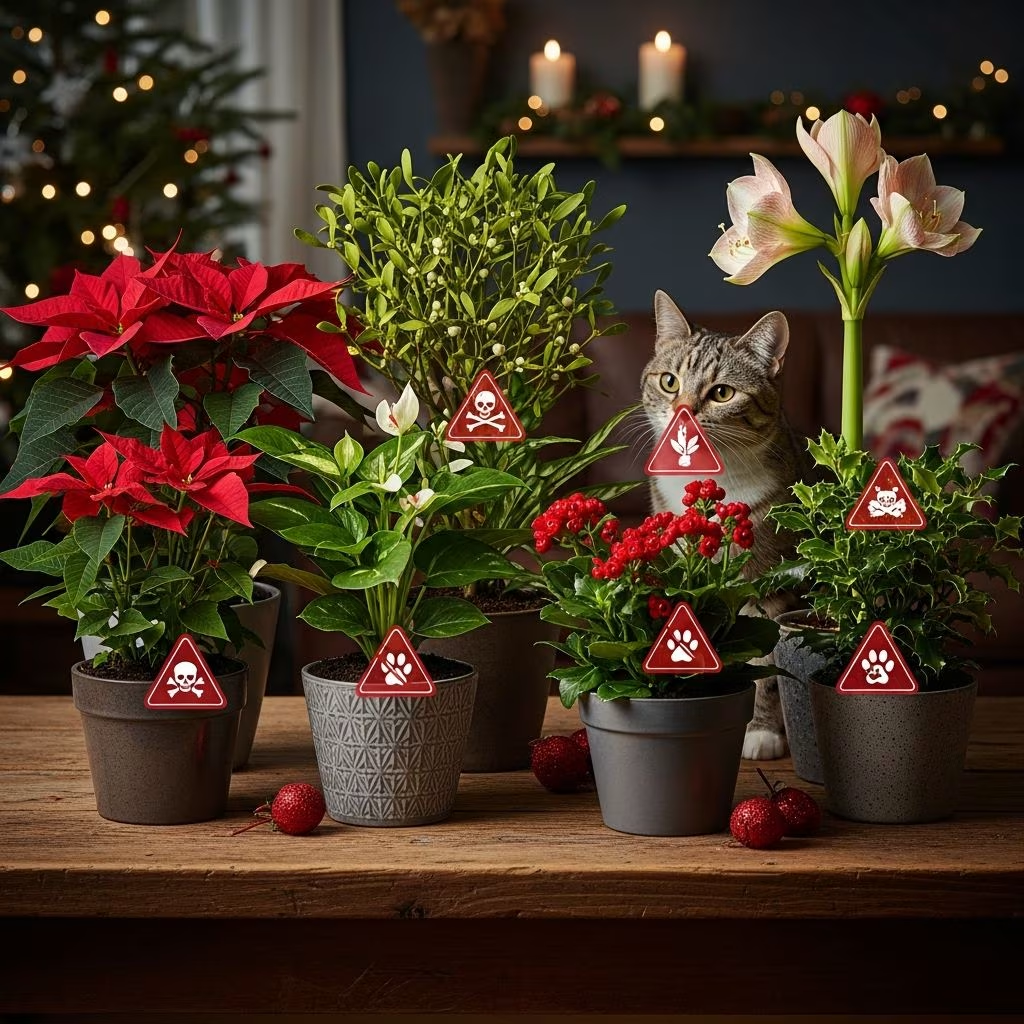
Cats often explore their surroundings with curiosity, especially during holidays when homes fill with vibrant decorations. Many festive plants, however, harbor toxins that can cause mild irritation to life-threatening conditions in felines. Understanding these risks allows pet owners to celebrate safely without compromising their cat’s well-being.
Why Holiday Decorations Pose Risks to Cats
During winter holidays, people adorn spaces with greenery, flowers, and wreaths to create joyful atmospheres. Cats, being agile climbers and chewers, frequently encounter these items. Toxins in plants can enter through ingestion, skin contact, or even vase water, leading to gastrointestinal distress, organ damage, or worse. Early awareness prevents emergencies.
Common Toxic Plants to Avoid
Several popular holiday staples contain compounds harmful to cats. Here’s a breakdown of the most concerning ones, including their toxins and potential effects.
Lilies: A Silent Killer
True lilies, such as Asiatic, Tiger, and Easter varieties, top the list of dangers. Every part—including pollen, flowers, leaves, stems, and vase water—is toxic due to unidentified compounds causing acute kidney failure. Even minimal exposure can trigger vomiting, lethargy, drooling, anorexia, and fatal renal shutdown if untreated.
Poinsettias: More Than a Myth
These red-bracted favorites release a milky sap irritating to a cat’s mouth, esophagus, and stomach. Ingestion leads to drooling, vomiting, diarrhea, and skin irritation. While rarely fatal unless massive amounts are consumed, they warrant avoidance.
Amaryllis: Beautiful but Hazardous
Blooming dramatically, amaryllis bulbs, stems, leaves, and flowers contain lycorine, provoking vomiting, diarrhea, depression, and tremors. Severity escalates with bulb consumption.
Holly and Mistletoe: Festive Foes
Holly berries and leaves harbor ilicin, causing intense vomiting, diarrhea, abdominal pain, and dehydration. Mistletoe introduces phoratoxins and lectins, resulting in gastrointestinal upset, low blood pressure, breathing issues, seizures, and potential death in large doses.
Azaleas: Hidden in Bouquets
Often tucked into arrangements, all azalea parts (also called rhododendrons) produce grayanotoxin, disrupting sodium channels. Symptoms span drooling, weakness, vomiting, diarrhea, and heart complications.
Other Notables: Yew, English Ivy, and More
Yew in wreaths delivers taxine alkaloids, inducing tremors, breathing difficulties, vomiting, seizures, and cardiac arrest. English ivy causes moderate vomiting and diarrhea. Boxwood, hellebore, and paperwhites similarly demand caution.
Symptoms of Plant Poisoning in Cats
Recognizing signs early is crucial. Common indicators include:
- Excessive drooling or mouth foaming
- Vomiting or diarrhea, possibly bloody
- Lethargy or weakness
- Loss of appetite
- Tremors, seizures, or coordination loss
- Difficulty breathing or rapid heart rate
- Abdominal pain or bloating
Symptoms vary by plant and amount ingested but typically appear within hours. Severe cases demand immediate veterinary intervention.
Quick Response: What to Do If Exposure Occurs
Act fast:
- Remove plant remnants from your cat’s mouth gently.
- Prevent further access by isolating the plant.
- Contact a vet, ASPCA Poison Control (888-426-4435), or Pet Poison Helpline (855-764-7661) immediately—don’t wait for symptoms.
- Provide plant details (name, amount eaten) for tailored advice.
- Follow professional guidance; treatments may involve induced vomiting, activated charcoal, IV fluids, or monitoring.
Never induce vomiting without vet approval, as it risks aspiration.
Pet-Safe Alternatives for Holiday Cheer
Opt for non-toxic options to maintain festive vibes:
- Christmas Cactus: Blooms pink/red flowers safely.
- Norfolk Pine: Soft-needled mini tree, non-toxic.
- Rosemary: Aromatic evergreen herb.
- Moth Orchids: Elegant, blooming safely.
- Boston Fern: Lush greenery.
- African Violets: Colorful year-round.
- Camellia and Winter Jasmine: Fragrant winter bloomers.
Artificial plants or high placements reduce risks further.
Prevention Strategies for Cat Owners
Proactive measures safeguard holidays:
| Strategy | Benefits |
|---|---|
| Hang decorations high or use barriers | Prevents jumping/chewing access |
| Choose real trees wisely (fir/spruce over pine) | Minimizes oil/needle hazards |
| Provide cat grass or toys as distractions | Redirects chewing instincts |
| Opt for silk florals | Eliminates toxin worries |
| Supervise and train ‘leave it’ commands | Enhances immediate response |
Water reservoirs under trees attract curious cats; cover them securely.
Understanding Toxicity Levels
Not all exposures prove fatal, but risks depend on factors like cat size, plant amount, and prompt care. Lilies and yew rank highest in lethality, while poinsettias cause milder issues.
FAQs
Are poinsettias really dangerous for cats?
Yes, mildly toxic via irritating sap causing vomiting and drooling. Keep away despite lower severity.
Can cats recover from lily poisoning?
Possible with immediate aggressive treatment like IV fluids, but kidney damage often proves irreversible.
Is mistletoe safe in small amounts?
No— even berries pose severe risks including cardiovascular collapse.
What about artificial plants?
Generally safe, but check for small detachable parts that could be swallowed.
Should I get rid of all plants?
Prioritize toxic ones; safe alternatives allow enjoyment.
Long-Term Holiday Pet Safety Habits
Beyond plants, watch for tinsel, ribbons, and chocolates—common holiday hazards. Annual vet checkups and pet insurance prepare for surprises. Educating family reinforces vigilance.
Maintaining a cat-friendly home year-round builds habits preventing seasonal scares. Holidays amplify joy when safety leads.
References
- Holiday Plants Poisonous to Cats — Purina US. 2026-01-27. https://www.purina.com/articles/cat/health/routine-care/holiday-plants-poisonous-to-cats
- 5 Common Holiday Plants That Are Toxic to Pets — Animal Emergency & Referral Center of Minnesota. N/A. https://aercmn.com/5-common-holiday-plants-that-are-toxic-to-pets/
- 8 Pet-Safe Holiday Plants—and 10 Common Ones To Avoid — Chewy. N/A. https://www.chewy.com/education/dog/health-and-wellness/pet-safe-holiday-plants
- 12 Christmas and Holiday Plants – Poisonous or Safe? — Cornwall Manor. N/A. https://cornwallmanor.org/blog/twelve-christmas-holiday-plants-poisonous-safe/



