

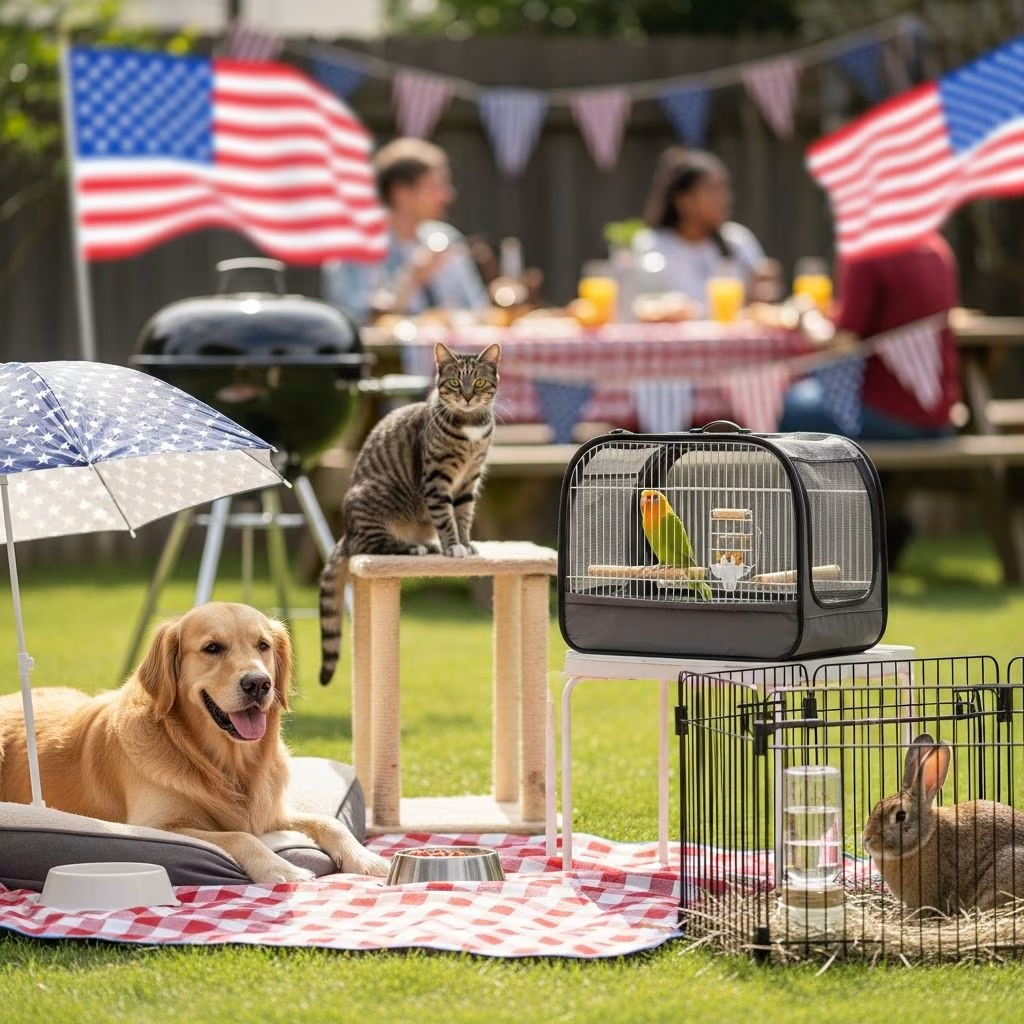
Holiday Pet Safety Tips for a Safe Memorial Day
Memorial Day weekend is a cherished time for celebration, family gatherings, and outdoor activities. However, amid the festivities, it’s crucial to remember that holidays can pose unique challenges for our beloved pets. From backyard barbecues to fireworks displays, numerous hazards require our attention and preparation. This comprehensive guide provides essential pet safety tips to ensure your furry companions enjoy a safe and happy Memorial Day weekend.
Whether you’re planning a picnic, hosting a cookout, or attending outdoor events, understanding potential risks and taking preventative measures will help you celebrate while keeping your pets secure. Let’s explore the key considerations that will make this Memorial Day both memorable and safe for your entire family, including your four-legged friends.
Understanding Memorial Day Hazards for Pets
Memorial Day brings specific seasonal challenges that pet owners must address. Increased outdoor activity, warmer weather, and festive celebrations create an environment where pets can easily encounter dangerous situations. Being aware of these hazards is the first step toward prevention and ensuring your pets remain safe throughout the holiday weekend.
The combination of holiday foods, loud noises, increased foot traffic, and elevated temperatures creates a perfect storm of potential dangers. Recognizing these risks allows you to implement strategies that minimize exposure and keep your pets protected.
Food Safety: Protecting Your Pet from Holiday Foods
Keep Table Scraps Off the Menu
One of the most common dangers during Memorial Day celebrations involves human food. While it may be tempting to share your barbecue with your pet, many foods that are safe for humans can be toxic or dangerous for dogs and cats. Fatty meats, bones, onions, garlic, and alcohol are particularly hazardous and should be kept far away from your pets.
Fatty meats can cause pancreatitis, a serious digestive condition that requires veterinary care. Cooked bones splinter easily and can cause intestinal blockages or injuries. Onions and garlic contain compounds that damage red blood cells, leading to hemolytic anemia. Even small amounts of alcohol can cause intoxication and other serious health complications in pets.
Secure Your Picnic Area
During outdoor gatherings, establish clear boundaries and secure protocols:
- Keep trash and food out of reach in containers with secure lids
- Remind guests not to feed the pets, regardless of requests from your furry friends
- Clean up spills and crumbs immediately after meals
- Store all food items away during and after eating
- Keep the picnic basket closed and secured at all times
Educate your guests about pet safety before the celebration begins. Many people don’t realize that their well-intentioned food offerings could harm your pets. Creating a pet-free feeding zone helps prevent accidental exposure to dangerous foods.
Know the Signs of Food-Related Illness
If your pet consumes something unsafe, watch for symptoms of pancreatitis or intestinal obstruction, including vomiting, diarrhea, loss of appetite, abdominal pain, and lethargy. Don’t wait if you suspect your pet has eaten something dangerous—contact your veterinarian immediately for guidance.
Managing Heat and Hydration
Beat the Heat
Spring and early summer weather can be deceptively hot for pets. Even mild temperatures can cause heat stress, particularly in flat-faced breeds like bulldogs and pugs, senior pets, and those with pre-existing heart conditions.
To keep your pets cool and comfortable:
- Provide continuous access to fresh, clean water throughout the day
- Offer multiple water bowls in different locations
- Bring your own water if attending events, as community water sources may harbor bacteria
- Schedule walks and outdoor activities during early morning or evening hours
- Ensure adequate shade is available at all times
- Never leave pets unattended in parked cars, even with windows cracked
Recognizing Heat Stress
Symptoms of heat exhaustion in pets include excessive panting, drooling, lethargy, vomiting, and weakness. In severe cases, pets may collapse or lose consciousness. If you notice these signs, move your pet to a cool location immediately, provide water, and contact your veterinarian without delay.
Hydration Tips for Outdoor Adventures
Pets can dehydrate quickly during outdoor activities, particularly when playing or exercising in warm weather. Always carry fresh water when going to outdoor events or parks. Allow your pet frequent drinking breaks and monitor their water intake throughout the day.
Fireworks and Loud Noise Management
Understanding Pet Anxiety During Fireworks
Fireworks are a beloved part of Memorial Day celebrations for many Americans, but they represent a significant source of stress and anxiety for pets. The sudden loud noises can trigger intense fear responses, causing pets to panic, run away, or hide. This anxiety can lead to injuries, escapes, and behavioral problems that may last long after the holiday.
Dogs often experience elevated heart rates, shaking, pacing, and destructive behavior when exposed to fireworks. Some pets may even attempt to escape yards or homes, putting them at risk of getting lost or injured on roads.
Creating a Safe Haven
Prepare a calm, quiet space indoors well before fireworks begin:
- Bring pets indoors before dusk when fireworks typically start
- Close windows and curtains to muffle outside noise
- Use white noise from a fan, air conditioner, or calming music to mask firework sounds
- Set up a comfortable area with bedding, toys, and familiar items
- Create a designated safe room where your pet can retreat
Anxiety Management Options
Several strategies can help reduce firework-related anxiety. Consider consulting your veterinarian about anxiety medications that may be appropriate for your pet. Calming tools such as anxiety wraps, pheromone diffusers, or calming treats specifically designed for pets can provide additional relief.
During the fireworks period, maintain a calm demeanor yourself—pets often pick up on human anxiety and stress. Stay close to your pet and provide reassurance through gentle petting and a soothing tone of voice.
Identification and Safety Precautions
Ensure Proper Identification
Despite all precautions, pets can still escape during holiday chaos. Make sure your pet is properly identified with both a microchip and an ID tag displaying your current contact information. Microchipping provides a permanent form of identification that can reunite you with your pet if they’re found far from home.
Update your information with the microchip company before the holiday weekend. If you’ve recently moved or changed phone numbers, ensure all identification reflects your current details.
Double-Check Tags and Collar
Before Memorial Day celebrations begin, inspect your pet’s collar and ID tag for any damage or wear. Tags can become illegible over time or may fall off entirely. Ensure information is clear, current, and easily readable.
Consider using a collar with your pet’s name and your phone number engraved directly into the material, providing a backup to traditional tags.
Transportation Safety
Safe Travel Practices
If you’re traveling to Memorial Day events with your pet, prioritize transportation safety. Pets should always be safely restrained in a crate or with a seatbelt harness while in the car. Unrestrained pets can become projectiles in sudden stops or accidents, potentially causing serious injuries to themselves and occupants.
Never leave your pet unattended in a vehicle, even if windows are partially opened or the temperature seems mild. Cars heat up rapidly, and pets can suffer heat stroke within minutes.
Preparing for Travel
Before traveling with your pet:
- Take a recent photo of your pet for identification purposes
- Bring medical records and vaccination information
- Pack adequate food, water, and necessary medications
- Include comfort items such as favorite toys or bedding
- Research veterinary clinics near your destination
- Keep contact information for emergency veterinary services
Water Safety and Pool Precautions
Establishing Pool Rules
If your Memorial Day celebration includes pool or water activities, establish clear safety rules for your pets. Not all dogs are natural swimmers, and many can panic in water, leading to dangerous situations.
If your pet will be around water:
- Supervise constantly—never leave pets unsupervised near pools or bodies of water
- Consider a properly fitted life jacket for dogs unfamiliar with swimming
- Teach your pet how to exit the pool safely via stairs or ramps
- Prevent drinking from pools or lakes, as chemicals and bacteria can cause illness
- Rinse off chlorine or salt water after swimming
Creating a Stress-Free Celebration Space
Designate a Quiet Spot
Establish a dedicated calm area where your pet can retreat from the holiday hustle and bustle. This might be an indoor room, a quiet corner of the yard, or a portable pet pen. Stock this space with water, food, toys, and comfortable bedding.
Allow your pet access to this safe space throughout the celebration. Some pets may choose to rest there, while others might use it periodically when overwhelmed by noise or activity.
Managing Guest Interactions
While many guests mean well, unfamiliar people and activities can stress pets. Inform guests about your pet’s temperament and establish boundaries around interaction. Some pets thrive in social situations while others find gatherings stressful.
Keep your pet’s routine as consistent as possible during the holiday, even when celebrations disrupt normal schedules.
Grill Safety and Outdoor Cooking
Protecting Pets During Barbecues
Grills present multiple hazards to curious pets. Hot surfaces can cause serious burns, and falling food items may contain harmful ingredients. Keep your pet at a safe distance from active grills and cooking areas.
Never leave grills unattended with pets nearby. Establish a perimeter around cooking areas and ensure pets cannot access grill drippings or fallen food.
Post-Cooking Cleanup
After grilling, thoroughly clean the area to remove grease, bones, and food particles. Grease can cause gastrointestinal upset and pancreatitis in pets. Dispose of all bones, skewers, and cooking implements safely where pets cannot access them.
Honoring Fallen Heroes and Beloved Pets
Memorial Day represents more than celebration—it’s a time to honor those who have served and those we’ve lost. This includes military working dogs who have served alongside troops, detecting explosives, protecting personnel, and providing emotional support. Many of these heroic animals have made the ultimate sacrifice in service to our nation.
If you’re grieving a beloved pet who has passed, Memorial Day can rekindle both joy and sorrow. Consider creating a tribute through planting a tree or flowers in their honor, framing a favorite photograph, or making a donation to animal rescue organizations in their name.
Frequently Asked Questions About Memorial Day Pet Safety
Q: What should I do if my pet eats something toxic during a Memorial Day celebration?
A: Contact your veterinarian or animal poison control immediately. Don’t wait for symptoms to appear. Have information ready about what was consumed and when. Many toxins require immediate intervention to prevent serious health complications.
Q: How can I prevent my dog from escaping during fireworks?
A: Keep your pet indoors in a secured, quiet space well before fireworks begin. Ensure all windows and doors are closed and secure. Use white noise to muffle sounds. Consider anxiety medications prescribed by your veterinarian. Maintain up-to-date identification and microchipping in case escape occurs.
Q: Is it safe to leave my pet in the car while I attend a Memorial Day event?
A: Absolutely not. Cars heat up rapidly, and pets can suffer heat stroke within minutes, even on mild days. Never leave pets unattended in vehicles under any circumstances, regardless of weather conditions or window positioning.
Q: What human foods are most dangerous for pets?
A: The most dangerous foods include chocolate, grapes, raisins, xylitol (artificial sweetener), fatty meats, bones, onions, garlic, avocado, and alcohol. These can cause serious health complications ranging from pancreatitis to organ damage.
Q: How should I prepare my pet for Memorial Day celebrations?
A: Update identification tags and microchip information, ensure vaccinations are current, create a safe indoor space, discuss any behavioral concerns with your veterinarian, establish household rules for guests, and prepare anxiety management tools if needed.
Q: What are signs of heat stress in pets?
A: Signs include excessive panting, drooling, lethargy, vomiting, weakness, and collapse. If you notice these symptoms, immediately move your pet to shade, provide water, and contact your veterinarian.
Planning Ahead for a Safe Holiday Weekend
The key to enjoying Memorial Day safely with your pets is advance planning and preparation. Schedule a pre-holiday veterinary checkup to ensure your pet is healthy and discuss any specific concerns or anxiety management options. Update all identification information and make sure microchip details are current.
Prepare your home with a designated safe space, stock it with comfortable bedding and toys, and communicate expectations to all household members and guests. Having an emergency veterinary clinic contact number readily available provides peace of mind if unexpected situations arise.
This Memorial Day, celebrate responsibly by keeping your cherished companions safe while honoring those who have served. By implementing these comprehensive safety measures, you can create a joyful, stress-free holiday experience for your entire family, including your four-legged loved ones.
References
- How to Honor Pets and Keep Them Safe This Memorial Day — Veterinary Specialist Partners. 2024. https://vetsp.com/memorial-day-pet-safety-and-remembrance/
- 8 Tips for Maximizing Fun While Keeping Your Pets Safe This Memorial Day — Mission Peak Animal Hospital Veterinary Services. 2024. https://mpahvets.com/blog/9-tips-for-maximizing-fun-while-keeping-your-pets-safe-this-memorial-day/
- 10 Pet Prep Tips for Memorial Day Weekend — Pet Health Network. 2024. https://www.pethealthnetwork.com/dog-health/dog-checkups-preventive-care/10-pet-prep-tips-memorial-day-weekend
- Memorial Day Pet Safety Tips — VetCheck Pet Urgent Care. 2024. https://www.vetcheckforpets.com/blog/memorial-day-pet-safety-tips-vetcheck-pet-urgent-care
- How to Celebrate Memorial Day Weekend Safely With Your Pets — American Society for the Prevention of Cruelty to Animals. 2024. https://www.aspca.org/news/how-celebrate-memorial-day-weekend-safely-your-pets
- 7 Tips for Celebrating Memorial Day with your Dog — Belton Veterinary Clinic. 2024. https://www.beltonvetclinic.com/services/dogs/blog/7-tips-celebrating-memorial-day-your-dog
- Memorial Day Pet Safety Tips — First Coast Veterinary Specialists. 2024. https://www.fcvets.com/blog/memorial-day-pet-safety-tips/
- Memorial Day Pet Safety Tips — Tampa Veterinary Hospital. 2024. https://www.tampavet.com/DrWebsters-Blog/memorial-day-pet-safety-tips/
- Celebrate Pet Safety This Memorial Day — Rutland County Humane Society. 2018. https://rchsvt.org/2018/05/24/celebrate-pet-safety-this-memorial-day/



