

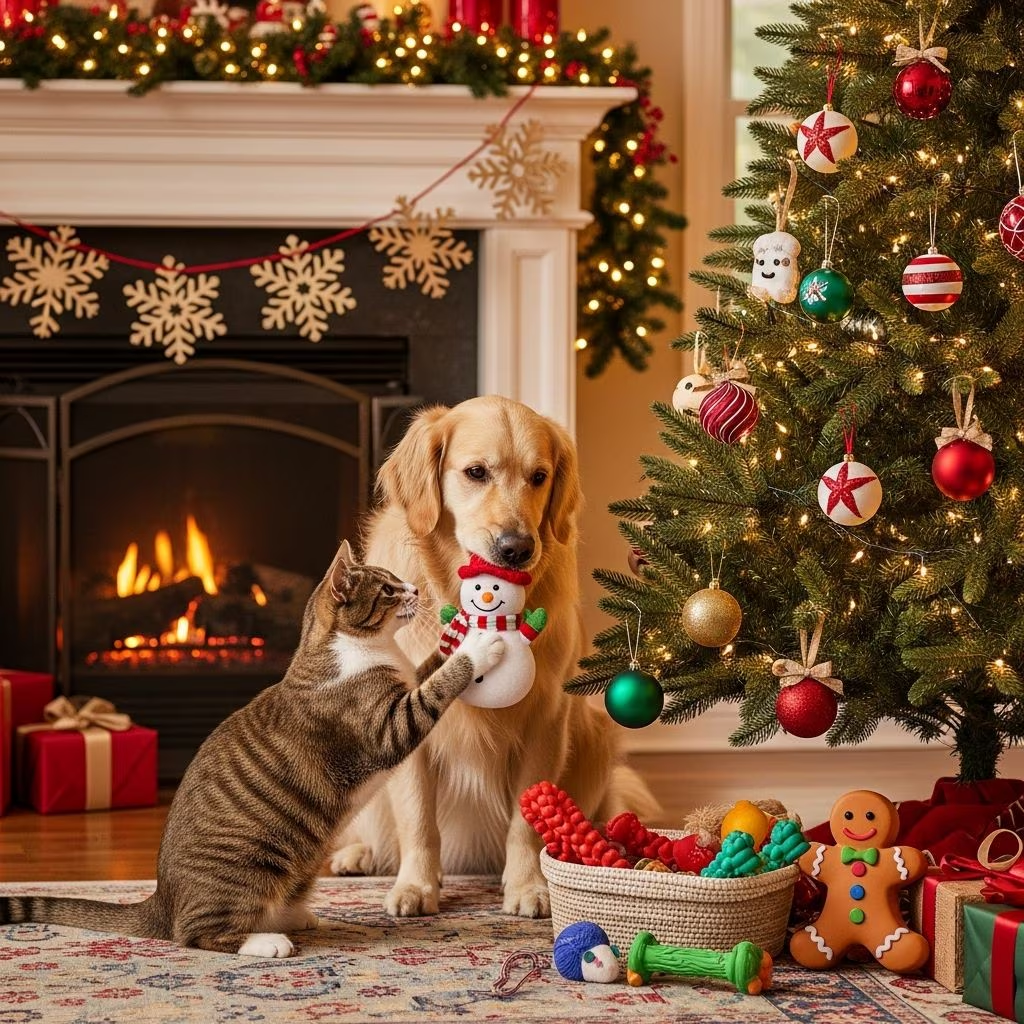
6 Holiday Pet-Safety Tips for Pet Parents
The holiday season brings joy, festive decorations, and family gatherings—but it can also introduce unexpected hazards for your beloved pets. What seems like a delicious treat or harmless decoration can quickly become a dangerous situation for cats and dogs. Understanding these risks and taking preventative measures ensures your pets enjoy a safe and happy holiday season alongside your family.
Whether you’re hosting holiday parties, traveling with your pets, or simply decorating your home, being aware of common hazards is the first step toward keeping your four-legged friends protected. This comprehensive guide covers everything pet parents need to know to navigate the holiday season safely.
1. Keep These Dangerous Holiday Foods Away from Pets
The holiday season is filled with tempting foods, and it’s natural to want to share festive meals with your furry companions. However, many common holiday foods are toxic or dangerous for pets and can cause serious health issues. Well-meaning family members often sneak table scraps to pets, but pet parents must be vigilant about what foods are safe.
Chocolate remains one of the most dangerous foods for pets during the holidays. Even small amounts of chocolate can cause seizures or heart issues in dogs. Dark chocolate and baking chocolate are particularly hazardous and require immediate veterinary attention if ingested.
Other risky holiday foods that should be kept away from pets include:
– Macadamia nuts, which can cause weakness and neurological issues- Grapes and raisins, which can lead to kidney failure- Onions and garlic, which damage red blood cells- Xylitol (found in sugar-free products), which causes rapid insulin release- Fatty foods like gravy and buttery dishes, which can trigger pancreatitis- Alcohol and caffeinated beverages- Cooked bones, which can splinter and cause intestinal blockages- Turkey stuffing containing bread, butter, onions, and spices
Managing Guest Behavior: The biggest challenge during holiday gatherings is managing well-meaning guests who want to feed your pets. Set firm house rules: no feeding the pets, ever. However, provide your guests with an alternative. Create a small bowl of pet-safe treats so visitors can offer something without endangering your pet. Dogs often enjoy carrots, green beans, or plain cooked turkey, while cats may appreciate plain chicken or commercial cat treats.
Creating a Safe Feeding Zone: Keep pet food bowls in a separate area away from the dining space to prevent pets from accessing human food. Have fresh water available at all times, especially if your pet eats salty holiday foods.
2. Ditch These Hazardous Holiday Decorations and Plants
Christmas decorations create a festive atmosphere but present multiple dangers to curious pets. Both cats and dogs are attracted to shiny, moving, and dangling items, making pet-proofing your holiday décor essential.
Christmas Tree Ornaments
Christmas tree ornaments are among the most common decoration hazards for pets. Cats love to knock them off trees, and dogs will chew on them. Glass ornaments can shatter into sharp pieces, injuring your pet’s mouth or getting stuck in their paws. Ceramic ornaments can break into dangerous shards.
Safety measures include:
– Invest in shatterproof ornaments made of plastic, wood, or fabric- Place ornaments higher on the tree where pets cannot reach them- Pick up fallen ornaments immediately- Use plastic ornament hooks instead of wire ones- Consider keeping the tree in a room where pets have limited access
Electrical Cords and Lights
Holiday lights create ambiance but pose electrical hazards, especially for puppies and kittens who may be tempted to chew on cords. Chewing on electrical cords can cause electric shock, mouth burns, or even cardiac arrhythmias.
Cord safety tips:
– Tape cords securely to walls or furniture- Use cord covers or protective tubing- Keep cords off the floor and out of reach- Ensure all lights have proper insulation- Unplug lights when you’re away or sleeping
Tinsel and Ribbons
Tinsel and ribbons are extremely dangerous for cats, though dogs can also be attracted to them. When ingested, these items can cause intestinal obstruction, often requiring emergency surgery. Tinsel and small ornaments are among the biggest hazards because pets love to play with them and often swallow them, leading to costly veterinary treatments.
If you have curious kitties, it’s best to skip tinsel and ribbon decorations entirely. Consider alternative decorations like garland made from paper or wood that won’t cause blockages if ingested.
Open Flames
Candles and menorahs create fire dangers and burn risks. A simple swipe of a tail or brush against a candle can knock it over or cause burns to whiskers and noses. Instead, switch to flameless LED candles that provide the same ambiance without the fire hazard.
Dangerous Holiday Plants
Many popular holiday plants are toxic to pets. Mistletoe is one of the most dangerous plants for pets; if your dog or cat ingests any, head to an emergency vet immediately. Other hazardous plants include:
– Yew (found in wreaths) – life-threatening- Poinsettia – mildly toxic- Holly – can cause intestinal upset- Christmas cactus and Norfolk pine are safe alternatives
Keep your pets away from all plants, even those deemed safe, by investing in dog gates and distracting cats with cat grass.
3. Travel Safely With Your Pet
Holiday travel with pets requires careful planning and preparation to ensure their comfort and safety.
Car Travel Tips
When traveling by car with your dog:
– Get a crash-test-rated kennel and/or harness; SleepyPod® ClickIt is recommended- Dogs under 15 pounds should be in a carrier, while larger dogs should wear a seatbelt harness- Bring water and keep your pet hydrated throughout the drive- Stop in safe places for potty breaks; many rest stops have dog-friendly areas with waste bags- Feed smaller amounts of food the day of travel if your pet gets car sick- Maintain a comfortable temperature—avoid placing crates in direct sunlight- Ensure your dog wears an updated collar with contact information and is microchipped- Train your dog to relax in their crate beforehand by keeping the door open and furnishing it with blankets, treats, and toys- Talk to your veterinarian about anti-nausea or anti-anxiety medications if needed
Air Travel Considerations
For plane travel with your pet:
– Get your pet used to their crate beforehand to create positive associations- Pack for your pet, including food, medication, and medical records- Talk to your veterinarian about medications for nausea or anxiety- Have your pet wear up-to-date ID tags
New Environment Adjustment
Once you arrive at your destination, your pet may need time to adjust. Even house-trained dogs are more likely to have accidents in new places, as they may want to urinate to mark their territory. Keep a close eye during the first few days, show your dog around, take them outside more frequently than usual, and travel with puppy pads as backup. For cats, provide litter boxes in accessible locations and maintain their regular feeding schedule.
4. Create a Safe Space and Keep Pets Occupied
Holiday gatherings can be stressful for pets, especially those who are anxious or not accustomed to crowds. Start prepping their space a few days before your event to help them acclimate.
Setting Up a Calm Zone
Create a dedicated safe space away from guests where your pet can retreat. Include:
– A comfortable bed or crate- A few long-lasting chews or toys- Fresh water bowl- Litter box (for cats)- Their regular food
Cats especially benefit from having vertical perches or covered hideaways where they can observe without being touched. This allows them to feel secure while still being part of the gathering from a distance.
Keeping Pets Occupied
Enrichment activities help distract pets from stress and potential dangers:
– Puzzle feeders- Lick mats- Treat-stuffed toys- Long-lasting chews- Interactive toys
Calming Strategies
Additional calming measures include:
– Using pheromone products like Feliway® for cats and Adaptil® for dogs- Playing calming music designed for pets- Consulting your veterinarian about anti-anxiety medications if appropriate
5. Keep an Eye on Your Pet at All Times
Even with thorough pet-proofing, constant supervision is essential during the holiday season. Watch your pets when they’re in the house to ensure they’re not getting into anything dangerous. Pay special attention to escape routes, as pets can quickly slip out the door during the hustle and bustle of holiday gatherings.
Preventing Escapes
With people coming and going frequently:
– Put up signs to keep doors securely closed- Use dog gates as barriers- Remind guests to be careful about closing doors- Keep pets in secured areas when guests arrive or leave- Use a leash when greeting guests- Disconnect your doorbell temporarily and ask visitors to text when they arrive
Identification and Microchipping
Ensure your pets are properly identified:
– Make sure pets wear collars with up-to-date ID tags containing your current phone number and address- Have them microchipped with current information- If a pet gets out and is rescued, good Samaritans can contact you directly through the microchip registry- Download and keep an emergency veterinary contacts card handy in case of emergencies
6. Approach Holiday Pet-Proofing Like Toddler-Proofing
The key to holiday pet safety is treating your home like you would for a toddler. Keep anything breakable or string-like out of reach. This means:
– Removing or securing low-hanging decorations- Anchoring your Christmas tree so it won’t tip over- Keeping wrapped presents out of reach (wrapping materials and ribbons are hazards)- Securing gift bags and tissue paper- Storing holiday supplies safely
Frequently Asked Questions
Q: What should I do if my pet ingests something toxic during the holidays?
A: Contact your veterinarian or an emergency animal poison control center immediately. Have the name of the substance and the amount ingested ready. Keep emergency contact numbers easily accessible.
Q: Are all Christmas plants dangerous for pets?
A: No, some holiday plants are safe for pets, including Christmas cactus and Norfolk pine. However, mistletoe, yew, and poinsettias pose risks. When in doubt, keep all plants away from pets.
Q: How can I include my pet in holiday celebrations safely?
A: Create a pet-safe treat bowl for guests to use, set clear feeding rules, provide a comfortable observation area, and ensure your pet has enrichment toys and activities to stay engaged and calm.
Q: What’s the best way to travel with my cat during the holidays?
A: Transport your cat in a secure carrier, bring their litter box, pack familiar food and medications, and allow time for them to acclimate to new environments. Talk to your vet about anti-anxiety medications if needed.
Q: Should I be concerned about holiday stress affecting my pet’s health?
A: Yes, holiday stress can cause behavioral changes and health issues. Provide a calm space, maintain regular routines as much as possible, and consult your vet if you notice anxiety or other concerns.
Final Thoughts on Holiday Pet Safety
The holidays can be fun and joyous for both you and your pets, but they’re also prime time for mischievous pets to get into things they shouldn’t. By following these holiday safety tips, you can protect your cherished companions and ensure they remain safe through the rest of the winter season. Plan ahead, communicate with guests, and maintain your pet’s regular routines as much as possible. With proper precautions, your pets can enjoy the holiday festivities right alongside your family while staying healthy and secure.
References
- A Vet’s Guide to Navigating Winter Holiday Hazards for Pets — Los Angeles Times. 2024. https://www.latimes.com/companion-animals/advice/care/story/holiday-pet-safety-guide
- 6 Holiday Pet-Safety Tips for Pet Parents — Chewy. 2024. https://www.chewy.com/education/dog/general/holiday-pet-safety-pet-friendly-holiday-decorations
- Your Guide to Traveling With a Dog Over the Holidays — Chewy. 2024. https://www.chewy.com/education/dog/pet-parenting/stress-free-tips-traveling-dog-holiday-season
- 8 Pet-Safe Holiday Plants—and 10 Common Ones To Avoid — Chewy. 2024. https://www.chewy.com/education/dog/health-and-wellness/pet-safe-holiday-plants
- 17 Holiday Foods Not To Feed Dogs — Chewy. 2024. https://www.chewy.com/education/dog/food-and-nutrition/holiday-foods-not-to-feed-dogs
- Dog Etiquette Tips for the Holiday Season — Chewy. 2024. https://www.chewy.com/education/dog/training-and-behavior/dog-etiquette-tips-for-the-holiday-season



