

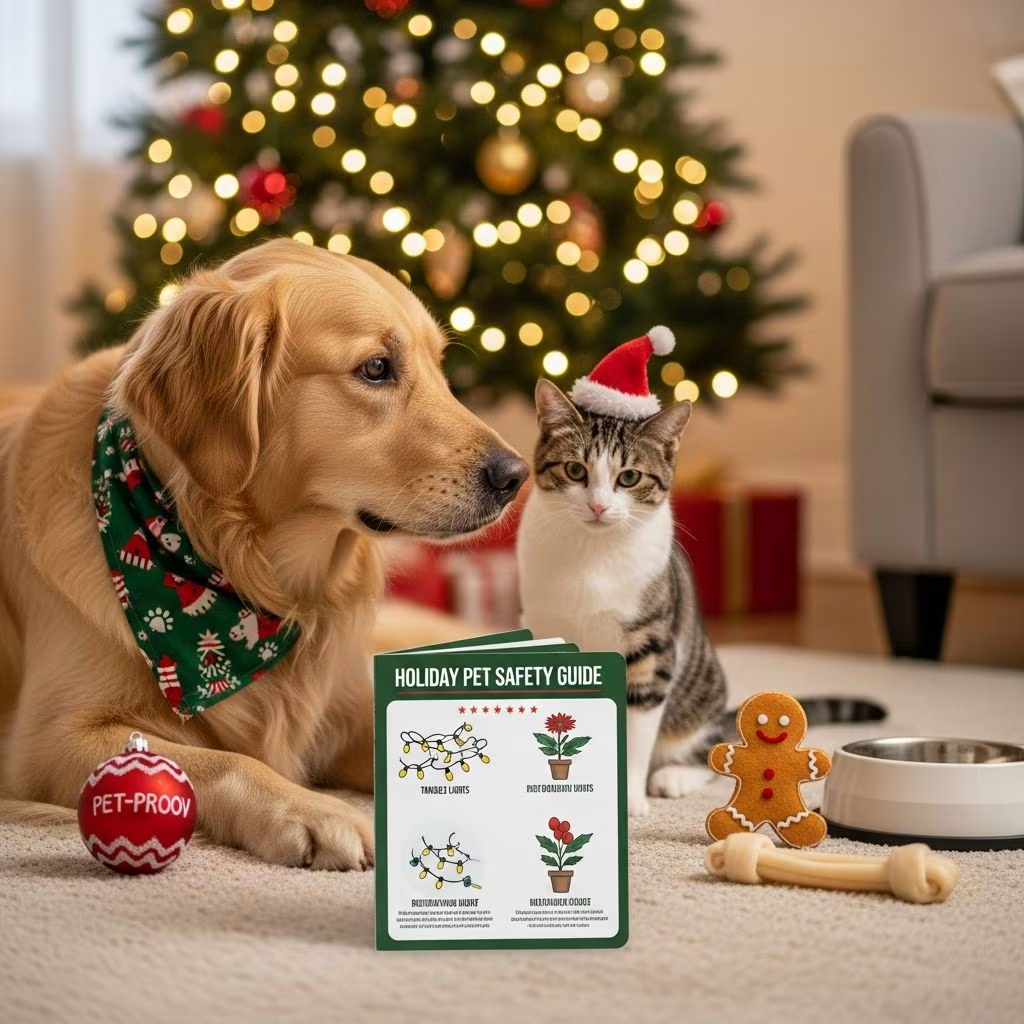
Seasonal celebrations fill homes with joy, lights, and gatherings, but they also introduce hidden risks for pets. From tempting treats to glittering decorations, everyday festivities can turn hazardous without proper precautions. This guide draws on veterinary expertise to help pet owners navigate these challenges, ensuring animals remain safe and stress-free throughout the year.
Understanding Seasonal Risks for Companion Animals
Holidays disrupt normal routines with visitors, noise, and novel items that spark curiosity in dogs, cats, and other pets. Increased activity levels mean more chances for accidents, such as ingestions or escapes. Statistics from animal welfare organizations show spikes in shelter intakes post-holidays, often due to fright-induced runaways or neglect of impulse adoptions.
Pets’ natural instincts drive them to investigate shiny objects, rich foods, and unfamiliar scents, amplifying dangers. Proactive planning minimizes these issues, allowing families to focus on merriment rather than emergencies.
Smart Gifting: Alternatives to Live Animals
While a fluffy bunny or chirping chick seems like a perfect surprise, these choices often lead to tragedy. Young animals require precise care—special diets, stable warmth, and gentle handling—which chaotic holiday environments rarely provide. Many such gifts succumb quickly or end up surrendered to overcrowded shelters.
- Health vulnerabilities: Fragile bones break easily under excited children’s play, and improper feeding causes fatal digestive issues.
- Disease risks: Chicks and ducks carry salmonella, posing severe threats especially to kids and immunocompromised individuals.
- Long-term mismatch: These species thrive in specific setups, not typical homes, leading to abandonment.
Instead, curate thoughtful adoption packages. Include essentials like collars, toys, beds, and shelter gift cards. This promotes responsible ownership, directing families to mature, shelter-residing pets ready for commitment. Millions await homes annually—such gifts save lives without impulse regrets.
Navigating Food Temptations at Festive Gatherings
Holiday tables overflow with delights lethal to pets. Common culprits include chocolate (theobromine poisoning causes seizures), grapes/raisins (kidney failure), xylitol-sweetened candies (hypoglycemia and liver damage), alcohol (depression and coma), onions/garlic (anemia), and certain nuts like macadamias (neurological symptoms).
| Toxic Food | Effects on Pets | Prevention Tip |
|---|---|---|
| Chocolate | Heart issues, tremors | Store in sealed containers |
| Grapes/Raisins | Kidney damage | No table scraps |
| Xylitol | Blood sugar crash | Check gum/candy labels |
| Onions/Garlic | Blood cell destruction | Elevate dishes |
Instruct guests firmly: no sharing from plates. Designate pet-free zones during meals and clean spills promptly. Opt for pet-approved treats to satisfy begging without harm.
Securing Homes Against Decorative Dangers
Twinkling lights, dangling icicles, and fragrant trees captivate pets but invite disaster. Cats bat at tinsel, risking intestinal blockages requiring surgery; dogs chew cords, suffering burns or electrocution.
- Tree stability: Bolt bases firmly; position away from traffic to thwart topples from playful leaps or tail wags.
- Ornament safety: Reserve shatterable glass for high branches; shards cause lacerations or obstructions.
- Linear hazards: Skip ingestible strands like garlands—replace with non-toxic garlands or elevate them.
- < electrical vigilance: Unplug when unattended; use cord protectors to prevent gnawing.
For plants, avoid poinsettias (irritants causing vomiting), mistletoe (cardiac toxins), and holly (gastrointestinal punctures). Choose artificial or pet-resistant varieties, placed atop high surfaces.
Protecting Pets from Winter Weather Extremes
Colder months demand vigilance against hypothermia. Short-haired breeds, puppies, seniors, and those with health conditions suffer fastest in freezes. Limit outdoor time to necessary bathroom breaks, providing insulated coats and booties for walks.
Indoors, offer draft-free bedding and monitor for chill signs like shivering or lethargy. Never leave pets in cars—temperatures plummet rapidly. Tree stand water, often treated with preservatives, attracts drinkers; cover bases or use pet grills.
Managing Fire and Flame Hazards
Candles flicker invitingly, but a swatting paw ignites fur or curtains. Fireplaces and heaters pose burns or smoke inhalation risks. Switch to LED flameless options and screens for hearths. Supervise constantly, never leaving pets unsupervised near heat sources.
Fireworks and Noise: Calming Frightened Pets
Explosive displays terrify noise-sensitive animals, prompting escapes. July 5th sees shelter rushes from prior night’s bolters. Prepare with:
- ID updates: Current tags with phone/microchip data.
- Behavior training: Consult experts for desensitization using rewards.
- Secure spaces: Crate in quiet rooms with comfort items during events.
Post-event, scan neighborhoods and shelters swiftly.
Costume Fun Without the Fright
Dressing pets amuses, but prioritize comfort. Ensure free movement—no trailing hems causing trips. Avoid neck ties; use decorative collars. Test wear: resistance signals ‘no.’
Preventing Escapes During High-Traffic Times
Door dashes surge with guests and trick-or-treaters. Microchip all pets, refresh licenses. Confine to safe rooms during influxes; brief visitors on protocols like no feeding or door vigilance.
Stress Reduction Strategies for Pets
Overstimulation fatigues animals. Maintain routines—feed/play/sleep schedules. Create retreats with familiar blankets. Pheromone diffusers or calming chews aid anxious pets. Professional behaviorists address phobias long-term.
FAQs: Common Holiday Pet Concerns
Is poinsettia truly toxic to pets?
Mildly—causes drooling or upset stomach if ingested, but rarely severe. Still, relocate out of reach.
Can pets have turkey at Thanksgiving?
Plain, boneless, unseasoned bits in moderation yes; avoid skin, bones, onions.
How to help a fireworks-phobic dog?
White noise, close curtains, treats for calm behavior; vet-prescribed anxiety aids if needed.
Should I adopt during holidays?
Delay—postpone for stable intros. Gift adoption promises instead.
What if my pet eats something toxic?
Contact vet/poison hotline immediately (e.g., ASPCA at 888-426-4435); don’t induce vomiting sans guidance.
Year-Round Lessons from Holiday Prep
These tips extend beyond seasons: routine ID checks, toxic awareness, and stress management build resilient pets. Partner with shelters for education and adoptions, fostering welfare communities.
References
- Public Education: Holiday Issues — American Humane. 2023. https://www.americanhumane.org/public-education/holiday-issues/
- American Humane Society Shares Lifesaving Holiday Pet Safety Tips — Independent.com. 2025-12-23. https://www.independent.com/2025/12/23/american-humane-society-shares-lifesaving-holiday-pet-safety-tips/
- Holidays can pose risks for pets — KHQA. 2025. https://khqa.com/news/local/holidays-can-pose-risks-for-pets-heres-how-to-keep-your-furry-loved-one-safe-christmas-winter-season-food-decorations-plants-christmas-tree-cold-freezing-temp-candles-fireplaces-accidental-escapes-dogs-cats-dog-cat-puppy-puppies-kitten-kittens
- Pet Safe Holiday Decorations — American Humane. 2023. https://www.americanhumane.org/public-education/pet-safe-holiday-decorations/
- American Humane Fall 2025 Newsletter — American Humane. 2025. https://www.americanhumane.org/publication/fall-2025-newsletter/



