
Holiday Pet Safety Guide
Essential strategies to shield cats and dogs from Thanksgiving risks, ensuring a joyful celebration for all.
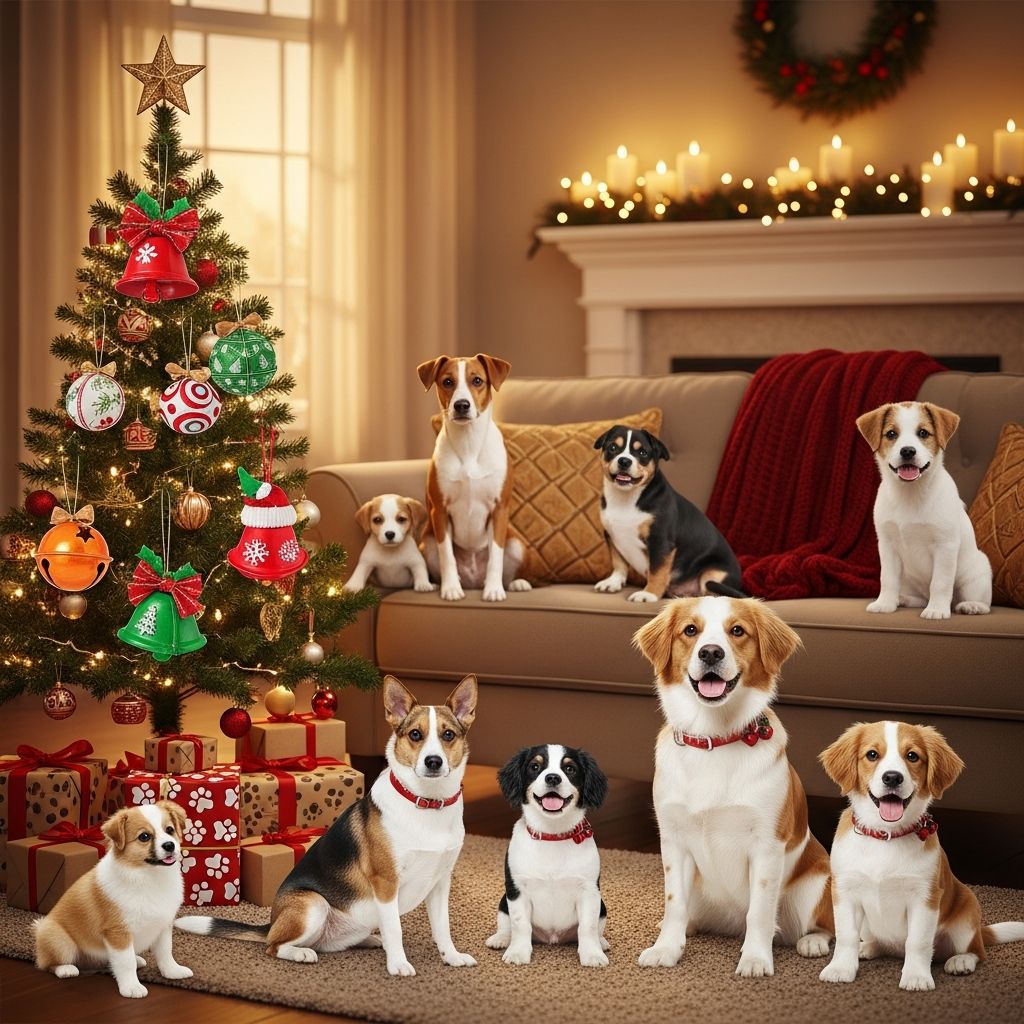
Thanksgiving gatherings bring joy, delicious meals, and family bonding, but they also introduce unique hazards for cats and dogs. From tempting table scraps to chaotic visitor traffic, pets face risks of toxicity, injury, and stress. This guide draws on veterinary expertise to outline proactive measures, helping pet owners create a secure environment while savoring the festivities.
Navigating Food Temptations
The aroma of roasted turkey and savory sides can overwhelm pets’ senses, leading to begging or counter-surfing. Many holiday staples contain ingredients harmful to animals, causing anything from mild upset to life-threatening conditions like pancreatitis or organ failure.
- Toxic Ingredients to Avoid: Onions, garlic, leeks, and chives damage red blood cells in dogs and cats, leading to anemia. These are common in stuffing, gravy, and casseroles.
- Fatty Foods: Turkey skin, gravy, and butter-laden dishes trigger pancreatitis, an inflammation of the pancreas marked by vomiting, lethargy, and severe pain.
- Bones and Choking Hazards: Cooked poultry bones splinter easily, risking perforations in the digestive tract or blockages.
- Sweet Dangers: Chocolate, grapes, raisins, and xylitol in sugar-free desserts cause kidney failure, seizures, or rapid blood sugar drops in dogs.
- Alcohol and Yeast: Beverages intoxicate pets quickly, while rising dough expands in the stomach, potentially causing bloat or rupture.
To counter these threats, elevate food preparation to counters out of reach and use lidded trash bins. If sharing is inevitable, opt for small amounts of plain, skinless turkey, green beans, or sweet potatoes mixed into their regular meal—ensuring everything is fully cooked and boneless.
Creating a Stress-Free Zone
Increased noise, unfamiliar faces, and disrupted routines heighten anxiety in pets, manifesting as hiding, barking, or aggression. Veterinary professionals recommend preparing a dedicated retreat space stocked with familiar bedding, toys, and water.
| Pet Type | Stress Signs | Calming Strategies |
|---|---|---|
| Dogs | Pacing, whining, jumping | Pre-guest walks to expend energy; leash management at doors |
| Cats | Hiding, hissing, swatting | Isolated room with litter box; pheromone diffusers |
Inform guests about boundaries: no feeding scraps, gentle approaches only, and respect for pets’ space. Maintaining feeding and potty schedules anchors their sense of normalcy amid the bustle.
Preventing Escapes and Losses
Open doors during arrivals and departures pose a prime escape risk, especially for curious cats or excited dogs. Secure pets in crates or behind baby gates near entryways, and update microchips with current contact info.
- Attach ID tags to collars.
- Supervise all traffic flow.
- For travelers, use crash-tested harnesses or carriers.
These steps minimize the chance of pets bolting into traffic or getting lost in unfamiliar areas.
Decor and Plant Hazards
Festive accents like lilies, chrysanthemums, pinecones, and corn husks allure pets but deliver toxicity or injury. Lilies are particularly deadly to cats, causing kidney failure even from pollen grooming.
Relocate plants to high shelves, discard natural chewables promptly, and sweep up fallen needles or nuts. Tinsel and ribbons, if ingested, form intestinal obstructions requiring surgery.
Recognizing and Responding to Emergencies
Act swiftly if poisoning is suspected—symptoms include vomiting, diarrhea, tremors, lethargy, or abnormal thirst. Contact a vet or poison hotline immediately; do not induce vomiting without guidance, as it can worsen certain toxics.
Keep these numbers handy:
- ASPCA Animal Poison Control: (888) 426-4435
- Pet Poison Helpline: (855) 764-7661
Travel Considerations for Holiday Trips
Road trips amplify risks—never leave pets unattended in vehicles due to heat or theft. Secure them properly and pack essentials: food, meds, records, and waste bags.
For air travel, confirm airline pet policies well in advance.
Post-Meal Monitoring
Even careful owners may miss a sneaky lick. Watch for distress up to 72 hours post-exposure, as some toxins like grapes delay effects. Hydration and bland diets aid recovery from minor indiscretions.
FAQs
Can dogs eat turkey on Thanksgiving?
Plain, boneless, skinless turkey in moderation is safe, but avoid seasoned or fatty portions to prevent digestive issues.
What if my cat eats chocolate?
Seek emergency care promptly, as it can lead to heart problems and seizures.
How do I calm an anxious dog during gatherings?
Provide a quiet space, exercise beforehand, and use calming aids like treats or music.
Are holiday plants safe around pets?
No—many like lilies are toxic; keep them inaccessible.
Should I change my pet’s diet for the holiday?
Stick to routine; special treats should be vet-approved and minimal.
Long-Term Holiday Preparedness
Beyond Thanksgiving, apply these principles to all gatherings. Annual vet checkups, obedience training, and emergency kits fortify resilience. Engaged ownership turns potential crises into seamless celebrations.
(Word count: 1678)
References
- Thanksgiving Pet Safety Tips — Zoetis Petcare. 2023. https://www.zoetispetcare.com/blog/article/thanksgiving-pet-safety
- Thanksgiving Pet Safety Tips To Keep Your Pets Happy & Healthy — Texas A&M College of Veterinary Medicine & Biomedical Sciences. 2023-11-20. https://vetmed.tamu.edu/news/pet-talk/thanksgiving-pet-safety-2/
- Thanksgiving Safety Tips for Pets — Humane Society of Missouri. 2023. https://hsmo.org/thanksgiving-safety-tips-for-pets/
- Thanksgiving Pet Safety Tips — San Francisco SPCA. 2023. https://www.sfspca.org/blog/thanksgiving-safety-tips-for-cats-and-dogs/
- Thanksgiving Safety Tips for You and Your Pets — Friendship Hospital for Animals. 2023. https://www.friendshiphospital.com/friendship-news/thanksgiving-safety-tips-for-you-and-your-pets/
- Thanksgiving Safety Tips — ASPCA. 2023. https://www.aspca.org/pet-care/general-pet-care/thanksgiving-safety-tips
Similar Articles








Read full bio of medha deb


