

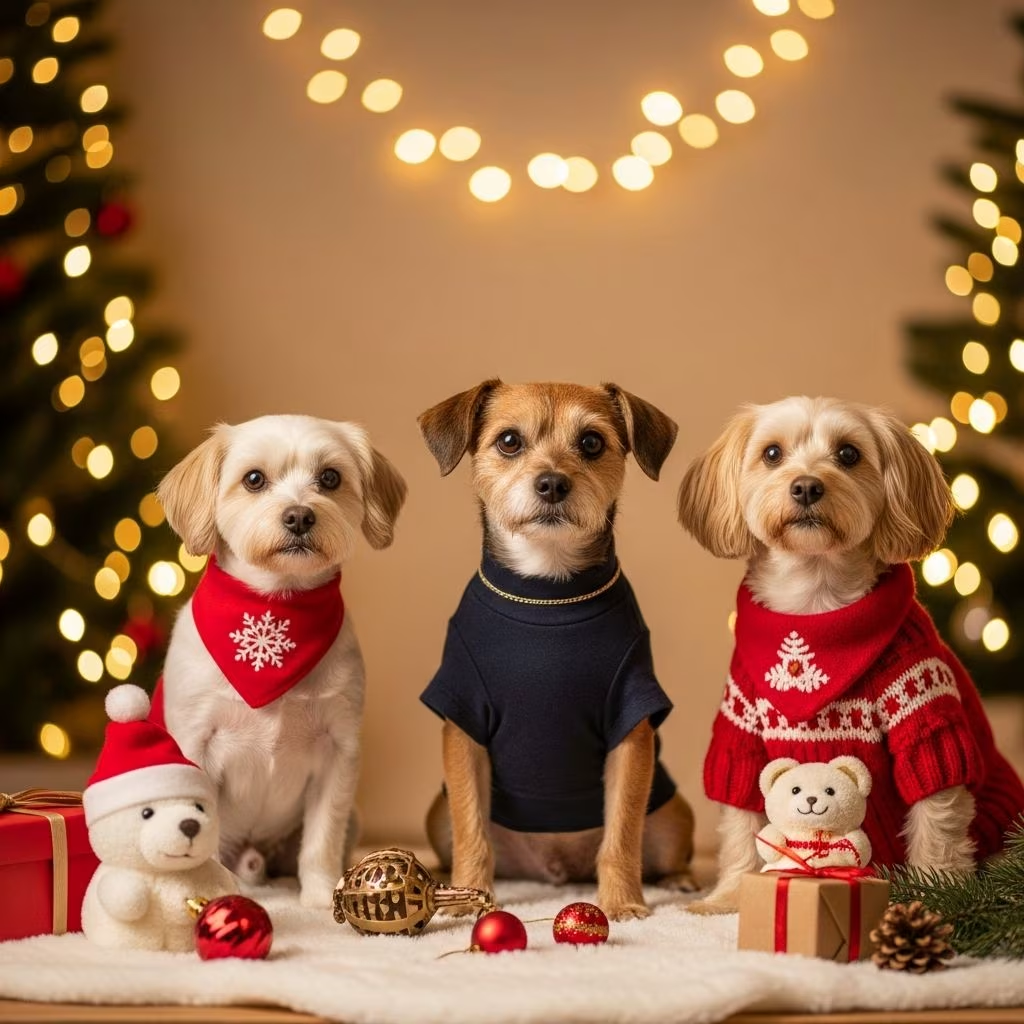
The holiday season brings joy, gatherings, and decorations that transform homes into festive wonderlands. However, these changes introduce unique risks for pets, from toxic ingestions to injuries from curiosities. This guide provides comprehensive strategies to protect dogs, cats, and other pets, drawing on veterinary recommendations to maintain safety without sacrificing celebration.
Understanding Seasonal Risks for Pets
Pets explore their world through sight, smell, and taste, making holiday setups particularly tempting. Live trees release bacteria-laden water that causes gastrointestinal upset if consumed. Fragile ornaments can shatter, leading to cuts in mouths or paws. Electrical cords pose electrocution threats, while rich human foods trigger pancreatitis or poisoning. Statistics from veterinary sources indicate a spike in holiday-related pet emergencies, emphasizing proactive measures.
Stress from visitors and noise disrupts routines, potentially causing anxiety or escape attempts. Senior pets face exacerbated joint issues in cooler weather, requiring extra warmth. By anticipating these dangers, pet owners can focus on creating memories rather than managing mishaps.
Securing Festive Decorations
Decorations like tinsel, ribbons, and ornaments captivate pets but can cause blockages or lacerations if swallowed. Opt for pet-resistant alternatives:
- Choose shatterproof ornaments placed high on trees, tightening hooks to prevent drops.
- Avoid linear items such as tinsel or string, which tangle intestines—a common veterinary emergency.
- Anchoring trees to walls or ceilings prevents toppling from playful leaps.
For tree stands, cover water reservoirs to block access. Effective methods include tree skirts, fitted plastic collars, or aluminum foil wraps, deterring drinking of potentially toxic fluid. Supervise pets near displays and remove enticing lower-branch items that mimic toys from a pet’s perspective.
Electrical and Lighting Precautions
String lights and extension cords litter floors, inviting chews that result in shocks, burns, or fires. Veterinary associations warn of frequent cord-biting incidents during holidays. Implement these safeguards:
| Hazard | Solution | Benefit |
|---|---|---|
| Exposed cords | Cord covers, tape to baseboards, or reroute along walls | Prevents chewing and tripping |
| Overloaded outlets | Professional electrical inspection | Avoids circuit overloads |
| Unattended lights | Unplug when leaving rooms | Eliminates burn and fire risks |
Never leave pets unsupervised near illuminated setups. Battery casings, if punctured, release corrosive chemicals causing esophageal damage.
No-Go Plants and Greenery
Traditional holiday flora like poinsettias, holly, mistletoe, and lilies contain irritants or toxins inducing vomiting, diarrhea, or organ failure. The ASPCA lists these as high-risk for ingestion. Safer choices:
- Artificial plants mimicking real ones without sap or berries.
- Elevate displays beyond jumping reach.
- Pine needles from fallen trees irritate digestive tracts—sweep promptly.
For outdoor greenery, use pet-safe de-icers and wipe paws after walks to remove residues.
Navigating Food Temptations
Holiday feasts overflow with pet-prohibited items: chocolate causes seizures, grapes/raisins lead to kidney failure, onions damage red blood cells, and fatty scraps provoke pancreatitis. Fatty bones splinter, risking perforations. Prevention tactics:
- Store treats in pet-proof containers; dispose of trash securely.
- Designate a guest-free feeding zone for pets.
- Offer pet-safe alternatives like plain cooked meats or vet-approved chews.
When traveling, pack familiar foods to avoid scavenging. Alcohol-laced punches or medications left out amplify risks—keep secured.
Guest Management and Stress Reduction
Increased foot traffic stresses pets, prompting hiding, barking, or bolting. Monitor doors closely during arrivals/departures. Create sanctuaries:
- Quiet rooms with beds, toys, water, and pheromone diffusers for calming.
- Soft music or white noise masks party clamor.
- Exercise pets beforehand to expend energy.
Inform guests of rules: no feeding, gentle interactions only. Ensure ID tags and microchips are current for escape prevention.
Fire and Heating Safety Measures
Open flames from candles or fireplaces draw curious noses, risking burns or infernos. Extinguish unattended sources; use flameless LED variants. For fireplaces:
- Install screens blocking access.
- Schedule chimney inspections for ventilation.
Space heaters require tipping safeguards; maintain clearance. Deep-clean carpets to reduce allergens from pine, dust, and candles, deploying HEPA filters.
Special Considerations for Vulnerable Pets
Puppies, kittens, seniors, or those with health issues need tailored protections. Provide orthopedic bedding for cold-aggravated joints. Monitor for fireworks-induced panic with thunder shirts or vet-prescribed aids. Year-round pet-proofing like anchoring furniture extends benefits.
Post-Holiday Cleanup and Recovery
After festivities, unplug all decor, vacuum needles/broken bits, and refresh litter/bedding. Watch for delayed symptoms like lethargy from toxins—contact vets promptly. Annual checkups incorporate holiday prep discussions.
Frequently Asked Questions
Is real Christmas tree water harmful to pets?
Yes, it harbors bacteria and preservatives causing stomach issues. Always cover stands.
What if my pet chews a light cord?
Seek immediate veterinary care for burns or shocks; unplug and monitor.
Are poinsettias really toxic?
Mildly so, causing irritation; better to avoid or use fakes.
How to calm a stressed holiday pet?
Safe spaces, exercise, and pheromone products help.
Should I microchip before holidays?
Absolutely—essential for lost pets amid chaos.
References
- Decorating for the Holidays: Pet-Proofing Your Home — East Sacramento Veterinary Center. Accessed 2026. https://www.eastsacvet.com/blog/decorating-for-the-holidays-pet-proofing-your-home/
- How to Childproof and Pet-Proof Your Home for the Holidays — Angi. Accessed 2026. https://www.angi.com/articles/childproof-and-pet-proof-your-home-for-the-holidays.htm
- Pet Safety: How to Keep Your Pet Safe During the Holiday Season — Urbana Veterinary Clinic. Accessed 2026. https://www.urbanavc.com/blog/pet-safety-how-to-keep-your-pet-safe-during-the-holiday-season
- Pet-Friendly Holiday Tips — Cherry Creek Veterinary Hospital. Accessed 2026. https://www.cherrycreekvet.com/blog/pet-friendly-holiday-tips/
- Winter Holiday Pet Safety — American Veterinary Medical Association (AVMA). Accessed 2026. https://www.avma.org/resources-tools/pet-owners/petcare/holiday-pet-safety
- Holiday Safety Tips — ASPCA. Accessed 2026. https://www.aspca.org/pet-care/general-pet-care/holiday-safety-tips
- The Ultimate Holiday Survival Guide for Pet Owners — Valet Vet. Accessed 2026. https://www.valetvet.com/single-post/the-ultimate-holiday-survival-guide-for-pet-owners-to-keep-their-furry-friends-safe



