

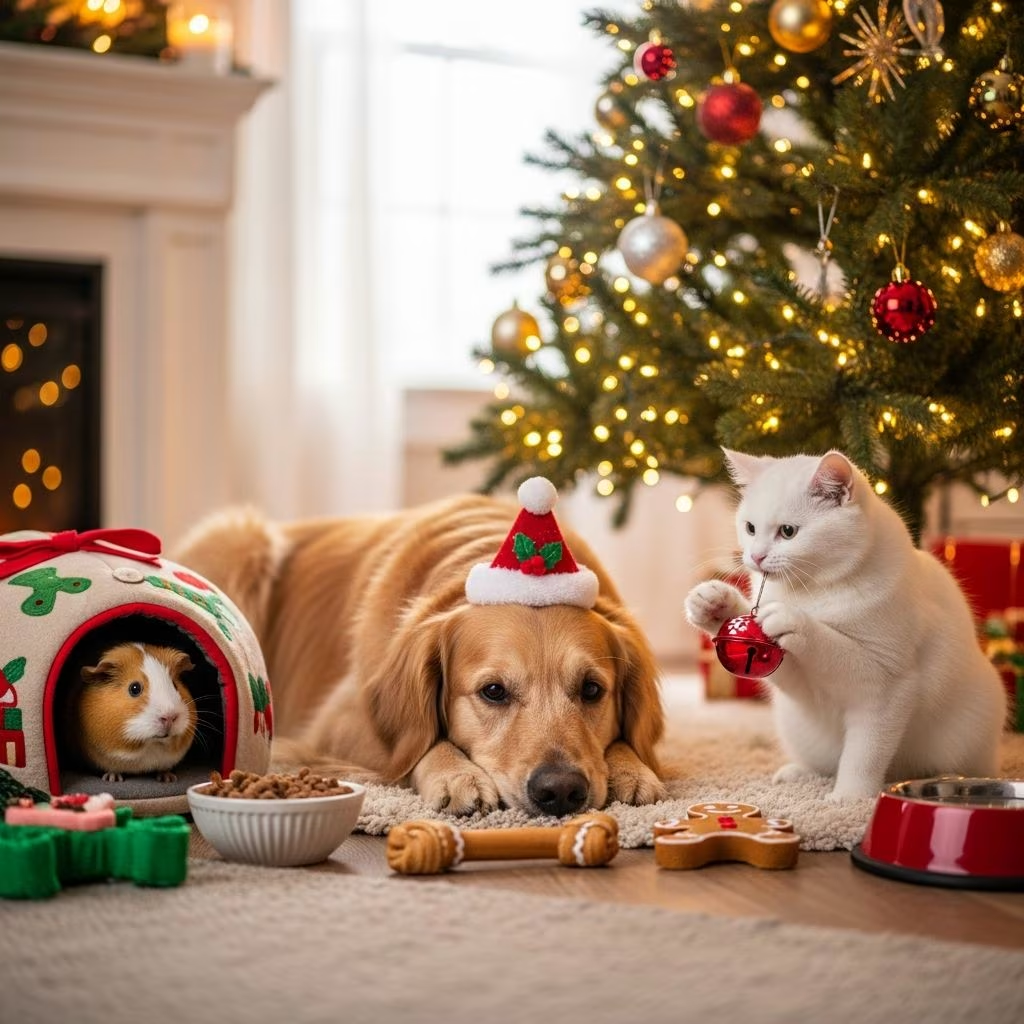
Bringing cheer into your home during the holidays often means decorations, gatherings, and special treats, but these can pose serious risks to pets. Dogs and cats may encounter toxic substances, injuries from ornaments, or overwhelming stress from noise and visitors. This guide outlines proactive measures to protect your furry companions, drawing from veterinary recommendations to minimize accidents and health issues.
Navigating Festive Feasts Without Toxicity
Holiday meals feature rich foods that tempt pets but can lead to severe illness. Common table scraps like fatty meats, bones, and desserts contain ingredients harmful to animals. For instance, grapes, onions, and chocolate trigger vomiting, diarrhea, or organ failure in dogs and cats.
- Chocolate and Caffeine: These stimulants cause rapid heart rates, tremors, and seizures. Keep all cocoa products secured.
- Xylitol in Candies: This sugar substitute, found in gums and baked goods, leads to life-threatening hypoglycemia.
- Bones and Fatty Foods: Cooked bones splinter, risking intestinal punctures, while excess fat provokes pancreatitis.
- Alcohol: Even small amounts depress the nervous system, causing coma or death.
To manage this, feed pets their regular meals before guests arrive, store leftovers in sealed containers, and use baby gates to block kitchen access. Offer pet-specific treats to redirect begging. According to the ASPCA, awareness of these toxins prevents thousands of emergency visits annually.
Securing Your Home Against Decorative Dangers
Twinkling lights, shimmering garlands, and towering trees captivate pets but invite mishaps. Electrical cords deliver shocks, while ingested tinsel forms blockages. Secure trees with anchors or fishing line to prevent toppling, and position fragile items high up.
| Hazard | Risk to Pets | Prevention Strategy |
|---|---|---|
| Electrical Wires | Electrocution, burns | Tape down or use cord covers; elevate out of reach |
| Tinsel/Ribbons | Intestinal obstruction | Opt for pet-safe alternatives; dispose promptly |
| Tree Needles/Water | Puncture, bacterial infection | Cover stand; use artificial trees without flocking |
| Glass Ornaments | Cuts, ingestion injuries | Choose shatterproof; hang above pet level |
Plants like poinsettias and mistletoe irritate mouths and stomachs if nibbled; place them inaccessible. Batteries from toys leak corrosive chemicals, so store them away. Best Friends Animal Society emphasizes anchoring decor to avert falls.
Protecting Pets During Family Gatherings
Visitors bring excitement but also chaos: open doors lead to escapes, dropped food fuels begging, and noise heightens anxiety. Prepare by updating microchips and ID tags, then confine pets to a calm area with bedding, toys, and water.
- Brief guests on door vigilance to stop darting.
- Provide distractions like puzzle feeders or frozen treats.
- Watch for stress signs: pacing, whining, or hiding.
For shy or reactive pets, limit interactions. Inform attendees of allergies or fears in advance. This setup reduces injuries and returns lost pets swiftly.
Travel Precautions for On-the-Go Pets
Deciding whether to bring pets on trips requires weighing stress against boarding. Cats often fare better at home with trusted sitters, while dogs may adapt to cars if conditioned.
- Pre-Trip Check: Verify vaccinations, secure carriers, and pack familiar items.
- Vehicle Safety: Use harnesses or crates; never leave pets alone in cars.
- Destination Prep: Research pet-friendly hotels and local vets.
- Alternatives: Choose reputable kennels with health protocols.
Always carry records and medications. Humane World advises collars with current contacts alongside microchips.
Countering Noise and Fire Risks
Fireworks, music, and crackling fireplaces terrify pets, prompting panic flights or injuries. Create quiet zones with white noise machines or pheromone diffusers. Extinguish candles promptly—flameless options are ideal—and screen fireplaces.
- Exercise pets pre-event to expend energy.
- Consult vets for anxiety aids like supplements.
- Supervise near heaters to avoid burns.
During displays, close curtains and comfort without over-reinforcing fear.
Cold Weather and Senior Pet Care
Chilly nights exacerbate arthritis in older pets. Provide orthopedic beds, heated mats (supervised), and sweaters for outings. Wipe paws post-walk to remove salts, which irritate skin and cause poisoning if licked.
Monitor for hypothermia signs: shivering, lethargy. Indoor breeds need extra warmth without overheating.
Frequently Asked Questions
Are artificial trees safer than real ones?
Yes, they avoid needle ingestion and toxic water, but select non-toxic, unflocked models and secure firmly.
What if my pet eats something toxic?
Contact a vet or poison hotline immediately; do not induce vomiting without guidance.
How can I calm a fireworks-fearful pet?
Offer a safe space, play soothing sounds, and consider vet-recommended calmers.
Should I travel with my pet over holidays?
Only if they’re accustomed; otherwise, professional care at home is preferable.
Are holiday plants dangerous?
Many are—lilies fatal to cats, holly berries cause vomiting. Keep elevated or avoid.
Year-Round Habits for Holiday Readiness
Build resilience with routine training: door manners prevent escapes, desensitization eases noises. Regular vet visits catch issues early. Adopting from shelters adds joy safely—many are prepped for homes.
By anticipating risks, holidays become shared delights. Vigilance ensures pets thrive amid festivities.
References
- Holiday Pet Safety Guide — The Bond Between. 2023. https://www.thebondbetween.org/post/holiday-pet-safety-guide
- Holiday Hazards 101: Best Friends Animal Society’s Guide — Best Friends Animal Society. 2024. https://bestfriends.org/who-we-are/media/holiday-hazards-101-best-friends-animal-societys-guide-protecting-pets-season
- Holiday Safety Tips for Pets — Humane World for Animals. 2024. https://www.humaneworld.org/en/resources/holiday-safety-tips-pets
- The Ultimate Holiday Survival Guide for Pet Owners — Valet Vet. 2023. https://www.valetvet.com/single-post/the-ultimate-holiday-survival-guide-for-pet-owners-to-keep-their-furry-friends-safe
- Holiday Safety Tips — ASPCA. 2024-01-15. https://www.aspca.org/pet-care/general-pet-care/holiday-safety-tips



