

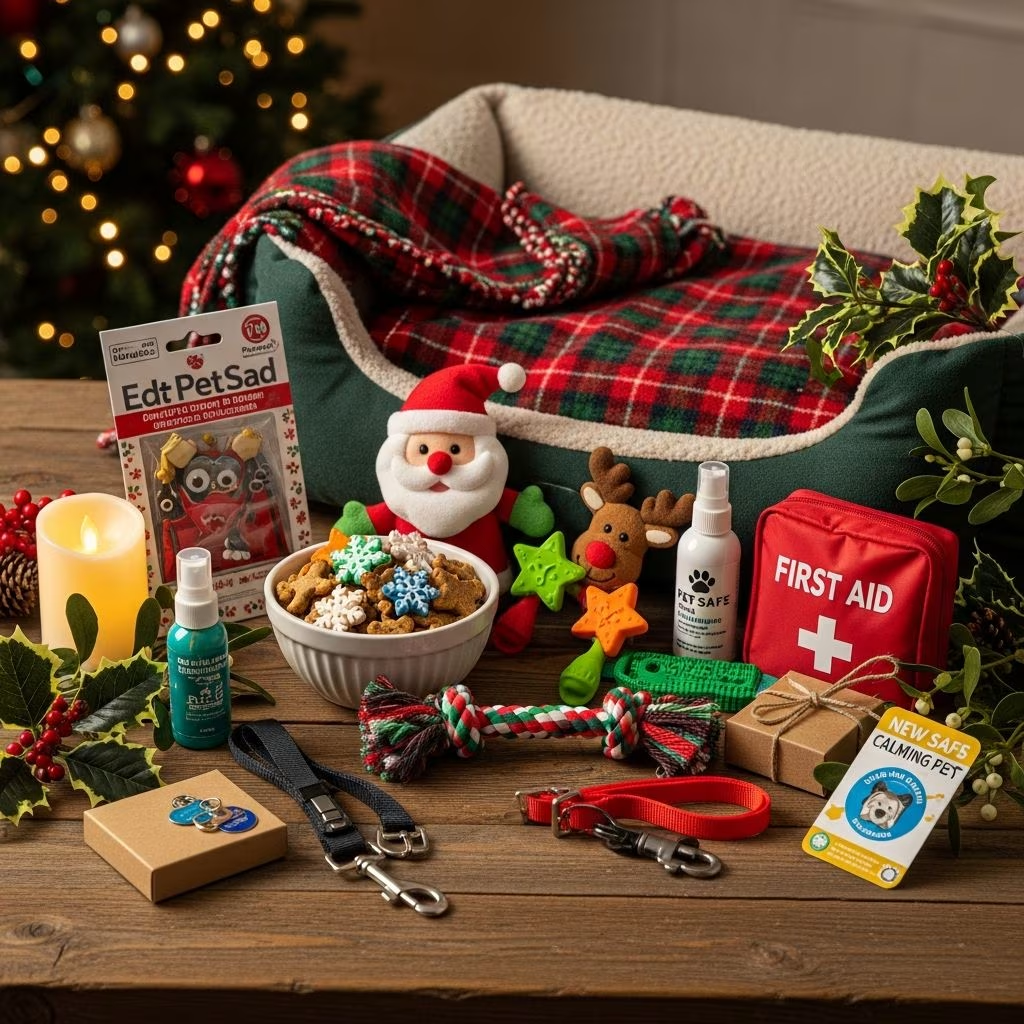
Holidays bring excitement, gatherings, and decorations, but they also introduce risks for pets like dogs and cats. Common dangers include toxic substances, chewable wires, and overwhelming noises that can lead to injuries or escapes. By implementing proactive measures, pet owners can minimize these threats and ensure their animals remain healthy and happy throughout the festivities.
Navigating Toxic Foods and Treats
One of the biggest holiday pitfalls for pets is access to human foods. Many traditional dishes contain ingredients harmful to animals. For instance, chocolate, grapes, raisins, onions, garlic, and alcohol can cause severe poisoning, ranging from vomiting to organ failure. Cooked bones from turkey or ham splinter easily, potentially puncturing the digestive tract.
- Store all holiday treats, candies, and leftovers in pet-proof containers or high shelves immediately after meals.
- Feed pets their regular meals before guests arrive to curb begging behavior.
- Opt for vet-approved pet treats designed specifically for holiday indulgence, avoiding table scraps entirely.
According to veterinary guidelines, even small amounts of these toxins can be fatal, emphasizing the need for vigilance during meal prep and parties. Secure trash bins tightly, as curious pets often raid them for fatty scraps that lead to pancreatitis.
Securing Home Decorations and Trees
Festive setups like Christmas trees, lights, and ornaments create tempting playgrounds for pets. Pine needles from real trees can lodge in intestines, causing blockages or punctures. Tree stand water often harbors bacteria and chemicals that upset stomachs if lapped up by thirsty animals.
| Hazard | Risk to Pets | Prevention Strategy |
|---|---|---|
| Pine Needles & Branches | Intestinal puncture or obstruction | Use artificial trees; sweep fallen needles daily |
| Tree Water | Bacterial infection, vomiting | Cover stand with skirt or foil; refresh water frequently |
| Tinsel & Ribbons | Gastrointestinal blockage | Avoid entirely; choose non-linear garlands |
| Breakable Ornaments | Mouth cuts, poisoning from materials | Place high on tree; use shatterproof alternatives |
Electrical cords from lights pose electrocution risks if chewed. Bundle and tape cords out of reach, unplugging when unsupervised. Position trees in barricaded areas to prevent toppling, which could injure pets or cause fires.
Fire and Flame Precautions
Candles, menorahs, and fireplaces add warmth but amplify dangers. Pets may knock over flames, leading to burns or house fires. Opt for battery-operated LED candles that mimic real flames without the risk.
- Never leave lit candles unattended in rooms with pets.
- Keep fireplaces screened and teach pets to stay away using positive reinforcement.
- Position all open flames on high, stable surfaces away from edges.
These steps align with safety recommendations from animal welfare organizations, reducing fire incidents during peak holiday periods.
Managing Guests and Noise Overload
Increased foot traffic from visitors heightens escape risks, especially for dogs unaccustomed to crowds. Loud music, fireworks, or poppers terrify sensitive pets, prompting hiding or panic.
Create a “safe haven”—a quiet, comfortable room with familiar bedding, toys, and water, away from main areas. Inform guests about your pet’s presence, allergies, or fears in advance.
- Watch doors closely during arrivals and departures.
- Use baby gates or crates for containment without isolation stress.
- Play calming music or pheromone diffusers to ease anxiety.
For multi-pet households or visiting animals, supervise interactions to prevent fights amid the excitement.
Travel and Boarding Best Practices
Holiday trips require careful pet planning. Decide if bringing your pet suits the journey or if home boarding is better—cats often prefer familiar environments.
| Travel Mode | Safety Measures |
|---|---|
| Car | Secure in harness or carrier; never leave alone; avoid truck beds |
| Air | Consult vet; check airline pet policies; use approved carriers |
| Boarding | Choose licensed facilities; provide health records and routines |
Update ID tags and microchips with current contacts. Pack essentials like medications, food, and waste bags. For long drives, schedule frequent stops in safe areas.
Essential Identification and Emergency Prep
Lost pets spike during holidays due to chaos. Ensure collars fit well with tags listing your phone, name, and address. Microchipping provides permanent ID scannable by shelters.
Assemble an emergency kit: recent vet records, poison control hotline (e.g., ASPCA at 888-426-4435), bandages, and hydrogen peroxide for induced vomiting if advised.
- Know nearest 24/7 vet clinic locations.
- Take pet photos for quick lost posters.
- Practice calm recall commands amid distractions.
Plant and Miscellaneous Hazards
Holiday plants like poinsettias, holly, mistletoe, and lilies are toxic if nibbled, causing drooling, vomiting, or worse. Substitute with silk versions or keep real ones elevated.
Confetti, gift wrap ribbons, and salt-dough ornaments tempt chewers. Dispose promptly and choose durable toys instead. Batteries from toys can burn mouths if punctured—store safely.
FAQs: Common Holiday Pet Concerns
Can pets have turkey at Thanksgiving?
No—avoid bones and skin; plain, boneless meat in tiny amounts may be okay, but consult your vet first.
Is tinsel safe for cats?
Absolutely not; it causes deadly blockages. Skip it entirely.
How do I calm a fireworks-fearful dog?
Provide a dark, quiet space with white noise; consider vet-recommended anxiety wraps or meds.
Should I travel with my senior pet?
Weigh health against stress; short trips with vet approval are best; otherwise, trusted sitters.
What if my pet eats something toxic?
Call poison hotline immediately; note what/when/how much; rush to vet if symptoms appear.
Long-Term Holiday Habits
Beyond one season, build routines like annual microchip checks and decor inventories. Train pets for door manners and guest tolerance year-round. These habits foster resilience, making future holidays smoother.
Pet-proofing evolves with your animal’s age and habits—puppies chew more, seniors tire faster. Regular vet visits catch vulnerabilities early.
References
- Winter holiday pet safety — American Veterinary Medical Association (AVMA). 2023. https://www.avma.org/resources-tools/pet-owners/petcare/holiday-pet-safety
- Holiday Safety Tips — ASPCA. 2024. https://www.aspca.org/pet-care/general-pet-care/holiday-safety-tips
- Holiday safety tips for pets — Humane World. 2023. https://www.humaneworld.org/en/resources/holiday-safety-tips-pets
- 5 Pet Safety Tips for the Holidays — Pasadena Humane. 2024. https://pasadenahumane.org/5-pet-safety-tips-for-the-holidays/
- Pet Safety: How to Keep Your Pet Safe During the Holiday Season — Urbana Veterinary Clinic. 2023. https://www.urbanavc.com/blog/pet-safety-how-to-keep-your-pet-safe-during-the-holiday-season



