

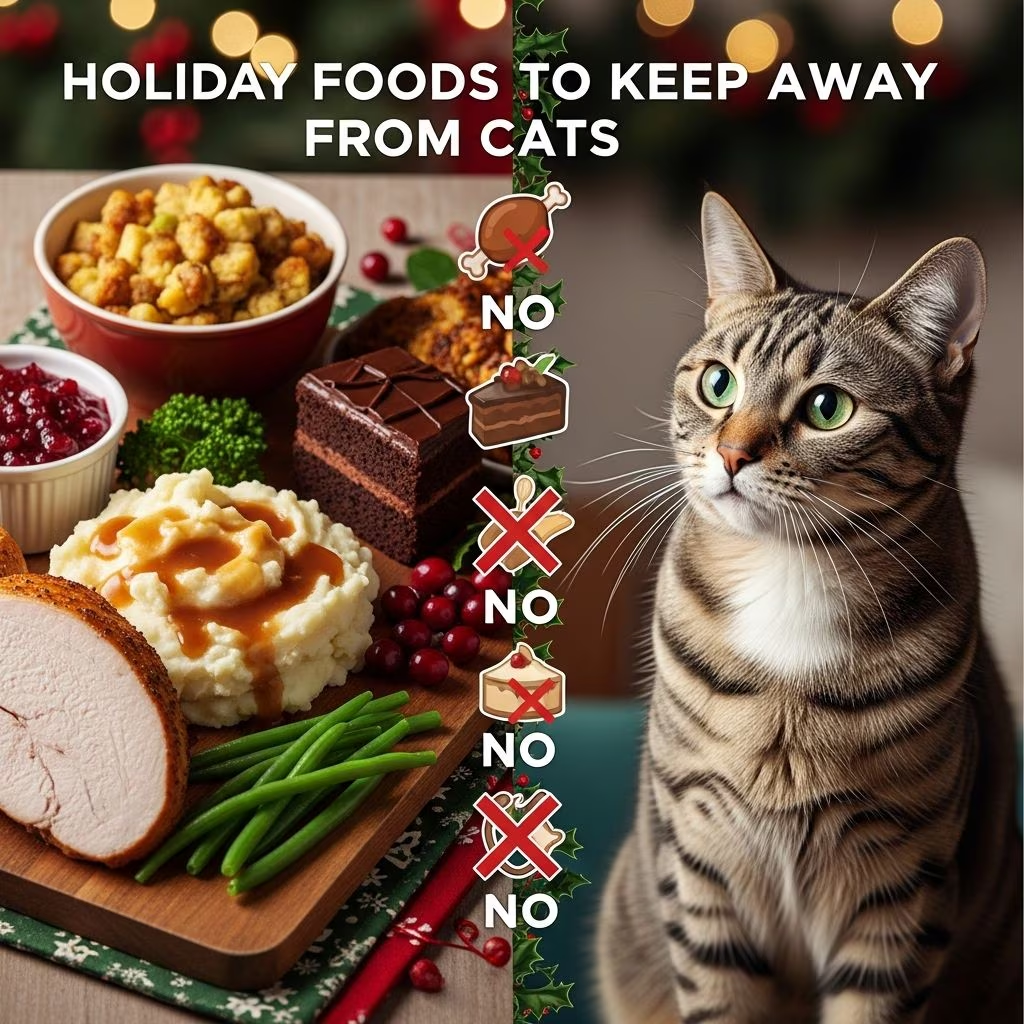
Holiday Foods to Keep Away From Cats
The holiday season brings families together to celebrate with festive meals and treats. While it’s tempting to share your holiday feast with your beloved feline companion, many popular holiday foods pose serious health risks to cats. Understanding which foods are dangerous can help protect your pet and ensure a safe and healthy holiday season for everyone in your household.
Cats have different nutritional requirements and metabolic capabilities than humans. Their digestive systems are sensitive and cannot process many ingredients that are safe for people. Sharing table scraps with your cat can lead to serious health issues, including obesity, gastrointestinal upset, anemia, and in severe cases, organ damage or even death. This comprehensive guide covers the most dangerous holiday foods for cats and explains why you should keep them away from your feline friend.
Seasoned Turkey Meat and Skin
Turkey is a staple of holiday dining, and while a small amount of plain, cooked turkey is relatively safe for cats, most holiday turkey recipes are heavily seasoned and brined. These preparations add substantial amounts of salt, pepper, herbs, and spices that can be harmful to cats. Excessive salt intake can lead to sodium ion poisoning, which causes neurological issues and other serious health problems.
Beyond the seasoning concerns, cooked turkey bones are particularly problematic. When turkey bones are cooked, they become brittle and can splinter easily. These fragments can damage your cat’s gastrointestinal tract or cause dangerous obstructions in the intestines, potentially requiring emergency veterinary surgery. Additionally, turkey skin—especially if it’s fatty or fried—can trigger pancreatitis, an inflammation of the pancreas that causes severe pain and vomiting.
Safe alternative: If you want to give your cat turkey, offer only plain, unseasoned, boneless meat in small quantities.
Stuffing
Holiday stuffing is a beloved side dish for humans but contains several ingredients that are toxic to cats. Most stuffing recipes include onions, scallions, or garlic—all members of the allium family. These vegetables are extremely toxic to cats because they contain compounds that cause oxidative damage to red blood cells, leading to cell rupture and resulting in hemolytic anemia. Cats with allium poisoning may experience weakness, lethargy, vomiting, diarrhea, and pale gums.
The symptoms of allium toxicity can develop gradually and may not appear immediately after consumption. Some stuffing recipes also include raisins, which are highly toxic to cats and can cause acute kidney failure. Even a small amount of raisins can be dangerous. Additionally, stuffing often contains high amounts of fat and seasoning, which can cause gastrointestinal upset and pancreatitis in cats.
Safe alternative: Plain, cooked chicken or a small amount of plain pumpkin are much safer options for your cat during the holidays.
Baked Ham
Baked ham is a delicious holiday centerpiece for many family tables, but it should be kept away from your feline companion. Holiday ham recipes typically contain extremely high levels of salt and are seasoned with toxic ingredients such as garlic, onion, and various spices. The combination of excessive sodium and harmful seasonings makes baked ham particularly dangerous for cats.
High salt content can lead to sodium ion poisoning, which causes vomiting, diarrhea, depression, tremors, increased heart rate, and in severe cases, seizures. The garlic and onion found in many ham glazes add another layer of concern due to their toxicity to cats. Furthermore, ham often contains high amounts of fat, which can trigger pancreatitis—a painful and potentially life-threatening condition.
Safe alternative: If you want to share ham with your cat, offer only plain, cooked, unseasoned ham with no glaze or additional seasonings in very small amounts.
Cranberry Sauce
Cranberry sauce is a traditional holiday condiment that appears on tables across the country. This popular side dish poses a significant risk to cats due to its high sugar content. Cranberry sauce recipes typically call for large quantities of white sugar to reduce the tartness of the berries, while canned versions usually contain high-fructose corn syrup. Unlike humans, cats do not have a sweet tooth and do not naturally seek out sugary foods—their taste buds are not equipped to detect sweetness the way ours are.
Excess sugar consumption in cats can lead to obesity, feline diabetes, and dental disease. Obesity is particularly concerning in cats and can lead to other health complications including joint problems, heart disease, and decreased quality of life. Diabetic cats require ongoing insulin treatment and dietary management. The artificial sweeteners sometimes found in sugar-free cranberry sauce may contain xylitol, which is highly toxic to cats and can cause liver failure and hypoglycemia.
Safe alternative: Plain, unsweetened, cooked cranberries in tiny amounts are acceptable, though they offer little nutritional benefit to cats.
Mashed Potatoes and Gravy
While plain, cooked potatoes are not inherently harmful to cats in small amounts, holiday-style mashed potatoes are problematic due to the ingredients typically used in their preparation. Mashed potato recipes call for dairy products such as milk, butter, or cheese, all of which pose problems for most cats. After weaning, most cats become lactose-intolerant because their bodies stop producing adequate amounts of lactase, the enzyme necessary to digest lactose.
Consuming dairy products can cause uncomfortable gastrointestinal symptoms in lactose-intolerant cats, including vomiting, diarrhea, gas, and bloating. Additionally, the high fat content in butter and cream can trigger pancreatitis. Gravy, which frequently tops mashed potatoes, typically contains potentially toxic seasonings such as onion and garlic. The combination of these factors makes holiday mashed potatoes with gravy unsuitable for feline consumption.
Safe alternative: Plain, cooked, unseasoned potatoes without any toppings can be offered in very small quantities as an occasional treat.
Sweet Potato Casserole
While cooked, plain sweet potatoes are generally safe for cats and even beneficial in small amounts, sweet potato casserole as typically prepared is off-limits for your feline friend. This holiday side dish usually contains milk and brown sugar, making it unsuitable for cats’ digestive tracts. Sweet potato casserole is often topped with marshmallows and pecans, ingredients that add significant risks to cat health.
A single full-sized marshmallow contains approximately 4 grams of sugar, and marshmallows are also a choking hazard for cats. Nuts, including pecans, walnuts, and almonds, are difficult for cats to digest and can cause gastrointestinal upset. Large pieces of nuts can cause blockages in the gastrointestinal tract, potentially requiring emergency surgery. Macadamia nuts are particularly toxic and should never be given to cats under any circumstances.
Safe alternative: A small spoonful of plain, cooked sweet potato with no added ingredients or toppings is a safer option.
Corn on the Cob
While a plain, cooked corn kernel or two is not hazardous for cats, corn on the cob presents serious risks that make it unsuitable for feline consumption. Corn cobs present a significant choking hazard, especially for enthusiastic eaters. More critically, if chunks of corn cob are consumed, they can lead to intestinal obstruction—a serious condition that may require emergency veterinary intervention and surgery.
Intestinal obstructions can be life-threatening if not treated promptly. Symptoms include persistent vomiting, loss of appetite, lethargy, abdominal pain, and constipation. If your cat has eaten corn cob and shows these signs, seek veterinary care immediately.
Safe alternative: Plain, cooked corn kernels (not on the cob) can be offered occasionally in small amounts, though they provide limited nutritional value.
Macaroni and Cheese
Macaroni and cheese is the ultimate comfort food and a holiday favorite for many families. However, this creamy pasta dish is problematic for cats because many adult cats are intolerant of dairy in their diet. The high cheese content can lead to uncomfortable gastrointestinal symptoms including diarrhea, gas, and abdominal pain. The heavy cream or milk used in many recipes compounds the lactose issue.
Additionally, macaroni and cheese often contains high amounts of salt and fat, both of which can be harmful to cats. The fat content raises concerns about pancreatitis, while excess salt can contribute to hypertension and sodium ion poisoning. The pasta itself, while not toxic, offers little nutritional benefit to cats and is primarily carbohydrates that cats do not require.
Safe alternative: Plain, cooked, unseasoned pasta without any sauce or toppings can be offered occasionally, though it provides minimal nutritional value.
Pumpkin Pie
What holiday feast is complete without pumpkin pie? While plain, 100% pumpkin is actually safe for cats to eat and can even be beneficial for digestive health, pumpkin pie gets its rich, custardy taste from sweetened condensed milk and sugar. Sweetened condensed milk adds heavy amounts of both sugar and dairy, both of which are problematic for cats. Additionally, pumpkin pie is made with spices and seasonings that are toxic to cats, including cinnamon, nutmeg, ginger, and allspice.
These spices can result in gastrointestinal upset in cats, causing vomiting, diarrhea, and abdominal discomfort. The high sugar content in pie can contribute to obesity and diabetes. The dairy in the pie filling poses the lactose intolerance issue common in adult cats.
Safe alternative: Plain, unsweetened, cooked pumpkin puree (not pie filling) can be beneficial for cats’ digestive health and can be mixed into their regular food in small amounts.
Gingerbread
Gingerbread cookies are a beloved holiday treat, but they are off-limits for cats. This popular holiday dessert is typically made with ingredients that can upset your cat’s stomach and cause other adverse symptoms. Gingerbread cookies contain spices such as nutmeg and cinnamon, which are considered mildly toxic to cats and can lead to gastrointestinal upset when eaten. These spices can cause vomiting, diarrhea, and abdominal pain.
Additionally, gingerbread cookies are typically high in sugar, which contributes to obesity and feline diabetes. The frosting and other sweet decorations used to top gingerbread cookies can make cats nauseous, cause vomiting, or result in diarrhea. Some gingerbread decorations may contain chocolate or xylitol, both of which are toxic to cats. Chocolate contains caffeine and theobromine, stimulants that cats cannot metabolize well, and xylitol can cause acute liver failure.
Safe alternative: Unseasoned treats specifically formulated for cats are a much safer option for holiday celebrations.
Other Dangerous Holiday Items
Beyond the specific foods mentioned above, several other common holiday items pose risks to cats. Alcohol and eggnog contain ingredients that are extremely dangerous for felines. Cats have lower levels of the enzymes that metabolize alcohol, leading to severe symptoms including nervous system depression, low blood sugar, and organ damage. Eggnog specifically contains raw eggs and cream, which can be poorly tolerated by cats. Raw eggs can contain harmful bacteria and parasites.
Chocolate, which appears in many holiday candies, desserts, and gift baskets, is highly toxic to cats. Chocolate naturally contains caffeine and theobromine, both of which cats cannot metabolize well. Even small amounts can be fatal. Xylitol, an artificial sweetener found in sugar-free holiday treats and baked goods, is extremely toxic to cats and can cause liver failure and hypoglycemia.
Frequently Asked Questions (FAQs)
Q: What should I do if my cat eats a holiday food I know is toxic?
A: Contact your veterinarian or animal poison control center immediately. Provide information about what your cat ate and approximately how much. Do not wait to see if symptoms develop—early intervention can be crucial. Keep the packaging of the food product available to show your veterinarian.
Q: Can I give my cat any holiday foods safely?
A: Yes, in moderation. Plain, cooked, unseasoned chicken or turkey (boneless), plain cooked pumpkin, and small amounts of certain vegetables like carrots or green beans are relatively safe. Always introduce new foods gradually and in tiny portions.
Q: How can I include my cat in holiday celebrations without sharing food?
A: Spend quality time with your cat, play with toys, or offer special cat treats formulated for feline nutrition. Many pet stores sell holiday-themed cat treats that are safe and nutritionally appropriate for cats.
Q: What are the signs that my cat has eaten something toxic?
A: Common signs include vomiting, diarrhea, lethargy, loss of appetite, abdominal pain, excessive drooling, tremors, difficulty breathing, or pale gums. Some toxins may not show signs for several hours or even days.
Q: Is it okay to give my cat small amounts of toxic foods occasionally?
A: No. Even small amounts of truly toxic foods like chocolate, grapes, raisins, onions, garlic, or xylitol can be dangerous. The dose and individual cat sensitivity matter, but it’s safest to avoid these foods entirely.
References
- 13 Holiday Foods That Are Dangerous to Cats — PetMD. 2025. https://www.petmd.com/cat/nutrition/holiday-foods-dangerous-to-cats
- What Human Foods Can Cats Eat? — Chewy Education. 2025. https://www.chewy.com/education/cat/food-and-nutrition/what-human-foods-can-cats-eat
- 23 Toxic Foods for Pets — Chewy Education. 2025. https://www.chewy.com/education/dog/food-and-nutrition/toxic-foods-for-pets
- Chewy experts share top tips to keep your pets safe during the holidays — Florida Today. December 21, 2023. https://www.floridatoday.com/story/news/2023/12/21/pets-safe-christmas-holidays-dogs-cats-veterinarian/71988531007/



