

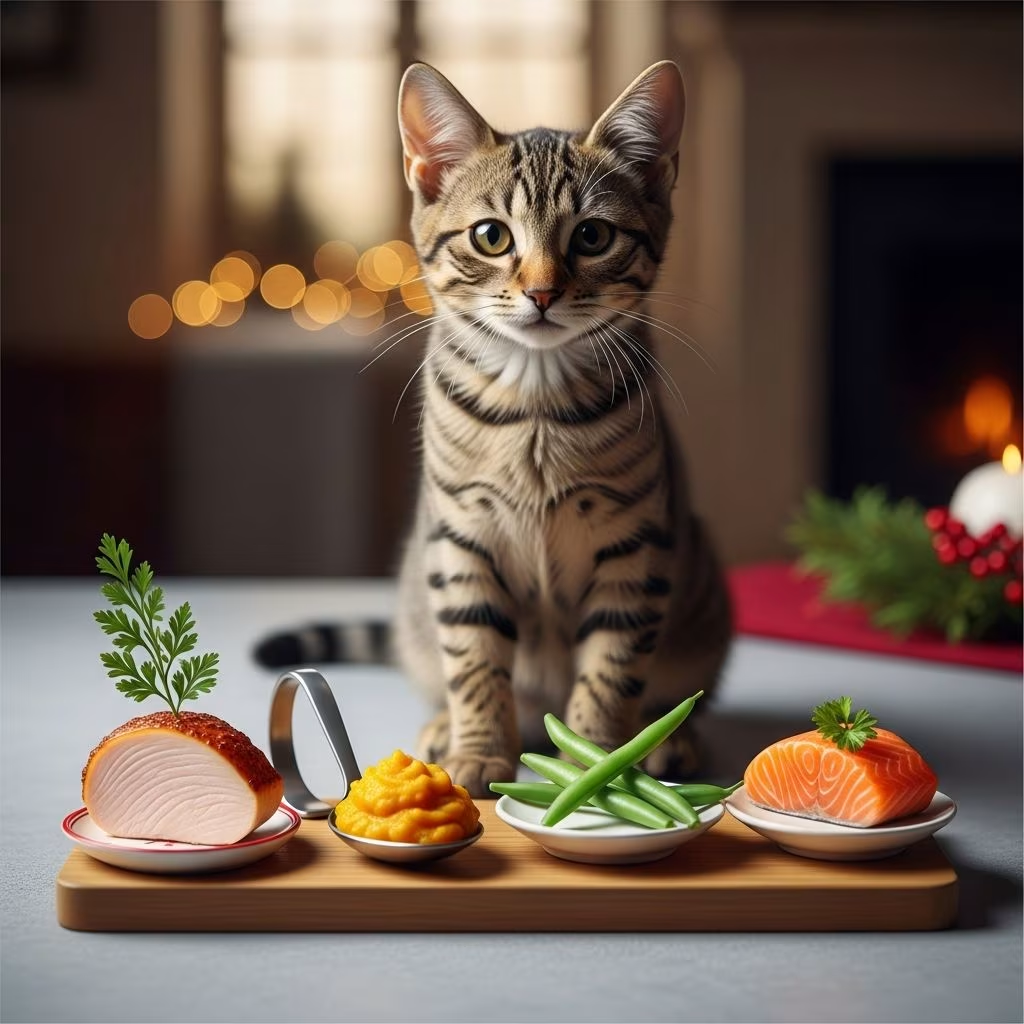
The holiday season brings families together around the dinner table, and as a cat owner, you may wonder if your feline companion can join in on the festive feast. While it’s tempting to share holiday dishes with your beloved pet, many traditional holiday foods can be harmful or even toxic to cats. Understanding which foods are safe and which to avoid is essential for keeping your cat healthy during the celebrations.
Before introducing any new foods to your cat’s diet, it’s important to consult with your veterinarian. Every cat is unique, and individual health conditions may affect their ability to safely consume certain foods. Additionally, any treats should be offered in moderation as occasional additions to their regular diet, always prepared without added seasonings, cooking oils, or other potentially harmful ingredients.
Safe Holiday Foods for Cats
The good news is that several nutritious holiday foods can be safely shared with your feline friend. Here are some festive options that align with a cat’s dietary needs:
Plain Cooked Turkey
Cooked, unseasoned turkey meat is one of the safest holiday proteins you can offer your cat. Turkey is low in fat and high in protein, making it an excellent nutritional choice for felines. However, it’s crucial to prepare it properly: remove all bones, as cooked turkey bones become brittle and can splinter, potentially causing intestinal damage or obstruction. Additionally, avoid the skin, which is high in fat and can upset your cat’s stomach. Serve only plain, boneless turkey meat without any seasoning, brining, or holiday glazes.
Chicken
Chicken is a staple protein in many commercial cat foods, making it a naturally safe choice for your pet. Plain, cooked chicken meat without breading or seasoning provides excellent protein content. Like turkey, always remove bones before serving, as they pose a significant choking hazard. Avoid chicken skin, which contains excessive fat that may cause digestive upset.
Pumpkin
Plain canned pumpkin is a nutritious treat that many cats enjoy. This festive vegetable is rich in essential nutrients including potassium, calcium, vitamin C, and fiber. Additionally, pumpkin is abundant in beta-carotene, which supports healthy vision, coat, and bone health. Pumpkin can also help address minor gastrointestinal issues. The key is choosing 100% plain pumpkin puree, not pumpkin pie filling, which contains harmful spices like cinnamon and nutmeg.
Sweet Potatoes
Plain, cooked sweet potatoes make an excellent holiday treat for cats. These nutrient-dense vegetables are packed with vitamins A and C, as well as dietary fiber that promotes healthy digestion. When preparing sweet potatoes for your cat, ensure they are cooked and unseasoned. Avoid sweet potato casserole, which typically contains milk, brown sugar, marshmallows, and pecans—all ingredients that can cause digestive distress in cats.
Cranberries
Cranberries with no additives, whether fresh or dried, are safe for cats in small quantities. These berries are loaded with vitamin C, vitamin K, and manganese, providing nutritional benefits. If offering raw cranberries, remove seeds first and cut them into bite-sized pieces to prevent choking and ease digestion.
Apples
Fresh apples can be a nutritious treat for cats, though many felines don’t find them particularly appealing. Apples are a good source of vitamin C and dietary fiber. When preparing apples for your cat, remove the stem, leaves, and seeds—the seeds contain compounds that can be harmful. Offer only small pieces, as apples are high in fiber and excessive amounts can cause digestive upset. Less sweet varieties are preferable since they contain less sugar.
Green Beans
Plain, steamed or unsalted canned green beans are healthy options for cats. These vegetables are low in calories and provide essential nutrients without any digestive concerns.
Carrots
Plain, peeled carrots are safe for cats in small amounts. To maximize digestibility and prevent choking hazards, boil or steam the carrots and cut them into small pieces, or puree them before serving. This preparation method makes them easier for your cat to process.
Brussels Sprouts
Cooked, unseasoned Brussels sprouts are pet-friendly and rich in essential nutrients, including vitamins K and C, as well as fiber. The fiber content supports digestive health, while the vitamins contribute to overall well-being.
Common Holiday Foods to Avoid
While some holiday foods are safe for cats, many traditional festive dishes pose serious health risks. Understanding which foods to avoid is crucial for protecting your feline companion.
Chocolate
Chocolate is toxic to cats and should never be given to your pet in any form. Cacao seeds contain methylxanthines, compounds that can lead to severe and potentially fatal symptoms in cats, including vomiting, diarrhea, and seizures. Dark chocolate is particularly dangerous due to its higher concentration of cacao. Even small amounts can cause serious harm to your feline friend.
Xylitol
Xylitol, an artificial sweetener found in many holiday treats, candies, and baked goods, is extremely toxic to cats. This sweetener can cause severe hypoglycemia and liver damage, requiring immediate veterinary attention if ingestion occurs.
Onions and Garlic
Onions and garlic are toxic to cats and should be completely avoided. These aromatics contain compounds that can damage cats’ red blood cells, leading to hemolytic anemia. Many holiday dishes, including stuffing, mashed potatoes, and glazed hams, contain these ingredients and should not be shared with your cat.
Grapes and Raisins
Grapes and raisins are toxic to cats and should never be offered as treats. These fruits can cause kidney failure in felines, even in small quantities. Many holiday baked goods and desserts contain raisins, so it’s important to keep these items away from your cat.
Seasoned Turkey and Ham
While plain turkey is safe, seasoned or brined turkey should be avoided. Holiday recipes typically call for the turkey to be heavily seasoned with salt, pepper, and herbs, making it unsafe for cats. Similarly, baked ham is typically super-salty and seasoned with toxic ingredients like garlic and onion. The high salt content can lead to sodium ion poisoning, causing vomiting and diarrhea, while the high fat content can contribute to acute or chronic pancreatitis.
Pumpkin Pie and Spiced Desserts
While plain pumpkin is safe, pumpkin pie filling is not. Pumpkin pie filling typically contains allspice and cloves, which are toxic to cats. Many holiday desserts contain spices that can harm your feline companion.
Stuffing
Stuffing is typically made with numerous ingredients toxic to cats, including onions, garlic, and raisins. This combination makes stuffing particularly dangerous and should be completely avoided.
Mashed Potatoes and Casseroles
While plain boiled potatoes are safe in moderation, mashed potato recipes often contain rich ingredients like dairy and butter that can upset your cat’s stomach. Sweet potato casserole is especially problematic, as it usually contains milk, brown sugar, marshmallows, and pecans. Macaroni and cheese, another popular holiday favorite, is problematic for many adult cats who are intolerant of dairy, potentially causing diarrhea, gas, and abdominal pain.
Citrus Fruits
Citrus fruits contain citric acid and essential oils that can harm your cat’s nervous system and potentially be fatal in large amounts. Fortunately, most cats naturally dislike the smell of citrus fruits and will avoid them. Keep holiday cocktail garnishes containing citrus away from your feline friend.
Corn on the Cob
While a plain cooked corn kernel or two poses no hazard, corn cobs present a serious choking risk and could lead to dangerous intestinal obstruction if chunks are consumed. Always remove kernels from the cob before offering corn to your cat.
High-Fat Foods
Fatty meats, pan drippings, and other high-fat foods can contribute to pancreatitis and digestive upset in cats. Turkey skin, ham fat, and other fatty trimmings should be completely avoided.
Homemade Holiday Treats for Cats
If you want to prepare special treats for your feline friend, consider these simple homemade options that use cat-safe ingredients:
Chicken Cookies
These poultry-based treats are sure to delight your cat. To prepare them, combine 250 grams of cooked and shredded chicken, 120 ml of low-sodium bone broth, 130 grams of wheat flour, 150 grams of cornmeal, and one tablespoon of olive oil. Mix all ingredients until well blended, roll out the dough with a rolling pin, use a bottle cap to cut small cookies, and bake at 350 degrees Fahrenheit for 20 minutes.
Sardine Treats
These aromatic treats combine nutritious ingredients cats love. Use one can of sardines in water, two tablespoons of cooked mashed carrots, and one-third cup of cooked oatmeal. Combine all ingredients until well blended and serve immediately. The strong smell of sardines makes these treats particularly appealing to most felines.
Holiday Food Safety Guidelines
When sharing holiday foods with your cat, follow these essential safety guidelines:
- Always consult your veterinarian before introducing new foods to your cat’s diet
- Offer treats in moderation as occasional additions, not regular meals
- Remove all bones, seeds, stems, and dangerous parts before serving
- Prepare foods without seasoning, salt, cooking oils, or other additives
- Cut foods into appropriate bite-sized pieces to prevent choking
- Monitor your cat after introducing any new food for signs of digestive upset
- Keep toxic foods completely out of reach during holiday celebrations
Frequently Asked Questions
Q: Can my cat eat turkey skin?
A: No, turkey skin should be avoided. It is high in fat and can upset your cat’s stomach. Stick to plain, boneless turkey meat only.
Q: Is pumpkin pie filling safe for cats?
A: No, pumpkin pie filling is not safe. It contains spices like cinnamon and nutmeg that are toxic to cats. Only plain, 100% pumpkin puree is safe.
Q: What should I do if my cat eats chocolate?
A: Contact your veterinarian or an animal poison control center immediately. Chocolate is toxic to cats, and prompt medical attention may be necessary.
Q: Can cats have cranberry sauce?
A: Fresh or dried cranberries with no additives are safe for cats in moderation. However, cranberry sauce typically contains added sugar and ingredients that make it unsuitable for feline consumption.
Q: Are onions and garlic dangerous for cats?
A: Yes, both onions and garlic are toxic to cats. They can damage red blood cells and lead to hemolytic anemia. Always avoid holiday dishes containing these ingredients.
Q: How much pumpkin can I give my cat?
A: Pumpkin should be offered as an occasional treat in small amounts. Consult your veterinarian for specific portion recommendations based on your cat’s size and dietary needs.
Q: Is ham safe for cats?
A: Plain, cooked ham with no seasoning may be safe in very small amounts, but most holiday ham is heavily salted and seasoned, making it unsafe. The high salt content can cause sodium ion poisoning.
References
- Holiday Foods That are Safe for Cats (and Foods to Avoid) — Meowbox. Accessed January 14, 2026. https://www.meowbox.com/blogs/news/holiday-foods
- Cat-Safe Holiday Treats — Just Cats Clinic. Accessed January 14, 2026. https://justcatsclinic.com/cat-safe-holiday-treats/
- Christmas Dinner for Dogs & Cats — Safe & Unsafe Foods — Sploot Vets. Accessed January 14, 2026. https://www.splootvets.com/post/safe-vs-unsafe-holiday-foods-for-dogs-cats
- 13 Holiday Foods That Are Dangerous to Cats — PetMD. Accessed January 14, 2026. https://www.petmd.com/cat/nutrition/holiday-foods-dangerous-to-cats
- Holiday Table Foods That Can Harm Dogs and Cats: What Pet Owners Should Know — Hershey Vet. Accessed January 14, 2026. https://hersheyvet.com/blog/holiday-table-foods-that-can-harm-dogs-and-cats/
- Top 5 Holiday Foods That Can Send Pets to the ER — Animal Emergency Clinic DeLand. Accessed January 14, 2026. https://animalemergencydeland.com/news/top-5-holiday-foods-that-can-send-pets-to-the-er/



