

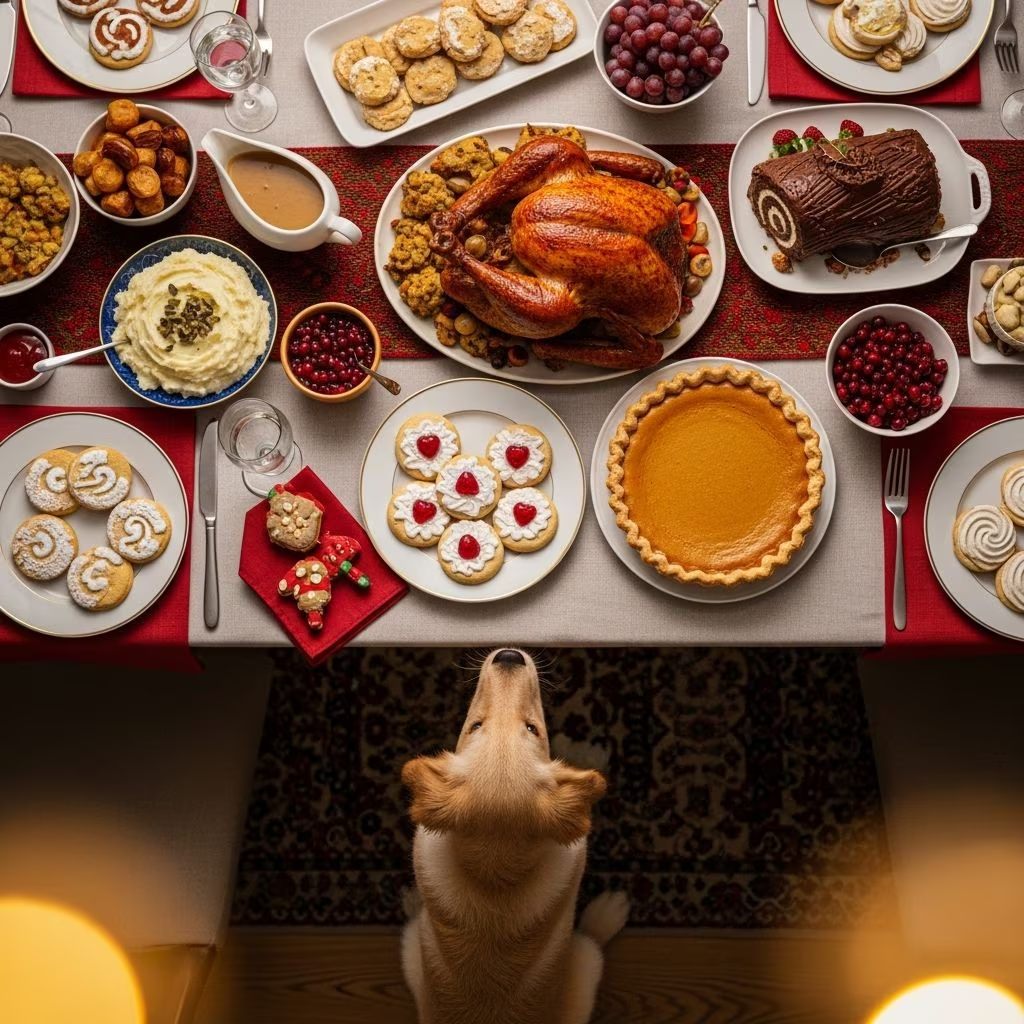
17 Holiday Foods Not To Feed Dogs
The holiday season brings joy, celebration, and delicious feasts for families across the country. However, while you’re enjoying your festive meals, it’s crucial to remember that many of your favorite holiday foods can be dangerous—or even deadly—for your beloved canine companions. What seems like a harmless treat or a small table scrap could quickly become a veterinary emergency. Understanding which foods to avoid is one of the most important responsibilities of being a pet parent during the holidays.
Why Holiday Foods Are Dangerous for Dogs
Dogs have different digestive systems than humans, and their bodies process foods differently. Many ingredients that are safe for people can cause serious health problems in dogs, ranging from mild gastrointestinal upset to life-threatening conditions like pancreatitis or kidney failure. Additionally, during the busy holiday season, it’s easy for dogs to sneak food off counters or grab scraps from the floor, making vigilance essential.
Toxic Holiday Foods You Must Avoid
1. Chocolate
Chocolate is one of the most well-known toxic foods for dogs, and it’s particularly prevalent during the holidays. Chocolate contains theobromine and caffeine, compounds that dogs metabolize slowly and cannot tolerate in significant quantities. Dark chocolate and baking chocolate are the most dangerous varieties, as they contain higher concentrations of these toxic substances. When a dog ingests chocolate, it can lead to gastrointestinal upset, agitation, tremors, and even seizures at high doses. The severity of poisoning depends on the type of chocolate, the amount consumed, and the dog’s size.
2. Grapes and Raisins
Grapes and raisins are highly toxic to dogs and can cause serious illness even if your dog eats only a small amount. Recent research suggests that tartaric acid present in grapes is responsible for the toxicity. Symptoms of grape or raisin poisoning typically appear six to twelve hours after consumption and may include lethargy, vomiting, diarrhea, increased drinking and urination, abdominal pain, dehydration, and neurological signs such as head tilts, dizziness, or seizures. If you witness your dog eating grapes or raisins, contact your veterinarian immediately, even if symptoms haven’t appeared yet. Early treatment before symptoms develop is most effective and may prevent kidney damage.
3. Macadamia Nuts
Macadamia nuts are particularly prevalent in holiday baking and candy, making them a common holiday hazard. These nuts are highly toxic to dogs and can cause serious symptoms even in small amounts. When ingested by dogs, macadamia nuts can cause vomiting, hind end weakness, lack of coordination, tremors, lethargy, and hyperthermia (elevated body temperature). Signs usually appear within twelve hours of ingestion and can last approximately twelve to forty-eight hours. The exact toxic compound in macadamia nuts hasn’t been fully identified, but the effects are well-documented and serious enough to warrant immediate veterinary attention.
4. Other Nuts
Beyond macadamia nuts, other varieties including almonds, pecans, and walnuts should also be kept away from dogs. These nuts contain high amounts of oils and fats that can cause vomiting, diarrhea, and pancreatitis—a serious inflammatory condition of the pancreas. Additionally, nuts may pose a choking hazard and can become contaminated with mold, which produces aflatoxins that are toxic to dogs. The high fat content makes them particularly problematic for dogs with sensitive digestive systems or those prone to pancreatitis.
5. Fatty Foods and Fatty Skin
Fatty human foods like bacon, cheese, ham, and especially fatty turkey skin are major culprits during the holiday season. While not immediately toxic, these foods are high in fat and cholesterol, making them problematic for dogs. Consuming rich and fatty foods can cause gastrointestinal upset and, more seriously, can lead to pancreatitis—a painful inflammation of the pancreas. Pancreatitis produces excessive digestive enzymes that damage a dog’s intestinal tract and can cause uncontrollable vomiting, extreme pain, and potentially death if not treated aggressively by a veterinarian. Fried meats are particularly dangerous and should never be given to dogs.
6. Buttery Foods
While butter itself isn’t necessarily toxic, buttery human foods are common during holiday meals and pose risks to dogs. Butter is high in fat and cholesterol, and deliberately feeding buttery foods to your pet should be avoided. The problem with buttery foods isn’t the butter itself but rather the combination of high fat content with other ingredients. These rich foods can trigger the same pancreatitis issues mentioned above and should be kept far from your dog’s reach.
7. Eggnog and Dairy Products
Eggnog is a holiday favorite, but it’s particularly dangerous for dogs for multiple reasons. Many dogs lack sufficient amounts of lactase, the enzyme that breaks down lactose in milk, making dairy products problematic for their digestion. Eggnog specifically contains raw eggs and nutmeg—both of which are concerning for canines. Raw eggs can contain bacteria such as salmonella and E. coli that can be harmful to pets, while nutmeg is toxic to dogs. Creamy foods and beverages can cause diarrhea, other digestive problems, and may trigger food allergies in some pets.
8. Onions, Garlic, Leeks, and Chives
These aromatics are staples in holiday cooking but are dangerous for dogs. While cats are more susceptible to their toxic effects, dogs are also at risk. These foods contain compounds that cause hemolytic anemia, a condition characterized by the destruction of red blood cells circulating through your pet’s body. Ingestion can cause gastrointestinal irritation and more serious systemic problems. Toxicity is diagnosed through history, clinical signs, and bloodwork. Stuffing, a common holiday dish, often contains onions and garlic, making it doubly dangerous for dogs.
9. Mashed Potatoes and Gravy
Plain, cooked potatoes are safe for dogs, but holiday mashed potatoes are prepared with spices, herbs, butter, sour cream, and are often slathered with meat gravy. All of these additions create the risk of pancreatitis and other digestive issues. Additionally, raw potatoes contain solanine, a compound that is toxic and can lead to potato poisoning. The preparation method and added ingredients transform an otherwise safe food into a holiday hazard that should never be shared with your dog.
10. Stuffing
Holiday stuffing is particularly dangerous for dogs because it combines multiple problematic ingredients in one dish. Stuffing typically consists of bread, butter, onions, and various spices—all of which can cause major problems for your dog. Canine consumption of holiday stuffing will likely cause gastrointestinal problems and, in the worst-case scenario, could result in death. The combination of high fat content, toxic aromatics, and other seasonings makes stuffing one of the most dangerous holiday foods to avoid.
11. Meat Bones
While bones might seem like a natural treat for dogs, holiday bones can be extremely dangerous. Soft bones like rib bones or bones from fish or poultry can splinter when chewed, causing impactions and lacerations to the esophagus, stomach, and intestinal tract. These injuries can require emergency surgery and may be life-threatening. Turkey bones, specifically popular during holiday meals, should never be given to dogs. If you want to give your dog a bone, opt for large, hard beef bones that are fresh, though even these may cause digestive problems if your dog isn’t accustomed to them.
12. Salt and Salty Snacks
While salt itself isn’t toxic and dogs do need a certain amount to be healthy, dogs lack moderation when it comes to food. Salty snack foods like chips, pretzels, and snack mixes contain excessive sodium that can cause gastrointestinal upset, vomiting, diarrhea, and dehydration. In extreme cases, salt ingestion combined with lack of access to water can lead to sodium-ion poisoning, causing vomiting, diarrhea, depression, tremors, seizures, elevated body temperature, and potentially death. Keep all salty snacks as far out of your dog’s reach as possible during the holiday season.
13. Yeast Dough
Raw yeast dough poses a unique danger to dogs. When pets digest raw yeast dough, it can expand and rise in the gastrointestinal tract, causing gas to accumulate. This is painful and can cause the stomach to bloat and potentially twist—a life-threatening emergency known as gastric dilatation-volvulus. Additionally, the yeast produces ethanol as a byproduct, and a dog ingesting raw dough may become intoxicated with all the same risks associated with alcohol consumption. If your dog ingests raw yeast dough, seek immediate veterinary attention.
14. Raw Meat and Raw Eggs
Raw meat and raw eggs can contain harmful bacteria such as salmonella and E. coli that can be dangerous to both pets and humans. Additionally, pets can choke on bones or sustain injury if a bone splinter becomes lodged in or punctures their digestive tract. While some pet owners believe raw diets are beneficial, the holiday season is not the time to experiment, and raw foods should be handled with extreme caution.
15. Desserts with Xylitol
Many sugar-free holiday desserts and baking products contain xylitol, an artificial sweetener that is extremely toxic to dogs. Even small amounts can cause severe hypoglycemia (low blood sugar), liver damage, and potentially death. If you’re making holiday treats from a mix or purchasing sugar-free products, always check the ingredient list for xylitol. This sweetener is increasingly common in holiday baking and poses a serious risk to curious dogs.
16. Alcohol and Alcoholic Beverages
Alcohol affects dogs much more severely than humans. Even small amounts of beer, wine, liquor, or foods containing alcohol can cause vomiting, diarrhea, tremors, seizures, coma, and potentially death. The holiday season often involves alcoholic beverages, and it’s important to keep all drinks securely away from pets. Never give your dog any food or beverage containing alcohol, regardless of the amount.
17. Avocado
While not exclusively a holiday food, avocado is sometimes included in holiday appetizers and guacamole. Avocados contain persin, a toxin that can cause gastrointestinal upset, vomiting, and diarrhea in dogs. The pit and leaves are particularly dangerous and should never be accessible to dogs.
Safe Holiday Alternatives for Your Dog
Just because many holiday foods are off-limits doesn’t mean your dog can’t enjoy the festivities. Plain, cooked turkey (without skin and bones) in small, bite-sized pieces is safe when unseasoned. You can also offer plain, cooked vegetables like carrots, green beans, or sweet potatoes as healthy alternatives. Consider making homemade dog treats with dog-safe ingredients, such as turkey-cranberry meatballs specifically formulated for canines. Always consult with your veterinarian before adding any new foods to your dog’s diet, especially if your pet has preexisting health conditions like diabetes or pancreatitis.
Holiday Safety Tips for Pet Parents
Restrict Access to Food Prep Areas
The key to preventing accidental toxin ingestion is to restrict your dog’s access to food preparation and eating areas. Supervise your dog during gatherings and prevent them from begging or jumping up to steal food from tables and counters. Use baby gates or keep your dog in a separate room during meals if necessary.
Educate Guests
Make sure all family members and guests understand which foods are dangerous for dogs. Well-meaning relatives often want to share food with pets, not realizing the potential consequences. Politely but firmly explain why certain foods must be avoided.
Have a Plan for Emergencies
Know the location of your veterinary clinic and have the number readily available. If it’s a holiday when your regular vet is closed, research emergency veterinary clinics in your area. If you suspect your dog has ingested something toxic, contact a veterinarian or poison control center immediately—don’t wait for symptoms to appear.
Frequently Asked Questions
Q: Can dogs eat turkey skin?
A: No, turkey skin is very fatty and can cause pancreatitis in dogs. Skip the skin entirely and only offer small, unseasoned pieces of plain turkey meat.
Q: What should I do if my dog eats a toxic holiday food?
A: Contact your veterinarian or animal poison control center immediately. Don’t wait for symptoms to appear, as early intervention may prevent serious complications. Have information about what was eaten, how much, and when ready to provide to your vet.
Q: Are cranberries safe for dogs?
A: Plain, unsweetened cranberries are safe for dogs in moderation. However, cranberry sauce and other cranberry products often contain added sugar or other ingredients that make them inappropriate for dogs.
Q: Can dogs eat mac and cheese?
A: Mac and cheese is not toxic to dogs, but it’s not good for them either. The fat and dairy can be difficult for dogs to digest and may lead to pancreatitis, so it’s best to avoid giving this dish to your pet.
Q: What are symptoms of pancreatitis in dogs?
A: Symptoms include uncontrollable vomiting, extreme pain, lethargy, loss of appetite, diarrhea, and abdominal distention. If you notice these signs after your dog has eaten fatty foods, seek immediate veterinary attention.
References
- Chocolate Toxicity in Dogs — American Veterinary Medical Association. 2024. https://www.avma.org
- Grape and Raisin Toxicity in Dogs — American Animal Poison Control Center (ASPCA). 2024. https://www.aspca.org/pet-care/animal-poison-control
- Macadamia Nut Toxicity — ASPCA Poison Control. 2024. https://www.aspca.org/pet-care
- Xylitol Toxicity in Pets — Pet Poison Helpline. 2024. https://www.petpoisonhelpline.com
- Pancreatitis in Dogs: Causes and Treatment — Veterinary Information Network. 2023. https://www.vin.com
- Salt Toxicity in Dogs — American Veterinary Medical Association (AVMA). 2024. https://www.avma.org



