

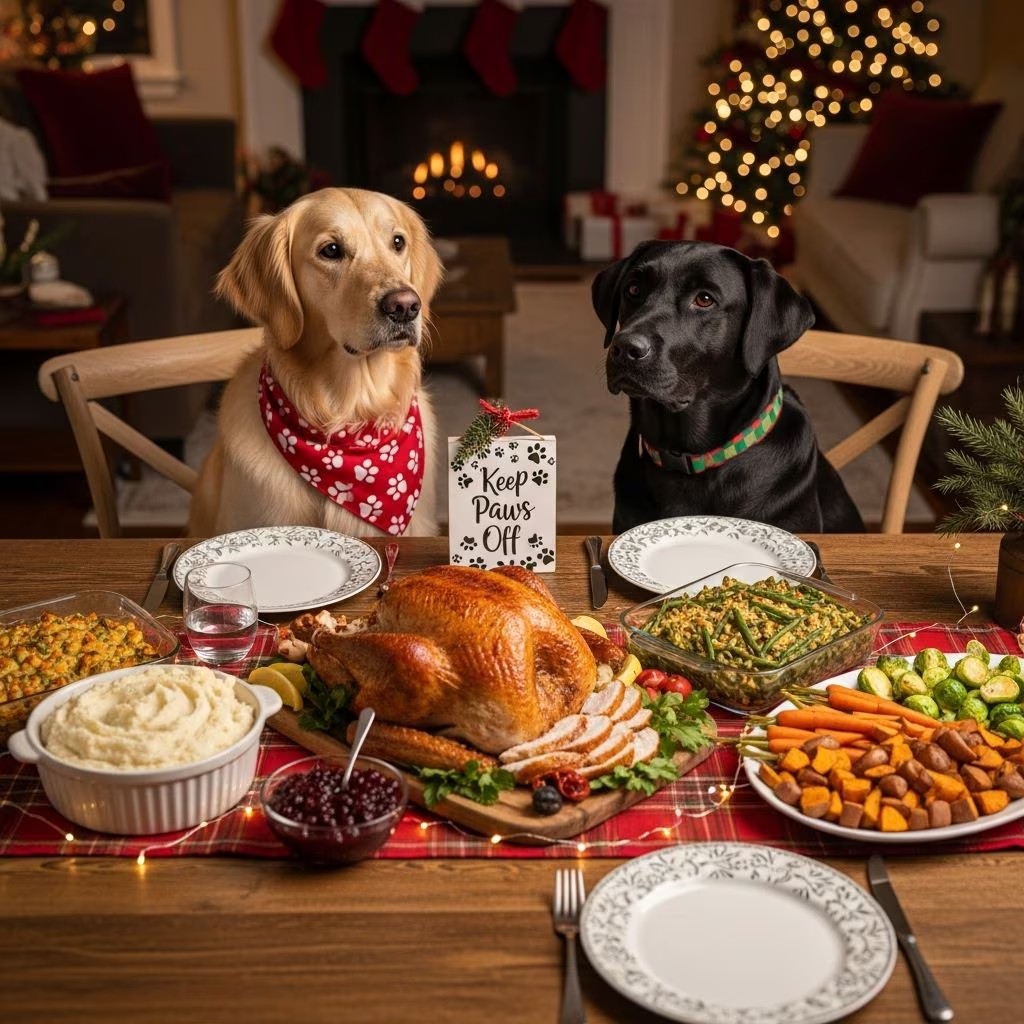
Dogs bring joy to family gatherings, but Thanksgiving’s abundance of food and activity can pose serious risks. This guide outlines proven strategies to safeguard your pet, drawing from veterinary recommendations to prevent common holiday emergencies.
Understanding Common Dangers in Festive Settings
Thanksgiving involves rich meals, multiple visitors, and decorations that tempt curious dogs. Fatty meats trigger pancreatitis, bones splinter into hazards, and disruptions cause stress or escapes. Awareness of these threats allows proactive protection.
Veterinary organizations emphasize vigilance around human foods, as even small amounts lead to gastrointestinal distress or toxicity. Guests’ belongings and unsecured areas compound risks, making preparation essential for a peaceful celebration.
Navigating Food Risks: What to Avoid
Traditional dishes contain ingredients harmful to dogs. Prioritize prevention by educating household members on safe sharing.
- Turkey components: Skin and dark meat are high-fat, risking acute pancreatitis—a painful inflammation of the pancreas.
- Bones: Cooked varieties splinter easily, causing choking, mouth injuries, or intestinal blockages requiring surgery.
- Onions and garlic: Found in stuffings and gravies, these damage red blood cells, leading to anemia.
- Grapes, raisins, and xylitol: Even traces in desserts cause kidney failure or hypoglycemia.
- Yeast dough and alcohol: Expanding dough bloats the stomach; alcohol depresses the central nervous system.
Instead, offer plain, boneless white turkey meat in moderation if sharing. Maintain their regular diet to avoid upset.
Safeguarding the Kitchen and Dining Areas
The kitchen buzzes with activity, heightening accident chances. Secure counters during prep and meals.
| Hazard | Risk to Dogs | Prevention Step |
|---|---|---|
| Hot pots and spills | Burns or scalds | Use gates to block access |
| Loose strings/twine | Intestinal obstruction | Dispose immediately |
| Gravy with onions | Toxicity | Store in sealed, elevated containers |
| Chocolate desserts | Seizures, heart issues | Keep in closed cabinets |
Post-meal, clear plates promptly. Fatty scraps tempt begging, exacerbating digestive woes.
Managing Trash and Leftovers Effectively
Dogs raid bins for aromatic remnants. Spoiled or wrapped foods inside cause blockages or infections.
- Employ lidded, paw-proof cans.
- Take outdoor garbage immediately, especially bones and carcasses.
- Avoid leaving bags accessible; double-bag fatty items.
This simple habit averts veterinary bills from obstructions or perforations.
Handling Guest Arrivals and Interactions
Company disrupts routines, stressing shy or excitable dogs. New people mean open doors and unattended items.
Designate a calm retreat: a crated space with bedding, toys, and chews for downtime. Inform visitors: no feeding scraps, respect boundaries, especially with children. Monitor greetings to curb jumping or overstimulation.
Preventing Escapes During High Traffic
Doors ajar during arrivals invite bolting. Excited dogs dash impulsively.
- Leash near entryways or use baby gates.
- Confine to a back room during peaks.
- Ensure ID tags and microchips with current info.
BC SPCA stresses updated registries for quick reunions.
Pet-Proofing Decorations and Plants
Fall accents like lilies, chrysanthemums, and autumn crocus are toxic, causing vomiting or organ damage. Ribbons, acorns, and pinecones pose choking risks.
- Elevate arrangements out of reach.
- Opt for pet-safe alternatives.
- Supervise near holiday setups.
ASPCA lists confirm common blooms’ dangers.
Maintaining Routines Amid Celebrations
Consistency calms dogs. Exercise beforehand burns energy; adhere to feeding and elimination schedules.
A pre-guest walk reduces anxiety. Puzzles or frozen Kongs occupy during dinner.
Safe Treats and Alternatives for Inclusion
Integrate dogs festively without risks.
- Small plain turkey bits (skinless).
- Commercial holiday chews.
- Vegetable sticks like carrots.
AVMA advises moderation to prevent begging habits.
Recognizing and Responding to Emergencies
Act swiftly on symptoms: vomiting, lethargy, diarrhea, or distress.
- Contact vet or poison hotline immediately.
- Note ingested items/time.
- Don’t induce vomiting without guidance.
Zoetis highlights rapid intervention’s importance.
Frequently Asked Questions
Can dogs eat pumpkin pie?
No—nutmeg is toxic, causing hallucinations and seizures. Stick to plain canned pumpkin.
Is ham safe for dogs?
Avoid; high salt and fat provoke thirst, upset, or pancreatitis.
What if my dog steals food?
Monitor 24-48 hours; seek professional help for abnormalities.
How to calm an anxious dog?
Use pheromone diffusers, retreats, or vet-recommended aids.
Are rawhide chews okay?
Better long-lasting, digestible options; supervise to prevent gulping.
Long-Term Holiday Preparedness
Yearly reviews of microchips, routines, and training enhance safety. Stock emergency kits with vet contacts.
Engage family in protocols for collective vigilance. Celebrate gratefully with healthy pets.
References
- Thanksgiving Safety Tips for Dogs: Keeping Your Pup Healthy During the Holidays — Kennel to Couch. 2025-11-01. https://kenneltocouch.org/2025/11/thanksgiving-safety-tips-for-dogs-keeping-your-pup-healthy-during-the-holidays/
- Thanksgiving safety tips for your pet — BC SPCA. 2023-10-01. https://spca.bc.ca/news/thanksgiving-safety-tips-pets/
- Thanksgiving Pet Safety Tips — Zoetis Petcare. 2024-11-01. https://www.zoetispetcare.com/blog/article/thanksgiving-pet-safety
- Thanksgiving Safety Tips — ASPCA. 2024-11-15. https://www.aspca.org/pet-care/general-pet-care/thanksgiving-safety-tips
- Thanksgiving pet safety — American Veterinary Medical Association (AVMA). 2024-11-01. https://www.avma.org/resources-tools/pet-owners/petcare/thanksgiving-pet-safety



