

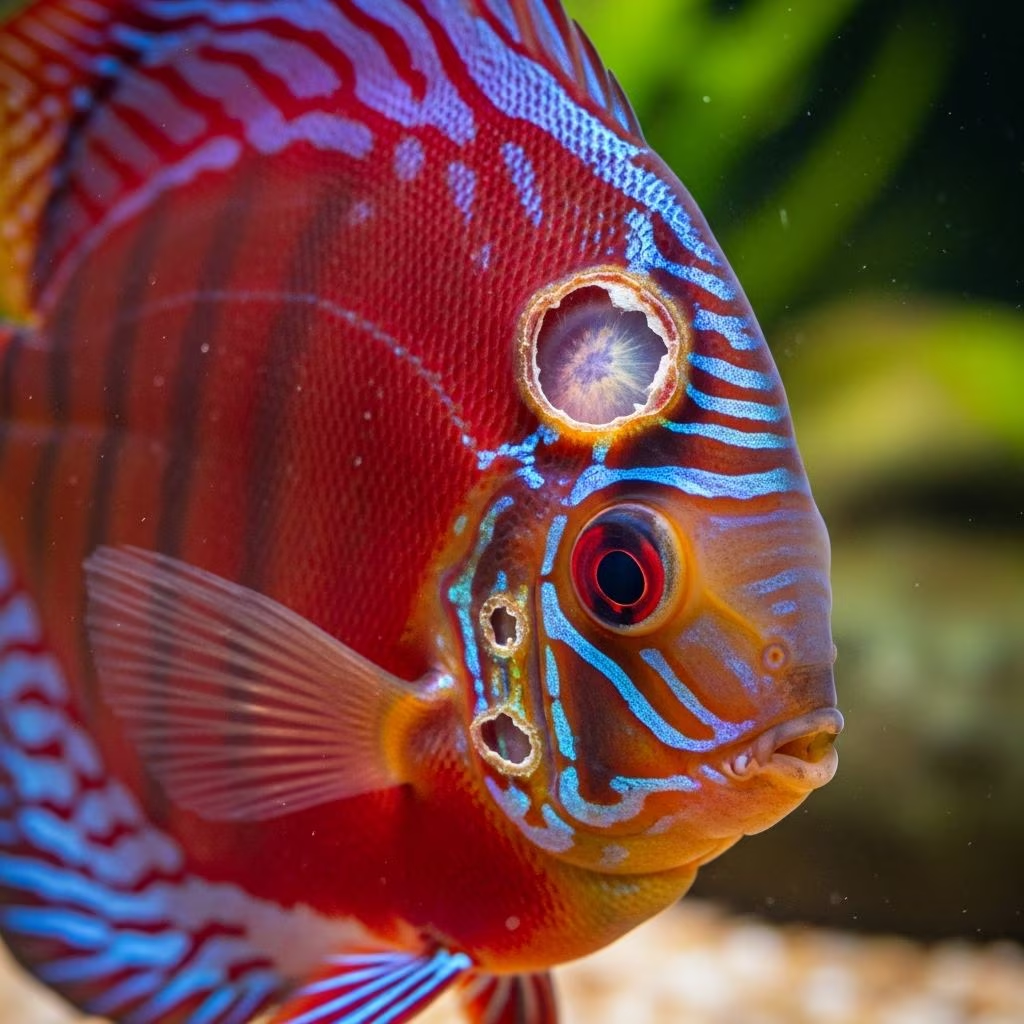
Hole in the Head Disease (HITH), also known as Head and Lateral Line Erosion (HLLE), is a prevalent condition in freshwater aquarium fish, particularly affecting species like oscars, plecostomus, and discus. This ailment manifests as erosive pits and lesions primarily along the head and lateral lines, potentially leading to severe debilitation if not addressed promptly. Understanding its origins, progression, and control measures is vital for aquarists aiming to maintain vibrant, healthy fish populations.
Recognizing the Signs of Trouble
Early detection plays a pivotal role in managing HITH effectively. The disease typically begins with subtle changes that escalate over time. Initial symptoms include small, pitted depressions on the fish’s head, especially around the eyes, mouth, and sensory pores. These pits may appear as white or translucent spots, gradually enlarging and deepening into ulcers.
As the condition advances, lesions spread to the lateral line running along the fish’s flanks, causing tissue loss and exposing underlying structures. Affected fish often exhibit weight loss, lethargy, and reduced appetite. In severe cases, secondary bacterial infections can occur, leading to fin rot or systemic illness. Behavioral shifts, such as hiding, flashing against tank decorations, or erratic swimming, further signal distress.
- Early-stage indicators: Tiny pits on head, mild discoloration
- Progressive symptoms: Enlarged lesions, loss of barbels in catfish
- Advanced signs: Open sores, emaciation, neurological issues like disorientation
Observing these cues regularly during feeding and maintenance routines can prevent minor issues from becoming fatal.
Unraveling the Root Causes
HITH stems from a combination of environmental stressors and biological factors. The primary culprit is often the flagellate parasite Hexamita (or Octomita), a protozoan that invades the intestinal tract before migrating to the head region. Poor water quality exacerbates this by weakening the fish’s immune defenses, allowing opportunistic infections to thrive.
Nutritional imbalances, particularly deficiencies in vitamin C and thiamine, contribute significantly. Low-quality or monotonous diets fail to provide essential nutrients, impairing tissue repair and mucosal integrity. Overcrowding, inadequate filtration, and infrequent water changes create ammonia spikes and nitrate accumulation, fostering pathogen proliferation.
Other triggers include:
- High organic waste from uneaten food and fish excretions
- Sudden parameter shifts, like pH or temperature fluctuations
- Stress from aggressive tank mates or recent transport
In community tanks, certain species are more susceptible due to their dietary preferences and physiology, highlighting the need for tailored husbandry practices.
Diagnostic Approaches for Accurate Identification
Confirming HITH requires a systematic evaluation by an experienced aquarist or veterinarian. Start with a thorough visual inspection under good lighting, noting lesion patterns and fish behavior. Water parameter tests—covering pH, ammonia, nitrite, nitrate, and hardness—are essential to rule out environmental toxins.
Advanced diagnosis may involve scraping lesions for microscopic examination to detect Hexamita trophozoites, characterized by their pear-shaped bodies and flagella. Gill biopsies can reveal concurrent infections. In research settings, PCR testing identifies specific pathogens, though this is less common in home aquariums.
| Test Method | Purpose | Key Findings |
|---|---|---|
| Water Chemistry Analysis | Assess tank conditions | Elevated ammonia/nitrate levels |
| Skin/Gill Scrapes | Parasite detection | Motile flagellates present |
| Observation | Symptom documentation | Pitting along lateral line |
Differentiating HITH from similar conditions like angelfish pox or columnaris is crucial, as treatments vary.
Effective Treatment Strategies
Treatment hinges on addressing both the parasite and underlying stressors. Begin with a quarantine tank to isolate affected fish, preventing spread. Perform a 50-75% water change using dechlorinated water matched to original parameters, followed by gravel vacuuming to remove detritus.
Metronidazole stands as the cornerstone medication, administered at 250-500 mg per 10 gallons via medicated food or water baths. For intestinal targeting, soak gel foods in the solution. Combine with vitamin supplements, especially C-enriched spirulina flakes, to bolster recovery.
Step-by-Step Protocol:
- Quarantine and clean tank thoroughly
- Administer metronidazole for 5-7 days
- Supplement diet with high-quality, varied foods
- Monitor parameters daily; repeat treatments if needed
Severe cases may require salt baths (1-3 ppt) or formalin-malachite green combinations, used cautiously to avoid toxicity. Avoid copper-based treatments, as they harm sensitive species like scaleless fish.
Prevention: Building a Resilient Aquarium Environment
Proactive measures far outweigh reactive treatments. Maintain pristine water quality through weekly 25-30% changes, robust biological filtration, and low stocking densities. Employ test kits routinely to keep nitrates below 20 ppm.
Offer a nutrient-dense diet rotating proteins, veggies, and supplements. Frozen or live foods enhance palatability and nutrition. Introduce new fish after a 4-week quarantine, treating prophylactically if sourced from unverified vendors.
Enhance tank setups with hiding spots, stable temperatures (76-82°F for most tropicals), and gentle water flow to minimize stress. Regular observation fosters early intervention.
Species-Specific Vulnerabilities and Care Tips
Cichlids like oscars and severums face heightened risk due to their large size and messy eating habits, demanding oversized tanks with powerful filters. Plecos require ample driftwood for dietary fiber, preventing constipation-linked HITH flares.
Discus, being delicate, thrive in species-only setups with soft, acidic water mimicking Amazonian origins. Tailor prevention to these nuances for optimal health.
Long-Term Management and Prognosis
With prompt intervention, many fish recover fully, though scarring may persist. Recurrence is common if root causes linger, necessitating ongoing vigilance. Advanced cases with neurological damage carry guarded prognoses, sometimes warranting euthanasia for welfare.
Post-treatment, gradually reintroduce fish to main tanks, monitoring for relapse. Success stories abound among dedicated hobbyists who prioritize holistic care.
Frequently Asked Questions
Is Hole in the Head Disease contagious?
Direct transmission is low, but shared water and stress facilitate outbreaks. Quarantine mitigates risks.
Can HITH resolve without medication?
Rarely; improved conditions may halt progression, but parasites typically demand targeted therapy.
How long does treatment take?
Visible improvement in 7-14 days; full healing spans 4-6 weeks with consistent care.
Are there natural remedies?
Garlic extracts and probiotics support immunity, but they supplement—not replace—metronidazole.
Does water chemistry directly cause HITH?
Not alone, but poor parameters enable Hexamita proliferation, acting as a key cofactor.
References
- Hydrocephalus in Cats — PetMD. 2023-05-15. https://www.petmd.com/cat/conditions/neurological/hydrocephalus-cats
- Brain Injury in Cats — VCA Animal Hospitals. 2024-02-10. https://vcahospitals.com/know-your-pet/brain-injury-in-cats
- Understanding Strokes in Cats — MedVet. 2023-11-20. https://www.medvet.com/strokes-in-cats/
- Vestibular Syndrome — Cornell University College of Veterinary Medicine. 2022-08-01. https://www.vet.cornell.edu/departments-centers-and-institutes/cornell-feline-health-center/health-information/feline-health-topics/vestibular-syndrome



