

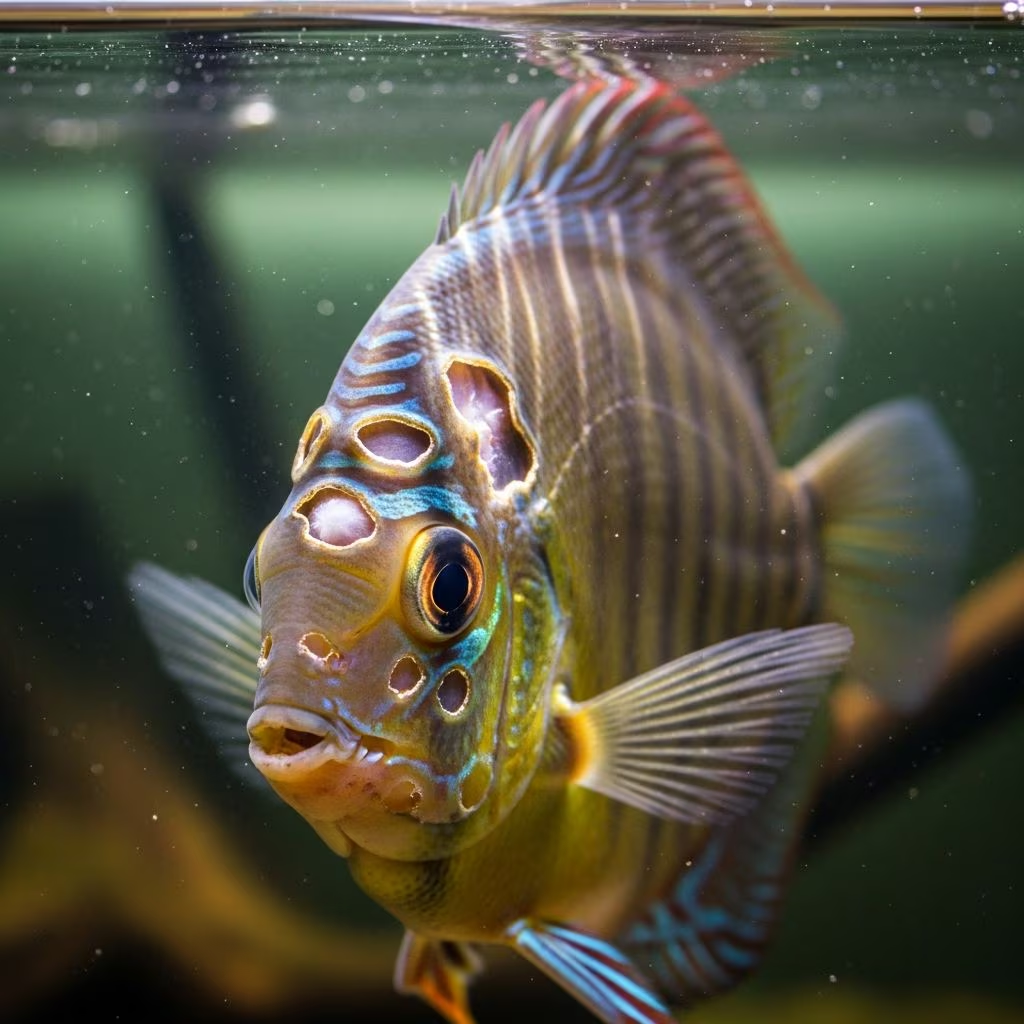
Hole-in-the-Head disease, often abbreviated as HITH, manifests as erosive pits primarily around a fish’s head and sensory lines, posing a significant threat to aquarium inhabitants, especially cichlids, discus, and oscars. This condition, distinct yet sometimes confused with Head and Lateral Line Erosion (HLLE), requires prompt identification and intervention to prevent fatalities.
Recognizing the Signs of HITH
Early detection is crucial for successful management. The disease typically begins with subtle **small pits or indentations** on the fish’s head, particularly near sensory organs, progressing to deeper lesions if unchecked. Affected fish often exhibit **lethargy**, reduced appetite leading to weight loss, and behaviors like rubbing against tank decorations due to discomfort. In severe cases, white discharge may ooze from the pits, signaling secondary infections. Unlike broader tissue degradation in HLLE, HITH pits are narrower and deeper, often linked to parasitic activity.
- Initial skin indentations evolving into open sores
- Loss of vibrancy and hiding behavior
- Visible erosion along the lateral line in advanced stages
Primary Culprits Behind HITH
Research points to **protozoan parasites** such as Hexamita spp. and Spironucleus vortens as key pathogens in HITH cases. These organisms invade beyond the gut, affecting organs like the brain, eyes, and head tissues, causing direct tissue damage. Studies confirm their presence in head lesions of infected discus and angelfish.
Environmental stressors exacerbate outbreaks. Poor water quality, characterized by high bacterial loads, compromises fish immunity and directly targets sensitive neuromasts—sensory cells in the head and lateral line. Deficiencies in dietary vitamins (C and D) and trace minerals weaken defenses, while prolonged use of activated carbon strips essential micronutrients, triggering symptoms. Stress from suboptimal temperature, pH fluctuations, or aggressive tank mates further enables parasite proliferation.
| Factor | Description | Impact on Fish |
|---|---|---|
| Parasites (Hexamita, Spironucleus) | Invade tissues systemically | Deep pits with discharge |
| Water Quality | High bacteria, low minerals | Immune suppression |
| Diet | Vitamin/mineral gaps | Physiological stress |
| Carbon Filtration | Removes trace elements | Symptom recurrence |
Differentiating HITH from HLLE
While symptoms overlap, HITH and HLLE differ fundamentally. HITH features parasite-driven, narrow pits with discharge, responsive to antiparasitics like metronidazole. HLLE presents wider, shallower erosions without confirmed pathogens, tied to nutritional deficits or carbon use, as seen in oscars where symptoms returned with carbon reintroduction. This distinction guides treatment: parasites for HITH, environment tweaks for HLLE.
Effective Treatment Strategies
Treatment hinges on addressing parasites and stressors simultaneously. Administer **metronidazole** (e.g., via medicated food or water), which has cured cases outright by eradicating Hexamita and Spironucleus. Combine with aquarium salt (1-2 teaspoons per 5 gallons) to bolster osmoregulation and reduce stress.
Optimize tank conditions: perform 25-50% daily water changes with dechlorinated water matched to tank parameters, remove activated carbon, and elevate temperature slightly (e.g., 82-86°F for tropicals) to boost metabolism. Feed high-quality, vitamin-enriched foods like spirulina flakes or gel diets to replenish nutrients.
- Quarantine affected fish immediately
- Dose metronidazole per instructions (e.g., 250mg/10 gallons)
- Maintain pristine water parameters: ammonia/nitrite 0 ppm, nitrates <20 ppm
- Monitor for 2-4 weeks; repeat if needed
Success stories include discus recovering fully post-metronidazole, with no recurrence under consistent protocols.
Prevention: Building a Resilient Aquarium
Proactive measures avert HITH. Maintain robust biofiltration to curb bacterial overgrowth—avoid undersized filters for large fish like oscars. Test water weekly, using RO/DI water supplemented with remineralizers to ensure trace elements. Diversify diets with veggies, pellets, and supplements; avoid over-reliance on flakes.
Introduce fish gradually after quarantine, minimizing stress. Periodic salt baths or herbal prophylactics (e.g., Indian almond leaves) enhance immunity without chemicals. Regular maintenance, like skipping carbon in sensitive setups, prevents micronutrient loss.
Case Studies and Observations
In one documented instance, an oscar displayed HLLE pits post-carbon use; removal halted progression, underscoring nutritional links. Discus with profuse white discharge from HITH pits resolved via metronidazole-soaked food, proving parasitic etiology. Marine tangs show similar HLLE from carbon dust, highlighting cross-species patterns. These cases affirm multifactorial origins but parasite primacy in HITH.
FAQs on Hole-in-the-Head Disease
Can HITH spread between fish?
Yes, via shared water or feces harboring parasites; quarantine new arrivals.
Is medication always necessary?
Not if caught early via stress reduction, but severe cases demand antiparasitics.
How long does recovery take?
1-4 weeks with treatment; pits may scar but heal.
Does salt treat HITH?
It supports treatment by reducing osmotic stress but doesn’t eradicate parasites alone.
Can plants help prevent it?
Live plants improve water quality and provide tannins for immunity.
Long-Term Tank Management Tips
Sustain health with automated water changers, UV sterilizers for parasite control, and varied feeding schedules. Monitor for early signs during daily checks. Community tanks benefit from species-compatible stocking to minimize aggression.
References
- Hole in the Head (HITH) and Head and Lateral Line Erosion (HLLE) in Aquarium Fish — Advanced Aquarium Concepts. 2023. https://advancedaquariumconcepts.com/hole-in-the-head-hith-and-head-and-lateral-line-erosion-hlle-in-aquarium-fish/
- Your Guide to Hole In the Head — The iFISH Store. 2024. https://theifishstore.com/pages/your-guide-to-hole-in-the-head
- Hole-in-the-Head Disease in Fish: Causes, Treatment & Prevention — Pete’s Aquatics. 2023. https://petesaquatics.com/hole-in-the-head-disease-in-fish-causes-treatment-prevention/
- 11.1. Hole in the Head — Aquarium Science. 2024. https://aquariumscience.org/11-1-hole-in-the-head/
- What you need to know about hole in the head disease — Practical Fishkeeping. 2022-10-15. https://www.practicalfishkeeping.co.uk/features/what-you-need-to-know-about-hole-in-the-head-disease/
- How to Treat Hole-in-the-Head Disease in Aquarium Fish — Aquarium Co-Op. 2023. https://www.aquariumcoop.com/blogs/aquarium/hole-in-the-head



