

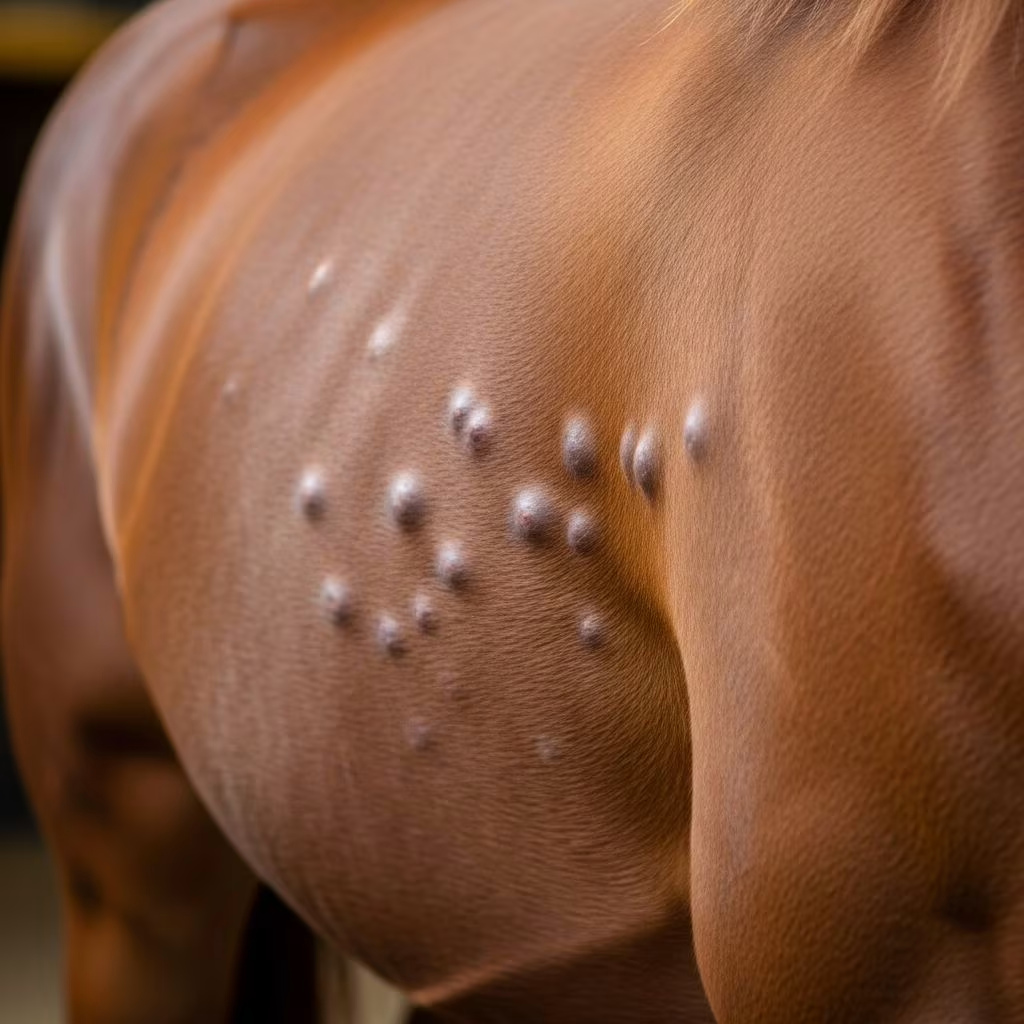
Hives, medically termed urticaria, represent a frequent dermatological issue in equines, manifesting as abrupt swellings on the skin due to fluid accumulation in deeper layers. These reactions often stem from hypersensitivity responses, demanding prompt recognition by horse owners for effective intervention.
Recognizing the Signs of Hives
The hallmark of hives in horses includes elevated, rounded welts ranging from small pea-sized bumps to expansive patches up to 8 inches across. These lesions typically feel firm yet cool upon touch and exhibit a distinctive pitting effect when pressed, where the skin temporarily indents before rebounding.
Common locations encompass the trunk, sides, neck, and limbs, though they can spread to the face, eyelids, or even mucosal surfaces in intense episodes. While many cases remain non-itchy, some horses display restlessness, rubbing against objects, or self-inflicted abrasions leading to secondary bacterial complications.
- Primary indicators: Sudden onset of wheals post-exposure to triggers
- Sensory traits: Cool texture, pressure-induced dimpling
- Behavioral cues: Agitation, reduced feed intake, or fever in severe instances
In extreme scenarios, widespread swelling might impair respiration if the head or throat is involved, underscoring the need for veterinary consultation.
Common Triggers Behind Equine Hives
Urticaria arises predominantly from immune-mediated overreactions, categorized as type I hypersensitivity where mast cells release histamine rapidly after antigen contact. Triggers enter via inhalation, ingestion, injection, or skin contact, complicating pinpointing the exact culprit.
Insect-Related Allergens
Summer surges in cases link directly to bites from culicoides midges, mosquitoes, horseflies, and stable flies. Horses with insect bite hypersensitivity (IBH) suffer recurrent flares, as saliva proteins provoke exaggerated responses.
Pharmacological and Nutritional Culprits
Medications like penicillin, phenylbutazone, vaccines, or dewormers frequently incite reactions post-administration. Dietary factors, including novel feeds, supplements, moldy hay, or pasture plants, account for chronic patterns.
Physical and Environmental Factors
Non-allergic initiators include temperature extremes—cold urticaria confirmed by ice cube tests or heat/cholinergic forms post-exercise—and mechanical stressors like pressure from tack or sunlight exposure after chemical contact.
| Trigger Category | Examples | Seasonal Pattern |
|---|---|---|
| Insect Bites | Culicoides, flies | Summer peak |
| Medications | Antibiotics, NSAIDs | Anytime |
| Physical | Cold, heat, exercise | Weather-dependent |
| Dietary | Feeds, supplements | Variable |
Diagnostic Approaches for Accurate Identification
Veterinarians initiate with a thorough history, noting onset timing, lesion evolution, and recent exposures. Physical exams confirm wheal characteristics, ruling out mimics like ringworm or pemphigus via skin scrapes, biopsies, or cytology.
For elusive causes, provocation tests—such as ice for cold sensitivity or feed elimination diets—aid specificity. Intradermal allergen testing, akin to human protocols, identifies insect or environmental hypersensitivities, though results demand cautious interpretation.
- History review: Feed changes, insect activity, drug use
- Challenge tests: Temperature packs, isolated diets
- Advanced: Biopsy for vasculitis exclusion
Chronic cases exceeding 6-8 weeks warrant extensive panels to detect infections, parasites, or vasculopathies.
Management and Therapeutic Options
Acute relief prioritizes trigger avoidance alongside symptom palliation. Corticosteroids like prednisolone provide swift anti-inflammatory effects, resolving wheals within 24-48 hours, while antihistamines offer adjunct support despite variable equine efficacy.
For persistent outbreaks, immunomodulators or allergen-specific immunotherapy target root causes, particularly IBH. Topical therapies soothe localized itching but risk further sensitization.
| Treatment Type | Examples | Application | Notes |
|---|---|---|---|
| Systemic Steroids | Prednisolone, dexamethasone | Oral/injectable | Rapid but taper to avoid rebound |
| Antihistamines | Hydroxyzine, diphenhydramine | Oral | Moderate success; combine with steroids |
| Topicals | Steroid creams, antipruritics | Skin application | For mild, focal lesions |
| Immunotherapy | Vaccines for allergens | Long-term injections | Best for confirmed hypersensitivities |
Supportive care includes cool hosing to constrict vessels and reduce edema, alongside monitoring for complications.
Preventive Strategies for Long-Term Control
Proactive measures hinge on trigger minimization: fly sheets, masks, and repellents curb insect exposure; meticulous feed hygiene avoids contaminants; and seasonal deworming/vaccination scheduling mitigates drug risks.
Stable management—ventilation for pollen reduction, hypoallergenic bedding—complements environmental controls. Regular health checks facilitate early detection, especially in prone breeds or recurrent sufferers.
- Insect barriers: Sheets, fans, screened areas
- Diet audits: Single-source feeds during trials
- Monitoring: Weekly skin inspections
When to Seek Immediate Veterinary Help
Escalation warrants urgent care if hives generalize, cause lameness, respiratory distress, or persist despite home care. Accompanying systemic signs like colic, fever, or lethargy signal deeper issues.
Frequently Asked Questions
Do hives always itch in horses?
Not necessarily; while pruritus occurs in some, many horses show no discomfort, focusing attention on visual changes.
Can hives resolve without treatment?
Yes, isolated episodes often self-limit within 24-48 hours post-trigger removal, but monitoring prevents recurrence.
Are certain breeds more susceptible?
No strong breed predisposition exists, though insect-sensitive individuals across breeds suffer seasonally.
Is urticaria contagious?
No, it’s an individual hypersensitivity, not transmissible between horses.
How long until treatment works?
Steroids typically clear signs in 1-2 days; full trigger management may take weeks.
Prognosis and Ongoing Care
Most horses enjoy excellent outcomes with trigger identification and avoidance, though chronic forms pose management hurdles requiring vigilant oversight. Consistent strategies yield flare-free periods, enhancing welfare.
References
- Hives in Horses: Symptoms and Treatment — The Horse. 2014-10-01. https://thehorse.com/14663/hives-in-horses-symptoms-and-treatment/
- Hives (Urticaria) in Horses — MSD Veterinary Manual. 2023-05-01. https://www.msdvetmanual.com/horse-owners/skin-disorders-of-horses/hives-urticaria-in-horses
- Hives in Horses (Urticaria): Causes, Treatment & Prognosis — Mad Barn. 2024-01-15. https://madbarn.com/hives-in-horses/
- Equine Hives — CK Equine Hospital. 2023-08-20. https://www.ckequinehospital.com/services/equine/blog/equine-hives
- Can equine urticaria be cured? — PMC (PubMed Central). 2020-08-15. https://pmc.ncbi.nlm.nih.gov/articles/PMC7424928/



