
Histomoniasis In Poultry: Prevention And Control Guide
Understanding the devastating blackhead disease: causes, impacts, and strategies for poultry producers to combat this deadly parasite.
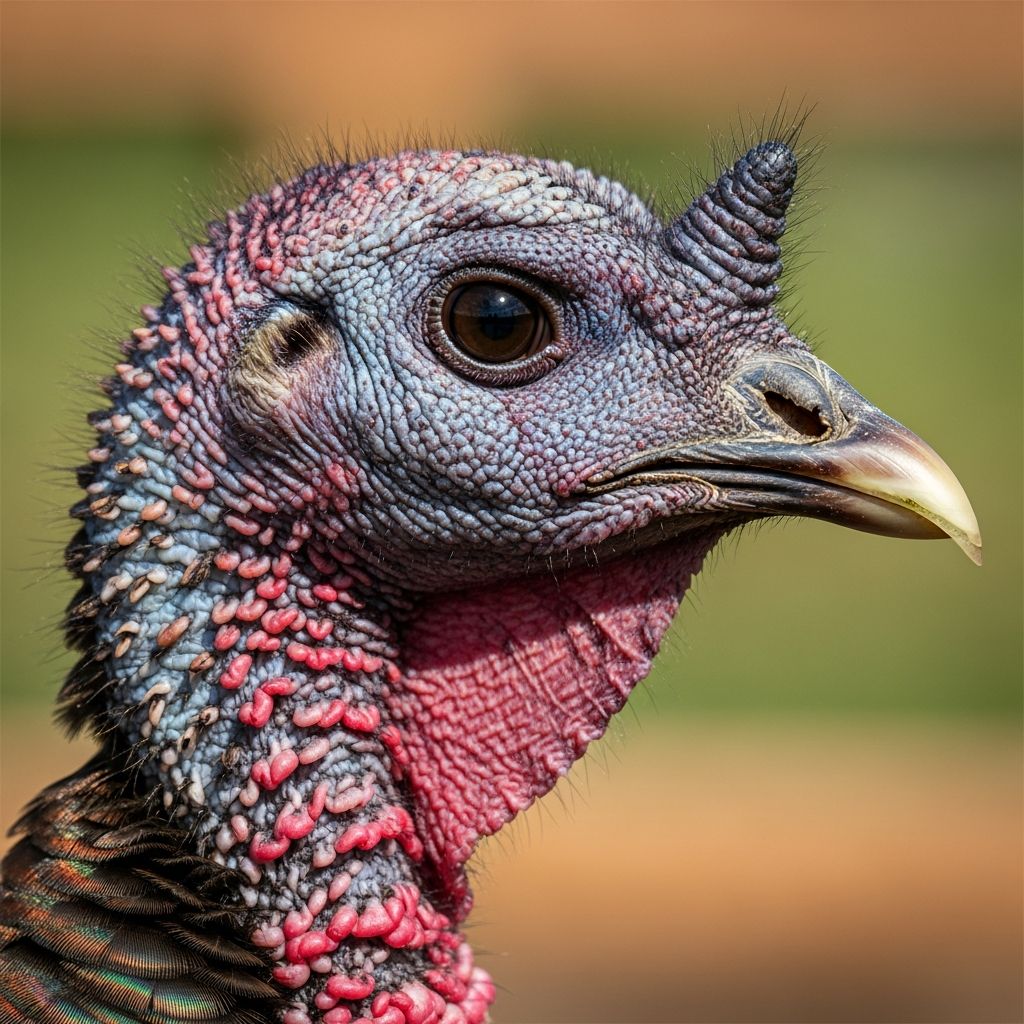
Histomoniasis, commonly referred to as blackhead disease, poses a severe challenge to poultry farming worldwide. Caused by the protozoan parasite Histomonas meleagridis, this infection primarily targets turkeys but also affects chickens and other gallinaceous birds. In turkeys, mortality can soar to 80-100%, devastating flocks and causing significant economic losses. Chickens often serve as subclinical carriers, perpetuating the disease cycle within farms. This article delves into the biology of the parasite, its transmission dynamics, clinical manifestations, diagnostic approaches, and critical management strategies to safeguard poultry health.
The Biology of Histomonas meleagridis
Histomonas meleagridis is an anaerobic, flagellated protozoan that thrives in the oxygen-poor environment of the avian cecum. Lacking a cyst stage, it depends on symbiotic relationships for survival and spread outside the host. The parasite forms tissue-invasive amoeboid stages within the bird, leading to destructive lesions in the intestines and liver. Its life cycle is closely intertwined with the cecal nematode Heterakis gallinarum, whose eggs encapsulate histomonads, protecting them during environmental transmission.
Recent research highlights the parasite’s genetic diversity, with virulent strains emerging in commercial operations. In turkeys, the pathogen multiplies rapidly post-ingestion, invading cecal mucosa within days. From there, histomonads enter the bloodstream via portal veins, disseminating to the liver and occasionally other organs like the kidneys, spleen, and bursa of Fabricius. Secondary bacterial invaders, such as Escherichia coli, exacerbate tissue damage, turning localized infections into systemic catastrophes.
Transmission Pathways in Poultry Environments
The primary route of histomoniasis spread involves oral ingestion of infected material. Heterakis gallinarum eggs, laden with viable histomonads, contaminate soil, litter, feed, and water. These embryonated eggs remain infectious for months under moist, shaded conditions. Earthworms act as paratenic hosts, harboring larvae that retain infectious protozoa, posing risks in free-range systems where birds forage.
- Cecal worms: Main vector; eggs shed in droppings survive 2-3 years.
- Direct cloacal transmission: Via contaminated beak or vent contact in multi-age flocks.
- Insect vectors: Flies and beetles mechanically carry histomonads between birds.
- Environmental persistence: Thrives in wet litter; exacerbated by coccidiosis or overcrowding.
Farm practices like all-in-all-out systems reduce risks, but organic and backyard setups amplify transmission due to soil contact. Co-infections with coccidia breach cecal barriers, facilitating protozoan entry.
Species Susceptibility and Disease Impact
| Species | Susceptibility | Mortality Rate | Key Effects |
|---|---|---|---|
| Turkeys | High | 80-100% | Severe cecal cores, liver necrosis; rapid flock wipeout |
| Chickens (broilers/layers) | Moderate | 10-30% (outbreaks) | Subclinical carriage; reduced egg production |
| Gamebirds/Peafowl | Variable | High in young | Similar lesions; growth stunting |
Turkeys exhibit extreme vulnerability, with poults succumbing within 7-14 days of exposure. Chickens, historically viewed as reservoirs, now show clinical outbreaks, particularly in layers where egg yields drop amid chronic infections. Free-range and organic flocks face heightened risks from soil-borne vectors.
Recognizing Clinical Signs Early
Symptoms emerge 6-12 days post-infection, starting subtly before escalating. Initial signs include lethargy and appetite loss, progressing to drooping wings, ruffled feathers, and huddling. Affected birds stand for prolonged periods with closed eyes, signaling severe discomfort. A hallmark is sulfur-yellow diarrhea, staining droppings and litter.
In advanced stages, cyanosis (bluish discoloration) of the head and wattles gives rise to the “blackhead” moniker—though it’s vascular rather than pigmented. Dehydration and emaciation follow, with turkeys dying acutely. Chickens may recover partially but harbor parasites long-term. Young birds perish fastest, amplifying flock losses.
Pathological Hallmarks at Necropsy
Post-mortem exams reveal pathognomonic changes confirming histomoniasis. Cecal walls thicken and ulcerate, filling with yellow-white caseous cores—masses of necrotic debris and protozoa. Livers display target-like lesions: 1-4 cm hemorrhagic foci with pale centers, sometimes green-tan from bile involvement. These bullseye patterns are diagnostic in turkeys.
Microscopically, tissues show protozoan clusters amid necrosis, infiltrated by lymphocytes, macrophages, and plasma cells. Kidneys may exhibit mottling, and the bursa of Fabricius can harbor parasites. Bacterial overgrowth in ceca intensifies pathology.
Diagnostic Methods and Confirmation
Diagnosis combines clinical history, signs, and gross pathology. Necropsy of fresh carcasses is gold standard, identifying cecal cores and liver lesions. Wet mounts from cores reveal motile histomonads under microscopy. PCR assays detect parasite DNA in tissues or feces, aiding early or subclinical cases.
- Gross pathology: Cecal thickening, caseous plugs; bullseye liver spots.
- Histopathology: Protozoa in inflammatory infiltrates.
- Molecular tools: qPCR for strain virulence typing.
- Exclusion: Rule out avian influenza, salmonellosis via culture.
Challenges arise in chickens with mild lesions; histopathology or PCR resolves ambiguities.
Prevention: Breaking the Transmission Cycle
No vaccines or approved therapeutics exist, following nitroimidazole bans. Management hinges on biosecurity and husbandry.
- Vector control: Regular deworming with fenbendazole targets Heterakis.
- Litter management: Dry, rotate litter; avoid wet accumulations.
- Stocking density: Prevent overcrowding; all-in-all-out rearing.
- Multi-age avoidance: Single-age flocks minimize cloacal spread.
- Forage restriction: Limit earthworm access in ranges.
Probiotics and essential oils show experimental promise in modulating cecal flora, curbing protozoan synergy. Coccidiostats indirectly aid by preserving mucosal integrity.
Treatment Limitations and Emerging Options
Regulatory voids leave few options. Nitarsone withdrawal spurred research into arsenical alternatives, but none gained approval. Off-label antimicrobials like paromomycin offer partial control, targeting histomonads and bacteria. Supportive care—electrolytes, vitamins—bolsters survivors.
Ongoing trials explore RNAi, plant extracts, and live-attenuated strains for vaccination. Integrated approaches, blending prevention with surveillance, remain paramount.
Frequently Asked Questions (FAQs)
What causes blackhead disease in poultry?
It’s triggered by Histomonas meleagridis, transmitted mainly via Heterakis gallinarum eggs or earthworms.
Why are turkeys more affected than chickens?
Turkeys lack genetic resistance; rapid parasite replication causes lethal lesions, unlike resilient chickens.
Can histomoniasis spread between farms?
Yes, via contaminated equipment, birds, or vectors; strict quarantine is essential.
Is there a vaccine available?
No approved vaccines; focus on prevention through biosecurity.
How do I confirm histomoniasis in my flock?
Submit necropsied samples for pathology and PCR to a veterinary lab.
Future Directions in Histomoniasis Control
Genomic sequencing of H. meleagridis strains informs virulence factors, paving for targeted interventions. Sustainable farming demands novel antiprotozoals and vaccines. Producers must prioritize surveillance, leveraging molecular diagnostics for proactive management. By disrupting vectors and optimizing environments, the poultry industry can mitigate this ancient foe’s resurgence.
References
- Histomonosis in Poultry: A Comprehensive Review — PMC – NIH. 2022-05-11. https://pmc.ncbi.nlm.nih.gov/articles/PMC9120919/
- Histomoniasis — Wikipedia (primary sources referenced). N/A. https://en.wikipedia.org/wiki/Histomoniasis
- Emerging Histomoniasis in Poultry Farms: A Narrative Review — Journal of Poultry Science and Avian Diseases. N/A. https://jpsad.com/index.php/jpsad/article/view/147
- Histomoniasis in Poultry — Merck Veterinary Manual. N/A. https://www.merckvetmanual.com/poultry/histomoniasis/histomoniasis-in-poultry
- Histomoniasis — Poultry Hub Australia. N/A. https://www.poultryhub.org/all-about-poultry/health-management/disease/histomoniasis
- Histomoniasis: Unraveling the mystery of an ancient parasite — Modern Poultry Media. N/A. https://modernpoultry.media/histomoniasis-unraveling-the-mystery-of-an-ancient-parasite/
Similar Articles








Read full bio of medha deb


