

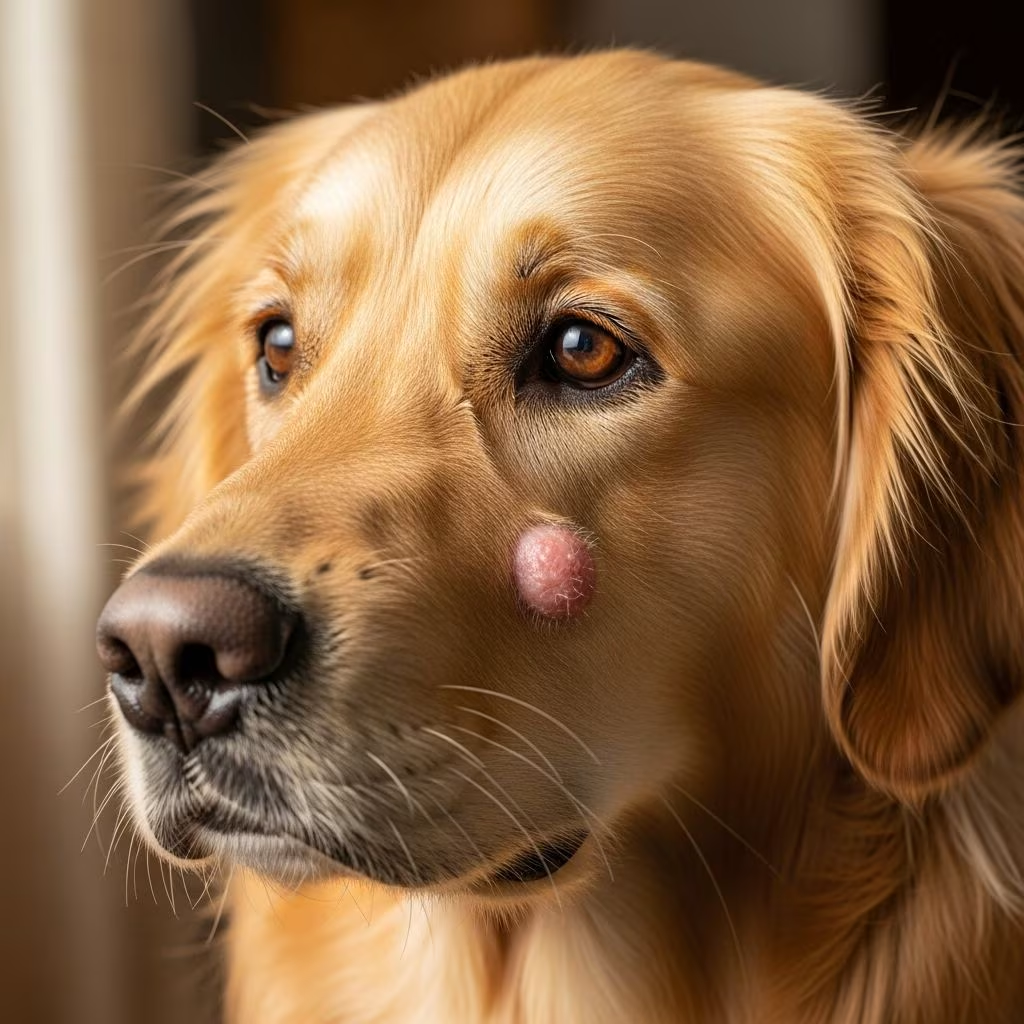
Histiocytomas represent one of the most frequently encountered skin abnormalities in younger dogs, appearing as small, raised nodules that are generally harmless and self-resolving. These benign tumors arise from specialized immune cells called histiocytes and predominantly affect dogs under three years old, with certain breeds showing higher susceptibility.
Understanding the Nature of Canine Histiocytomas
Histiocytomas, also known as cutaneous histiocytomas, originate in the skin’s Langerhans cells, which play a key role in the immune response. Unlike malignant forms, these growths are non-cancerous and do not spread to other parts of the body. They typically emerge suddenly, forming dome-shaped or button-like lumps that measure between 0.5 to 2.5 centimeters in diameter.
The precise cause remains idiopathic, but genetic predispositions in breeds like Boxers, Dachshunds, Bulldogs, and Labrador Retrievers contribute to their prevalence. These tumors account for a significant portion of skin neoplasms in canine patients, particularly in those with youthful immune systems that eventually mount an effective response to eliminate them.
Recognizing the Signs: Common Symptoms and Appearance
Pet owners often discover histiocytomas during routine grooming or petting sessions, as they present as solitary, hairless, reddish-pink elevations on the skin. Key characteristics include:
- Smooth, round, or slightly eroded surface
- Firm yet movable under the skin
- Located on the head, ears, legs, or trunk
- Occasional ulceration leading to bleeding or crusting
- Mild itching or licking if irritated
In most instances, dogs exhibit no systemic signs such as fever, appetite loss, or lethargy, distinguishing these from more serious conditions. However, if positioned on high-friction areas like paws or eyelids, they may become traumatized, resulting in secondary swelling, pus, or discomfort.
Breeds at Higher Risk and Age Factors
Short-haired breeds dominate the statistics for histiocytoma occurrences. Boxers top the list, followed closely by breeds with similar coat types. Puppies and adolescents under 36 months are overwhelmingly affected, with incidence dropping sharply in senior dogs as immune dynamics shift.
| Breed | Risk Level | Typical Age |
|---|---|---|
| Boxer | High | <3 years |
| Dachshund | High | <3 years |
| Bulldog | Moderate | <3 years |
| Labrador Retriever | Moderate | <3 years |
| Other short-haired breeds | Low-Moderate | <3 years |
This table summarizes breed predispositions based on veterinary observations.
Diagnostic Approaches: Confirming the Benign Nature
Early differentiation from malignant tumors is crucial. Veterinarians employ minimally invasive techniques:
- Fine Needle Aspirate (FNA): A quick in-clinic procedure where cells are extracted via needle and examined microscopically, revealing characteristic round histiocytes.
- Biopsy: For ambiguous cases, surgical excision provides definitive histology, often under local anesthesia.
- Imaging or Lymph Node Checks: Rarely needed unless atypical features suggest malignancy.
Accurate diagnosis prevents unnecessary interventions, as most histiocytomas display classic cytological patterns.
Management Strategies: From Watchful Waiting to Intervention
The hallmark of histiocytoma management is their spontaneous regression, occurring in 2-3 months via immune-mediated apoptosis. Observation suffices for uncomplicated cases.
When intervention is warranted—due to location, size, or complications—options include:
- Topical Therapies: Antibiotic ointments like Animax for infected sites ($10-15 cost).
- Surgical Excision: Quick removal for persistent or bothersome growths, offering immediate relief and confirmatory pathology.
- Supportive Care: Elizabethan collars (cones) to deter self-trauma, orthopedic bedding for leg lesions.
Steroid creams may accelerate resolution in irritated cases, though evidence is anecdotal. Home care involves saline or dilute chlorhexidine cleanses for minor sores.
Differentiating Benign from Malignant Histiocytic Disorders
While cutaneous histiocytomas are benign, malignant variants like histiocytic sarcoma pose grave threats with multi-organ involvement, anorexia, dyspnea, and poor prognosis. Key distinctions:
| Feature | Benign Histiocytoma | Malignant Histiocytosis |
|---|---|---|
| Age | Young (<3 yrs) | Any, often older |
| Symptoms | Local lump only | Systemic (weight loss, fever) |
| Prognosis | Excellent, self-resolves | Poor, aggressive |
| Treatment | Observation/surgery | Chemotherapy, cell therapy |
Malignant forms may respond to advanced therapies like TALL-104 cell infusions or chemo protocols (e.g., cyclophosphamide, vincristine), achieving remissions of months to years in select cases.
Preventive Measures and Home Monitoring Tips
No direct prevention exists, but vigilant skin checks during grooming aid early detection. Monitor for:
- Changes in size, color, or shape after one month
- Persistent ulceration or discharge
- Multiple lumps or lymph node enlargement
Regular veterinary wellness exams, especially for at-risk breeds, facilitate prompt identification. Avoid DIY remedies, as they risk infection.
Post-Treatment Recovery and Long-Term Outlook
Following excision or natural resolution, scars are minimal, and recurrence at the site is rare. Full immune-mediated clearance prevents regrowth. Owners should schedule follow-ups at 1-3 months to confirm resolution.
Most dogs experience no lasting effects, resuming normal activities swiftly. Cones or bandages require diligent wound care to avert complications.
Frequently Asked Questions (FAQs)
Do histiocytomas in dogs hurt?
Typically painless, though irritation from rubbing or licking can cause discomfort.
Can histiocytomas turn cancerous?
Benign histiocytomas do not malignantly transform; rule out sarcoma via diagnostics.
How long do they take to disappear?
Usually 1-3 months, with some resolving faster under monitoring.
Is surgery always necessary?
No, only for complicated or non-regressing cases.
Are there home remedies?
Cleaning with saline helps secondary issues, but professional oversight is essential; no cures exist.
When to Contact Your Veterinarian Urgently
Seek immediate care if the lump grows rapidly, multiple appear, or systemic signs emerge. Rapid changes post-initial diagnosis warrant re-evaluation to exclude differentials like mast cell tumors or infections.
References
- Histiocytomas in Dogs: Symptoms, Treatment, and More — PetMD. 2023. https://www.petmd.com/dog/conditions/skin/c_dg_histiocytoma
- Dog Histiocytoma – Signs, Causes, And Treatment — Shallowford Animal Hospital. 2023. https://shallowfordvet.com/dog-histiocytoma/
- Canine Malignant Histiocytoma Sarcoma Diagnosis & Treatment — We Are The Cure. 2023. https://wearethecure.org/learn-more-about-canine-cancer/canine-cancer-library/malignant-histiocytoma/
- Histiocytoma in dogs — Joii Pet Care. 2023. https://www.joiipetcare.com/blogs/health-conditions/histiocytoma-in-dogs
- Cutaneous Histiocytoma in Dogs — VCA Animal Hospitals. 2023. https://vcahospitals.com/know-your-pet/skin-cutaneous-histiocytoma



