

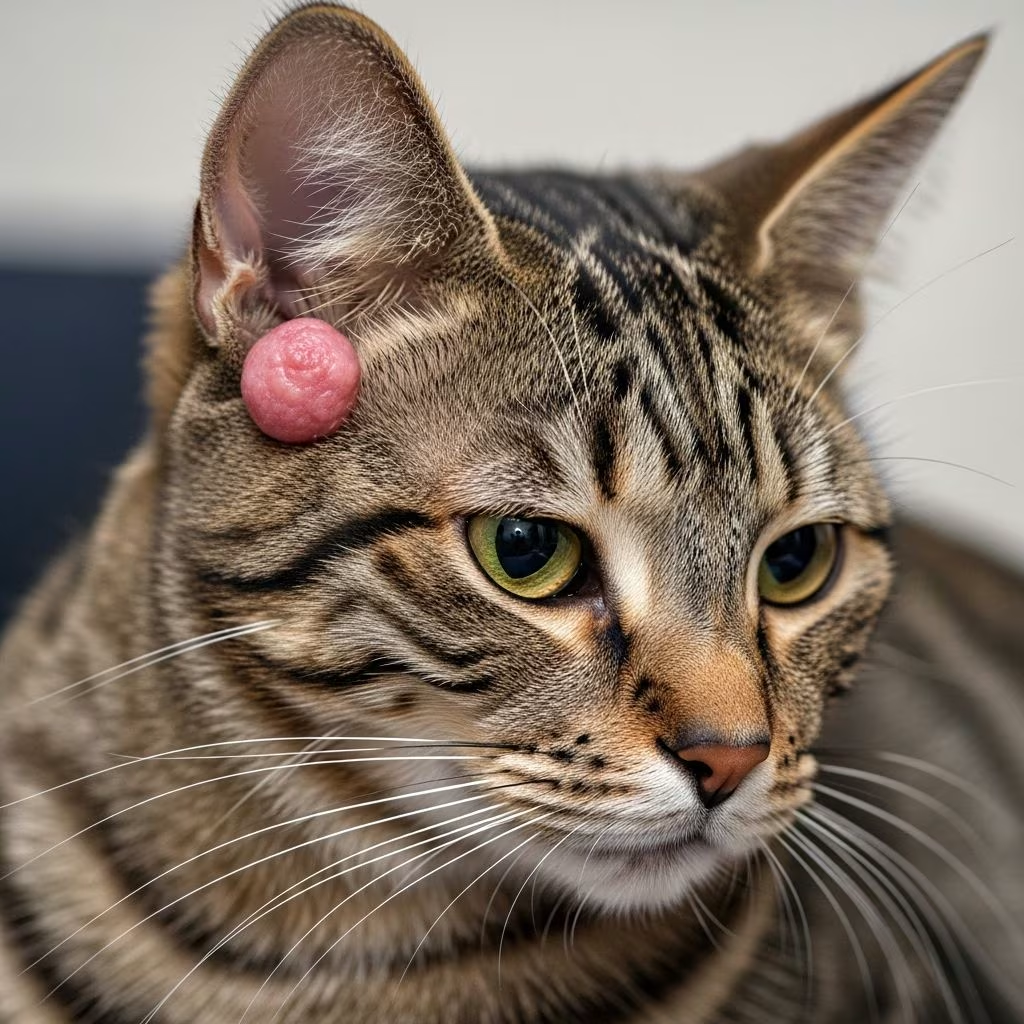
Histiocytoma represents a benign proliferation of histiocytes, specialized immune cells in the skin, primarily affecting younger cats. These tumors typically appear as solitary, raised nodules that resolve spontaneously but may require intervention if persistent or suspicious.
Understanding the Nature of Feline Histiocytomas
Histiocytomas arise from Langerhans cells, a type of dendritic cell within the epidermis responsible for antigen presentation. In cats, these lesions are less common than in dogs but share similar characteristics: they form dome-shaped, hairless masses ranging from 0.5 to 2 cm in diameter, often reddish or pink due to vascularity. Unlike malignant skin cancers, histiocytomas rarely metastasize and usually self-regress within 1-3 months as the cat’s immune system mounts a response.
While benign, differentiation from aggressive tumors like mast cell tumors (MCTs) or squamous cell carcinomas (SCCs) is crucial. MCTs, the most frequent cutaneous neoplasms in felines, can present similarly with raised, ulcerated plaques but carry risks of recurrence or metastasis in 10-20% of cases, particularly if multiple or involving lymph nodes. SCCs, linked to sun exposure, favor light-skinned areas like ears and noses, appearing as crusted erosions rather than nodules.
Common Sites and Risk Factors for Development
These tumors predominantly occur on the head, limbs, and trunk. Young cats under 3 years are most susceptible, suggesting an aberrant immune response during growth phases. Breeds like Siamese may show predisposition, though data is limited. Environmental triggers remain unclear, but chronic inflammation or UV exposure could contribute indirectly.
- Head and neck: 40% of cases, easy to notice during grooming.
- Limbs: 30%, often caught during play or limping.
- Trunk: 20%, hidden under fur until growth enlarges.
Owners should monitor for rapid growth, ulceration, or multiplicity, as these signal potential malignancy.
Recognizing Symptoms Early On
Initial signs include a small, firm bump that enlarges quickly over days to weeks. The surface may be smooth or alopecic, with minimal pruritus unless secondarily infected. Cats rarely show systemic illness, but large lesions can cause discomfort or secondary bacterial invasion leading to discharge.
| Symptom | Description | Benign vs. Concerning |
|---|---|---|
| Solitary nodule | Firm, raised, 1-2 cm | Typical of histiocytoma |
| Multiple lesions | Scattered over body | May indicate MCT |
| Ulceration/bleeding | Eroded surface | Requires urgent vet eval |
| Lymph node swelling | Nearby nodes enlarged | Possible metastasis |
Diagnostic Approaches for Accurate Identification
Veterinarians start with fine-needle aspiration (FNA), extracting cells for cytological exam. Histiocytoma cells appear as uniform, round histiocytes with abundant cytoplasm. Confirmation via histopathology post-biopsy reveals characteristic whorled patterns and positive immunostaining for CD1a or langerin.
Full staging includes bloodwork, thoracic radiographs, abdominal ultrasound, and lymph node aspirates to rule out dissemination. For differentials like MCTs, tryptase staining is key. SCC diagnosis may involve biopsy if solar-related.
Primary Treatment: Surgical Excision and Alternatives
Surgery remains the gold standard for symptomatic or persistent histiocytomas, aiming for complete excision with clean margins. Small lesions allow outpatient procedures under sedation. Post-op, histopathology confirms benignity.
For non-surgical candidates, options mirror those for MCTs and SCCs:
- Cryotherapy: Freezing destroys small tumors, ideal for ear tips.
- Radiation: Definitive protocols (3-4 weeks) for incomplete excisions; palliative for inoperable cases, costing $1,000-$10,000.
- Electrochemotherapy (ECT): Emerging for MCTs, using electric pulses to enhance bleomycin uptake, achieving complete remission in all four reported feline cases with no recurrence up to 810 days.
- Chemotherapy: Vinblastine or lomustine for aggressive tumors, $600-700 per dose.
Supportive care involves e-collars, antibiotics for infections, and pain relief like meloxicam or gabapentin.
Prognosis and Long-Term Management
Benign histiocytomas boast excellent prognosis, with 90% spontaneous resolution or surgical cure. Monitor for regrowth every 3-6 months. MCTs vary: benign grades cure via surgery; aggressive ones average 1-year survival. Early detection boosts outcomes across tumor types.
Holistic support includes antioxidant-rich diets, omega-3 supplements, and sun protection for white cats prone to SCC. Regular vet check-ups catch recurrences swiftly.
Prevention Strategies for Cat Owners
Minimize UV exposure with shade or sunscreen on pink noses/ears. Maintain flea control to prevent inflammation. Annual dermatologic exams for seniors aid early intervention. Nutritional balance supports immunity, potentially reducing aberrant proliferations.
Frequently Asked Questions (FAQs)
Is histiocytoma painful for my cat?
Typically not, unless ulcerated or infected. Monitor for scratching or sensitivity.
Can histiocytoma turn cancerous?
Rarely; it’s benign. Rule out mimics via FNA.
How much does treatment cost?
Surgery: $500-$2,000; radiation: up to $10,000; ECT experimental but promising.
Will my cat need chemotherapy?
Only for confirmed malignant or metastatic disease.
What if the tumor doesn’t go away?
Re-biopsy and consider advanced therapies like ECT.
References
- Successful treatment of cutaneous mast cell tumors in cats using electrochemotherapy: A case series — PMC/NCBI. 2024. https://pmc.ncbi.nlm.nih.gov/articles/PMC12483410/
- Medical Oncology: Feline Mast Cell Tumors — NC State Veterinary Hospital. 2025. https://hospital.cvm.ncsu.edu/services/small-animals/cancer-oncology/oncology/medical-oncology-feline-mast-cell-tumors/
- Squamous Cell Carcinomas in Cats — VCA Animal Hospitals. 2024. https://vcahospitals.com/know-your-pet/skin-squamous-cell-carcinoma-in-cats



