

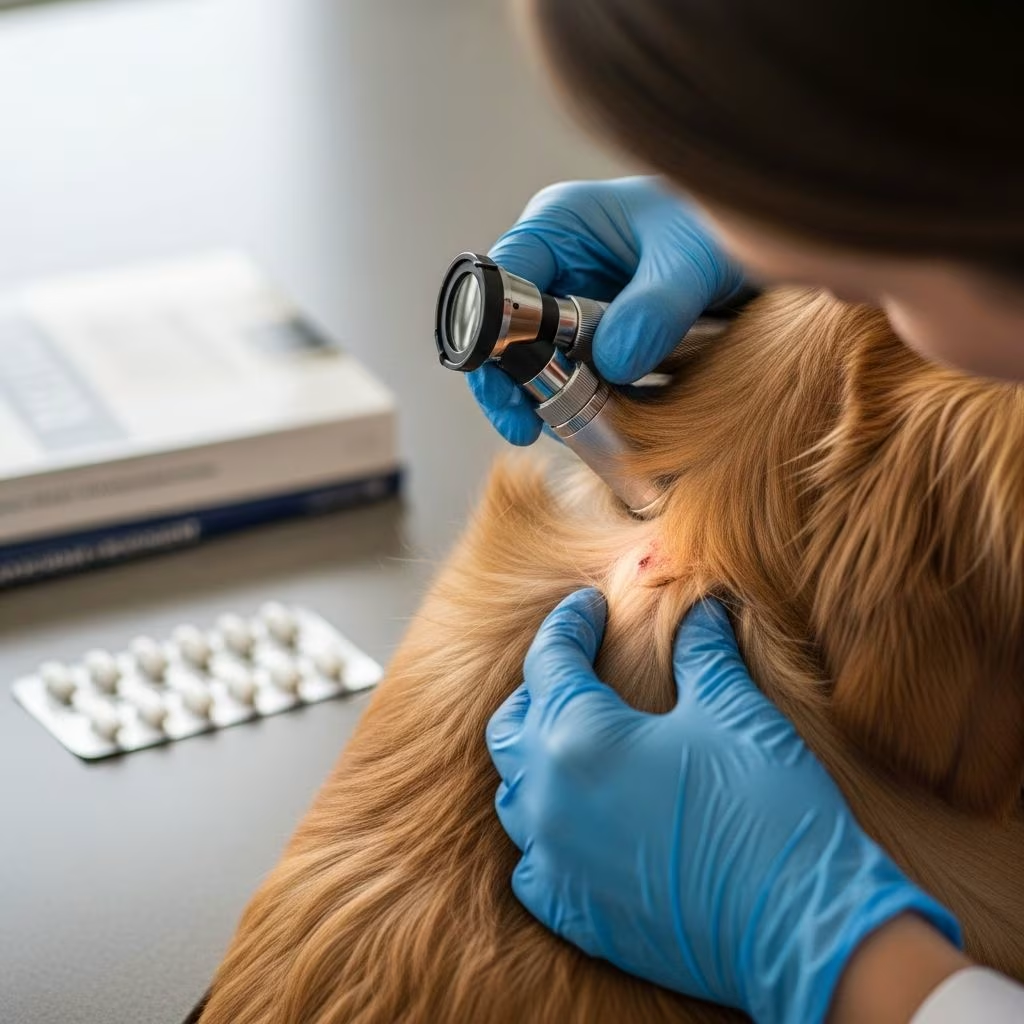
Understanding Histamine’s Role in Skin Disease
Histamine is a potent chemical mediator released by mast cells and basophils in response to allergic stimuli, immune activation, and inflammatory triggers. In veterinary dermatology, histamine plays a central role in the pathophysiology of numerous integumentary conditions affecting companion animals and other species. The release of histamine initiates a cascade of physiological responses that culminate in the classic signs of allergic skin disease: pruritus, erythema, urticaria, and edema.
The therapeutic manipulation of histamine’s effects represents a cornerstone approach in managing allergic and inflammatory skin disorders in animals. By understanding the distinct roles of different histamine receptor subtypes, veterinary practitioners can optimize treatment strategies and improve outcomes for animals suffering from dermatological conditions.
Histamine Receptors and Their Cutaneous Functions
Histamine exerts its biological effects through interaction with multiple receptor subtypes distributed throughout body tissues. In the context of integumentary disease, three primary histamine receptor types warrant clinical consideration:
H1 Receptor-Mediated Responses
Histamine H1 receptors are abundantly expressed on vascular endothelial cells, smooth muscle tissues, and nerve fibers throughout the skin. Activation of H1 receptors triggers several pathological mechanisms central to allergic dermatitis. These include vasodilation of cutaneous blood vessels, increased vascular permeability leading to edema formation, smooth muscle contraction in bronchial and gastrointestinal tissues, and stimulation of sensory nerve endings responsible for the sensation of pruritus.
The H1 receptor-mediated pruritus sensation represents one of the most distressing clinical signs observed in animals with allergic skin disease. This scratching behavior, while a natural protective response, often leads to secondary bacterial and yeast infections, further complicating the clinical presentation and prolonging recovery periods.
H2 Receptor Functions in Cutaneous Inflammation
While less directly involved in cutaneous inflammation compared to H1 receptors, H2 receptors modulate immune responses through effects on gastric acid secretion and inflammatory cell function. H2 antagonists find specific application in managing gastrointestinal complications associated with chronic allergic skin disease, including gastric ulceration and gastritis that may develop secondarily to stress-induced acid hypersecretion.
Classification of Antihistamine Medications
Veterinary pharmacology recognizes several distinct categories of drugs that oppose histamine’s effects, each operating through different mechanisms of action:
Competitive Histamine Receptor Antagonists
Classical antihistamines function as competitive antagonists at specific histamine receptor subtypes. These medications occupy the ligand-binding domain of histamine receptors, preventing histamine molecules from activating these receptors. First-generation antihistamines, such as diphenhydramine and chlorpheniramine, readily cross the blood-brain barrier and frequently produce sedation as an accompanying effect. This sedation, while sometimes undesirable, occasionally proves therapeutic by reducing the animal’s tendency to scratch and self-traumatize affected skin.
Second-generation antihistamines including cetirizine, loratadine, and hydroxyzine demonstrate greater receptor selectivity and reduced central nervous system penetration, generally producing less sedation while maintaining efficacy for cutaneous manifestations of histamine release.
Mast Cell Stabilizers and Release Inhibitors
Rather than blocking histamine receptors, certain medications prevent the release of histamine from mast cells and basophils. Sodium cromoglycate and ketotifen function as stabilizers of mast cell membranes, reducing the likelihood of histamine degranulation in response to allergenic stimuli. These agents prove particularly valuable in prophylactic settings where allergic flare-ups can be anticipated, such as seasonal environmental allergies.
Physiological Antagonists
Sympathomimetic amines, including epinephrine, ephedrine, and xanthine derivatives, produce physiological effects that oppose histamine-induced responses without directly interacting with histamine receptors. These compounds augment sympathetic nervous system activity, counteracting the vasodilatory and bronchoconstrictor effects of histamine. Epinephrine remains the treatment of choice for acute anaphylactic reactions, working synergistically with H1 antagonists to resolve life-threatening hypersensitivity responses.
Clinical Applications in Integumentary Disease Management
Atopic Dermatitis Treatment
Canine atopic dermatitis represents one of the most prevalent indications for antihistamine therapy in veterinary dermatology. This genetically predisposed condition involves abnormal barrier function and heightened immune responsiveness to environmental allergens. Antihistamines provide symptomatic relief of pruritus by blocking histamine-mediated signaling in the skin and nervous system. Clinical effectiveness varies considerably among individual animals, with approximately 25 to 33 percent of dogs experiencing satisfactory pruritus control through antihistamine monotherapy.
The variable efficacy reflects the multifactorial nature of atopic dermatitis, wherein multiple inflammatory mediators beyond histamine contribute to disease pathogenesis. Nevertheless, antihistamines offer a relatively safe option for initial therapeutic intervention, particularly when pruritus severity remains mild to moderate.
Allergic Contact Dermatitis and Hypersensitivity Reactions
Acute allergic contact dermatitis and drug hypersensitivity reactions frequently manifest with urticaria and angioedema, both mediated substantially by histamine release from cutaneous mast cells. Rapid administration of H1 antagonists can significantly attenuate these manifestations, preventing progression to more severe systemic involvement. The combination of H1 and H2 antagonists may be employed in cases with significant mucosal involvement or suspected gastrointestinal involvement.
Pruritic Dermatitis of Variable Etiology
Beyond allergic conditions, antihistamines find application in managing pruritus associated with various dermatological presentations including insect bite reactions, ectoparasite hypersensitivity, and inflammatory dermatoses. The symptomatic nature of antihistamine action makes them suitable for bridging therapy while underlying causes are investigated and definitive treatments are implemented.
Comparative Efficacy of Common Antihistamine Agents
| Medication | Receptor Specificity | Generation | Primary Advantage | Notable Limitation |
|---|---|---|---|---|
| Diphenhydramine | H1 | First | Rapid onset, sedating | Sedation, tachyphylaxis |
| Cetirizine | H1 | Second | Minimal sedation, once daily dosing | Modest efficacy for severe pruritus |
| Chlorpheniramine | H1 | First | Long duration of action | Sedation, anticholinergic effects |
| Hydroxyzine | H1 | First | Anxiolytic properties | Moderate sedation |
| Loratadine | H1 | Second | Good mast cell inhibition | Limited efficacy in CAD |
Dosing Strategies and Administration Considerations
Appropriate dosing of antihistamines varies considerably based on the specific medication, species, body weight, and underlying condition being treated. Veterinarians must carefully calculate weight-based dosing for individual animals, as underdosing may result in inadequate therapeutic benefit while overdosing increases the risk of adverse effects.
For H1 antagonists used in dogs, diphenhydramine typically requires dosing at 1 milligram per kilogram of body weight administered twice daily, whereas cetirizine can be dosed at 1 milligram per kilogram once daily. Clemastine necessitates lower dosing at approximately 0.02 milligrams per pound, typically administered twice daily due to its greater potency.
Administration timing influences efficacy for certain indications. In animals where motion sickness prevention is desired, diphenhydramine should be given on an empty stomach approximately one hour prior to anticipated travel. For chronic allergic conditions, consistent twice or once-daily dosing maintains steady-state plasma concentrations necessary for sustained receptor occupancy.
Integration with Multimodal Therapy Protocols
Contemporary management of allergic skin disease emphasizes multimodal therapeutic approaches that address inflammation through multiple pathways simultaneously. Antihistamines serve as valuable adjunctive agents alongside glucocorticoids, calcineurin inhibitors, and other immunomodulatory medications.
The combination of antihistamines with corticosteroids such as prednisone or dexamethasone provides complementary anti-inflammatory effects. While antihistamines block histamine receptor signaling, glucocorticoids suppress production of multiple inflammatory mediators and cytokines, resulting in superior pruritus control compared to monotherapy with either agent. Similarly, antihistamines combine safely with emerging medications such as apoquel and atopica without known pharmacological interactions, permitting rational polypharmacy when individual drug efficacy proves insufficient.
Safety Profile and Adverse Effects
First-generation antihistamines, while generally safe when dosed appropriately, produce sedation in a substantial proportion of treated animals. This effect results from H1 receptor antagonism in the central nervous system and may be profound in sensitive individuals. Some animals experience paradoxical excitement rather than sedation, particularly at lower doses where central inhibition remains incomplete.
Anticholinergic effects including dry mouth, urinary retention, and constipation may accompany first-generation antihistamine use, particularly with longer-acting agents such as chlorpheniramine. Second-generation medications produce fewer central and anticholinergic effects, though they generally demonstrate more modest efficacy compared to first-generation agents.
Tachyphylaxis—a gradual loss of therapeutic effectiveness with continued administration—represents a significant clinical limitation of antihistamine monotherapy. This phenomenon may develop within weeks of initiating treatment, necessitating either dose escalation, drug rotation, or augmentation with additional therapeutic agents.
Special Considerations in Specific Animal Species
While most antihistamine research and clinical experience derives from canine populations, these medications find application across diverse veterinary species. Feline patients frequently receive antihistamines for allergic skin disease, though efficacy in cats remains understudied relative to dogs. Equine practitioners employ antihistamines for managing urticaria and hypersensitivity reactions in horses.
Species differences in drug metabolism, receptor sensitivity, and baseline histamine responsiveness necessitate careful veterinary judgment when extrapolating dosing and efficacy expectations across species boundaries. Some medications approved for human use may require dose adjustment or carry different risk profiles when administered to animals.
Limitations and Future Directions
The modest efficacy of antihistamines in managing atopic dermatitis—with success rates often not exceeding 30 percent in clinical practice—reflects the reality that histamine represents only one of numerous inflammatory mediators in allergic skin disease. Cytokines, eicosanoids, and neuropeptides contribute substantially to pruritus sensation and cutaneous inflammation independent of histamine signaling.
Emerging therapeutic approaches targeting specific interleukin pathways and TSLP (thymic stromal lymphopoietin) signaling offer potential to address these alternative inflammatory mechanisms. Nevertheless, antihistamines retain value as initial therapeutic interventions, particularly in mild disease, and as components of comprehensive treatment regimens addressing multiple pathophysiological mechanisms simultaneously.
Frequently Asked Questions
Are antihistamines effective as monotherapy for allergic dermatitis in animals?
Antihistamines alone provide satisfactory pruritus control in approximately 25 to 33 percent of affected dogs. Most animals with moderate to severe allergic dermatitis benefit from combination therapy incorporating additional medications addressing alternative inflammatory pathways.
What distinguishes first-generation from second-generation antihistamines?
First-generation antihistamines readily cross the blood-brain barrier, producing substantial sedation but often demonstrating greater cutaneous efficacy. Second-generation agents show improved selectivity and reduced central nervous system penetration, resulting in less sedation but occasionally diminished therapeutic benefit for skin disease.
Can antihistamines be safely combined with other allergy medications?
Yes, antihistamines combine safely with glucocorticoids, cyclosporine, apoquel, and most other dermatological medications without significant drug interactions. Veterinary practitioners frequently employ such combinations to optimize therapeutic outcomes.
How long does antihistamine therapy typically require continuation?
Antihistamines provide symptomatic relief only and do not modify underlying disease pathogenesis. Continued administration is necessary as long as clinical signs warrant treatment. However, tachyphylaxis may develop, necessitating periodic medication adjustments.
Are over-the-counter antihistamines safe for animals?
Many over-the-counter antihistamines approved for human use are employed off-label in veterinary medicine. However, some formulations contain additional ingredients such as pseudoephedrine that are toxic to animals. Veterinary consultation ensures safe product selection and appropriate dosing.
References
- Treatment of canine atopic dermatitis with cetirizine — National Center for Biotechnology Information. 2003. https://www.ncbi.nlm.nih.gov/pmc/articles/PMC548625/
- Antihistamines for dogs: Which one and when should it be administered — Vets and Clinics. 2024. https://vetsandclinics.com/en/library/antihistamines-for-dogs-which-one-and-when-should-it-be-administered
- Antihistamines For Dogs: When To Use Them, Dosage Schedules, and More — Kingsdale Animal Hospital. 2024. https://www.kingsdale.com/antihistamines-for-dogs-when-to-use-them-dosage-schedules-and-more
- Cetirizine — VCA Animal Hospitals. 2024. https://vcahospitals.com/know-your-pet/cetirizine
- Antihistamines for Skin Allergies in Dogs — Fairhaven Veterinary Services. 2024. https://fairhavenvet.com/antihistamines-for-skin-allergies-in-dogs/
- Canine Allergic Pruritus and Antihistamines — Zoetis. 2024. https://www.zoetisus.com/petcare/blog/antihistamines-ineffective-allergic-itch-dogs/



