

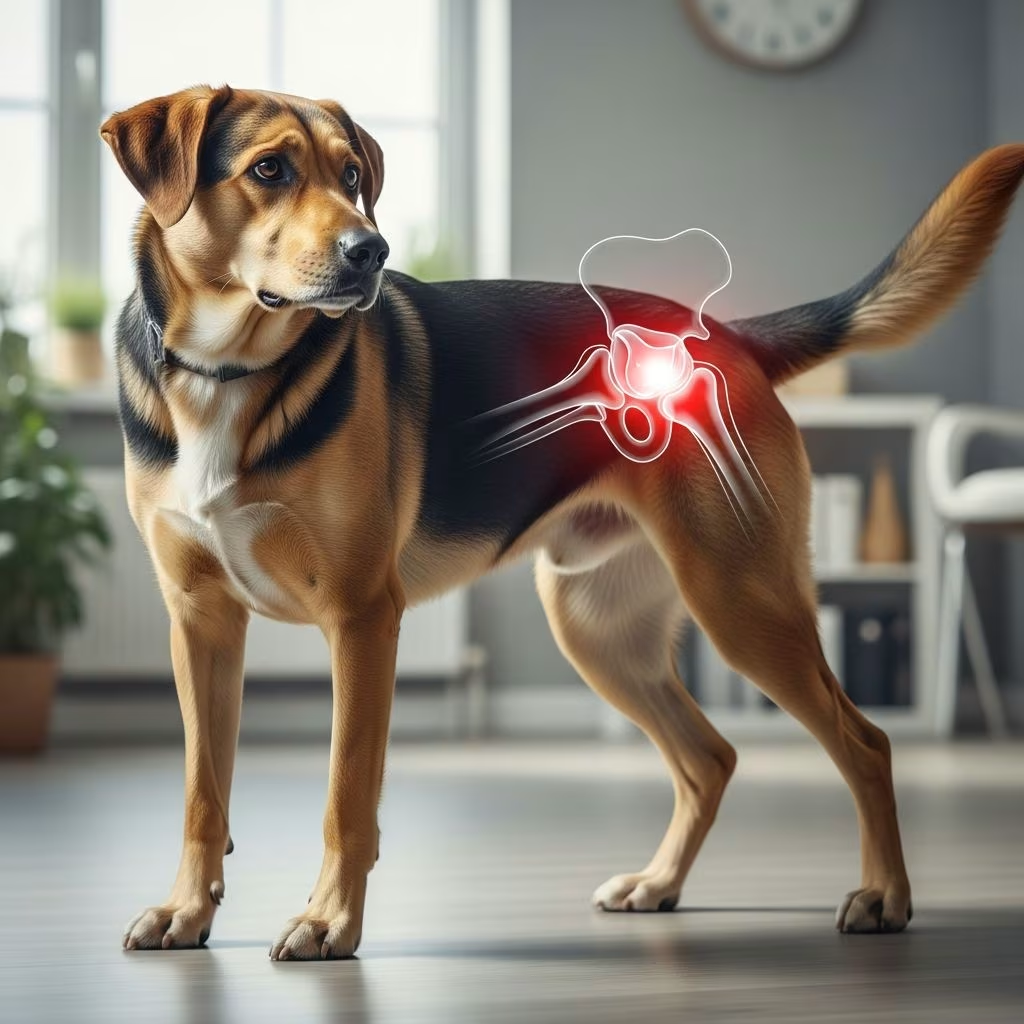
Hip dysplasia is a common orthopedic condition in dogs where the hip joint develops abnormally, leading to looseness, instability, and eventual osteoarthritis. This developmental disorder primarily affects large and giant breeds but can occur in any dog. Early recognition of **hip dysplasia signs** is crucial for managing pain, improving mobility, and enhancing quality of life.
What Is Hip Dysplasia in Dogs?
Hip dysplasia occurs when the ball and socket of the hip joint do not fit properly, causing joint laxity. Puppies are born with normal hips, but abnormal growth leads to misalignment. Factors like genetics, rapid growth, overnutrition, and reduced muscle mass contribute to its development. Over time, this laxity causes cartilage damage, inflammation, and degenerative joint disease (osteoarthritis), resulting in chronic pain and lameness.
The condition is inherited, with higher prevalence in breeds such as German Shepherds, Labrador Retrievers, Golden Retrievers, and Rottweilers. Environmental influences, like excessive calorie intake during puppyhood, exacerbate genetic predispositions.
Hip Dysplasia Symptoms in Dogs
Signs of hip dysplasia vary by age and severity. In young dogs (4-12 months), symptoms often appear suddenly after exercise, including bunny hopping gait, reluctance to rise, and hind limb lameness. Mature dogs show subtler signs like stiffness after rest, difficulty climbing stairs, and muscle wasting over the hips.
- Early signs: Reluctance to go up stairs, tiring easily during exercise, sleeping more than usual, bunny hopping (using both hind legs together).
- Common symptoms: Pain when rising, limping, decreased activity, narrow stance, enlarged shoulder muscles from compensating.
- Advanced signs: Audible clicking or grinding in hips, muscle atrophy, complete reluctance to exercise.
Owners may notice their dog avoiding jumps into cars or struggling on slippery floors. Symptoms worsen with age and weight gain, leading to osteoarthritis in most cases.
Breeds Prone to Hip Dysplasia
Certain breeds are genetically predisposed due to their size and conformation. The Orthopedic Foundation for Animals (OFA) screens breeding dogs to reduce incidence.
| Breed | Risk Level | Notes |
|---|---|---|
| German Shepherd | High | Common in working lines; early onset frequent. |
| Labrador Retriever | High | Most commonly affected breed. |
| Golden Retriever | High | Often bilateral; leads to early arthritis. |
| Rottweiler | High | Severe cases common. |
| Bulldog | Moderate-High | Brachycephalic breeds affected despite smaller size. |
Small breeds can develop it, but large dogs bear more joint stress. Mixed breeds with large parentage are also at risk.
How Vets Diagnose Hip Dysplasia
Diagnosis starts with a physical exam, assessing gait, hip palpation for laxity (positive Ortolani sign), and pain response. Radiographs under sedation confirm joint looseness, shallow acetabulum, and arthritic changes. Advanced imaging like CT or MRI may evaluate severity.
Screening programs like PennHIP measure joint laxity in puppies as young as 4 months for early intervention. Blood tests rule out other conditions like Lyme disease. Early diagnosis in juveniles without arthritis offers better surgical outcomes.
Treatment Options for Hip Dysplasia
Treatments range from conservative management to surgery, based on age, severity, and owner goals. About 75% of dogs achieve comfortable lives with non-surgical care.
Conservative Management
Non-surgical approaches control pain and maintain function without curing the underlying issue.
- Weight control: Reduces joint stress; lean body weight is key.
- Exercise modification: Low-impact activities like swimming; avoid high jumps.
- Medications: NSAIDs (e.g., carprofen), analgesics (gabapentin, tramadol), joint fluid modifiers.
- Supplements: Glucosamine, chondroitin, omega-3 fatty acids, Adequan injections.
- Therapies: Physical therapy, hydrotherapy, acupuncture, laser therapy, massage.
These extend comfort, especially in mild cases or older dogs.
Surgical Treatments
Surgery is recommended for severe pain unresponsive to meds. Options depend on age.
- Juvenile Pubic Symphysiodesis (JPS): For puppies under 6 months; minimally invasive, closes pelvic growth plate.
- Double/Triple Pelvic Osteotomy (DPO/TPO): For dogs <10 months without arthritis; repositions pelvis for better fit; 80-90% success.
- Femoral Head Ostectomy (FHO): Removes femoral head; creates false joint; suitable for young/mature dogs; good pain relief but altered gait.
- Total Hip Replacement (THR): Gold standard for adults >12 months; replaces joint with prosthesis; 90-95% excellent function.
Emerging therapies like stem cells with hyaluronic acid or platelet-rich plasma show promise in small studies for improving motion without adverse effects.
Preventing Hip Dysplasia in Puppies
Prevention focuses on breeding from OFA-certified parents and puppy management. Feed growth-formulated diets to avoid rapid growth; provide balanced nutrition without excess calories. Encourage moderate exercise to build muscle without joint stress. Early screening via PennHIP aids proactive care.
Living with a Dog with Hip Dysplasia
With proper management, dogs thrive. Use ramps for cars/beds, orthopedic foam bedding, non-slip mats. Scheduled meals prevent obesity. Regular vet check-ups monitor progression. Many dogs remain active with therapy and supplements, enjoying happy lives despite the condition.
Frequently Asked Questions (FAQs)
What are the first signs of hip dysplasia in dogs?
Early indicators include reluctance to climb stairs, bunny hopping, tiring quickly on walks, and stiffness after rest.
Can hip dysplasia be cured?
No cure exists, but treatments manage symptoms effectively. Conservative care suits mild cases; surgery restores function in severe ones.
Is hip dysplasia painful for dogs?
Yes, it causes significant pain from joint instability and arthritis, but pain meds and therapies provide relief.
How much does hip dysplasia surgery cost?
Costs vary: FHO $1,200-$3,000, THR $3,500-$7,000 per hip. Consult vets for estimates.
Can small dogs get hip dysplasia?
Less common, but possible in any breed, especially with genetic factors.
What supplements help with hip dysplasia?
Glucosamine, chondroitin, omega-3s, and Adequan support joint health.
References
- Hip Dysplasia in Dogs: Signs, Symptoms, Treatment — American Kennel Club (AKC). 2023. https://www.akc.org/expert-advice/health/hip-dysplasia-in-dogs/
- Hip Dysplasia in Dogs – Signs, Symptoms, Diagnosis and Treatment — Morris Animal Foundation. 2024. https://www.morrisanimalfoundation.org/article/disease/hip-dysplasia-in-dogs
- Hip Dysplasia in Dogs: Early Signs, Treatment, and Prevention — GoodRx. 2024. https://www.goodrx.com/pet-health/dog/hip-dysplasia-in-dogs
- Canine Hip Dysplasia — Texas A&M University Veterinary Medical Teaching Hospital. 2023. https://vethospital.tamu.edu/small-animal/orthopedics/canine-hip-dysplasia/
- Hip Dysplasia in Dogs: Signs, Treatment, Surgery — PetMD. 2024. https://www.petmd.com/dog/conditions/musculoskeletal/hip-dysplasia-dogs
- Hip Dysplasia in Dogs — VCA Animal Hospitals. 2024. https://vcahospitals.com/know-your-pet/hip-dysplasia-in-dogs



