

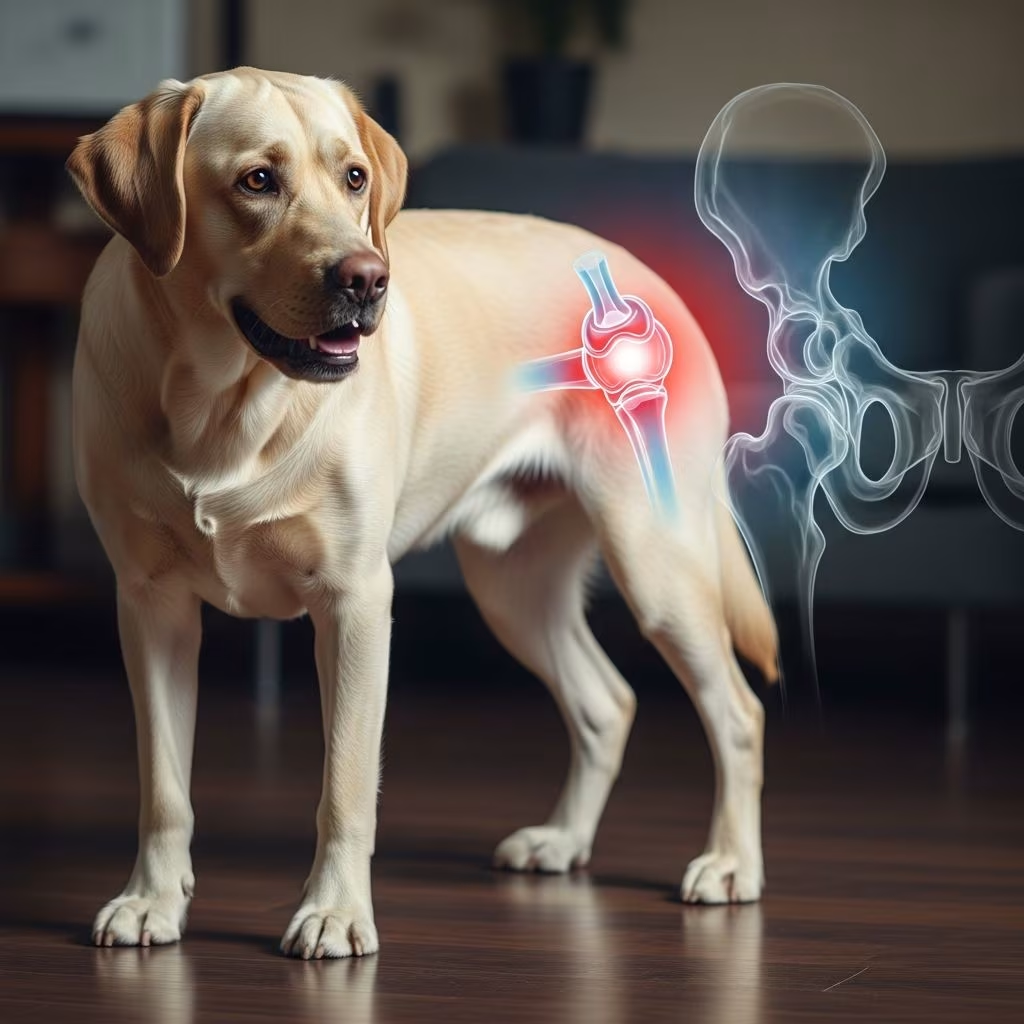
Hip dysplasia is a prevalent orthopedic disorder in dogs where the hip joint fails to develop properly, leading to instability, pain, and progressive arthritis. This condition primarily affects larger breeds but can occur in any dog, requiring prompt recognition and management to maintain mobility.
The Anatomy of the Canine Hip Joint
The hip joint in dogs functions as a ball-and-socket mechanism, with the femoral head (ball) fitting into the acetabulum (socket) of the pelvis. In healthy dogs, this fit is snug, allowing smooth movement and weight-bearing. Dysplasia disrupts this harmony through excessive joint laxity, causing abnormal motion, cartilage erosion, and bone remodeling that culminates in osteoarthritis.
During puppyhood, the joint starts normal but laxity emerges as growth occurs, exacerbated by genetic and nutritional factors. Over time, this leads to chronic inflammation and degenerative changes, severely impacting a dog’s quality of life.
Genetic and Environmental Risk Factors
Genetics form the cornerstone of hip dysplasia risk, with heritability evident in breeds like Labrador Retrievers, German Shepherds, Rottweilers, and Bulldogs. Puppies from dysplastic parents face significantly higher odds, making responsible breeding crucial—dogs with the condition should not reproduce.
Environmental influences amplify genetic predispositions. Rapid growth from overfeeding high-calorie diets, especially in large-breed puppies, stresses developing joints. Insufficient muscle development from limited exercise or obesity further contributes. Balanced nutrition with controlled caloric intake and moderate activity during growth phases can mitigate severity.
- Genetic predisposition: Inherited laxity in hip joint components.
- Nutritional excess: High-energy diets promoting fast growth.
- Obesity: Added joint stress from excess weight.
- Exercise imbalance: Too little to build muscle or too much high-impact activity.
Recognizing Early Warning Signs
Symptoms often appear between 6-12 months or after age 3, coinciding with growth spurts or arthritis progression. Owners may notice reluctance to rise, jump into cars, or climb stairs; bunny-hopping gait; muscle wasting in hindquarters; and grating hip sounds during movement.
Young dogs show exercise intolerance and lameness after play, while older ones exhibit stiffness after rest, limping, and reduced activity. Pain manifests as whimpering or sensitivity when touched. Early detection hinges on observing these behavioral shifts.
| Age Group | Common Symptoms |
|---|---|
| Puppies (6-12 months) | Lameness post-exercise, bunny hopping, reluctance to play |
| Adults (>3 years) | Stiffness, pain on rising, muscle atrophy, chronic limping |
Diagnostic Approaches for Confirmation
Veterinarians diagnose via physical exams assessing joint laxity, range of motion, and pain response. Palpation tests like the Ortolani maneuver detect instability in young dogs.
Imaging is definitive: X-rays reveal shallow acetabulum, flattened femoral heads, and arthritic changes. Advanced tools like CT scans or force platform gait analysis quantify lameness objectively.
Screening programs such as OFA or PennHIP evaluate breeding stock, using standardized radiographs to score dysplasia risk.
Conservative Management Strategies
For mild to moderate cases, non-surgical approaches prioritize pain relief, joint support, and lifestyle adjustments. Weight management is foundational—every excess pound strains hips exponentially.
Non-steroidal anti-inflammatory drugs (NSAIDs) like Galliprant reduce inflammation and pain effectively. Joint supplements containing glucosamine, chondroitin, omega-3s, and green-lipped mussel extracts support cartilage health.
Physical therapy builds supporting muscles through swimming, controlled walks, and targeted exercises. Acupuncture enhances mobility and strength, while moderate daily activity prevents stiffness without overload.
- Weight control via calorie-restricted, joint-friendly diets.
- NSAIDs for inflammation management.
- Supplements: Omega-3s, chondroprotectants like Adequan injections.
- Low-impact exercise: Swimming, walking.
- Physical therapy and acupuncture.
Advanced Regenerative Therapies
Emerging options like stem cell therapy harvest adipose-derived cells for intra-articular injection, promoting healing and reducing pain for months. Studies show superiority over platelet-rich plasma (PRP) in owner-reported outcomes.
PRP accelerates tissue repair via growth factors, and extracorporeal shockwave therapy (ESWT) uses sound waves to boost blood flow and reverse inflammation. These suit dogs intolerant to medications or seeking alternatives.
Surgical Interventions for Severe Cases
When conservatives fail, surgery restores function. Juvenile procedures like double pelvic osteotomy (DPO) or juvenile pubic symphysiodesis (JPS) for dogs under 18 months realign the pelvis, improving coverage and halting arthritis early.
For mature dogs, salvage surgeries include:
- Femoral Head Ostectomy (FHO): Removes the femoral head, allowing fibrous tissue formation for pain-free movement; ideal for smaller dogs.
- Total Hip Replacement (THR): Replaces the joint with prosthetics, offering near-normal function for large breeds; higher cost but excellent long-term results.
Choice depends on age, size, severity, and owner budget.
Preventive Measures for At-Risk Breeds
Prevention targets breeding and puppy care. Select breeders using hip-scoring certifications. Feed growth-restricted diets to large-breed puppies, avoiding free-feeding. Encourage puppy classes for muscle building without jumps.
Regular vet check-ups catch issues early. Maintain lean body weight lifelong and provide joint supplements proactively for predisposed dogs.
Living Well with Hip Dysplasia
Many dogs thrive post-diagnosis with multimodal care. Ramps aid mobility, orthopedic beds reduce pressure, and hydrotherapy preserves muscle. Monitor for complications like secondary injuries.
Prognosis improves with early intervention—some manage conservatively lifelong, others regain playfulness via surgery.
Frequently Asked Questions (FAQs)
Can hip dysplasia be cured in dogs?
No, it’s a developmental condition without cure, but treatments control symptoms and enhance life quality effectively.
What breeds are most prone to hip dysplasia?
Large breeds like Labradors, German Shepherds, Rottweilers, Golden Retrievers, and Bulldogs.
Is surgery always necessary?
No, many respond to weight management, meds, and therapy; surgery for severe, unresponsive cases.
How much does hip dysplasia treatment cost?
Varies: Conservatives $50-200/month; surgeries $1,500-7,000 per hip.
Can diet prevent hip dysplasia?
Not fully, but controlled growth diets reduce severity in genetic carriers.
References
- Treatments for Hip Dysplasia in Dogs — Animal Care Center of Castle Pines. 2023. https://www.animalcarectr.com/blog/treatments-for-hip-dysplasia-in-dogs
- Diagnosis, prevention, and management of canine hip dysplasia — PMC (NIH). 2018-07-20. https://pmc.ncbi.nlm.nih.gov/articles/PMC6070021/
- Hip Dysplasia in Dogs | Causes, Prevention and Treatment — Bliss Animal Hospital. 2023. https://blissanimalhospital.com/blog/hip-dysplasia-in-dogs/
- Canine Hip Dysplasia Treatment and Surgery — Bridger Veterinary Specialists. 2023. https://www.bridgervetspecialists.com/services/hip-dysplasia-treatment-surgery.html
- Canine hip dysplasia (CHD) — Cornell University College of Veterinary Medicine. 2024. https://www.vet.cornell.edu/departments-centers-and-institutes/riney-canine-health-center/canine-health-topics/canine-hip-dysplasia-chd
- Hip Dysplasia in Dogs: Signs, Treatment, Surgery — PetMD. 2024. https://www.petmd.com/dog/conditions/musculoskeletal/hip-dysplasia-dogs



