
Hip Dysplasia In Dogs: 5 Early Signs And Treatment Options
Understand the causes, signs, diagnosis, and effective treatments for hip dysplasia in dogs to improve your pet's mobility and quality of life.
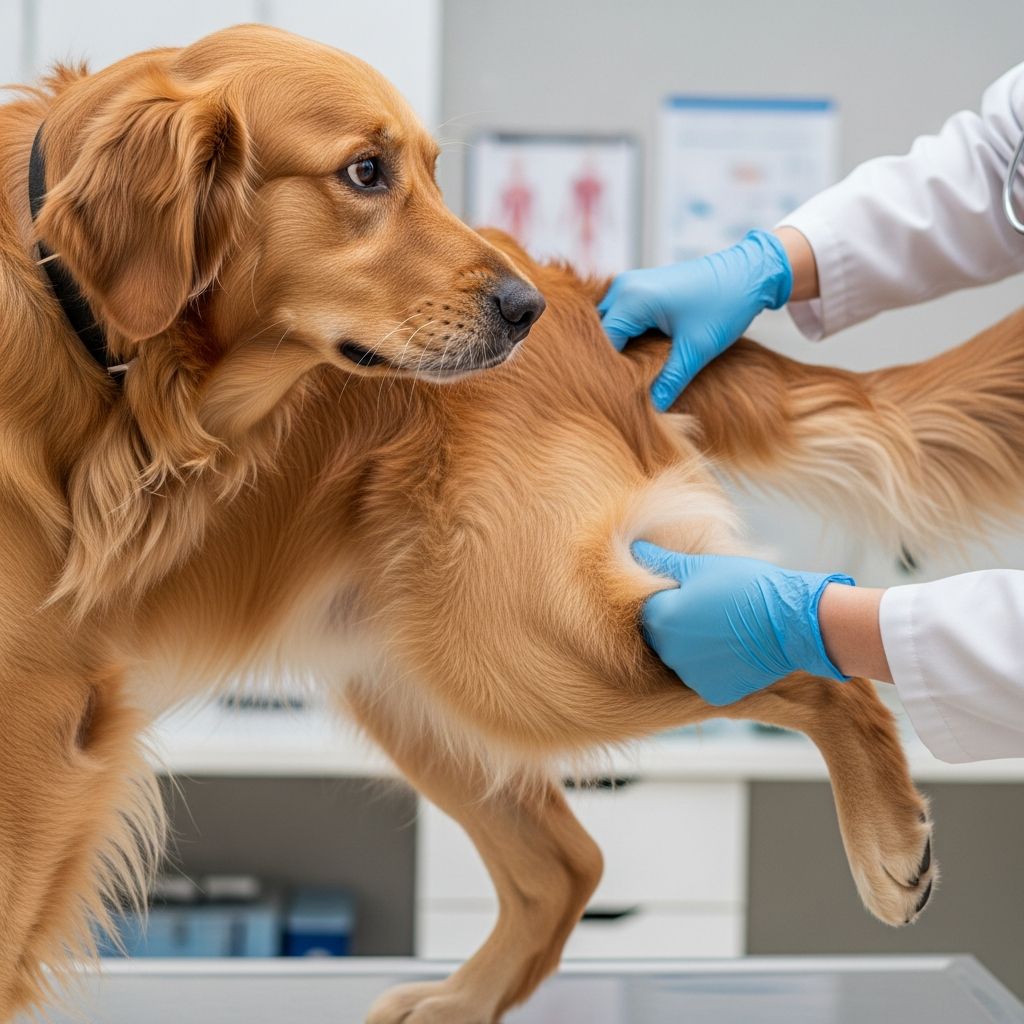
Hip dysplasia is a prevalent developmental disorder affecting the hip joints of dogs, leading to instability, pain, and progressive arthritis. This condition arises when the ball and socket of the hip do not align properly, causing joint laxity and eventual degeneration. Large and giant breeds are particularly susceptible, but any dog can be impacted. Early detection and management are crucial for maintaining mobility and comfort.
Understanding the Anatomy of the Canine Hip Joint
The hip joint in dogs functions as a ball-and-socket mechanism, where the femoral head (ball) fits into the acetabulum (socket) of the pelvis. In healthy dogs, this structure provides stability and fluid movement. However, in hip dysplasia, the socket is too shallow or the ball is misshapen, resulting in looseness that stresses ligaments and cartilage over time.
This misalignment triggers abnormal wear, leading to osteoarthritis (OA), a degenerative process involving cartilage breakdown and bone remodeling. Puppies are born with normal hips, but genetic predispositions combined with environmental factors cause the dysplasia to manifest during growth.
Genetic and Environmental Causes Behind Hip Dysplasia
Hip dysplasia has a strong hereditary component, with certain breeds like German Shepherds, Labrador Retrievers, Golden Retrievers, and Rottweilers showing higher incidence rates. Breeding dogs from dysplastic lines increases risk in offspring.
Environmental influences exacerbate genetic tendencies. Rapid growth from overfeeding high-calorie diets in puppies promotes excessive weight gain and skeletal stress. Obesity in adults further strains joints. Other factors include inadequate exercise, slippery flooring that weakens muscles, and trauma.
- Genetics: Polygenic inheritance where multiple genes contribute to joint laxity.
- Nutrition: Excess calories and imbalanced diets during growth phases.
- Activity Levels: Too little muscle-building exercise or high-impact activities on hard surfaces.
- Body Weight: Obesity multiplies force on hips by up to six times body weight during movement.
Recognizing Early Warning Signs in Your Dog
Symptoms often appear between 4-12 months or after age 3 as arthritis sets in. Owners may notice subtle changes progressing to obvious lameness.
| Symptom | Description | Common Age of Onset |
|---|---|---|
| Bunny Hopping Gait | Dog uses hind legs together like a rabbit when running. | 6-12 months |
| Reluctance to Rise or Jump | Hesitation getting up, jumping into cars, or climbing stairs. | Any age |
| Decreased Activity | Lethargy, avoidance of play, or shortened walks. | Progressive |
| Muscle Wasting | Thigh muscle atrophy due to disuse. | After 1 year |
| Joint Crepitus | Grating sound or sensation when moving hips. | With arthritis |
Young dogs show pain from laxity, while older ones suffer from OA-induced stiffness worsened by cold weather or rest.
Accurate Diagnosis: Veterinary Evaluation Process
Veterinarians start with a physical exam, assessing gait, hip palpation for laxity (positive Ortolani sign), and range of motion. Pain elicitation helps gauge severity.
Imaging confirms diagnosis:
- Radiographs (X-rays): Standard views reveal joint space narrowing, acetabular dysplasia, and OA changes. PennHIP method measures laxity in juveniles.
- CT or MRI: For complex cases, providing 3D joint assessment.
Differential diagnoses include patellar luxation, cruciate ligament tears, and degenerative myelopathy, ruled out via targeted exams and imaging.
Conservative Management Strategies for Mild Cases
For dogs with minimal symptoms, non-surgical approaches control pain and preserve function. Success depends on owner compliance.
Weight Control and Nutrition
Maintaining ideal body weight reduces hip stress. Low-calorie, joint-supportive diets with omega-3 fatty acids aid inflammation control.
Exercise and Physical Rehabilitation
Low-impact activities like swimming, hydrotherapy, and controlled walks build muscle without joint overload. Professional physical therapy includes massage, stretching, and balance exercises.
Pharmacological and Supplement Support
NSAIDs (e.g., carprofen) provide pain relief. Supplements like glucosamine, chondroitin, MSM, and Adequan injections support cartilage. Laser therapy and acupuncture offer adjunct benefits.
Advanced Surgical Solutions for Severe Hip Dysplasia
When conservative measures fail, surgery restores function. Options vary by age, size, and dysplasia extent.
| Procedure | Ideal Candidate | Outcomes | Recovery Time |
|---|---|---|---|
| Juvenile Pubic Symphysiodesis (JPS) | Puppies <6 months | Prevents OA progression | 4-6 weeks |
| Double/Triple Pelvic Osteotomy (DPO/TPO) | Young dogs 6-18 months, no OA | Improves joint coverage, good function | 8-12 weeks |
| Femoral Head Ostectomy (FHO) | Small/medium dogs, any age | Pain relief, false joint forms | 6-8 weeks |
| Total Hip Replacement (THR) | Adults with severe OA | Normal function, pain-free | 12 weeks |
THR uses cemented or cementless prosthetics, boasting 90-95% success rates. FHO suits budget-conscious owners of smaller breeds.
Preventing Hip Dysplasia: Breeding and Puppy Care Tips
Responsible breeding uses OFA or PennHIP certifications to screen parents. For puppies:
- Feed growth-restricted diets to moderate weight gain.
- Encourage free play on soft surfaces, avoid stairs/jumping until maturity.
- Monitor for early signs with vet check-ups at 4, 6, and 12 months.
Long-Term Prognosis and Quality of Life
With proper management, most dogs lead active lives. Mild cases thrive on conservatives therapies; severe ones benefit immensely from surgery. Regular monitoring prevents complications like bilateral involvement.
Frequently Asked Questions (FAQs)
Can hip dysplasia be cured in dogs?
No cure exists, but treatments manage symptoms effectively, with surgery providing near-normal function in many cases.
Is hip dysplasia painful for dogs?
Yes, it causes varying pain from laxity or arthritis, but medications and therapies alleviate discomfort.
What breeds are most at risk?
Large breeds: German Shepherds, Labs, Goldens, Bulldogs, Mastiffs.
How much does hip surgery cost?
Varies widely: FHO $1,500-$3,000 per hip; THR $4,000-$7,000 per hip, depending on location and clinic.
Can diet alone prevent hip dysplasia?
Diet helps manage risk in predisposed dogs but cannot override strong genetics.
References
- Hip Dysplasia in Dogs: Signs, Symptoms, Treatment — American Kennel Club. 2023-05-15. https://www.akc.org/expert-advice/health/hip-dysplasia-in-dogs/
- Canine Hip Dysplasia (CHD) — Cornell University College of Veterinary Medicine. 2024-02-10. https://www.vet.cornell.edu/departments-centers-and-institutes/riney-canine-health-center/canine-health-topics/canine-hip-dysplasia-chd
- What is Hip Dysplasia in Dogs? 6 Common Causes and Risk Factors — Yankee Hill Veterinary Hospital. 2023-11-20. https://yankeehillvet.com/canines-common-medical-problems/what-is-hip-dysplasia-in-dogs-6-common-causes-and-risk-factors/
- Canine Hip Dysplasia Treatment and Surgery — Bridger Veterinary Specialists. 2024-01-05. https://www.bridgervetspecialists.com/services/hip-dysplasia-treatment-surgery.html
- Hip Dysplasia in Dogs – Treatment & Prevention — Advanced Care Animal Clinic. 2022-07-14. https://www.advancedcareanimalclinic.com/site/blog/2022/07/14/dog-hip-dysplasia
- Canine Hip Dysplasia: Causes & Treatment Options — Animal Kingdom Vet. 2023-09-12. https://animalkingdomvet.net/blog/canine-hip-dysplasia-causes-treatment/
- Hip Dysplasia in Dogs: Signs, Treatment, Surgery — PetMD. 2024-03-22. https://www.petmd.com/dog/conditions/musculoskeletal/hip-dysplasia-dogs
Similar Articles








Read full bio of medha deb




