

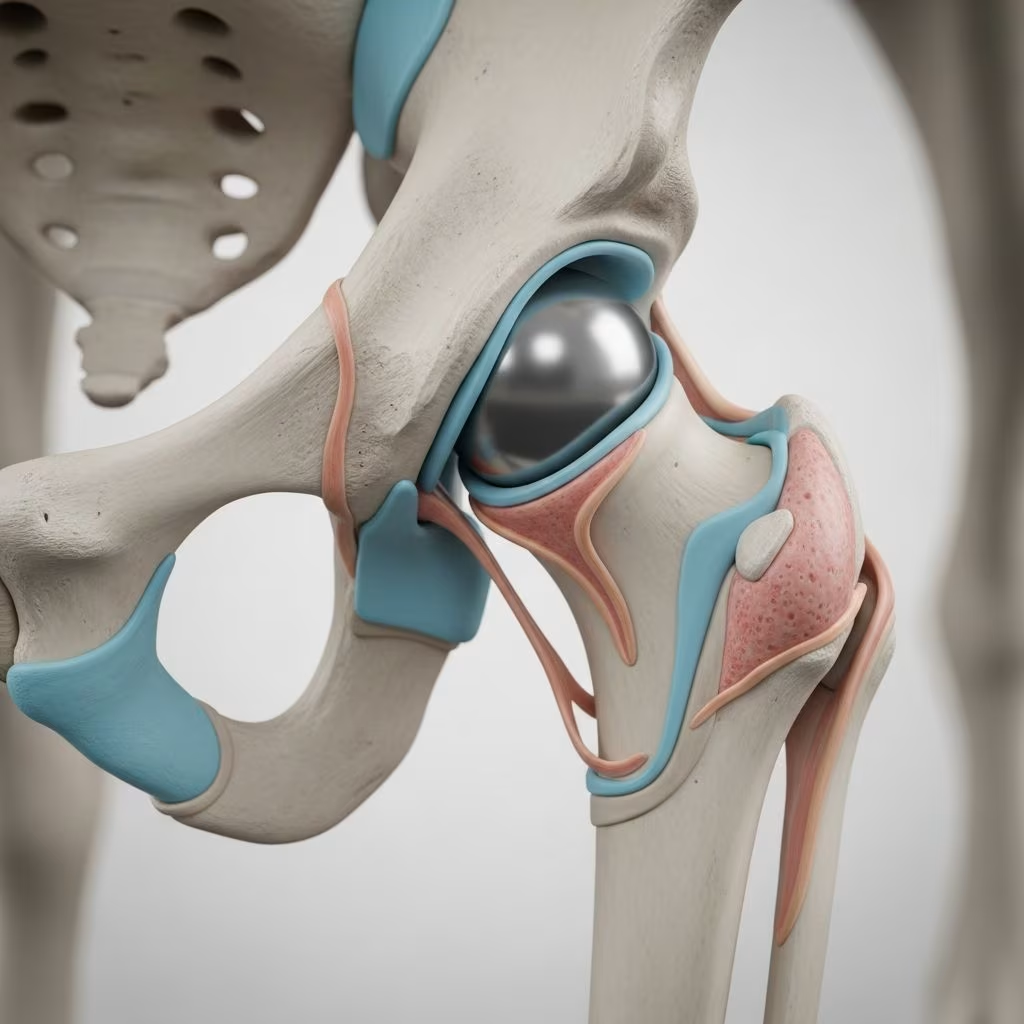
Hip dysplasia is a common skeletal condition in dogs where the hip joint fails to develop properly, leading to looseness, instability, and eventual osteoarthritis. This malformation occurs when the ball-shaped femoral head does not fit snugly into the hip socket (acetabulum), causing friction, pain, and reduced mobility over time.
The Anatomy of the Canine Hip Joint
The hip joint in dogs is a ball-and-socket structure designed for fluid movement and weight-bearing. The femoral head articulates with the acetabulum, supported by ligaments, muscles, and cartilage that cushion impacts and enable activities like running and jumping. In healthy dogs, this setup provides stability and range of motion. However, in dysplastic hips, the socket is too shallow or the ball is misshapen, leading to abnormal wear.
During puppyhood, rapid growth can exacerbate these developmental flaws, turning a genetic predisposition into clinical disease. Large and giant breeds bear much of the burden due to their size and growth demands.
Primary Causes and Risk Factors
Hip dysplasia arises from a complex interplay of genetics and environment. It is primarily inherited, with breeding dogs from affected lines passing on the trait. Environmental influences like overfeeding, excessive calorie intake during growth, and high-impact exercise on hard surfaces accelerate joint laxity.
- Genetic Predisposition: Breeds such as German Shepherds, Labrador Retrievers, Golden Retrievers, and Bulldogs have higher incidence rates due to selective breeding.
- Nutritional Excess: Diets promoting rapid weight gain strain developing joints.
- Obesity: Extra pounds increase mechanical stress on hips.
- Trauma or Overexercise: Puppies subjected to jumping or rough play risk joint damage.
Preventive breeding screens hips via Orthopedic Foundation for Animals (OFA) certifications, reducing prevalence in responsible lines.
Recognizing Early Warning Signs
Symptoms often appear between 4-12 months in young dogs or later in life as arthritis sets in. Early detection hinges on observing subtle changes in gait and behavior.
| Age Group | Common Symptoms |
|---|---|
| Young Dogs (<1 year) | Bunny-hopping gait, reluctance to rise, exercise intolerance, hindlimb lameness after activity |
| Adult/Senior Dogs | Muscle wasting in thighs, stiffness after rest, difficulty climbing stairs, pain on palpation |
Owners might notice their dog avoiding play, sitting crookedly, or showing enlarged shoulder muscles compensating for weak hindquarters. These signs worsen with cold weather or overexertion.
Accurate Diagnosis Methods
Veterinarians diagnose hip dysplasia through a combination of history, physical exams, and imaging. Hip extension tests reveal pain and laxity, while sedation allows manipulation without stress.
- Radiographs (X-rays): Standard views assess joint congruence, arthritis, and remodeling. PennHIP protocol measures laxity in juveniles for early prediction.
- Advanced Imaging: CT or MRI for precise acetabular depth evaluation in complex cases.
- Gait Analysis: Force plates quantify lameness objectively.
Differential diagnoses include cruciate ligament tears, patellar luxation, and degenerative myelopathy, ruled out via targeted exams.
Conservative Treatment Strategies
For mild to moderate cases, non-surgical approaches control pain and maintain function. Multimodal therapy combines lifestyle changes, medications, and rehabilitation.
Weight Control and Nutrition
Maintaining ideal body weight reduces joint load by up to 50% per excess pound. Prescription diets limit calories while supporting joint health with omega-3s.
Pharmacological Pain Relief
Non-steroidal anti-inflammatory drugs (NSAIDs) like carprofen or grapiprant decrease inflammation and improve mobility. Joint fluid modifiers (e.g., Adequan) lubricate and protect cartilage.
Supplements and Nutraceuticals
Glucosamine, chondroitin, MSM, and omega-3 fish oils slow degeneration. Green-lipped mussel extracts show promise in reducing osteoarthritis signs.
Rehabilitation and Physical Therapy
Structured rehab builds supporting muscles, enhances circulation, and preserves range of motion. Programs tailored by veterinary physiotherapists yield measurable improvements.
- Hydrotherapy: Swimming or underwater treadmills provide resistance-free exercise.
- Laser Therapy: Class IV lasers reduce inflammation and promote healing.
- Massage and Stretching: Passive range-of-motion exercises alleviate stiffness.
- Acupuncture: Boosts endorphins, strengthening muscles and easing pain.
Controlled walks on grass or sand, avoiding stairs and jumping, form the exercise core.
Surgical Solutions for Severe Cases
When conservative measures fail, surgery offers definitive relief. Options vary by age, size, and dysplasia severity.
| Procedure | Best Candidates | Outcomes |
|---|---|---|
| Total Hip Replacement (THR) | Adults with advanced arthritis | Near-normal function, pain-free; 95% success rate |
| Femoral Head Ostectomy (FHO) | Small/medium breeds, any age | Pain relief, functional false joint; good for active pets |
| Triple Pelvic Osteotomy (TPO)/DPO | Juveniles <10 months, laxity only | Restores socket coverage, prevents OA progression |
| Dorsal Acetabular Rim (DAR) | Young dogs with shallow sockets | Bone graft improves coverage |
THR uses cemented or cementless prosthetics mimicking natural biomechanics. Post-op rehab ensures optimal recovery.
Emerging Therapies and Research
Innovative treatments like adipose-derived stem cell injections reduce lameness and pain, outperforming platelet-rich plasma in some studies. These regenerative approaches aim to repair tissue rather than just manage symptoms.
Genetic screening and early interventions like juvenile pubic symphysiodesis show promise in high-risk puppies.
Breed-Specific Considerations and Prevention
Prevention starts with choosing breeders who perform hip evaluations. Feed growth-restricted diets to large-breed puppies, encourage moderate exercise, and monitor weight lifelong.
Breeds at elevated risk include:
- German Shepherds
- Retrievers (Labrador, Golden)
- Rottweilers
- Mastiffs
- Saint Bernards
Living Well with Hip Dysplasia
With proper management, most dogs lead happy, active lives. Ramp use, orthopedic beds, and harnesses ease daily strains. Regular vet check-ups adjust treatments as needed.
Frequently Asked Questions
Can hip dysplasia be cured?
No, but it can be managed effectively to minimize pain and restore function through lifelong care and interventions.
Is hip dysplasia painful for dogs?
Yes, it causes chronic discomfort from joint instability and secondary arthritis, though treatments significantly alleviate it.
How much does hip surgery cost?
Costs vary: FHO $1,500-$3,000 per hip; THR $3,500-$7,000, depending on location and clinic.
Can puppies outgrow hip dysplasia?
Puppies do not outgrow it; laxity persists and worsens without intervention.
What home remedies help?
Weight control, joint supplements, and low-impact exercise like swimming; always consult a vet first.
References
- Hip Dysplasia in Dogs: Signs, Symptoms, Treatment — American Kennel Club. 2023-10-15. https://www.akc.org/expert-advice/health/hip-dysplasia-in-dogs/
- Diagnosis, prevention, and management of canine hip dysplasia — PMC (NCBI). 2018-08-01. https://pmc.ncbi.nlm.nih.gov/articles/PMC6070021/
- Hip Dysplasia in Dogs | Causes, Prevention and Treatment — Bliss Animal Hospital. 2024-05-20. https://blissanimalhospital.com/blog/hip-dysplasia-in-dogs/
- What is Hip Dysplasia in Dogs? 6 Common Causes and Risk Factors — Yankee Hill Veterinary Hospital. 2023-11-10. https://yankeehillvet.com/canines-common-medical-problems/what-is-hip-dysplasia-in-dogs-6-common-causes-and-risk-factors/
- Hip Dysplasia in Dogs: Signs, Treatment, Surgery — PetMD. 2024-02-14. https://www.petmd.com/dog/conditions/musculoskeletal/hip-dysplasia-dogs



