Hip Dysplasia in Dogs: Causes, Symptoms, and Treatment
Hip Dysplasia in Dogs: A Comprehensive Guide
Hip dysplasia is one of the most common orthopedic conditions affecting dogs today, particularly large and giant breed dogs. This inherited developmental disorder occurs when a dog’s hip joint fails to develop properly, resulting in instability, pain, and eventual arthritis. While hip dysplasia can significantly impact a dog’s quality of life, numerous treatment options are available to help manage symptoms and keep affected dogs active and comfortable throughout their lives.
What is Hip Dysplasia?
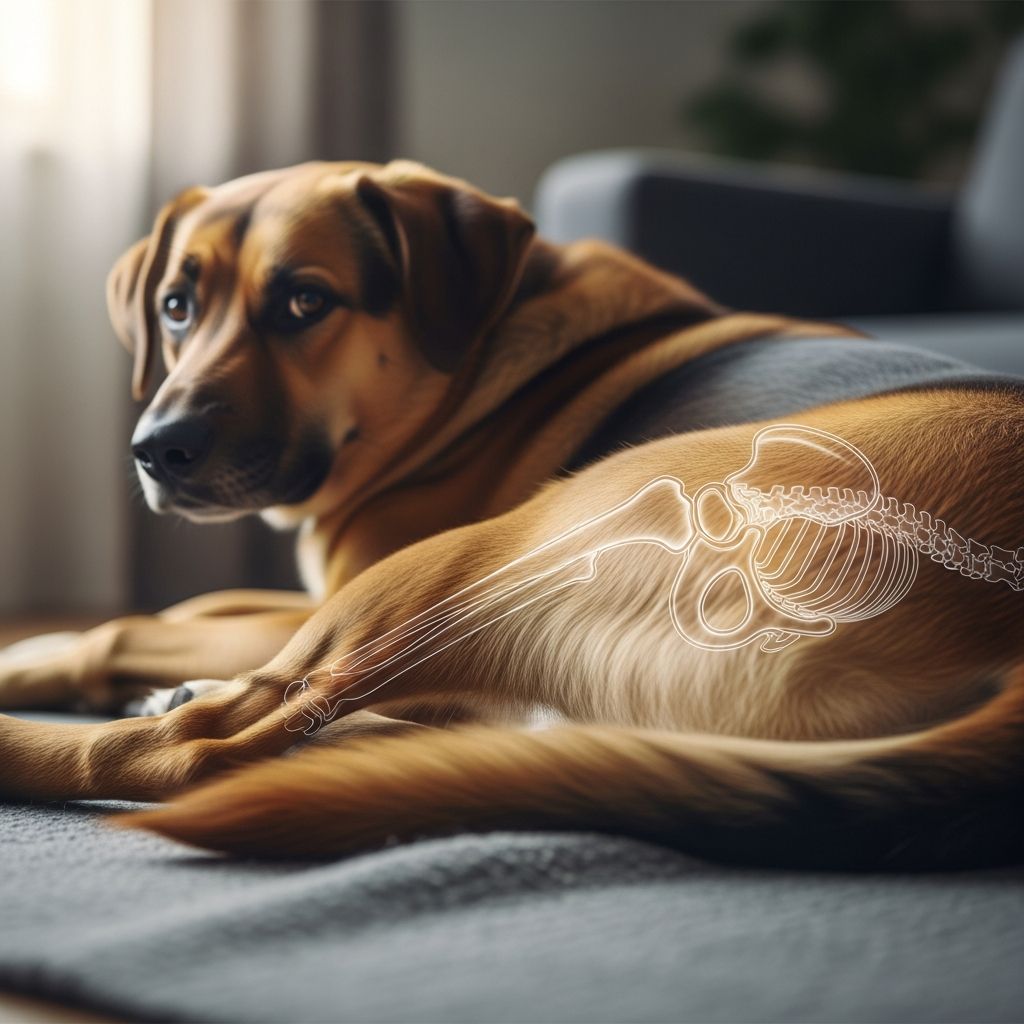
Hip dysplasia is a condition where the hip joint develops abnormally, causing the ball and socket joint to fit together improperly. The hip joint consists of the femoral head (ball) and the acetabular cup (socket). In dogs with hip dysplasia, excessive laxity or looseness develops between these two structures, leading to abnormal movement and wear on the joint cartilage. Dogs are typically born with normal hips, but as they grow, a lack of conformity develops between the femur and acetabular cup, which inevitably leads to the development of arthritis over time.
Breeds and Risk Factors
While hip dysplasia most commonly affects medium to large breed pedigree dogs, the condition can develop in any dog breed. Giant breeds such as German Shepherds, Labrador Retrievers, Golden Retrievers, Great Danes, and Saint Bernards are particularly predisposed to this condition. However, smaller breeds are not immune and can develop hip dysplasia as well.
Several factors contribute to the development and severity of hip dysplasia:
– Genetics and hereditary factors- Rapid growth patterns- Excessive nutrition during the growth phase- Diminished muscle mass- Environmental factors and exercise levels- Body weight and obesity
Causes of Hip Dysplasia
Hip dysplasia is primarily an inherited condition. Most dogs develop hip dysplasia because they inherit the genetic predisposition from one or both parents. While genetics play the primary role, environmental factors can exacerbate the condition. Rapid growth combined with excessive nutrition, particularly in large breed puppies, can worsen hip dysplasia severity. Additionally, lack of proper muscle development and support around the hip joint can contribute to increased laxity and progression of the disease.
Recognizing the Symptoms
Hip dysplasia symptoms vary depending on the severity of the condition and the individual dog’s pain tolerance. Many dogs begin showing clinical signs between 6 and 12 months of age, though symptoms can also appear later in life as arthritis develops.
Common signs and symptoms of hip dysplasia include:
– Reluctance to jump, run, or climb stairs- Difficulty rising from a lying or sitting position- Reluctance to jump into vehicles- Bunny-hopping gait or swaying of the hindquarters- Pain when rising or after exercise- Inactivity and reluctance to play- Limping or lameness in the hind legs- Muscle atrophy or loss of muscle mass in the hind legs- Swelling in the hip joint- Stiffness, particularly after rest periods
It’s important to note that some dogs may not show obvious symptoms early on, while others with severe dysplasia may display minimal signs. Regular veterinary check-ups and early detection can help identify the condition before significant damage occurs.
Diagnosis of Hip Dysplasia
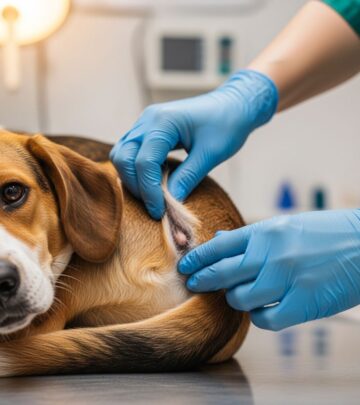
Veterinarians diagnose hip dysplasia through a combination of physical examination and diagnostic imaging. During the physical exam, your veterinarian will perform specific orthopedic tests to assess hip joint stability and pain levels. The Ortolani test, for example, can detect hip joint laxity by examining the dog’s response to manipulation of the hips.
X-ray imaging is the gold standard for confirming hip dysplasia diagnosis. Radiographs allow veterinarians to visualize the hip joint structure and assess the degree of abnormality. In young dogs, subtle changes may be visible, while older dogs often show evidence of secondary arthritis. Some veterinarians may recommend advanced imaging such as CT scans or MRI for more detailed assessment, particularly when surgical planning is necessary.
Treatment Options for Hip Dysplasia
The good news is that approximately 75% of dogs with hip dysplasia live happy, comfortable lives with appropriate management. Treatment approaches vary based on the severity of the condition, the dog’s age, the owner’s expectations, and financial considerations. Treatment options range from conservative medical management to surgical intervention.
Medical Management and Conservative Treatment
For many dogs, particularly those with mild to moderate hip dysplasia, conservative medical management provides significant relief and allows them to maintain an active lifestyle. Medical management is often the first-line treatment and focuses on pain control, weight management, and maintaining joint health.
Weight Management: Weight reduction is crucial for dogs with hip dysplasia. Excess weight increases stress on the hip joints and accelerates the development of arthritis. A high-quality dog food with top-grade protein and balanced mineral content is recommended. Rather than allowing free-feeding, scheduled meals help prevent weight gain and maintain lean body weight.
Exercise and Activity Modification: While exercise is important for maintaining muscle tone and joint health, the type and intensity must be carefully managed. Exercise restriction on hard surfaces is recommended to reduce joint stress. Low to moderate-impact activities such as swimming, walking on grass, and controlled play are beneficial, while high-impact activities like jumping and running on hard surfaces should be limited.
Pain Management Medications: Nonsteroidal anti-inflammatory drugs (NSAIDs) remain the cornerstone of medical therapy for hip dysplasia. Common NSAIDs prescribed for dogs include Galliprant, carprofen, and other veterinary-approved options. Corticosteroids may also be recommended in some cases to reduce inflammation. Analgesics such as gabapentin, tramadol, and codeine are often added to NSAID therapy to provide additional pain relief.
Joint Supplements and Nutraceuticals: Chondroprotective supplements containing glucosamine, chondroitin sulfate, and omega-3 fatty acids can help support joint health and reduce pain. Chondroprotectant injections such as Adequan or Cartrophen administered regularly can also benefit many dogs with painful hip dysplasia.
Physical Therapy: Physical therapy and rehabilitation play important roles in managing hip dysplasia. Therapeutic exercises help maintain muscle strength, improve joint mobility, and support overall joint health. Techniques may include:
– Controlled exercise programs- Hydrotherapy and swimming- Massage therapy- Heat therapy and icing- Acupuncture to increase muscle strength and decrease pain
Surgical Treatment Options
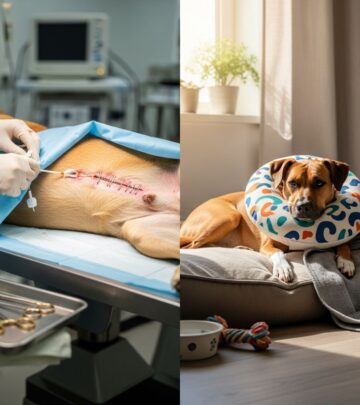
For dogs that don’t respond adequately to conservative management or those with severe hip dysplasia, surgical intervention may be recommended. The choice of surgical procedure depends on the dog’s age, severity of the condition, and individual circumstances.
Juvenile Pubic Symphysiodesis (JPS): Suitable for puppies diagnosed with hip dysplasia, this minimally invasive surgery closes a growth plate within the pelvis, helping to slow growth and change the pelvis’s shape to reduce joint looseness.
Double or Triple Pelvic Osteotomy (DPO/TPO): Ideal for dogs younger than 8 to 10 months old, this procedure involves cutting the pelvic bone and rotating the segments to improve the function of the ball and socket joint and reduce looseness. This surgery requires a skilled surgeon and has a high success rate, with 80-90% of cases regaining good or better function within 3 months.
Femoral Head Ostectomy (FHO): FHO surgery can be performed on young and mature dogs of any age. The procedure involves cutting off the femoral head, or “ball,” of the hip joint. This results in the body creating a “false” joint that reduces the discomfort associated with hip dysplasia. While FHO does not recreate normal hip function, it can be a successful pain management strategy.
Total Hip Replacement (THR): The most effective surgical treatment for hip dysplasia is total hip replacement, best suited for young dogs at least 1 year old whose skeletons are fully grown. In this procedure, the surgeon replaces the entire joint with metal and plastic implants, returning hip function to a more normal range and eliminating most of the discomfort associated with hip dysplasia. Research shows that 90-95% of dogs with total hip replacement have excellent post-surgery function.
Emerging Therapies
Researchers continue to explore innovative treatment options for hip dysplasia. Recent advances include:
– Platelet-rich plasma therapy in conjunction with physical therapy to improve limb function- Stem cell treatments combined with hyaluronic acid to improve range of motion- Injectable antibodies that block pain signal transmission- Injectable medications that help replace joint fluid
Prevention and Screening
While hip dysplasia cannot be completely prevented in genetically predisposed dogs, several measures can help reduce the risk and severity of the condition. Responsible breeding practices, including hip screening before mating, help reduce the number of puppies born with hip dysplasia. Prospective dog owners should inquire about hip scores and health screening of parent dogs when purchasing puppies from breeders.
During a puppy’s growth phase, owners should:
– Provide a balanced diet appropriate for the dog’s age and breed- Avoid excessive supplementation that may promote too-rapid growth- Maintain appropriate body weight- Provide moderate, controlled exercise- Avoid jumping and high-impact activities on hard surfaces- Support muscle development through appropriate play and exercise
Prognosis and Quality of Life
The prognosis for dogs with hip dysplasia varies depending on severity, age at diagnosis, and treatment approach. The encouraging news is that most dogs with hip dysplasia can enjoy good quality of life with appropriate management. Conservative treatment with NSAIDs, chondroprotective supplements, and lean body weight provides enough relief for approximately 75% of affected dogs to move around with little to no pain.
Many young dogs with hip dysplasia will stabilize as they mature. Conservative management consisting of limited exercise and pain management, coupled with physical therapy, can help puppies through this critical growth period. If successful with conservative management, only about 30% of young dogs treated this way will need advanced therapies later in life.
Working with Your Veterinarian
Managing hip dysplasia requires close collaboration between pet owners and veterinarians. Your veterinarian can help determine the most appropriate treatment approach based on your dog’s specific situation, recommend suitable medications and supplements, monitor your dog’s progress, and adjust treatment plans as needed. Always consult with your veterinarian before starting any treatment program to ensure the best outcomes for your dog.
Frequently Asked Questions
Q: At what age can hip dysplasia be diagnosed?
A: Hip dysplasia can be diagnosed at various ages. Clinical signs often appear between 6 and 12 months of age, though some dogs may show symptoms earlier or later. X-ray confirmation can be performed as early as 16 weeks of age, though some veterinarians prefer to wait until the dog is older for more accurate assessment.
Q: Is hip dysplasia painful?
A: Yes, hip dysplasia causes pain, swelling, and stiffness. The severity of pain varies depending on the degree of joint involvement and individual pain tolerance. Over time, hip dysplasia leads to osteoarthritis, which can become increasingly painful if not properly managed.
Q: Can hip dysplasia be cured?
A: Hip dysplasia cannot be cured, but it can be effectively managed. Conservative treatment and surgical options can significantly reduce pain and improve quality of life. The goal of treatment is to manage pain, maintain joint function, and allow your dog to remain active and comfortable.
Q: What is the cost of treating hip dysplasia?
A: Treatment costs vary widely depending on the approach chosen. Conservative medical management with medications and supplements may cost a few hundred dollars annually. Surgical procedures like total hip replacement can cost $3,000-$5,000 or more per hip. Discuss cost considerations and financing options with your veterinarian.
Q: Can my dog still exercise with hip dysplasia?
A: Yes, moderate exercise is beneficial for dogs with hip dysplasia. Low-impact activities like swimming, walking on grass, and controlled play help maintain muscle strength and joint mobility. High-impact activities and jumping should be limited to reduce stress on the affected joints.
Q: Should I consider surgery for my dog’s hip dysplasia?
A: The decision to pursue surgery depends on factors including your dog’s age, severity of the condition, response to conservative treatment, and your expectations. Discuss the pros and cons of surgical options with your veterinarian to determine if surgery is appropriate for your dog.
References
- Hip Dysplasia in Dogs: Signs, Symptoms, Treatment — American Kennel Club. 2024. https://www.akc.org/expert-advice/health/hip-dysplasia-in-dogs/
- Hip Dysplasia in Dogs: Early Signs, Treatment, and Prevention — GoodRx. 2024. https://www.goodrx.com/pet-health/dog/hip-dysplasia-in-dogs
- Hip Dysplasia in Dogs — PDSA (People’s Dispensary for Sick Animals). 2024. https://www.pdsa.org.uk/pet-help-and-advice/pet-health-hub/conditions/hip-dysplasia-in-dogs
- Hip Dysplasia in Dogs – Signs, Symptoms, Diagnosis and Treatment — Morris Animal Foundation. 2024. https://www.morrisanimalfoundation.org/article/disease/hip-dysplasia-in-dogs
- Canine Hip Dysplasia Treatment and Surgery — Bridger Veterinary Specialists. 2024. https://www.bridgervetspecialists.com/services/hip-dysplasia-treatment-surgery.html
- Hip Dysplasia in Dogs: Signs, Treatment, Surgery — PetMD. 2024. https://www.petmd.com/dog/conditions/musculoskeletal/hip-dysplasia-dogs
- Hip Dysplasia in Dogs | Symptoms and Treatment — Blue Cross. 2024. https://www.bluecross.org.uk/advice/dog/health-and-injuries/hip-dysplasia-in-dogs
Similar Articles







Read full bio of medha deb