

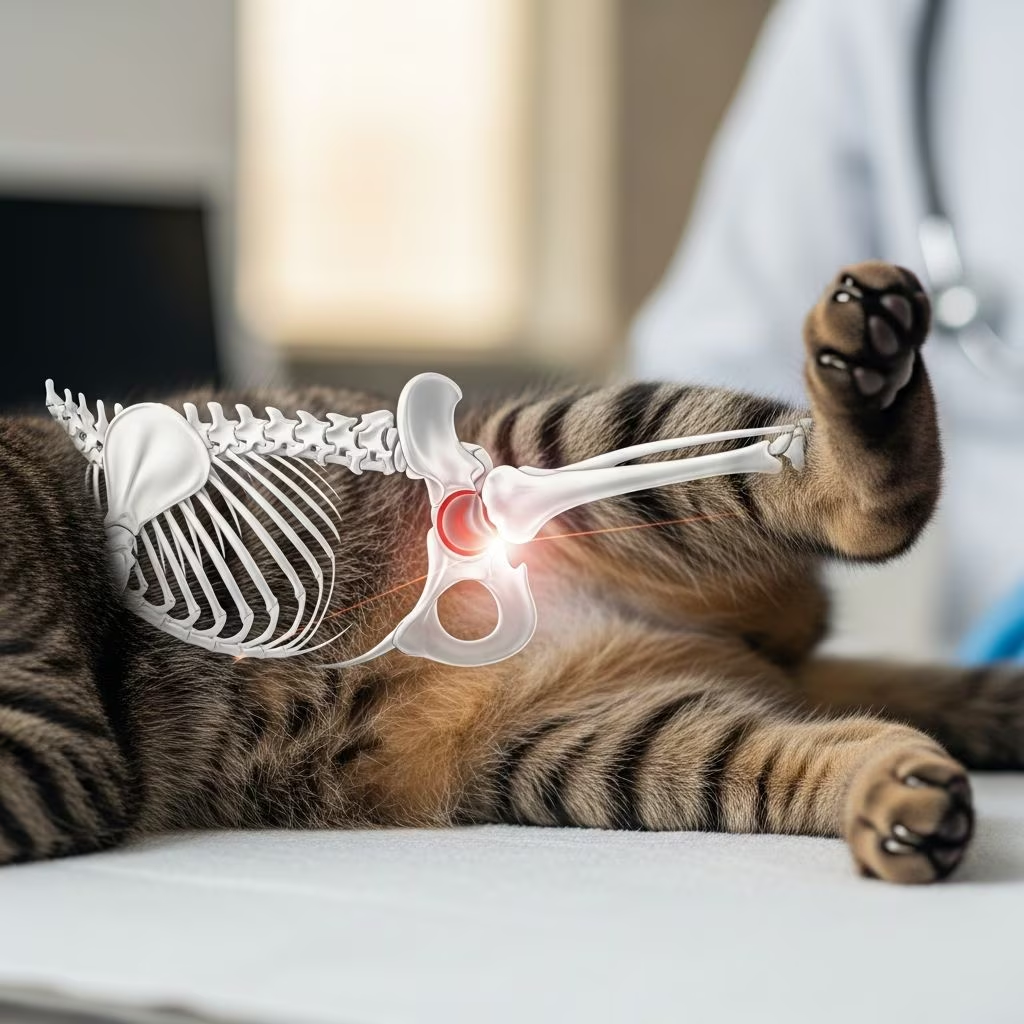
Understanding Hip Dysplasia in Cats
Hip dysplasia is a hereditary orthopedic condition that affects the hip joint in cats, though it remains relatively uncommon compared to other feline health issues. The condition involves a malformation of the hip socket and femoral head, creating an unstable joint that can lead to significant discomfort and mobility problems. Unlike dogs, where hip dysplasia is a well-recognized and frequent concern, cats with this condition often go undiagnosed because symptoms can be subtle or mistaken for normal aging or other joint conditions. Understanding this condition is crucial for cat owners, as early recognition and proper management can significantly improve a cat’s quality of life and slow the progression of associated arthritis.
What is Hip Dysplasia?
Hip dysplasia in cats is characterized by a laxity—or looseness—in the socket of the hip joint where the head of the femur fits into the pelvis. In a normal hip, the ball-shaped head of the femur sits snugly within the acetabulum, a cup-shaped socket in the pelvis. However, in cats with hip dysplasia, this ball and socket are misaligned and loose, preventing the femoral head from moving smoothly. This partial dislocation, called subluxation, causes the femoral head and acetabulum to knock and grind against each other. Over time, this constant wear and tear causes the acetabulum to become shallow and the femoral head to become worn, flattened, and misshapen, resulting in an incapacitating looseness of the entire joint.
Causes of Hip Dysplasia in Cats
Hip dysplasia in felines results from a combination of genetic and environmental factors. Understanding these causes can help you prevent or manage the condition more effectively.
Genetic Factors
Hip dysplasia is a hereditary disorder, meaning it’s present at or before birth. Some purebred cats are genetically predisposed to this inherited disease. Certain breeds show higher susceptibility to hip dysplasia, including Maine Coons, Persians, and Himalayans. If your cat has parents or relatives with hip dysplasia, there’s an increased likelihood they may develop the condition.
Environmental and Lifestyle Factors
Beyond genetics, several environmental factors can contribute to the development or worsening of hip dysplasia. Excessive growth and rapid weight gain place abnormal stress on the developing hip joint. Obesity is particularly significant, as those extra pounds increase pressure on the hip joint and its supporting structures, which can worsen the situation considerably. Joint laxity—loose joints that may not fit properly into the socket—can cause instability and wear over time. Additionally, nutritional levels and muscle mass in the pelvic area play roles in joint health and stability.
Recognizing the Symptoms
Signs of hip dysplasia in cats are often absent or subtle until osteoarthritis develops. This makes early recognition challenging for cat owners. When symptoms do appear, they typically relate to pain and mobility issues affecting the rear quarters. Key symptoms to watch for include:
- Limping or other apparent difficulties in walking
- Avoidance of physical activity and reluctance to move
- Expression of pain when the hip is touched or manipulated
- Excessive licking or chewing in the hip area
- Weakness and lameness in the rear quarters
- Difficulty jumping, climbing stairs, or other activities requiring hip extension
- Stiffness, particularly after periods of rest
It’s important to note that hip dysplasia can be mistaken for other joint issues with similar symptoms, such as osteoarthritis, luxating patellae, and injuries to the limbs, claws, or paws. This is why getting an accurate diagnosis from a veterinarian is essential to ensure your cat receives proper treatment.
Diagnosis of Hip Dysplasia
Proper diagnosis requires a comprehensive veterinary examination. When examining the hip, veterinarians should perform abduction in addition to flexion, extension, and rotation movements. Cats with hip dysplasia and associated osteoarthritis generally resent hip abduction, sometimes more so than flexion and extension.
Diagnostic Process
The diagnostic process begins with a physical examination and discussion of your cat’s medical history and symptoms. Your veterinarian will manipulate the hip joint to assess range of motion, stability, and pain response. Imaging studies, particularly radiographs (X-rays), are typically used to confirm the diagnosis and assess the severity of the condition. These images reveal the structural abnormalities characteristic of hip dysplasia and any secondary changes such as osteoarthritis or bone remodeling.
The Pathophysiology of Hip Dysplasia
Understanding how hip dysplasia damages the joint helps explain why early intervention is important. During the degenerative process, the cartilage that lines the hip joint, called hyaline cartilage, is damaged by abnormal forces from the deformed hip socket. Small fractures can occur in the cartilage as well. Eventually, enzymes are released that degrade the joint further and decrease the synthesis of an important joint protectant called proteoglycans. The cartilage becomes thinner and stiffer, further compromising its ability to handle the stresses of daily movement and weight bearing. As the problem progresses, more enzymes are released, affecting the precursors to proteoglycans, molecules called glycosaminoglycans and hyaluronate. Lubrication becomes negligible, inflammation occurs, and the joint fluid can no longer nourish the hyaline cartilage, creating a vicious cycle that continues until pain occurs.
Non-Surgical Treatment Options
Most cats respond to non-surgical management with a combination of environmental changes, physical therapy, drug therapy, and weight loss. A majority of pet cats are overweight, so weight loss is often part of the treatment plan. Keeping cats at a healthy weight is a very important part of minimizing the impact of hip dysplasia, as obesity puts more stress on the joints, making symptoms worse and causing the condition to progress faster.
Weight Management
Weight management is foundational to managing hip dysplasia. Your veterinarian may suggest changing your cat’s diet to encourage weight loss through over-the-counter or prescription diet food. Some specialized formulations include kidney support (k/d) and joint mobility options that can be beneficial, especially for older cats with multiple conditions.
Medications and Joint Supplements
Anti-inflammatory medications, typically prescribed by your vet, help reduce swelling and alleviate discomfort in the affected area. These aim to significantly improve your cat’s mobility. Your veterinarian may prescribe drugs appropriate for cats, such as opioid medications. Never give your cat any human pain medication, which can be very dangerous—for example, acetaminophen is toxic to cats and can result in death.
Joint supplements, such as glucosamine and chondroitin (found in products like Cosequin or Dasuquin), help promote joint health and slow the progression of degenerative changes. Regularly using these supplements may help maintain healthy joint cartilage and reduce excessive wear on the hip joint, making your kitty more comfortable as they age.
Physical Therapy and Exercise
Regular, gentle exercise and therapeutic techniques can help strengthen the muscles around the joint and improve mobility. However, your veterinarian might also suggest limiting exercise and encouraging your cat to rest as much as possible, depending on the severity of the condition and your cat’s individual tolerance.
Alternative Therapies
Complementary therapies are often used alongside conventional treatment to help control hip dysplasia and arthritis symptoms. Acupuncture, laser therapy, and therapeutic massage are excellent treatment choices in many cases because they are effective without the use of drugs. These alternative approaches can provide additional pain relief and improve your cat’s overall comfort.
Environmental Modifications
Simple environmental changes can make a significant difference in your cat’s comfort and mobility. These include providing easy access to litter boxes, food bowls, and sleeping areas at appropriate heights, using ramps or steps to help your cat navigate furniture, and ensuring a warm, comfortable resting space.
Surgical Treatment Options
While surgery for hip dysplasia treatment in cats is uncommon, surgery may be recommended if the condition seriously impairs a cat’s quality of life or if non-surgical treatments fail to provide adequate relief. If these changes don’t adequately relieve the cat’s pain, there are two surgical options available: femoral head and neck excision and total hip replacement. Most cases of cat hip dysplasia are not treated surgically; a surgical specialist will determine which procedure is most appropriate. Surgery for cat hip dysplasia is only done if there is substantial pain.
Femoral Head Ostectomy (FHO)
The most common surgery for cats with hip dysplasia involves removing the head and neck of the femur bone, also known as femoral head ostectomy (FHO) or excision arthroplasty. This procedure stops the pain caused by bone rubbing against bone and eroding the cartilage. After the femoral head is removed, scar tissue forms a false joint that allows continued mobility without the grinding and pain associated with the dysplastic hip.
Total Hip Replacement
In some cases, particularly severe ones, total hip replacement may be recommended. This surgical procedure involves replacing the damaged hip joint with an artificial prosthesis, restoring more normal joint mechanics and significantly improving mobility and reducing pain.
Managing Your Cat’s Hip Dysplasia
Successful management of hip dysplasia requires a multifaceted approach tailored to your individual cat’s needs. Work closely with your veterinarian to develop a comprehensive treatment plan that may include multiple strategies. Regular monitoring and follow-up appointments are essential to assess your cat’s progress and adjust treatments as needed. Pain management is crucial, as untreated pain can limit your cat’s activity, leading to muscle atrophy and further deterioration of joint function.
Frequently Asked Questions
Q: Is there a cure for hip dysplasia in cats?
A: Surgery is the only way to stabilize abnormally loose hip joints, but most cases of feline hip dysplasia can be successfully managed with weight loss, medications, exercise, and environmental modification. If a cat with hip dysplasia develops severe osteoarthritis, surgery to replace or remove the affected hip joint may be recommended.
Q: Can you fix cat hip dysplasia without surgery?
A: Surgery is the only way to eliminate the abnormal joint laxity for a cat with hip dysplasia. However, most cases are minor and can be managed with weight management, medication, and lifestyle modification.
Q: What breeds are most susceptible to hip dysplasia?
A: Certain breeds show higher susceptibility to hip dysplasia, including Maine Coons, Persians, and Himalayans. However, any cat can develop this condition.
Q: How much does hip dysplasia treatment cost?
A: The cost of treatment varies significantly depending on whether non-surgical or surgical approaches are chosen. Non-surgical management typically involves ongoing medication, supplements, and dietary modifications. Surgical options like FHO or total hip replacement are more expensive but may be necessary in severe cases.
Q: What can be mistaken for hip dysplasia in cats?
A: Hip dysplasia is uncommon in cats, and other joint issues with similar symptoms are more likely, such as osteoarthritis, luxating patellae, and injuries to the limbs, claws, or paws. It’s important to get an accurate diagnosis from a veterinarian to ensure your cat receives proper treatment.
Q: Will my cat be able to live a normal life with hip dysplasia?
A: With appropriate management and treatment, many cats with hip dysplasia can live comfortable, active lives. The key is early diagnosis, proper treatment, and ongoing care to minimize pain and maintain mobility.
References
- New Knowledge and New Treatments for Feline Hip Dysplasia — Michigan State University, College of Veterinary Medicine. 2016. https://cvm.msu.edu/news/2016/tackling-feline-hip-dysplasia
- Hip Dysplasia – Cornell University College of Veterinary Medicine — Cornell University. 2024. https://www.vet.cornell.edu/departments-centers-and-institutes/cornell-feline-health-center/health-information/feline-health-topics/hip-dysplasia
- Hip Dysplasia in Cats – PetMD — PetMD Editorial. 2024. https://www.petmd.com/cat/conditions/musculoskeletal/c_ct_hip_dysplasia
- Treatment for Hip Dysplasia in Cats — Vetster. 2024. https://vetster.com/en/wellness/treatment-for-hip-dysplasia-in-cats
- Hip Dysplasia in Cats Facts: Diagnosis and Treatment — ASPCA Pet Insurance. 2024. https://www.aspcapetinsurance.com/resources/hip-dysplasia-in-cats-facts/



