Hip Dysplasia in Cats: Symptoms and Care
Understand hip dysplasia in cats, from early signs like limping to effective treatments including diet, therapy, and surgery options for better mobility.
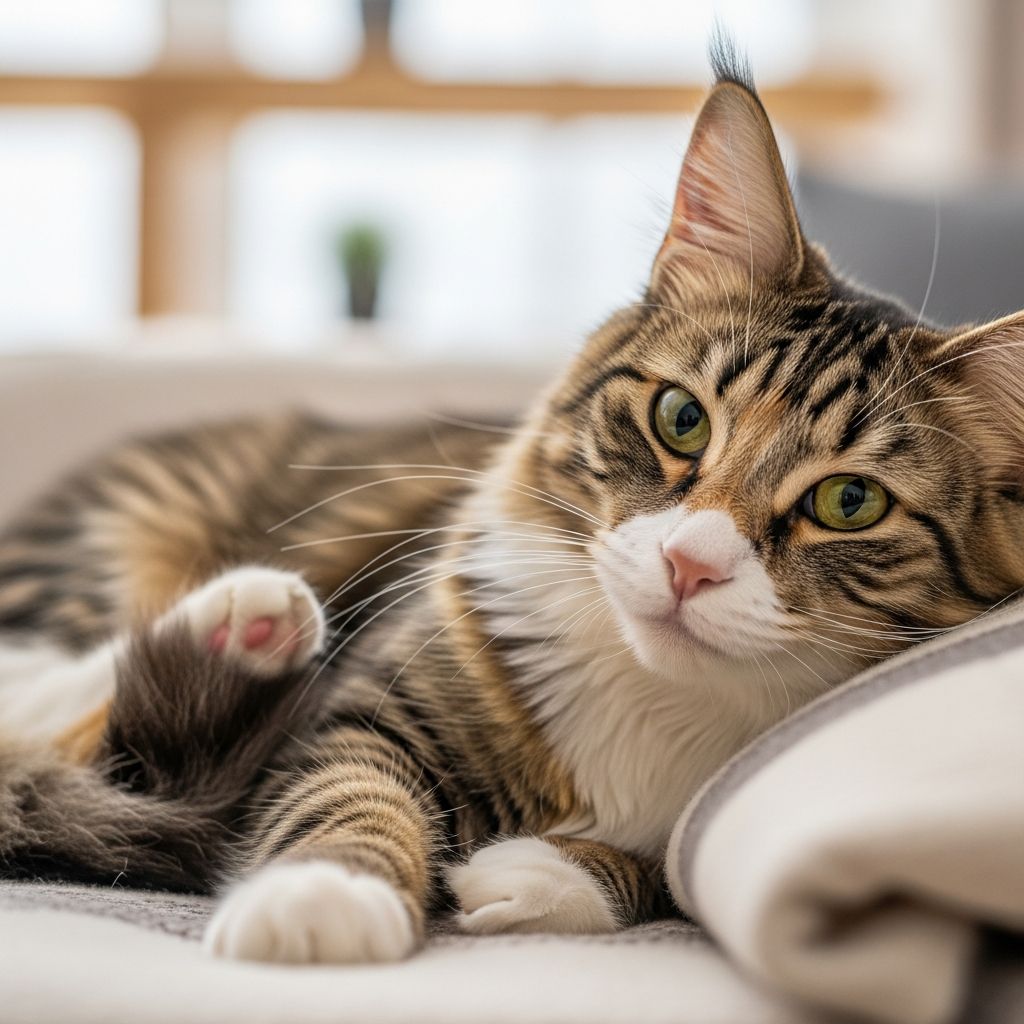
Hip dysplasia in cats involves abnormal hip joint development, leading to looseness, pain, and eventual arthritis, though it remains uncommon compared to dogs.
Understanding the Anatomy of Feline Hip Joints
The hip joint functions as a ball-and-socket mechanism where the femur’s head fits into the pelvis’s acetabulum. In healthy cats, this setup enables fluid movement for jumping and running. Dysplasia disrupts this by creating a shallow socket or malformed ball, causing subluxation where bones grind, eroding cartilage over time.
This malformation often stems from genetic factors, making certain purebreds more prone, though environmental influences like rapid growth or trauma can contribute.
Recognizing Early Warning Signs
Cats mask pain well, complicating detection. Watch for subtle changes:
- Hindlimb lameness or bunny-hopping gait.
- Reluctance to jump or climb stairs.
- Muscle wasting in hindquarters.
- Irritability or reduced grooming.
- Stiffness after rest, easing with movement.
These intensify with age as osteoarthritis develops, affecting 60-90% of senior cats broadly.
Risk Factors and Prevalence
Though rare in mixed breeds, hip dysplasia appears more in purebreds due to hereditary traits. Obesity exacerbates joint stress, accelerating degeneration, while injuries or infections may mimic or worsen it.
| Factor | Impact on Dysplasia | Prevalence Note |
|---|---|---|
| Genetics | Primary cause of socket laxity | Higher in purebreds |
| Obesity | Increases joint load | Common aggravator |
| Age | Leads to DJD | 60-90% in older cats |
| Trauma | Can initiate degeneration | Secondary factor |
Diagnostic Approaches for Accurate Assessment
Veterinarians start with physical exams, testing hip abduction, flexion, and rotation for pain or crepitus. Radiographs reveal socket depth, femoral head shape, and arthritis signs like bone spurs.
Advanced imaging or joint taps rule out infections or immune issues. Early detection via these methods prevents progression.
Non-Surgical Management Strategies
Most cats improve without surgery through multimodal care.
Weight Management Essentials
Reducing body weight lessens joint pressure. Therapeutic diets promote gradual loss while supporting joints with omega-3s and antioxidants.
Medications for Pain Relief
Cat-safe NSAIDs reduce inflammation. Monoclonal antibodies like frunevetmab target osteoarthritis pain. Avoid human drugs, toxic to felines.
Nutritional Supplements
Glucosamine, chondroitin, and omega-3s aid cartilage repair and lubrication. Joint health formulas combine these effectively.
Physical and Environmental Therapies
Gentle exercises on soft surfaces build muscle. Ramps replace jumps; warm compresses soothe. Acupuncture, laser therapy, or controlled physical therapy enhance mobility.
Surgical Interventions: When Conservative Care Falls Short
For severe cases, options include:
- Femoral head ostectomy (FHO): Removes the femoral head, allowing scar tissue formation for a pseudo-joint.
- Total hip replacement: Replaces the joint with prosthetics, restoring near-normal function.
Post-surgery rehab is crucial, with good outcomes in responsive cats.
Preventive Measures for Long-Term Joint Health
Maintain ideal weight from kittenhood. Provide joint-supportive nutrition, especially for at-risk breeds. Regular vet checks catch issues early. Low-impact play preserves muscle without strain.
Living with a Cat That Has Hip Dysplasia
Adapt the home: low-entry litter boxes, soft bedding, heated pads. Monitor for progression; adjust care as needed. Many cats lead happy lives with proper management.
Common Myths About Feline Hip Issues
- Myth: Only large breeds get it. Fact: Affects various sizes, genetics key.
- Myth: Cats outgrow it. Fact: Leads to chronic arthritis without intervention.
- Myth: Surgery always needed. Fact: Conservative methods suffice for most.
Frequently Asked Questions
Is hip dysplasia hereditary in cats?
Yes, primarily genetic, especially in purebreds.
Can diet alone fix hip dysplasia?
Diet aids weight control and joint support but pairs with other therapies.
How do I know if my cat has hip pain?
Look for gait changes, jumping avoidance; vet exam confirms.
Are supplements safe long-term?
Vet-approved ones like glucosamine are, supporting cartilage.
What’s the prognosis?
Excellent with management; many cats stay active.
Proactive care transforms hip dysplasia from debilitating to manageable, ensuring cats enjoy agility and comfort throughout life.
References
- Joint Issues and Hip Dysplasia in Cats — Hill’s Pet Nutrition. 2023. https://www.hillspet.com/cat-care/healthcare/joint-dysplasia-in-cats
- Joint Disorders in Cats – Cat Owners — Merck Veterinary Manual. 2024-02-01. https://www.merckvetmanual.com/cat-owners/bone-joint-and-muscle-disorders-of-cats/joint-disorders-in-cats
- New Knowledge and New Treatments for Feline Hip Dysplasia — Michigan State University College of Veterinary Medicine. 2016-01-01. https://cvm.msu.edu/news/2016/tackling-feline-hip-dysplasia
- Hip Dysplasia in Cats: Signs, Symptoms, Treatment — Long Beach Animal Hospital. 2023. https://lbah.com/feline/hip-dysplasia-in-cats/
- Hip Dysplasia in Cats Facts: Diagnosis and Treatment — ASPCA Pet Insurance. 2024. https://www.aspcapetinsurance.com/resources/hip-dysplasia-in-cats-facts/
- Hip Dysplasia — Cornell University College of Veterinary Medicine. 2023. https://www.vet.cornell.edu/departments-centers-and-institutes/cornell-feline-health-center/health-information/feline-health-topics/hip-dysplasia
Similar Articles



Read full bio of medha deb