

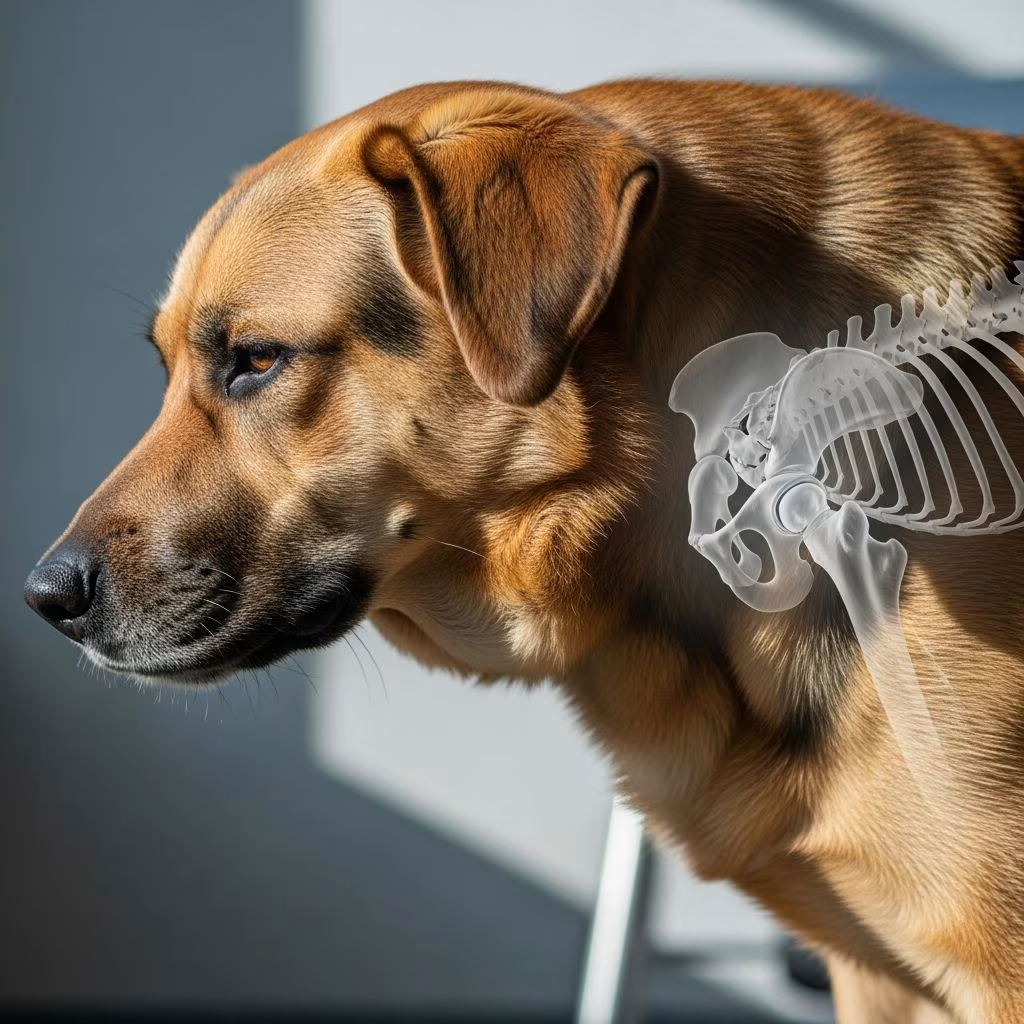
Understanding Hip Dysplasia in Dogs
Hip dysplasia is one of the most common orthopedic conditions affecting dogs today, particularly large and giant breeds. This developmental disorder occurs when the hip joint fails to develop properly, resulting in joint laxity or looseness. Unlike normal hip joint development where the femoral head fits snugly into the acetabulum, dogs with hip dysplasia experience improper alignment that leads to wear and tear over time. This progressive condition can cause significant pain, lameness, and reduced quality of life if left untreated.
The condition is polygenic and multifactorial, meaning it involves multiple genes and environmental factors contribute to its development. While genetics play a substantial role in determining whether a dog will develop hip dysplasia, factors such as nutrition, exercise, and overall health also influence the severity and onset of symptoms. Understanding this condition is crucial for dog owners, particularly those with breeds predisposed to hip dysplasia.
What Are the Signs of Hip Dysplasia in Dogs and Puppies?
Although hip dysplasia in dogs may sometimes go undetected, there are several common signs that owners should recognize. The manifestation of symptoms can vary significantly depending on the dog’s age, the severity of the condition, and the degree of inflammation present in the joint.
Common signs of hip dysplasia include:
- Chronic or occasional lameness
- Limping with no previous trauma or injury
- “Bunny hopping,” particularly when climbing stairs or running
- Having trouble standing up from a sitting or lying position
- Abnormal sitting positions
- Having trouble getting on and off furniture, going upstairs, or jumping into cars
- Reluctance to engage in normal activities
- Visible pain or discomfort when moving
- Decreased muscle mass in the hind limbs
- Swaying in the hips when walking
- Shifting weight to the forelimbs to alleviate stress
Dogs can be very stoic and may not show all of these clinical signs, which can make early detection challenging. However, it’s important to recognize that this condition is painful as it progresses, regardless of whether your dog demonstrates obvious symptoms. Some dogs may have significant hip dysplasia on X-rays but show minimal clinical signs, while others with less severe radiographic changes may experience considerable pain and lameness.
Hip Dysplasia in Young Dogs vs. Older Dogs
Hip dysplasia can manifest differently depending on the dog’s life stage. Young dogs often experience acute discomfort and lameness, particularly between 5 to 12 months of age, during a period known as the juvenile form of hip dysplasia. Puppies may display difficulty rising after rest, reluctance to walk, jump, run, or climb stairs, and characteristic “bunny hopping” gaits. This acute discomfort results from laxity in the hip joint that causes stretching and tearing of soft tissues surrounding the joint.
As these young dogs age, inflammation in the soft tissues around the joint causes thickening of the joint capsule and remodeling of the hip joint. The chronic form of hip dysplasia has a highly variable onset of clinical signs. Some dogs never show discomfort or other clinical signs and are diagnosed incidentally with X-rays. More commonly, an adult dog will present with slow, progressive hind limb lameness or discomfort, difficulty rising after rest, and reluctance to engage in physical activities.
How Is Hip Dysplasia Diagnosed?
Proper diagnosis of hip dysplasia requires a comprehensive approach involving physical examination, clinical assessment, and imaging studies. Your veterinarian will begin with a thorough history of your dog’s health and any symptoms you’ve observed.
Physical Examination
During a physical exam, your veterinarian will observe your dog’s gait and may notice a stiff, short-strided gait characteristic of hip dysplasia. The muscles of the hind limbs may appear atrophied or smaller than normal. Your veterinarian will manipulate your dog’s hind legs to test the looseness of the joint, checking for any grinding, pain, or reduced range of motion.
One important test is the Ortolani sign, where the hip joint is manipulated in a particular way to assess for laxity or instability. This palpation technique helps veterinarians identify excessive joint looseness that may indicate hip dysplasia. Additionally, your veterinarian may perform blood work to check for inflammation markers that can indicate joint disease.
Imaging Studies
The definitive diagnosis of hip dysplasia typically comes through radiographic imaging or X-rays. Your veterinarian will take radiographs of your dog’s hips to determine the degree and severity of the hip dysplasia. These X-rays are essential for determining the best course of treatment and assessing the progression of the disease. In juvenile hip dysplasia, radiographs show separation between the femoral head and acetabulum, indicating joint laxity. As the condition progresses, there may be early signs of remodeling or flattening of the femoral head, and the acetabulum may become more shallow. In older dogs, there is often severe flattening of the femoral head, a shallow acetabulum, and signs of arthritis including abnormal bone formation, osteophytes (bone spurs), and collapse of the joint space.
For radiographs to be accurate, dogs need to be sedated or anesthetized since specific positioning is required for proper evaluation. Alternative diagnostic methods, such as the Cornell dorsolateral subluxation method, involve imaging a dog’s hips while it kneels on the table. This method correlates well with hip palpation and can effectively detect hip laxity.
Treatment Options for Hip Dysplasia
Treatment for hip dysplasia depends on several factors including the severity of the condition, the dog’s age, the degree of pain and lameness, and the owner’s treatment preferences. Veterinarians typically employ a combination of conservative management and surgical intervention strategies.
Conservative Management
For many dogs, particularly those with mild to moderate hip dysplasia, conservative management approaches can effectively control pain and improve quality of life. These non-surgical options include:
- Weight management to reduce stress on affected joints
- Restricted activity and controlled exercise regimens
- Physical therapy and rehabilitation exercises
- Joint supplements containing glucosamine and chondroitin
- Prescription medications such as nonsteroidal anti-inflammatory drugs (NSAIDs)
- Corticosteroid injections into the affected joint
- Dietary modifications and omega-3 fatty acid supplementation
Conservative management works best when implemented early in the disease process and combined with careful monitoring of your dog’s symptoms and progress.
Surgical Treatment Options
When conservative management fails to provide adequate relief or in severe cases of hip dysplasia, surgical intervention may be necessary. Several surgical procedures are available to address hip dysplasia, each with specific indications and outcomes.
Total Hip Replacement (THR)
Total hip replacement is one of the most effective surgical treatments for advanced hip dysplasia. This procedure involves removing the affected hip joint and replacing it with a prosthetic implant. THR is particularly beneficial for dogs with severe pain and significant joint degeneration who have not responded adequately to conservative treatment. Success rates are high, with most dogs showing significant improvement in pain relief and mobility following recovery.
Femoral Head and Neck Excision (FHE)
Femoral head and neck excision, also known as femoral head ostectomy, involves surgically removing the head and neck of the femur. This procedure eliminates the source of pain by creating a false joint, allowing the dog to move relatively painlessly. FHE is most effective in smaller dogs and can provide good functional outcomes, though it typically results in some residual lameness compared to total hip replacement.
Double and Triple Pelvic Osteotomy (DPO/TPO)
Pelvic osteotomy procedures are performed primarily in young dogs with early-stage hip dysplasia before significant degenerative changes have occurred. These procedures involve cutting and repositioning the pelvis to improve hip joint coverage and stability. When performed early, these surgeries can halt or slow the progression of hip dysplasia and prevent future degenerative changes.
Factors to Consider When Choosing Treatment
The decision between conservative management and surgical intervention requires careful consideration of multiple factors. Your dog’s age plays a significant role—younger dogs with early-stage disease are often better candidates for preventive surgical procedures like pelvic osteotomy, while older dogs with chronic changes may benefit more from pain management strategies or total hip replacement.
The severity of hip dysplasia as determined by radiographic imaging helps guide treatment decisions. Additionally, your dog’s overall health status, any concurrent medical conditions, and your lifestyle preferences all influence the best treatment approach. Open communication with your veterinarian about your goals and concerns will help develop the most appropriate treatment plan for your individual dog.
Prognosis and Long-Term Management
The prognosis for dogs with hip dysplasia varies depending on the severity of the condition, the treatment approach chosen, and how well owners comply with recommended management strategies. With appropriate treatment—whether conservative or surgical—most dogs can maintain a good quality of life and reasonable mobility.
Long-term management is essential for all dogs diagnosed with hip dysplasia. This includes maintaining a healthy weight, providing appropriate levels of exercise, administering medications as prescribed, and attending regular veterinary checkups to monitor progression and adjust treatment as needed. Many dogs live comfortably with hip dysplasia when provided with conscientious care and pain management.
Frequently Asked Questions
Q: What breeds are most prone to hip dysplasia?
A: Large and giant dog breeds are most commonly affected, including German Shepherds, Labrador Retrievers, Golden Retrievers, Rottweilers, and Saint Bernards. However, hip dysplasia can develop in any breed or mixed-breed dog.
Q: At what age should dogs be screened for hip dysplasia?
A: Screening can begin as early as 4 months of age, though official screening organizations typically recommend radiographic evaluation at 2 years of age for breed certification purposes. Some dogs show symptoms much earlier, while others may not display signs until later in life.
Q: Is hip dysplasia inherited?
A: Yes, hip dysplasia has a strong genetic component. Dogs with parents or siblings affected by hip dysplasia have increased risk of developing the condition. This is why responsible breeding practices and health screening are important.
Q: Can hip dysplasia be prevented?
A: While you cannot eliminate genetic predisposition, you can reduce the risk of development through proper nutrition, maintaining healthy weight, appropriate exercise during puppyhood, and breeding from health-screened parents.
Q: How much does hip dysplasia treatment cost?
A: Conservative management costs vary but typically range from several hundred to a few thousand dollars annually. Surgical procedures like total hip replacement can cost $3,000 to $7,000 per hip, while other surgical options may range from $1,500 to $5,000.
Q: Can my dog live a normal life with hip dysplasia?
A: Yes, with proper diagnosis, appropriate treatment, and careful management, most dogs with hip dysplasia can enjoy a good quality of life and maintain reasonable mobility and comfort.
References
- Canine Hip Dysplasia (CHD) — Cornell University College of Veterinary Medicine, Riney Canine Health Center. https://www.vet.cornell.edu/departments-centers-and-institutes/riney-canine-health-center/canine-health-topics/canine-hip-dysplasia-chd
- Hip Dysplasia in Dogs: Signs, Treatment, Surgery — PetMD. https://www.petmd.com/dog/conditions/musculoskeletal/hip-dysplasia-dogs
- Hip Dysplasia in Dogs — VCA Animal Hospitals. https://vcahospitals.com/know-your-pet/hip-dysplasia-in-dogs
- Diagnosis, Prevention, and Management of Canine Hip Dysplasia — National Center for Biotechnology Information, PubMed Central. 2018. https://pmc.ncbi.nlm.nih.gov/articles/PMC6070021/
- Canine Hip Dysplasia — American College of Veterinary Surgeons. https://www.acvs.org/small-animal/canine-hip-dysplasia/
- Hip Dysplasia in Dogs: Signs, Symptoms, Treatment — American Kennel Club. https://www.akc.org/expert-advice/health/hip-dysplasia-in-dogs/



