

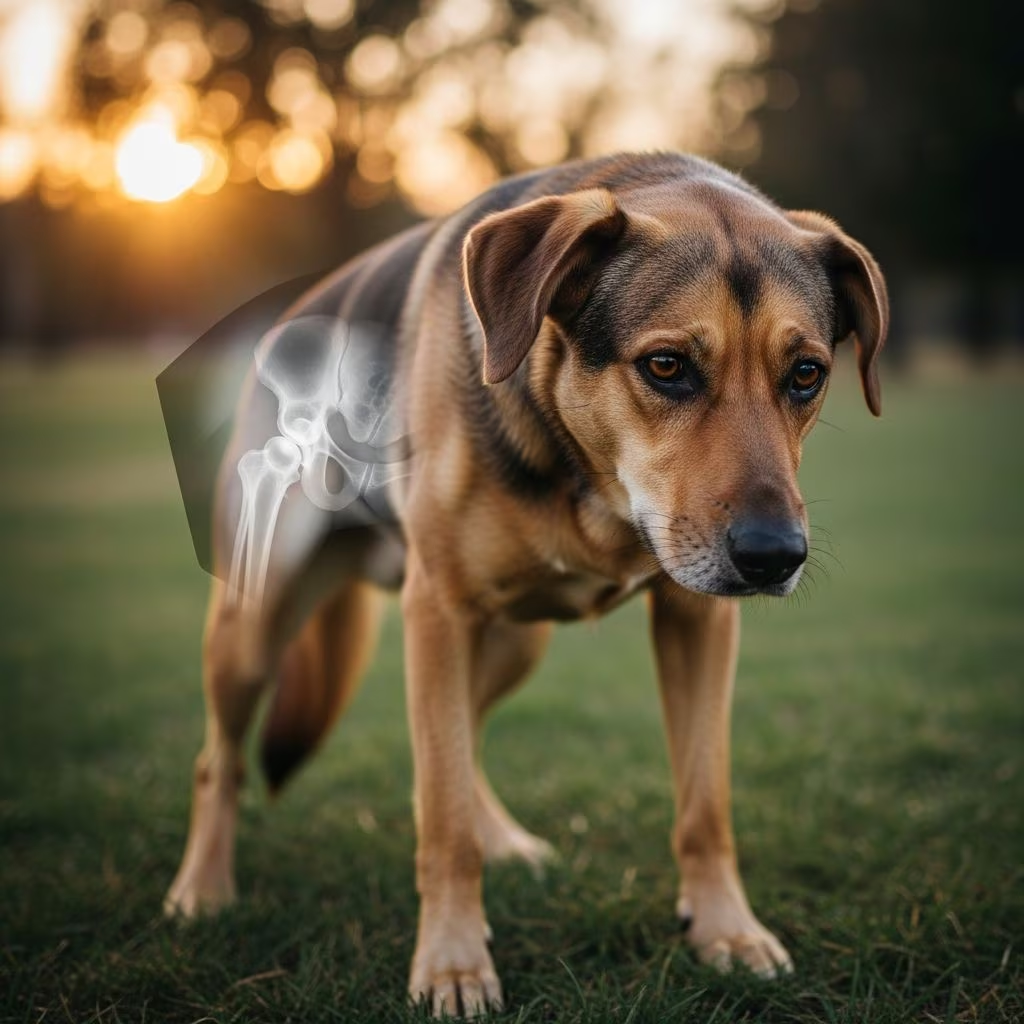
Understanding Hip Dysplasia in Dogs
Hip dysplasia is a genetic condition that affects the development of the hip joint in dogs, particularly during their growth phase. This progressive disease occurs when the ball and socket joint of the hip develops abnormally, resulting in a loose or unstable joint. Hip dysplasia is not just a problem that affects puppies; it can develop throughout a dog’s life and lead to significant pain, mobility issues, and eventual arthritis if left untreated. The condition is influenced by both genetic predisposition and environmental factors such as diet, growth rate, exercise levels, muscle mass, and hormonal changes.
While hip dysplasia is primarily an inherited condition passed down from a dog’s parents, the severity of the disease can be significantly influenced by lifestyle factors. Dogs that maintain a healthy weight, receive appropriate exercise, and are fed high-quality nutrition may experience less severe symptoms than those with poor dietary habits or excessive physical strain during their growing years.
Causes and Risk Factors
Hip dysplasia is fundamentally a genetic disease, meaning dogs inherit the predisposition from their parents. However, genetics alone do not determine whether a dog will develop the condition or how severely it will manifest. Environmental and lifestyle factors play crucial roles in either exacerbating or mitigating the disease’s progression.
Several factors contribute to the development and severity of hip dysplasia:
- Rapid growth: Dogs that grow too quickly during their developmental years are at higher risk
- Improper nutrition: Diets lacking essential minerals and proteins can weaken joint development
- Excessive exercise: Too much high-impact activity during the growth phase stresses developing joints
- Obesity: Extra weight places additional stress on hip joints
- Hormonal factors: Certain hormonal imbalances can affect joint development
- Muscle mass: Poor muscle development around the hip reduces joint stability
Certain breeds are more predisposed to hip dysplasia, particularly large and giant breeds including German Shepherds, Labrador Retrievers, Golden Retrievers, and Saint Bernards. However, the condition can affect dogs of any size or breed.
Recognizing the Signs and Symptoms
Hip dysplasia presents differently in individual dogs, ranging from subtle mobility changes to severe lameness. Early recognition of symptoms is crucial for implementing treatment before significant joint damage occurs.
Common signs of hip dysplasia include:
- Decreased activity level and reluctance to play
- Difficulty rising from a lying or sitting position
- Reluctance to jump, run, or climb stairs
- Limping or favoring one hind leg
- Reduced range of motion in the hips
- Bunny hopping gait, where both hind legs move together
- Stiffness, particularly after rest or exercise
- Pain or sensitivity when the hip area is touched
- Muscle atrophy or decreased muscle mass in the hind legs
Symptoms may appear gradually and worsen over time, or they may develop suddenly following strenuous activity. Some dogs may show signs as early as four to six months of age, while others may not display symptoms until they are older. The relationship between the structural abnormality and clinical symptoms is not always straightforward; some dogs with severe hip dysplasia on imaging may show minimal symptoms, while others with milder structural changes may experience significant pain.
Diagnosis and Assessment
Veterinarians diagnose hip dysplasia through a combination of clinical examination and diagnostic imaging. During a physical examination, your veterinarian will assess your dog’s gait, range of motion, and pain response. They may perform specific orthopedic tests to evaluate hip joint stability and identify signs of pain or discomfort.
X-rays are the primary diagnostic tool for confirming hip dysplasia. These radiographic images reveal the structural changes in the hip joint and help determine the severity of the condition. Your veterinarian may recommend additional imaging studies to get a complete picture of your dog’s hip joint health and to rule out other conditions that might be causing similar symptoms.
Some breeding programs use specialized screening schemes to assess hip dysplasia risk before mating dogs. These screening protocols help reduce the number of puppies born with this painful condition by preventing affected dogs from breeding.
Conservative Management Approaches
For many dogs with hip dysplasia, conservative management provides adequate pain relief and maintains quality of life without surgical intervention. Approximately 75% of dogs with hip dysplasia live happy, comfortable lives with appropriate medical management. This multimodal approach combines several treatment strategies to address pain, maintain joint function, and support overall health.
Weight Management
Maintaining a healthy weight is one of the most important aspects of managing hip dysplasia. Excess weight places additional stress on the hip joints, exacerbating pain and accelerating joint degeneration. Your veterinarian can recommend an appropriate target weight for your dog and provide dietary guidance. High-quality dog food with top-grade protein and balanced mineral content is essential. Feeding scheduled meals rather than allowing free-feeding throughout the day helps prevent weight gain and obesity.
Exercise and Physical Activity
Appropriate exercise is critical for dogs with hip dysplasia. While excessive exercise can worsen the condition, complete rest is also detrimental. Low-impact activities such as controlled walking, swimming, and hydrotherapy help maintain muscle strength around the hip joint without placing excessive stress on the joint itself. Physical therapy exercises designed by your veterinarian can strengthen the muscles supporting the hip, improve joint stability, and enhance mobility.
Medications for Pain Management
Nonsteroidal anti-inflammatory drugs (NSAIDs) form the cornerstone of medical therapy for hip dysplasia pain management. Several different types of NSAIDs are available for veterinary use, and research has demonstrated their efficacy in treating pain associated with osteoarthritis secondary to hip dysplasia. Common prescription NSAIDs used in veterinary medicine include medications like Galliprant.
Analgesics such as gabapentin, tramadol, and codeine are often added to NSAID therapy to provide additional pain relief. Corticosteroids may also be prescribed in some cases to reduce inflammation, though they are typically used more cautiously due to potential long-term side effects.
Joint Supplements and Nutraceuticals
Chondroprotective supplements such as glucosamine and chondroitin sulfate help support joint health and may reduce pain associated with hip dysplasia. Omega-3 fatty acid supplementation has also been shown to provide anti-inflammatory benefits. These supplements work to maintain joint cartilage integrity and may slow the progression of osteoarthritis associated with hip dysplasia.
Complementary Therapies
Several complementary treatments can be used alongside medical management to enhance pain relief and joint function:
- Acupuncture: Has been shown to increase muscle strength, improve joint mobility, and decrease pain
- Massage: Helps reduce muscle tension and improve circulation
- Hydrotherapy: Provides low-impact exercise while supporting joint function
- Heat therapy: Low-level heat application can reduce pain and stiffness
- Icing: Can reduce inflammation in affected joints
Injectable medications that replace joint fluid and injectable antibodies that block pain signal transmission represent newer options in conservative management.
Surgical Treatment Options
When conservative management is insufficient or in severe cases, surgical intervention may be recommended to improve pain control and hip function. Surgery is often considered for young dogs that have failed conservative therapy or for dogs with severe clinical symptoms affecting quality of life.
Juvenile Pubic Symphysiodesis (JPS)
This minimally invasive surgical procedure is suitable for puppies diagnosed with hip dysplasia. The surgery involves closing a growth plate within the pelvis, which helps slow growth and changes the pelvis’s shape to reduce looseness in the joint. This procedure is typically performed on very young puppies and can prevent the development of significant hip dysplasia as the dog matures.
Double or Triple Pelvic Osteotomy (DPO/TPO)
DPO/TPO surgery is usually performed in young dogs less than 8 to 10 months old. The procedure involves selectively cutting the pelvic bone and rotating the segments to improve the function of the ball and socket joint and reduce looseness. Triple pelvic osteotomy has a high success rate, with 80-90% of cases regaining good or better function within three months.
Femoral Head Ostectomy (FHO)
FHO surgery can be performed on dogs of any age, making it a versatile option for pain management. The procedure involves removing the femoral head (the “ball” of the hip joint). This surgery allows the body to create a “false” joint that reduces discomfort associated with hip dysplasia. While FHO does not recreate normal hip function, it can be a successful pain management strategy. The procedure is often more affordable than other surgical options and has good outcomes in many dogs.
Total Hip Replacement (THR)
Total hip replacement is the most effective surgical treatment for hip dysplasia in dogs. This procedure is typically recommended for young dogs at least one year old whose skeletons are fully grown, though it can be performed on mature and older dogs as well. The surgeon replaces the entire hip joint with metal and plastic implants, restoring hip function to a more normal range and eliminating most discomfort associated with hip dysplasia. Studies show that 90-95% of dogs with total hip replacement have excellent post-surgery function.
Emerging Therapies and Future Treatments
Veterinary researchers continue to investigate novel therapeutic approaches to treat hip dysplasia more effectively. Recent studies have examined innovative treatments that show promising results:
- Platelet-rich plasma (PRP): When combined with physical therapy, PRP has improved limb function in dogs with osteoarthritis caused by hip dysplasia
- Stem cell therapy: Combining stem cells with hyaluronic acid found in joint fluid improved range of motion in dogs with hip dysplasia. Stem cells collected from a dog’s own tissues may help joints heal and reduce inflammation.
While these emerging therapies have shown promise in preliminary studies, most have been examined in small numbers of dogs. Further research with larger populations is needed to determine if these new therapies could become standard treatment options for dogs with hip dysplasia.
Prevention and Breeding Considerations
Since hip dysplasia is primarily a genetic condition, prevention begins with responsible breeding practices. Screening schemes are in place to assess hip dysplasia risk before mating two dogs, helping reduce the number of puppies born with this painful condition.
For dog owners, prevention strategies include:
- Selecting puppies from parents with good hip scores when possible
- Maintaining appropriate growth rates through proper nutrition
- Avoiding excessive exercise during the growth phase, particularly on hard surfaces
- Keeping puppies at a lean body weight
- Providing high-quality nutrition with appropriate mineral content
- Starting appropriate exercise gradually and increasing gradually as the dog matures
Prognosis and Long-Term Management
Hip dysplasia is a progressive condition, but many treatment options are available to help dogs of all ages manage the disease effectively. The prognosis depends on several factors including the severity of the condition, the dog’s age at diagnosis, overall health status, and commitment to long-term management.
Some young dogs with hip dysplasia will stabilize as they mature. When conservative management consisting of limited exercise and pain management coupled with physical therapy is successful, only approximately 30% of young dogs treated this way will need advanced therapies later in life.
Dogs with hip dysplasia require ongoing support throughout their lives, and symptoms may occur intermittently or continuously. Regular veterinary check-ups allow your veterinarian to monitor the progression of the disease and adjust treatment plans as needed.
Frequently Asked Questions
Q: At what age do dogs typically show signs of hip dysplasia?
A: Signs of hip dysplasia can appear as early as four to six months of age, though some dogs may not display symptoms until they are older. The relationship between structural changes and clinical symptoms varies significantly among individual dogs.
Q: Can hip dysplasia be prevented completely?
A: Since hip dysplasia is primarily genetic, it cannot be prevented completely if a dog inherits the predisposition. However, environmental factors can significantly influence disease severity, and responsible breeding practices can reduce its prevalence.
Q: Is surgery always necessary for hip dysplasia?
A: No, surgery is not always necessary. Approximately 75% of dogs with hip dysplasia can be managed successfully with conservative treatments including medications, weight management, and physical therapy. Surgery is typically recommended when conservative management is insufficient or in severe cases.
Q: How long do dogs recover from hip dysplasia surgery?
A: Recovery time varies depending on the surgical procedure performed. Most dogs recover within several weeks to a few months, though complete bone healing may take longer. Your veterinarian will provide specific post-operative care instructions.
Q: What is the cost of treating hip dysplasia?
A: Treatment costs vary widely depending on the approach chosen. Conservative management is generally less expensive, while surgical procedures such as total hip replacement are more costly. Discuss treatment options and associated costs with your veterinarian.
References
- Hip Dysplasia in Dogs: Signs, Symptoms, Treatment — American Kennel Club. 2025. https://www.akc.org/expert-advice/health/hip-dysplasia-in-dogs/
- Hip Dysplasia in Dogs | Causes, Prevention and Treatment — Bliss Animal Hospital. 2025. https://blissanimalhospital.com/blog/hip-dysplasia-in-dogs/
- Hip Dysplasia in Dogs – Signs, Symptoms, Diagnosis and Treatment — Morris Animal Foundation. 2025. https://www.morrisanimalfoundation.org/article/disease/hip-dysplasia-in-dogs
- Hip Dysplasia in Dogs: Early Signs, Treatment, and Prevention — GoodRx. 2025. https://www.goodrx.com/pet-health/dog/hip-dysplasia-in-dogs
- Hip Dysplasia in Dogs: Signs, Treatment, Surgery — PetMD. 2025. https://www.petmd.com/dog/conditions/musculoskeletal/hip-dysplasia-dogs
- Hip Dysplasia in Dogs | VCA Animal Hospitals — VCA Animal Hospitals. 2025. https://vcahospitals.com/know-your-pet/hip-dysplasia-in-dogs
- Hip Dysplasia in Dogs | Symptoms and Treatment — Blue Cross UK. 2025. https://www.bluecross.org.uk/advice/dog/health-and-injuries/hip-dysplasia-in-dogs



