
Hip Disorders In Horses: Causes, Diagnosis, Treatment Guide
Comprehensive guide to recognizing, diagnosing, and managing hip issues in horses for optimal recovery and performance.
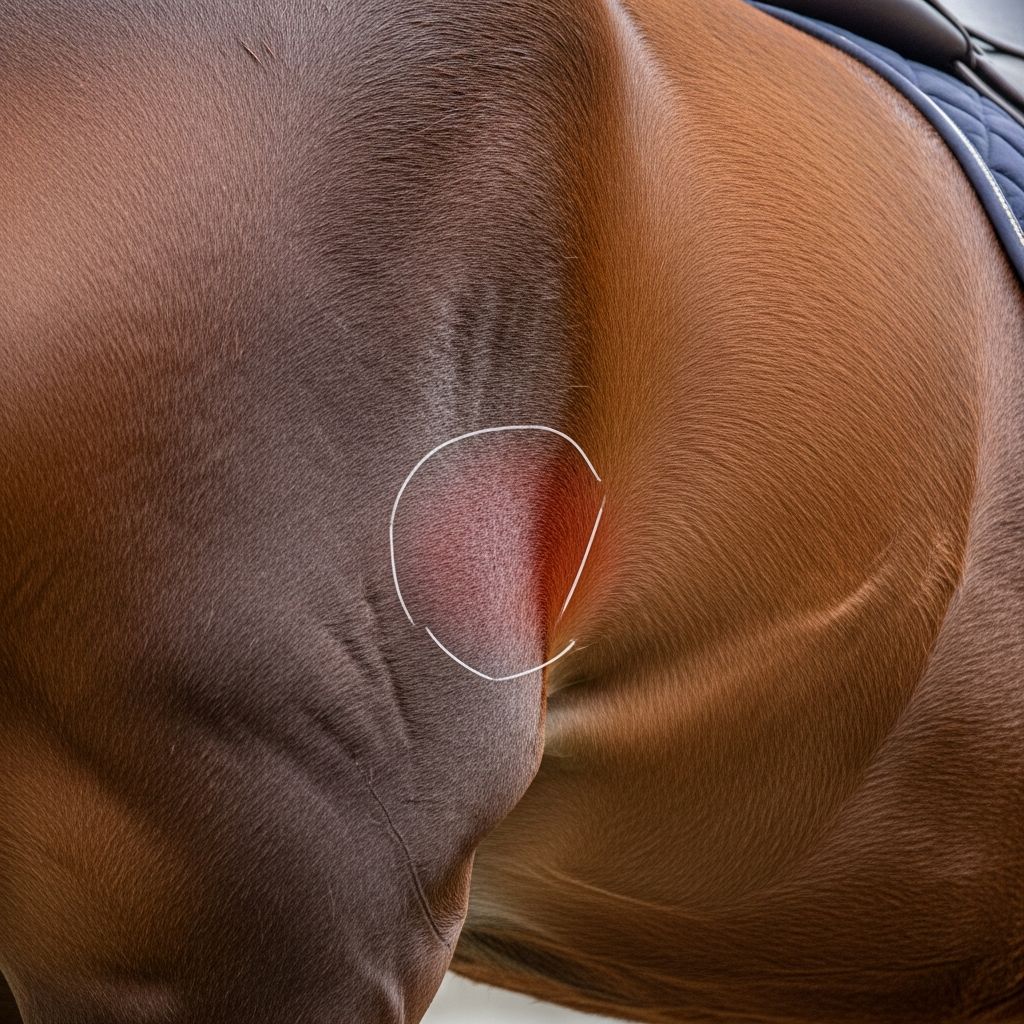
The hip joint, or coxofemoral joint, plays a critical role in a horse’s mobility, propulsion, and overall performance. Disorders affecting this area can significantly impair movement, leading to lameness and reduced athletic capability. Understanding these conditions is vital for horse owners, trainers, and veterinarians to facilitate early intervention and improve outcomes.
Understanding the Equine Hip Anatomy
The equine hip consists of the coxofemoral joint where the femur meets the pelvis at the acetabulum. This ball-and-socket structure allows extensive range of motion essential for gaits like trotting and cantering. Surrounding muscles, including the gluteals, and ligaments provide stability. Disruptions here, such as misalignment or injury, alter biomechanics and strain hindquarters.
Key components include:
- Femoral head: Fits into the acetabulum for smooth articulation.
- Acetabulum: Deep socket reinforced by ligaments to prevent luxation.
- Gluteal muscles: Power hindlimb extension and support pelvic alignment.
- Sacroiliac joint: Connects pelvis to spine, influencing hip function.
Common Causes of Hip Problems
Hip disorders arise from trauma, infection, developmental issues, or degenerative changes. High-impact activities like jumping or racing heighten risk, while foals may suffer congenital weaknesses.
| Cause Category | Examples | Common in |
|---|---|---|
| Traumatic | Fractures, luxations | Performance horses |
| Infectious | Septic arthritis | Foals, immunocompromised |
| Degenerative | Osteoarthritis | Aged or heavily worked horses |
| Developmental | Coxofemoral dysplasia | Young horses |
Trauma often stems from falls or kicks, fracturing the acetabulum or femoral head. Infections spread hematogenously in neonates, damaging cartilage. Overuse leads to osteoarthritis, eroding joint surfaces.
Recognizing Symptoms Early
Horses with hip issues exhibit hindlimb lameness, often moderate to severe and unilateral. Acute pain causes non-weight-bearing, while chronic cases show muscle wasting and stiffness.
- Lameness: Shortened stride, reluctance to turn or back up.
- Muscle changes: Atrophy in gluteals, uneven pelvis.
- Behavioral shifts: Irritability, resistance to movement.
- Gait abnormalities: Reduced hind propulsion, camped-out stance.
- Palpation response: Pain on hip manipulation, crepitus in fractures.
Owners notice performance drops, like poor jumping form or difficulty engaging hindquarters. Early signs include warming-up stiffness resolving temporarily.
Diagnostic Approaches
Diagnosing hip disorders challenges veterinarians due to the joint’s deep location. A thorough lameness exam localizes pain to the hip after ruling out distal limbs.
Key methods:
- Clinical exam: Flexion tests, palpation for heat/swelling.
- Ultrasound: Guides injections, visualizes soft tissues.
- Radiography: Detects fractures, though positioning is tricky.
- Intra-articular anesthesia: Confirms joint involvement by blocking pain.
- Advanced imaging: CT or MRI for subtle changes in complex cases.
Flexion exaggerates lameness from hip pathology. Ultrasound aids needle placement for diagnostics.
Treatment Strategies
Treatment varies by condition severity and horse age. Conservative management suits mild cases, while surgery addresses acute trauma.
Conservative Care
Rest in a stall for 3-8 months promotes healing in fractures or strains. NSAIDs like phenylbutazone control inflammation. Physical therapy strengthens pelvic muscles via tailored exercises.
- Medications: NSAIDs, intra-articular steroids.
- Therapies: Acupuncture, shockwave, PEMF.
- Supplements: Joint support like hyaluronic acid.
Surgical Interventions
For luxations or septic arthritis, surgery realigns joints or debrides infection. Arthrodesis fuses joints in chronic pain, limiting motion but alleviating discomfort. Foals respond well to lavage and antibiotics.
Postoperative care includes controlled exercise mimicking tendon rehab programs.
Rehabilitation Protocols
Graduated exercise rebuilds strength: hand-walking to lunging, then riding. Core stabilization mirrors human training. Monitor progress with serial exams.
Prognosis and Long-Term Management
Prognosis depends on diagnosis timeliness. Foal septic arthritis often resolves fully, but adult osteoarthritis yields poor soundness odds. Pelvic fractures heal with rest, returning many to light work.
Prevent recurrence via:
- Balanced nutrition for bone health.
- Proper warm-ups before exertion.
- Regular veterinary checks for working horses.
- Weight management to reduce joint stress.
Chronic cases benefit from ongoing NSAIDs or injectables, maintaining comfort.
Preventive Measures for Hip Health
Minimize risks through arena footing maintenance, avoiding overwork in young horses, and prompt injury attention. Routine farriery ensures balanced hooves, easing pelvic strain.
Frequently Asked Questions (FAQs)
What causes sudden hindlimb lameness in my horse?
Sudden lameness often signals trauma like fractures or luxations. Seek immediate vet evaluation.
Can hip disorders affect performance horses?
Yes, reduced hind propulsion and stiffness impair jumping and speed. Early diagnosis aids recovery.
Is surgery always needed for hip fractures?
No, many heal with extended rest and pain management, especially nondisplaced ones.
How do I differentiate hip from hock pain?
Hip lameness persists post-warmup, worsens on circles; hock improves with motion.
What role does diet play in hip health?
Calcium-phosphorus balance supports bones; omega-3s reduce inflammation.
References
- Disorders of the Hip in Horses — MSD Veterinary Manual. 2023. https://www.msdvetmanual.com/musculoskeletal-system/disorders-of-the-hip-in-horses/disorders-of-the-hip-in-horses
- Horse Pelvis Out of Alignment: Symptoms, Causes, Treatment — Team Equinety. 2024. https://teamequinety.com/horse-pelvis-out-of-alignment-symptoms-causes-treatment/
- Arthritis in Horses: Symptoms and Management — PetMD. 2024. https://www.petmd.com/horse/conditions/musculoskeletal/arthritis-in-horses
- Hock Lameness in Horses — Mad Barn. 2024. https://madbarn.com/hock-lameness-in-horses/
- Problems in the Horse’s Hip and Pelvis — The Horse. 2014-10-01. https://thehorse.com/15539/problems-in-the-horses-hip-and-pelvis/
- Coxofemoral joint: disease – overview in Horses — Vetlexicon Equis. 2024. https://www.vetlexicon.com/equis/musculoskeletal/articles/coxofemoral-joint-disease-overview/
Similar Articles








Read full bio of medha deb


