
Hind Leg Weakness in Dogs: Causes and Solutions
Discover the common reasons behind your dog's hind leg weakness and learn effective strategies for diagnosis, treatment, and prevention to restore mobility.
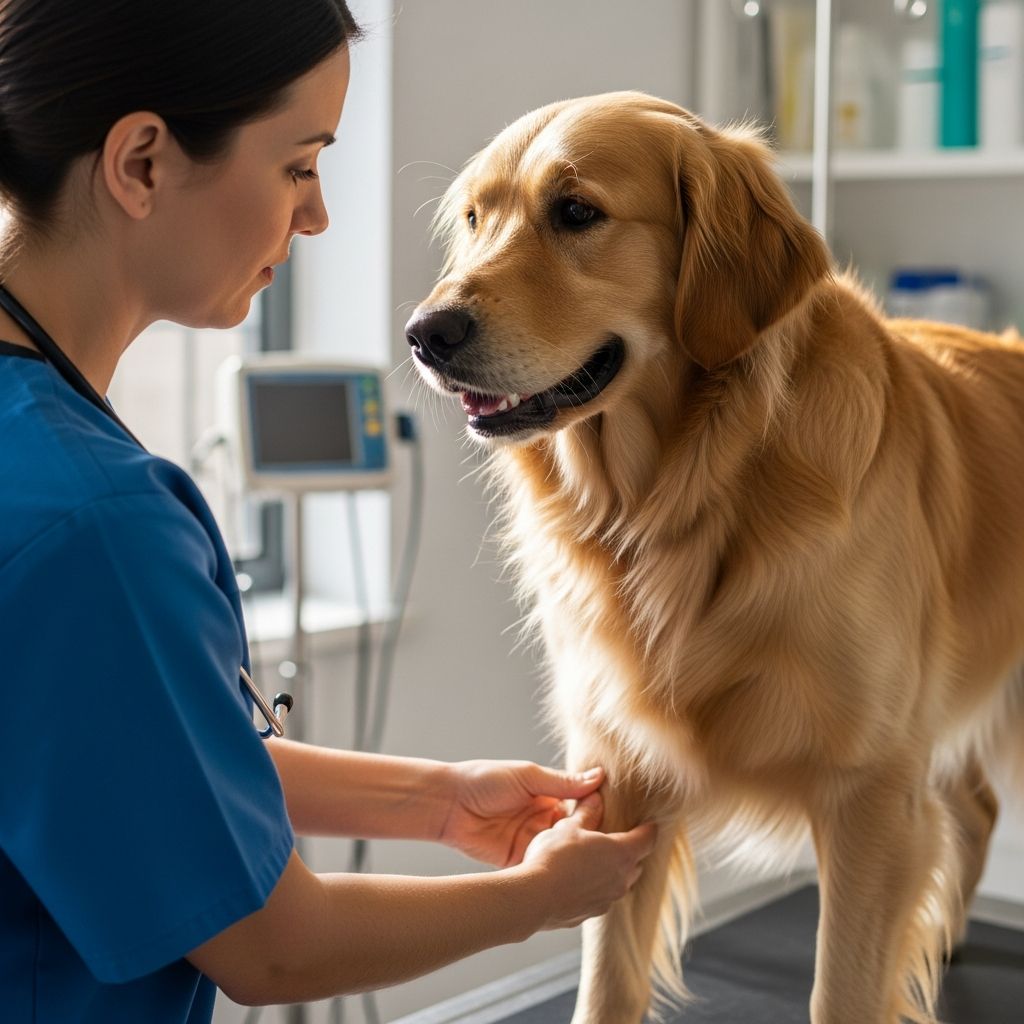
Hind leg weakness in dogs manifests as stumbling, dragging feet, trembling, or inability to stand, affecting dogs of all ages and breeds. Prompt identification of underlying causes is essential for effective intervention and improved quality of life.
Recognizing the Signs of Hind Leg Issues
Early detection of hind leg weakness prevents progression to severe mobility loss. Owners often notice subtle changes before major symptoms emerge.
- Difficulty rising or standing: Dogs struggle to get up from sitting or lying positions, often using front legs for support.
- Stumbling or collapsing: Legs give out during walks, leading to sudden falls.
- Trembling or shaking: Hind legs quiver, especially after activity or on slick surfaces.
- Dragging feet or knuckling: Toes scrape the ground, causing sores or abnormal wear.
- Hesitation on stairs or ramps: Reluctance to climb or descend, with bunny-hopping gait.
These symptoms vary by cause; sudden onset suggests acute issues like injury, while gradual worsening points to degenerative conditions. Monitor for pain indicators like yelping, limping, or behavioral changes such as reduced playfulness.
Common Orthopedic Causes
Orthopedic problems directly impact joints, bones, and ligaments, leading to pain and instability in the hindquarters.
Hip Dysplasia and Joint Malformations
Hip dysplasia occurs when the hip joint fails to develop properly, causing the femoral head to rub against the socket. Large breeds like German Shepherds and Labrador Retrievers are prone, with symptoms appearing in puppies or young adults. Patellar luxation, a slipping kneecap, affects small breeds and causes intermittent lameness.
Arthritis and Ligament Injuries
Osteoarthritis erodes joint cartilage, common in senior dogs, resulting in stiffness and weakness. Cranial cruciate ligament (CCL) tears mimic human ACL injuries, causing immediate instability and swelling. Trauma from jumps or rough play often triggers these.
| Condition | Affected Breeds | Key Symptoms |
|---|---|---|
| Hip Dysplasia | Large breeds | Bunny hopping, pain on extension |
| Patellar Luxation | Small breeds | Sudden skipping, locking knee |
| Osteoarthritis | All, esp. seniors | Stiffness after rest, grating sounds |
| CCL Tear | Medium-large | Sudden non-weight bearing |
Neurological Disorders Behind Weakness
Neurological issues disrupt nerve signals to muscles, causing ataxia, paralysis, or loss of coordination.
Intervertebral Disc Disease (IVDD)
IVDD involves disc herniation compressing the spinal cord, prevalent in Dachshunds, Corgis, and other chondrodystrophic breeds. Sudden weakness or paralysis can strike without warning, often after jumping.
Degenerative Myelopathy (DM)
DM is a progressive spinal cord degeneration affecting older dogs like Boxers and German Shepherds. It starts with subtle coordination loss, advancing to full paralysis.
Other Nerve-Related Problems
Fibrocartilaginous embolism (FCE) blocks spinal blood flow, causing asymmetric weakness in large breeds. Wobbler syndrome compresses the cervical spine, leading to wobbly gait. Myasthenia gravis impairs muscle-nerve communication, resulting in exercise-induced collapse.
Metabolic and Systemic Contributors
Beyond structural issues, internal imbalances weaken hind legs indirectly.
- Diabetes and Hypoglycemia: Poor glucose control damages nerves and muscles, causing plantigrade stance (hocks touching ground).
- Electrolyte Imbalances: Low potassium (hypokalemia) or calcium leads to tremors and weakness.
- Anemia: Reduced oxygen delivery fatigues muscles quickly.
Endocrine disorders like hypothyroidism or Addison’s disease exacerbate mobility issues through generalized weakness.
Cardiovascular and Infectious Factors
Heart conditions impair circulation, starving hind leg muscles of oxygen. Congestive heart failure, arrhythmias, and pericardial effusion cause fatigue and collapse. Infections such as tick-borne diseases (Lyme, Anaplasma) or botulism toxins induce paralysis. Snake bites or lead poisoning mimic these effects.
Age-Specific Considerations
Young Dogs
Puppies face developmental hip dysplasia, luxations, or congenital malformations. Infections and toxins pose higher risks due to immature immune systems.
Senior Dogs
Aging brings osteoarthritis, DM, and muscle atrophy. Nutritional deficiencies from poor diets compound these.
Diagnostic Approaches
Veterinarians use a multi-step process for accurate diagnosis.
- Physical Exam: Assess gait, reflexes, pain response, and joint stability.
- Imaging: X-rays for bones/joints, MRI/CT for spine/nerves.
- Bloodwork: Check for metabolic issues, infections, or toxins.
- Neurological Tests: Evaluate spinal reflexes and coordination.
Early diagnostics improve outcomes, especially for reversible conditions like IVDD.
Treatment Strategies
Treatments target the root cause, combining medical, surgical, and supportive care.
- Medications: NSAIDs for inflammation, steroids for nerve swelling, antibiotics for infections.
- Surgery: Disc herniation repair, joint stabilization, or tumor removal.
- Rehabilitation: Physical therapy, hydrotherapy, acupuncture to rebuild strength.
- Supportive Aids: Orthotic braces, slings, or carts for mobility.
For DM, focus shifts to quality of life with carts and pain management, as it’s incurable.
Prevention and Home Management
Proactive steps reduce risk and aid recovery.
- Maintain ideal weight to lessen joint stress.
- Provide joint supplements (glucosamine, omega-3s).
- Use non-slip flooring and ramps.
- Engage in low-impact exercise like swimming.
- Regular vet check-ups for breed-specific screenings.
Strengthen hind legs with exercises: sit-to-stands, balance boards, and gentle walks.
FAQs
Why are my dog’s back legs suddenly weak?
Sudden weakness often stems from IVDD, trauma, FCE, or toxins. Seek immediate vet care.
Can hind leg weakness be reversed?
Yes, for acute issues like infections or injuries; progressive diseases like DM manage symptoms but don’t cure.
Is hip dysplasia fatal?
No, but untreated it leads to arthritis. Surgery and management control it effectively.
How to help an old dog with weak legs?
Use harnesses, therapy, nutrition, and consult for pain relief.
When is hind leg weakness an emergency?
If sudden paralysis, incontinence, or pain occurs, go to ER immediately.
References
- Hind leg weakness in young dogs: Causes and treatment options — Vetster. 2023. https://vetster.com/en/wellness/hind-leg-weakness-in-young-dogs-causes-and-treatment-options
- What Causes Sudden Hind Leg Weakness in Dogs? — MedcoVet. 2023. https://medcovet.com/blog/hind-leg-weakness-in-dogs/
- Causes of Sudden Hind Leg Weakness in Dogs & How to Help — Austin Canine Rehab. 2023. https://www.austincaninerehab.com/blog/sudden-hind-leg-weakness
- Tips on How to Strengthen Old Dog’s Hind Legs — Woburn Animal Hospital. 2024-06-22. https://www.woburnanimalhospital.com/site/blog/2024/06/22/tips-how-strengthen-old-dogs-hind-legs
- Why is my dog having trouble standing and walking all of a sudden? — Vetster. 2023. https://vetster.com/en/wellness/why-is-my-dog-having-trouble-standing-and-walking-all-of-a-sudden
Similar Articles








Read full bio of Sneha Tete




