

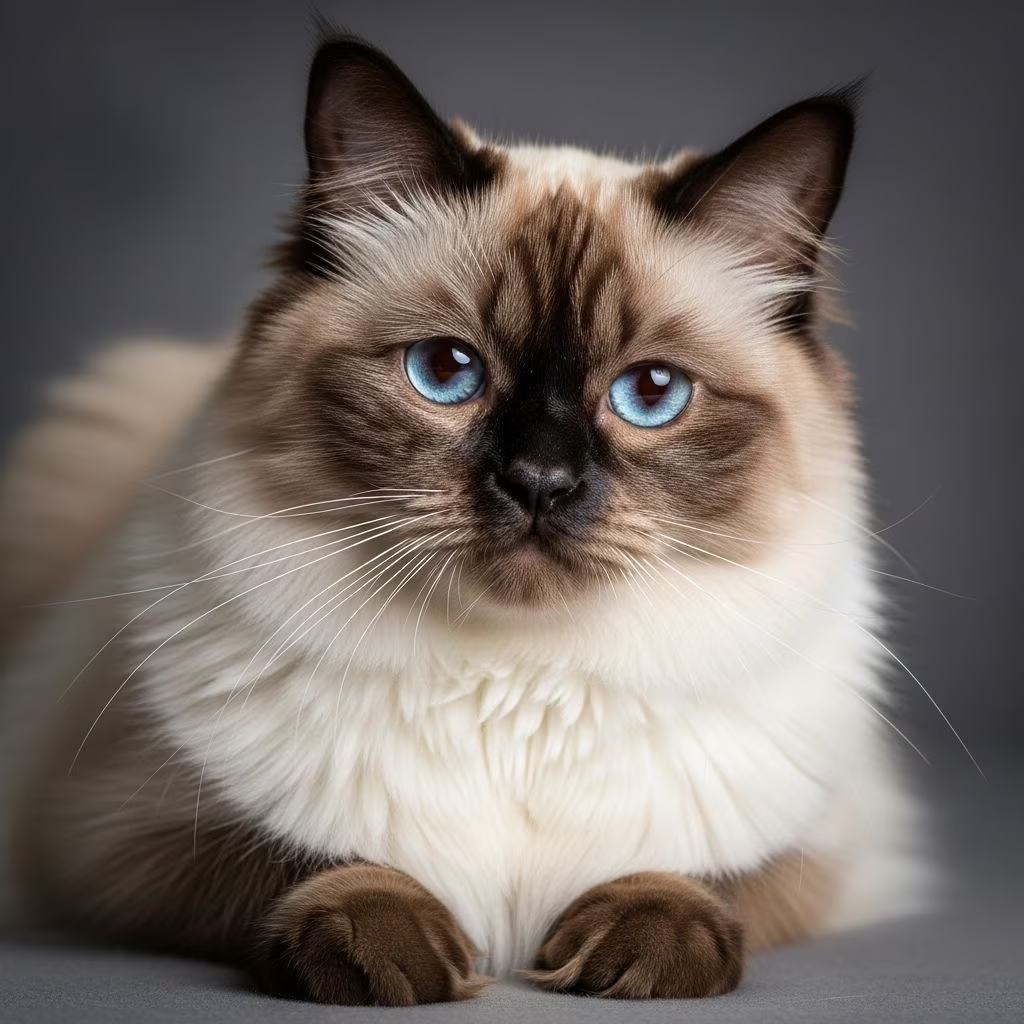
The Himalayan cat, admired for its luxurious long coat, striking blue eyes, and serene demeanor, faces unique health vulnerabilities due to its brachycephalic structure and genetic heritage from Persian and Siamese lineages. Understanding these risks empowers owners to provide targeted care, potentially extending the breed’s typical 9-15 year lifespan.
Origins and Physical Traits Influencing Health
Himalayan cats emerged in the 1930s through deliberate crosses between Persians and Siamese, blending the former’s plush fur and stocky build with the latter’s color-point pattern and vivid blue eyes. This results in a medium-to-large cat with a cobby body, short legs, round head, and flat face, weighing 7-15 pounds. The extreme facial structure, while visually appealing, contributes to many health woes by narrowing nasal passages and altering skull formation.
Key physical features include a double-layered coat prone to matting, heavy boning, and a short tail. These traits demand rigorous grooming and monitoring, as neglect can exacerbate underlying conditions. Males often reach 9-14 pounds, females 7-11 pounds, with a low activity level suited to indoor life but requiring mental stimulation to prevent obesity.
Respiratory Challenges in Brachycephalic Faces
The hallmark flat face of Himalayans leads to brachycephalic airway syndrome, causing chronic breathing difficulties. Narrowed nostrils, an elongated soft palate, and small windpipes result in snoring, wheezing, and heat intolerance. Severe cases may necessitate surgical corrections like nostril widening or palate shortening.
Owners report episodes of reverse sneezing, where cats emit honking sounds while inhaling forcefully. Keeping environments cool (below 75°F) and stress-free mitigates flare-ups. Overweight exacerbates symptoms, so portion-controlled diets are essential.
Eye Conditions: A Breed Signature
Those captivating blue eyes are prone to progressive retinal atrophy (PRA), entropion (inward-rolling eyelids), and corneal ulcers due to shallow eye sockets and tear duct issues. PRA, a genetic degeneration, leads to night blindness progressing to total vision loss by middle age. Regular ophthalmic exams from kittenhood detect early changes.
Excessive tearing stains light fur, signaling blocked nasolacrimal ducts. Daily wiping with vet-approved solutions prevents bacterial infections. Entropion irritates the cornea, causing squinting and pawing; untreated, it risks ulceration. Genetic screening of breeding cats reduces incidence.
Polycystic Kidney Disease: Genetic Threat
Up to 50% of Himalayans inherit polycystic kidney disease (PKD), where fluid-filled cysts proliferate in kidneys, impairing function over time. Symptoms like increased thirst, weight loss, and lethargy appear around 7 years. Ultrasound screening at 12 months confirms status; affected cats need low-protein renal diets and blood pressure meds.
Breeding from PKD-negative parents via DNA tests has lowered prevalence, but vigilance remains crucial. Early detection via annual ultrasounds allows management, delaying end-stage renal failure.
Dental Woes and Oral Health Maintenance
Misaligned jaws from the pushed-in nose foster plaque buildup, periodontal disease, and tooth resorption. By age 5, over 70% suffer gingivitis. Signs include drooling, bad breath, and pawing at the mouth. Weekly brushing with enzymatic toothpaste, dental diets, and yearly cleanings under anesthesia preserve teeth.
Avoid hard kibble initially; transition to soft dental treats. Regular vet checks catch resorption lesions, where teeth dissolve from the root, causing pain.
Coat and Skin Vulnerabilities
- Matting and Fur Balls: The dense, long double coat sheds year-round, forming painful mats if not combed 3-5 times weekly. Fur balls lead to vomiting and constipation.
- Skin Infections: Folded skin traps moisture, breeding bacteria and yeast. Acne on chin from dirty bowls is common.
- Oil Gland Issues: Stud tail, where the tail base overproduces oil, causes dermatitis.
Bathing monthly with gentle shampoos, followed by blow-drying, keeps skin healthy. Flea preventives reduce allergic reactions.
Obesity and Joint Strain
Sedentary laps cats gain weight easily, stressing joints and worsening breathing. Ideal body condition scores 4-5/9 on vet charts. Measure food precisely: 20-25 kcal/pound daily, split into meals. Interactive toys encourage play without overexertion.
Arthritis from heavy builds affects older cats; glucosamine supplements and ramps aid mobility.
Heart and Endocrine Disorders
Hypertrophic cardiomyopathy (HCM), thickened heart walls, strikes 10-15% of the breed, causing murmurs and sudden death. Annual echocardiograms screen at-risk cats. Thyroid hyperfunction in seniors boosts metabolism, leading to hyperactivity and weight loss; meds regulate it.
Hypertension, often secondary to kidney disease, damages eyes and organs; home monitors track progress.
Preventive Care Blueprint
| Age | Key Screenings | Frequency |
|---|---|---|
| Kitten (6-12 mo) | PKD ultrasound, PRA eye exam, dental check | Once |
| Adult (1-7 yrs) | Full bloodwork, heart echo, eye/ENT eval | Yearly |
| Senior (8+ yrs) | Renal panel, BP, thyroid, joint X-rays | Every 6 mo |
Vaccines, parasite control, and spaying/neutering round out protocols. Choose breeders providing health certifications.
Nutrition for Optimal Health
High-quality, low-carb wet food supports hydration and kidney health, comprising 70% of diet. Omega-3s from fish oil combat inflammation. Avoid milk; use lactose-free alternatives. Fresh water fountains encourage intake.
Daily Grooming Routine
- Comb with slicker brush, focusing on belly and hindquarters.
- Trim nails biweekly.
- Clean ears with solution; inspect weekly.
- Wipe eye area daily.
- Brush teeth 3x/week.
Professional grooming quarterly prevents overwhelm.
Lifestyle Adjustments for Well-Being
Quiet homes suit their low-energy, people-oriented nature. Vertical spaces and puzzle feeders combat boredom. They bond deeply, suffering separation anxiety if left alone excessively.
FAQs
Are Himalayan cats high-maintenance?
Yes, due to grooming needs and health monitoring, but their affectionate nature rewards the effort.
How can I prevent PKD in my Himalayan?
Select kittens from screened parents and perform early ultrasounds.
Do Himalayans get along with dogs?
Generally yes, with proper introductions, given their tolerant temperament.
What’s the best diet for a Himalayan kitten?
Growth-formulated wet food, fed in measured portions to avoid rapid weight gain.
Can Himalayan cats live longer than 15 years?
With vigilant care, some reach 18 years.
References
- Himalayan Cat Breed Information — Purina US. 2024. https://www.purina.com/cats/cat-breeds/himalayan
- The Ultimate Guide to the Himalayan Cat Breed — Rover.com. 2024. https://www.rover.com/blog/himalayan-cat/
- Himalayan Cat Breed — Hill’s Pet Nutrition. 2024. https://www.hillspet.com/cat-care/cat-breeds/himalayan
- 10 Surprising Facts About Himalayan Cats — Healthy Pet. 2024. https://www.healthy-pet.com/blogs/blog/10-surprising-facts-about-himalayan-cats
- Himalayan Cat Facts — ASPCA Pet Health Insurance. 2024. https://www.aspcapetinsurance.com/resources/himalayan-cat-facts/



