

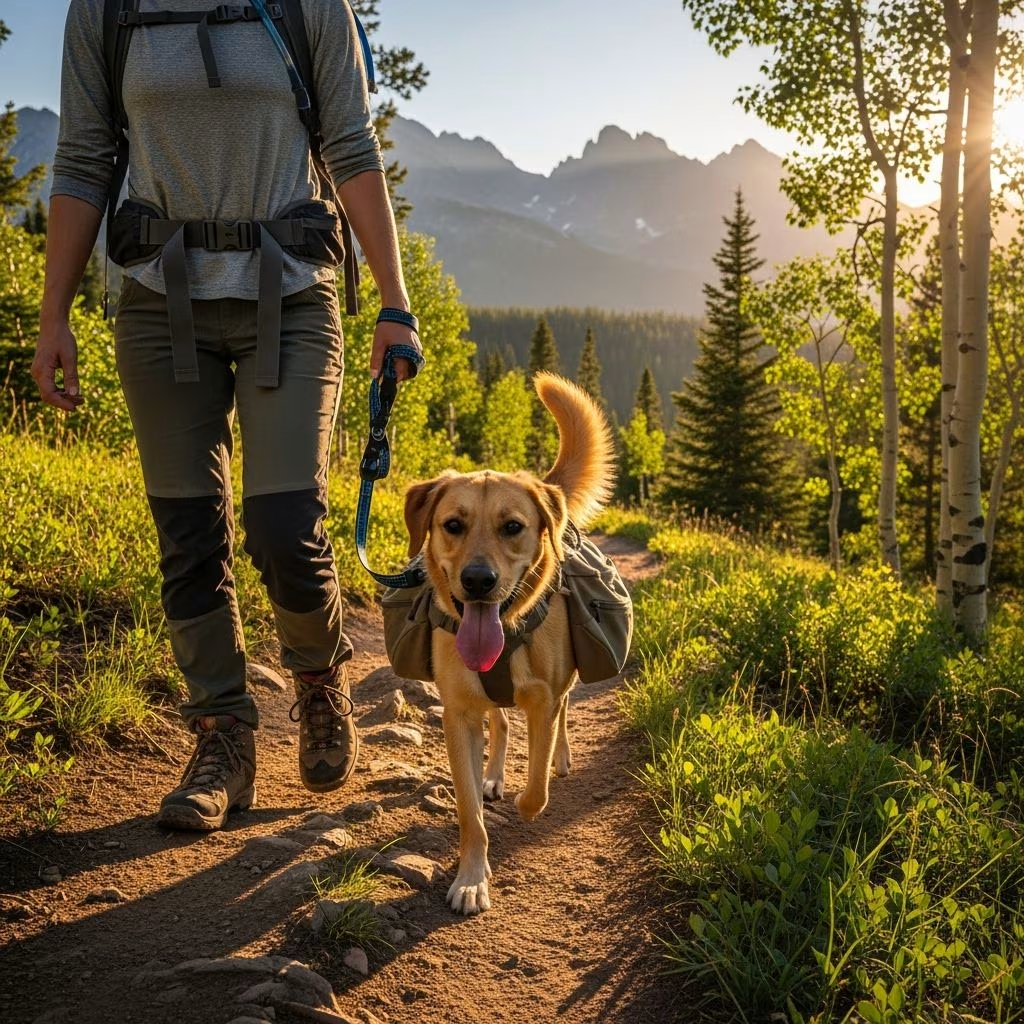
Hiking with your dog is an excellent way to bond with your furry companion while enjoying the outdoors together. However, successful trail adventures require careful planning, proper preparation, and knowledge of potential hazards. Whether you’re planning a short day hike or an extended backpacking trip, understanding your dog’s capabilities and having the right gear and knowledge will ensure both you and your four-legged friend have a safe and enjoyable experience on the trail.
Pre-Hike Preparation and Readiness
Before you even think about hitting the trail, thorough preparation is essential. The foundation of any successful hiking adventure with your dog begins with understanding your dog’s current fitness level, age, and overall health status. Take time to honestly assess whether your dog is physically capable of handling the terrain and distance you’re planning to cover. Puppies with developing joints and senior dogs with arthritis may not be suitable for strenuous hikes, while adult dogs in good condition can often handle more challenging trails.
Veterinary Consultation
Schedule a veterinary visit before your hiking adventure. Your veterinarian can evaluate your dog’s overall health, assess cardiovascular fitness, and identify any potential concerns specific to your planned route. Discuss the terrain difficulty, expected distance, and climate conditions you’ll encounter. Your vet can also recommend appropriate vaccinations, such as leptospirosis protection if your dog will be drinking from natural water sources. Additionally, ensure your dog is current on flea and tick prevention, as these parasites are common in outdoor environments.
Obedience Training and Recall
Solid obedience training is absolutely critical for trail safety. Your dog must respond reliably to basic commands, especially “come” or “recall.” A dog that won’t come when called has no business being off-leash on the trail and puts itself and other hikers at risk. Before your hike, refresh your dog’s training on these essential commands through positive reinforcement techniques. Practice in various environments to ensure your dog responds reliably even when distracted by wildlife, other hikers, or interesting smells.
Building Stamina Gradually
Just like human athletes, dogs need conditioning before tackling challenging hikes. Start with shorter walks and gradually increase distance and difficulty over several weeks. This conditioning builds your dog’s cardiovascular fitness, strengthens muscles and joints, and allows you to gauge your dog’s actual capabilities. Build up your dog’s stamina slowly to prevent injury and ensure they’re genuinely ready for your planned adventure.
Trail Selection and Regulations
Choosing the right trail is fundamental to a positive hiking experience with your dog. Research trails thoroughly before committing to them, considering factors such as terrain difficulty, elevation gain, surface type, and available water sources. Select a trail that matches your dog’s fitness level—remember to base this choice on whoever is in worse condition between you and your dog.
Understanding Park Rules
Different parks and trails have varying regulations regarding dogs. Some areas require dogs to remain on-leash at all times, while others permit off-leash hiking in designated areas. Many state parks require dogs to stay on designated trails and prohibit them from certain protected areas. Always check park regulations before your hike, as violation of these rules can result in fines or permanent bans from the area. Most importantly, keeping your dog on a leash is essential for both your dog’s safety and the safety of wildlife you might encounter.
Essential Gear and Equipment
Proper gear makes a tremendous difference in your dog’s comfort and safety on the trail. Invest in quality equipment designed specifically for hiking rather than casual walks around the neighborhood.
Dog Pack and Harness
A well-fitting dog pack allows your dog to carry their own supplies, reducing the burden on you. However, proper fit is absolutely critical—an ill-fitting pack can cause chafing, restrict movement, and make hiking uncomfortable. Have your dog wear the pack on several short walks before your hike to ensure proper fit and allow them to become accustomed to wearing it. Start with an empty pack and gradually add weight, never exceeding 25% of your dog’s body weight. Consider using a front-range harness for added control and safety, especially on technical terrain. Harnesses distribute pressure more evenly than collars and provide better control during difficult sections.
Footwear and Paw Protection
Dog booties offer excellent protection from sharp rocks, thorns, snow, and ice. However, most dogs require time to adjust to wearing booties, as they often feel awkward initially. Introduce booties during training walks at home, using positive reinforcement to help your dog accept them. If your dog won’t tolerate booties, you can toughen their paws through regular conditioning hikes on varied terrain. Always pack spare booties, as it’s common for dogs to lose one during hiking. Alternatively, consider a protective wax treatment for paws if hiking in particularly cold, hot, or rough terrain conditions.
Collar, Leash, and Identification
Ensure your dog wears a sturdy collar with current identification tags displaying your name and phone number. Even if your dog has a microchip, tags provide immediate identification if your dog becomes separated from you. Consider using a GPS collar for an additional layer of protection, though be aware these devices may require cellular coverage and have battery life limitations. A quality leash appropriate for your dog’s size and strength is essential, and a lightweight retractable leash offers flexibility while maintaining control. For nighttime hikes or during twilight hours, attach a safety light to your dog’s collar to help you keep tabs on them after sunset.
Hydration and Nutrition Planning
Proper hydration and nutrition are absolutely critical for your dog’s health and performance on the trail. Dogs can become dehydrated surprisingly quickly, especially on hot days or during strenuous hikes.
Water Management
Always carry sufficient fresh water for your dog—never assume you’ll find water sources on the trail. Offer water at regular intervals, especially in warm weather. A lightweight, collapsible bowl works well for providing water during breaks. Some dogs can be trained to drink directly from a water bottle, which is convenient but requires practice beforehand. Be cautious about allowing your dog to drink from natural water sources like streams and lakes, as these may contain parasites or pathogens. If your dog will be drinking untreated water, discuss the leptospirosis vaccine with your veterinarian.
Food and Energy
Pack high-quality dog food and snacks for the duration of your hike. On longer hikes and backpacking trips, your dog will need more fuel for energy. Calculate your dog’s caloric needs based on the hike’s difficulty and duration. Bring more food than you think you’ll need, as dogs working hard on trails often require additional calories beyond their normal diet. Treats and portable snacks help maintain your dog’s energy levels during breaks. If your dog experiences digestive upset on the trail, consult your veterinarian about appropriate remedies before heading out.
Recognizing and Managing Trail Hazards
Understanding potential hazards helps you prevent injuries and medical emergencies while hiking with your dog.
Heat-Related Illness
Heat stroke is a serious risk for dogs on trails, particularly during warm months. Watch for early signs including excessive panting, lethargy, drooling, and lack of coordination. Prevent heat-related illness by following the “summit by noon” rule, which means completing most of your hike before peak afternoon heat. Take frequent breaks in shaded areas and allow your dog to cool off by wading in streams or lakes when available. Never hike during the hottest parts of the day with your dog.
Cold Weather Concerns
Hypothermia and frostbite are risks during cold-weather hiking. Watch for shivering, lethargy, and reluctance to move. Short-haired breeds may benefit from dog jackets in cold conditions. Limit exposure to extreme cold, and provide adequate shelter and warmth during breaks.
Paw Pad and Foot Injuries
Trail conditions can be harsh on paw pads. Watch out for broken glass, sharp rocks, and thorns. Periodically check your dog’s paw pads for injuries or debris lodged between the toes. Booties provide excellent protection but require acclimation. Conditioning hikes help toughen paws naturally. Clean paws thoroughly after each hike to prevent infection.
Wildlife Encounters and Plant Hazards
Be aware of wildlife in your hiking area, including snakes, bears, and mountain lions. Keep your dog close and under control to minimize encounters. Know what plants in your area are toxic to dogs, such as certain mushrooms or vegetation. Familiarize yourself with local wildlife patterns and behavior to avoid dangerous situations.
Water Safety
While water provides excellent cooling and hydration, water safety is important. Currents in rivers and streams can be dangerous for dogs. Rocky creek beds can cause foot pad injuries. Always supervise your dog around water and assess water conditions before allowing swimming.
Camping and Sleep Systems
For backpacking trips requiring overnight camping, accommodating your dog requires specific planning and gear. Your tent must be larger than usual to comfortably fit both you and your dog safely. Consider upgrading to a tent that’s “one person larger” than your normal choice to provide adequate space.
Creating a Comfortable Dog Bed
Construct a comfortable backcountry dog bed using closed-cell foam as insulation and a crib-size down comforter for warmth and cushioning. This combination is lightweight, packable, and provides excellent comfort. Before your backpacking trip, conduct several backyard sleepouts so your dog becomes comfortable with the sleep system and the tent environment. This practice prevents anxiety and restless nights on the actual trip.
Hygiene and Comfort Items
Pack a dedicated “hiker towel” to wipe muddy paws before your dog enters the tent, protecting the interior from dirt and moisture. Bring an extra towel for drying your dog if they’ve jumped in a lake or gotten soaked in a downpour. Maintain your dog’s nails at appropriate lengths before your trip—long nails can wreak havoc on tent fabric during the night. Pack nail clippers and a file to maintain paw health during extended trips.
First-Aid Kit and Emergency Preparedness
A comprehensive first-aid kit is essential since veterinary care won’t be readily available on the trail. Assemble a dog-specific first-aid kit containing supplies for treating common injuries and illnesses. Include any special medications prescribed by your veterinarian. Pack tweezers for removing splinters or thorns, flexible bandaging for wounds, and old, clean wool socks that can be taped onto paws as “bootie bandages” in emergencies.
Consider including Benadryl for treating stings and bites, but only after consulting your veterinarian regarding appropriate dosing for your dog’s weight and health status. Some owners carry Pedialyte for treating diarrhea, but this should only be given with explicit veterinary permission and guidance. Know how to recognize and respond to common trail emergencies such as injuries, snake bites, and heat-related illness. Organizations like the Red Cross provide resources, checklists, and training materials for pet first aid.
Trail Etiquette and Responsibility
Hiking with a dog comes with responsibility to other trail users and the environment. Practice good trail etiquette to ensure a positive experience for everyone.
Leashing and Control
Even if your dog is well-trained, keep them on a leash in areas where it’s required or when other hikers are present. Move aside and keep your dog at a safe distance to allow other hikers to pass, particularly those who may be nervous around dogs. Maintain control at all times to prevent your dog from approaching other people or dogs unexpectedly.
Noise Management
Many people hike for peace and serenity. Excessive barking disrupts this experience for other trail users. Train your dog to minimize barking on the trail through positive reinforcement. A calm, quiet dog is welcome on trails; a constantly barking dog creates conflict.
Leave No Trace
Always carry poop bags and remove your dog’s waste from the trail, even if it’s off to the side. Pack it out completely and dispose of it appropriately back at your car. If your hiking plans change and you take a different route, return to collect any poop bags you’ve left behind. Leave no trace principles ensure the trail remains clean and enjoyable for future hikers.
Post-Hike Care and Inspection
Your responsibility to your dog doesn’t end when you reach the trailhead. Thorough post-hike care ensures you catch any injuries or health issues early.
Body Scan and Tick Check
Conduct a thorough “body scan” of your dog, checking for chafing, foot pad abrasions, and parasites like ticks. Ticks are common in outdoor environments and should be removed promptly using tweezers, grasping the tick close to the skin and pulling steadily. Check between toe pads, around ears, and other areas where ticks commonly hide. Remove any debris or thorns lodged in paw pads.
Cleaning and Recovery
Use a clean towel to wipe off mud before your dog enters your vehicle. Allow your dog to cool down gradually after a strenuous hike rather than jumping into an air-conditioned car immediately. Provide fresh water and a light meal once you’re home. Allow your dog adequate rest and recovery time after hiking, especially if it was a strenuous outing.
Frequently Asked Questions
Q: At what age can puppies start hiking?
A: Puppies shouldn’t engage in strenuous hiking until their growth plates have fully closed, typically around 12-18 months depending on breed size. Consult your veterinarian about age-appropriate hiking for your specific dog.
Q: Can small dogs hike long distances?
A: Yes, small dogs can hike, but their shorter legs and smaller bodies may require modified expectations regarding distance and difficulty. Choose appropriate trails and watch for signs of fatigue.
Q: How often should I offer water to my dog while hiking?
A: Offer water at regular intervals, especially in warm weather. A good rule is to provide water every 30-45 minutes during moderate hikes and more frequently during strenuous hikes or hot days.
Q: What should I do if my dog shows signs of heat stroke?
A: Move your dog to shade immediately, provide cool water, and allow them to rest. If signs don’t improve, seek veterinary care promptly. Prevention through the “summit by noon” rule is most effective.
Q: Are there any breeds that shouldn’t hike?
A: Flat-faced breeds may struggle with heat regulation, and dogs with joint problems shouldn’t hike challenging terrain. Consult your veterinarian about your specific dog’s hiking suitability.
Q: How do I know if my dog is getting tired on the trail?
A: Watch for excessive panting, lagging behind, reluctance to continue, or lying down frequently. These are signs your dog needs a break or is at their limit.
Conclusion
Hiking with your dog can be an incredibly rewarding experience that strengthens your bond and provides excellent exercise for both of you. Success requires honest assessment of your dog’s fitness level, thorough preparation, appropriate gear, and knowledge of potential hazards. By following the guidance in this comprehensive guide, you’ll be well-equipped to safely and enjoyably explore the trails with your canine companion. Remember to prioritize your dog’s safety and comfort, respect trail regulations and other hikers, and practice responsible outdoor ethics. With proper planning and preparation, you and your dog will create lasting memories on the trail.
References
- Hiking or Backpacking with Your Dog — REI Expert Advice. 2024. https://www.rei.com/learn/expert-advice/hiking-dogs.html
- Tips For Hiking Safely With Your Dog(s) — 365 Mile Challenge. 2020-07-20. https://365milechallenge.org/tips-for-hiking-safely-with-your-dogs/
- 10 Tips to Safely Hike With Your Dog: A Veterinarian’s Advice — Hope and Feather Travels. https://www.hopeandfeathertravels.com/10-tips-to-safely-hike-with-your-dog-a-veterinarians-advice/
- 12 Must-Know Tips to Keep Hiking With Your Dog Fun and Safe — Happy Hounds Dog Training. https://happyhoundsdogtraining.ca/12-must-know-tips-to-keep-hiking-with-your-dog-fun-and-safe/
- 5 Essential Tips for Hiking with Your Dog — YouTube. https://www.youtube.com/watch?v=7BS3ZPQxbAk
- Keep Your Dog Safe While Hiking With These 5 Tips — Take Care of Texas. https://takecareoftexas.org/about-us/blog/keep-your-dog-safe-while-hiking-these-5-tips
- Hiking Safety Tips for You and Your Dog — Global Rescue. https://www.globalrescue.com/common/blog/detail/hiking-safety-tips/



