

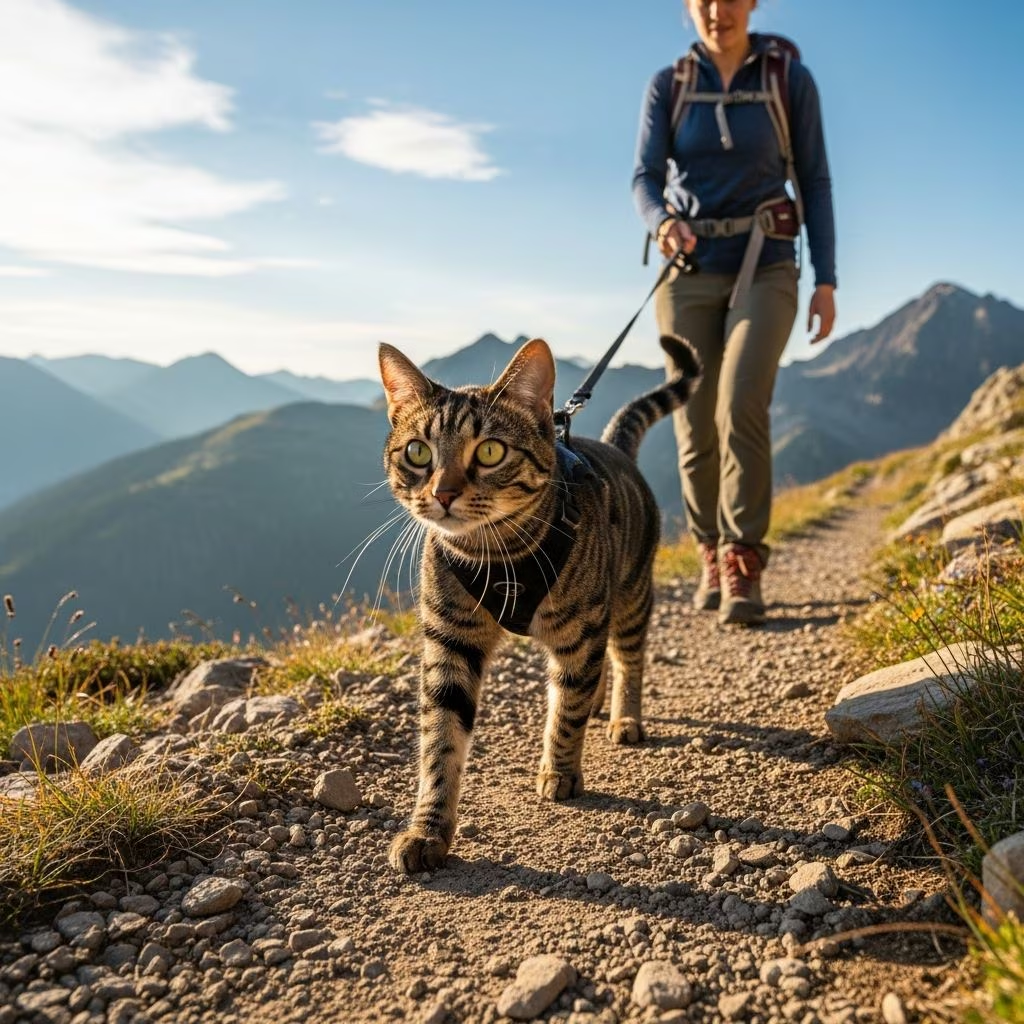
While dogs are common hiking companions, taking your cat on trails is gaining popularity among pet owners seeking unique adventures. With proper preparation, harness training, and veterinary guidance, hiking with a cat can be a rewarding experience that strengthens your bond and provides mental stimulation for your feline friend. However, it’s not suitable for every cat or every trail—success depends on your cat’s personality, health, and gradual acclimation to the outdoors.
This comprehensive guide covers everything from assessing if your cat is ready for hikes to essential gear, training methods, safety protocols, and real-world tips from experienced “catpackers.” Whether you’re dreaming of short neighborhood walks or multi-day backpacking trips, these vet-approved strategies ensure both you and your cat enjoy the journey safely.
Can You Really Hike With a Cat?
Yes, hiking with a cat is possible, but it requires commitment to training and safety. Cats are natural explorers with keen senses, but their instincts differ from dogs—they prefer ambushing prey over steady walks and can bolt if startled. Stories from hikers like those in Backpacker magazine highlight successful outings where cats explore trails, ride in carriers, and even backpack, provided owners start slow and respect feline limits.
Veterinarians emphasize that not all cats are suited for rugged hikes. Indoor cats or seniors may find the stimulation overwhelming, while adventurous breeds like Bengals or those rescued from outdoor environments often thrive. Dr. Lauren, a vet with experience on challenging mountains, notes the benefits of outdoor time—improved mood, exercise, and debunking the “lazy cat” stereotype—but warns against forcing pets into harsh conditions like high winds or extreme cold.
Is Your Cat Ready for Hiking?
Before hitting the trail, evaluate your cat’s suitability. Kittens and young adults adapt best, as older cats may resist change. Health is paramount: schedule a vet checkup to rule out conditions like arthritis, heart issues, or obesity that could make hiking strenuous.
- Personality Check: Does your cat enjoy car rides, tolerate handling, and show curiosity about the outdoors? Timid cats may panic amid trail noises.
- Physical Fitness: Ensure your cat maintains a healthy weight; overweight felines tire quickly on uneven terrain.
- Age Considerations: Start young for best results, but healthy seniors can join short, easy walks.
If your cat freezes in new environments or scratches excessively when confined, reconsider or start with indoor harness practice.
Vet Checkup and Health Precautions
A pre-hike veterinary exam is non-negotiable. Discuss your plans to receive tailored advice, including boosters for outdoor exposure.
- Vaccinations: Update core vaccines (rabies, FVRCP) and consider leptospirosis or bordetella if ticks or wildlife are present.
- Flea and Tick Prevention: Mandatory—use vet-recommended topicals like Revolution or Seresto collars to avoid parasites on trails.
- Parasite Control: Heartworm preventives protect against mosquitoes in damp areas.
- Microchipping: Essential backup if your cat slips a harness; ensure contact info is current.
Carry a pet first-aid kit with tweezers for ticks, styptic powder for claw/nail injuries, and Benadryl for allergic reactions (vet-dosed).
Essential Gear for Hiking With Cats
Gear makes or breaks cat hiking. Invest in cat-specific items tested for durability.
| Item | Purpose | Recommendations |
|---|---|---|
| Harness | Secure walking without collar escape | Escape-proof H-type or vest-style; adjustable, 4-6 ft leash |
| Leash | Controlled exploration | Lightweight, non-retractable to prevent tangles |
| Carrier/Backpack | Transport tired cats | Breathable mesh, size for full stretch; strap to hiking pack |
| Water/Food Bowls | Hydration and meals | Collapsible silicone |
| First Aid Kit | Emergencies | Tweezers, bandages, antiseptic |
| Liner/Blanket | Protect gear from claws | Fleece for sleeping bags/pads |
Test all gear at home extensively. For overnights, add litter pan, extra food, and closed-cell foam pads to prevent punctures.
How to Train Your Cat to Hike
Training takes patience—expect weeks of short sessions. Positive reinforcement with treats builds association.
Step 1: Harness Training
Introduce the harness indoors. Let your cat wear it for playtime, rewarding calm behavior. Progress to supervised movement; many cats “bunny kick” initially but adapt.
- Day 1-3: Wear harness 5-10 mins, treat heavily.
- Week 1: Attach leash, let drag (supervised).
- Week 2: Gentle walks indoors.
Step 2: Outdoor Introduction
Start in familiar spots like your backyard or quiet park. Follow your cat’s pace—they’ll zigzag and pause to sniff. Sessions: 10-20 mins initially, building to 1 hour.
Step 3: Trail Practice
Choose flat, low-traffic trails. Carry frequently; cats tire faster than humans. Praise exploration and use carrier for breaks.
Choosing the Right Trails
Opt for beginner-friendly paths to build confidence.
- Short and Easy: Under 3 miles, minimal elevation, shaded.
- Avoid: Crowded areas, steep scrambles, extreme weather—cats overheat easily and hate wind/rain.
- Best Conditions: Cool mornings, calm days; check forecasts.
Local parks first, then state trails. Inform rangers of your cat—rules often mirror dog policies.
Safety Tips for Cat Hiking Adventures
Prioritize welfare over distance. Watch for heatstroke (panting, drooling), dehydration, or paw pad injuries.
- Harness/leash always; never off-leash.
- Hydrate frequently—cats dehydrate subtly.
- Monitor for predators, traffic near trails.
- Turn back if cat shows stress (hiding, vocalizing).
- Social media fame isn’t worth risks—know limits.
Carry waste bags; pack out all litter.
Overnight and Backpacking With Cats
Advanced hikers can backpack with cats. Use carriers for most travel; provide safe sleep spots.
- Protect gear with liners.
- Field-test overnight setups at home.
- Extra food/water for self-feeding options.
Expect stares—be an ambassador for “catpacking”.
Common Mistakes to Avoid
- Rushing training—leads to escapes.
- Poor weather—cats suffer in cold/rain.
- No carrier—cats won’t hike miles.
- Ignoring health—unvetted cats risk illness.
Frequently Asked Questions (FAQs)
What gear do I need to hike with my cat?
A secure harness, 4-6 ft leash, backpack carrier, collapsible bowls, and first-aid kit are essentials.
Can any cat learn to hike?
Young, curious cats adapt best; timid or elderly ones may not. Start with vet approval.
How long does harness training take?
Typically 2-4 weeks with daily sessions using treats and patience.
Is backpacking with a cat safe?
Yes, with tested carriers and claw-proof gear, but limit to calm cats.
What if my cat gets scared on the trail?
Use the carrier immediately, shorten the hike, and retry later in safer conditions.
Conclusion: Embrace the Adventure Responsibly
Hiking with a cat transforms routine walks into magical explorations, fostering deeper bonds. With vet checks, proper gear, and patient training, many owners report joyful outings. Always prioritize your cat’s comfort—happy trails await those who prepare wisely.
References
- Three Things You Need to Know to Take Your Cat Hiking — Backpacker Magazine. 2023. https://www.backpacker.com/skills/three-things-you-need-to-know-to-take-your-cat-hiking/
- Please Don’t Force Your Cat Up a Mountain — Catster (Dr. Lauren). Accessed 2026. https://www.catster.com/felines-weekly/please-dont-force-your-cat-up-a-mountain/
- Hiking With a Cat: If It Is Possible & Vet-Approved Tips — Catster. Accessed 2026. https://www.catster.com/lifestyle/hiking-with-a-cat/
- How to Take Your Cat for a Walk — Lincoln Pet Culture. 2019-01-28. https://lincolnpetculture.wordpress.com/2019/01/28/how-to-take-your-cat-for-a-walk/
- How to Hike With a Cat: 10 Vet Approved Tips — Catster. Accessed 2026. https://www.catster.com/lifestyle/how-to-hike-with-a-cat/



