

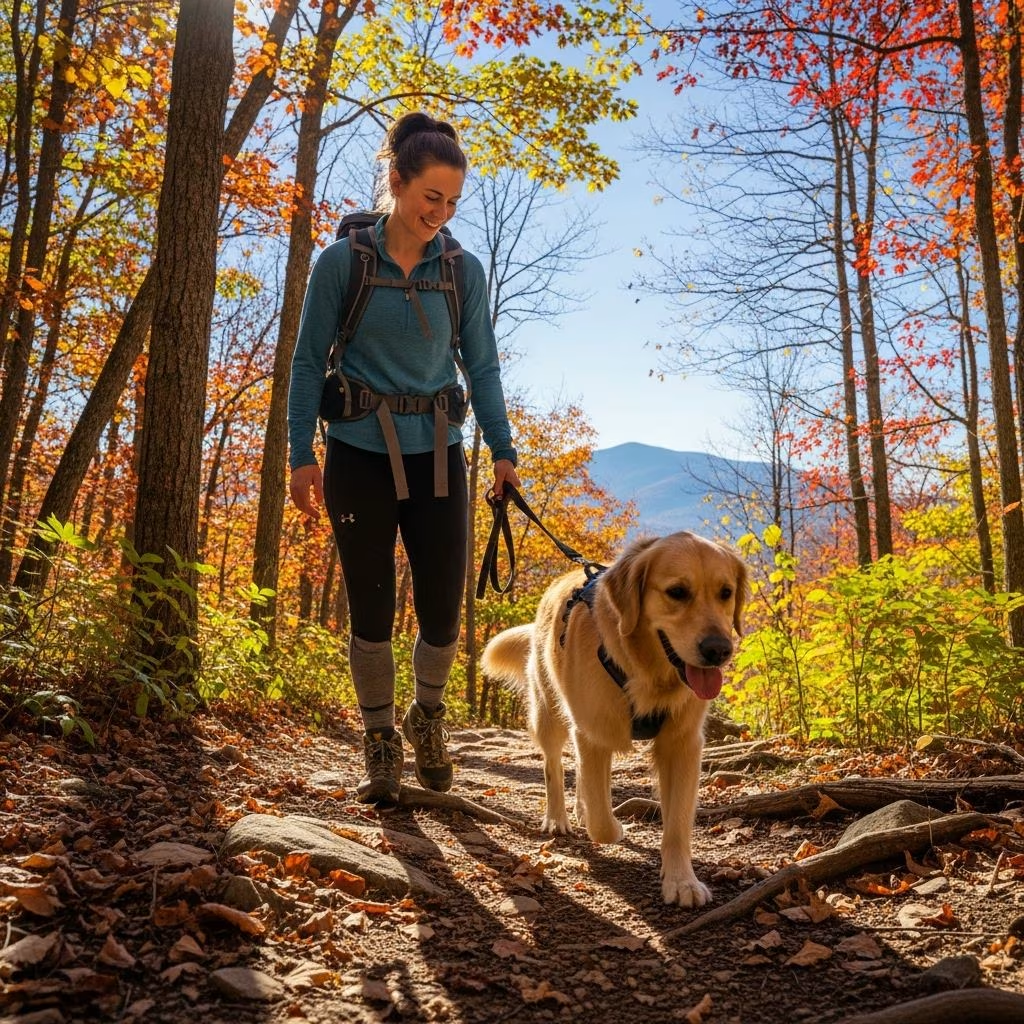
Embarking on hikes with your dog transforms routine walks into thrilling explorations of nature’s beauty. However, these outings demand thoughtful preparation to protect your pet’s health and ensure mutual enjoyment. This guide outlines critical steps from physical conditioning to emergency responses, drawing on veterinary insights and trail expertise for worry-free adventures.
Assessing Your Dog’s Readiness for the Trail
Before lacing up boots, evaluate if your dog can handle hiking demands. Factors like age, breed, and pre-existing conditions play key roles in determining suitability.
- Age considerations: Puppies under 12-18 months, depending on breed, risk joint damage on rugged paths; senior dogs may struggle with stamina or mobility.
- Health evaluation: Schedule a veterinary checkup to screen for issues like obesity, arthritis, or heart conditions that could worsen on inclines.
- Breed traits: Short-nosed breeds face breathing challenges in heat, while long-legged ones navigate uneven terrain better.
Gradually build endurance through neighborhood walks, incorporating hills and varied surfaces over weeks. Start with 20-30 minute sessions, extending by 10% weekly to avoid overexertion.
Building Essential Training Skills
A well-trained dog enhances safety for everyone on the trail. Focus on commands that prevent mishaps amid distractions like wildlife or other hikers.
| Command | Purpose | Training Tip |
|---|---|---|
| Recall (Come) | Instant return from dangers like cliffs or traffic | Practice in increasing distractions with high-value treats |
| Stay | Hold position during rests or encounters | Use duration builds: 5 seconds to minutes |
| Leave It/Drop It | Avoid toxic plants, scat, or sharp objects | Reward ignoring temptations consistently |
| Leash Walking | Prevent pulling on shared paths | Stop forward motion until slack; reward calm |
Reinforce with positive methods at home, then parks, before trails. Reliable responses save lives in unpredictable environments.
Selecting the Perfect Trail
Not all paths suit dogs. Research destinations to match your pet’s abilities and local rules.
- Verify dog permissions: Many national parks prohibit pets on trails; opt for state forests or dog-friendly reserves.
- Match difficulty: Beginners start with flat, short loops under 5 miles; avoid steep, rocky routes initially.
- Weather awareness: Skip extreme heat (above 75°F) or ice; shaded, watery spots ideal for summer.
- Wildlife checks: Low bear or snake areas reduce risks for off-leash consideration.
Use apps or ranger stations for updates on closures, crowds, and leash laws. Early mornings minimize encounters.
Packing the Right Gear Essentials
Quality equipment protects paws, hydrates, and aids navigation. Prioritize lightweight, durable items.
- Leash options: 4-6 foot sturdy nylon; hands-free waist belts for balance.
- Booties: Rubber-soled for hot pavement, rocks, or thorns; train acceptance with treats.
- Backpack: Fitted to torso; load 10-25% body weight max, balanced sides for water/treats.
- ID and tracking: Updated tags, microchip, GPS collar for wanderers.
- Muzzle and first-aid: Basket-style for injuries; kit with bandages, tweezers, Benadryl.
Test gear on short walks to adjust fit and prevent chafing.
Hydration and Nutrition Strategies
Dogs dehydrate faster than humans, especially panting in heat. Proactive management prevents heatstroke.
- Carry 1 ounce water per pound body weight daily; collapsible bowls for streams.
- Offer every 15-20 minutes; add ice cubes or flavor with low-sodium broth.
- High-energy snacks: Freeze-dried meat, kibble portions to sustain without GI upset.
- Monitor signs: Excessive panting, lethargy, vomiting signal distress—cool with wet towel, seek shade.
For multi-hour treks, ration into frequent small servings.
Mastering Trail Etiquette
Respectful behavior fosters positive interactions and repeat visits.
- Yield priority: Step aside for uphill hikers, horses, bikes; control dog calmly.
- Leash protocol: Keep attached unless designated off-leash; alert others if reactive.
- Waste management: Pack out all poop; bury only if rules allow, off-trail.
- No chasing: Prevent wildlife disturbance; recall immediately.
- Group courtesy: Ask before approaches; single file on narrow paths.
These habits preserve trails for all users.
Preventing and Handling Common Hazards
Trails hide risks; vigilance averts most issues.
- Wildlife encounters: Make noise, carry bear spray; teach ignore command.
- Toxic exposures: Avoid foxtails, chocolate-like berries; rinse mouth if ingested.
- Parasites/insects: Tick checks post-hike; flea preventives year-round.
- Weather extremes: Light-up collars for dusk; paw wax for cold.
For injuries: Clean wounds, immobilize limbs, evacuate if severe.
Post-Hike Recovery Routine
Care after exertion aids long-term health.
- Inspect full body: Paws for cuts/thorns, skin for ticks, joints for swelling.
- Rest days: No activity 1-2 days post-strenuous hikes.
- Clean gear: Wash packs, boots to prevent infections.
- Monitor 48 hours: Appetite, stool changes warrant vet visit.
Paw soaks in Epsom salt soothe soreness.
Frequently Asked Questions
Can small dogs hike long distances?
Yes, with breaks, proper pacing, and booties; build stamina gradually.
Is off-leash hiking safe?
Only in low-risk, permitted areas with rock-solid recall.
What if my dog gets overheated?
Stop, wet body, fan; vet if gums pale or collapse.
How much weight can dogs carry?
Start at 10% body weight, max 25% for fit adults.
Are booties necessary year-round?
Ideal for rough/hot/cold surfaces; train early.
Advanced Tips for Multi-Day Trips
For backpacking, expand prep: Larger packs, tent space, tick preventives, emergency beacon. Vet clearance essential; test overnight first.
References
- Trail Newbie? 5 Steps to a Safe Hike With Your Dog — Fairfax Veterinary Clinic. 2023-06-15. https://fairfaxvet.com/trail-newbie-5-steps-to-a-safe-hike-with-your-dog/
- Tips For Hiking Safely With Your Dog(s) — 365 Mile Challenge. 2020-07-20. https://365milechallenge.org/2020/07/20/tips-for-hiking-safely-with-your-dogs/
- Tips for Keeping Your Dog Safe on Trail — Washington Trails Association. 2023-05-10. https://www.wta.org/go-outside/trail-smarts/tips-for-keeping-your-dog-safe-and-happy-on-trail
- Hiking or Backpacking with Your Dog — REI Co-op. 2024-02-28. https://www.rei.com/learn/expert-advice/hiking-dogs.html
- 10 Tips to Safely Hike With Your Dog: A Veterinarian’s Advice — Hope and Feather Travels. 2022-08-12. https://www.hopeandfeathertravels.com/10-tips-to-safely-hike-with-your-dog-a-veterinarians-advice/



