

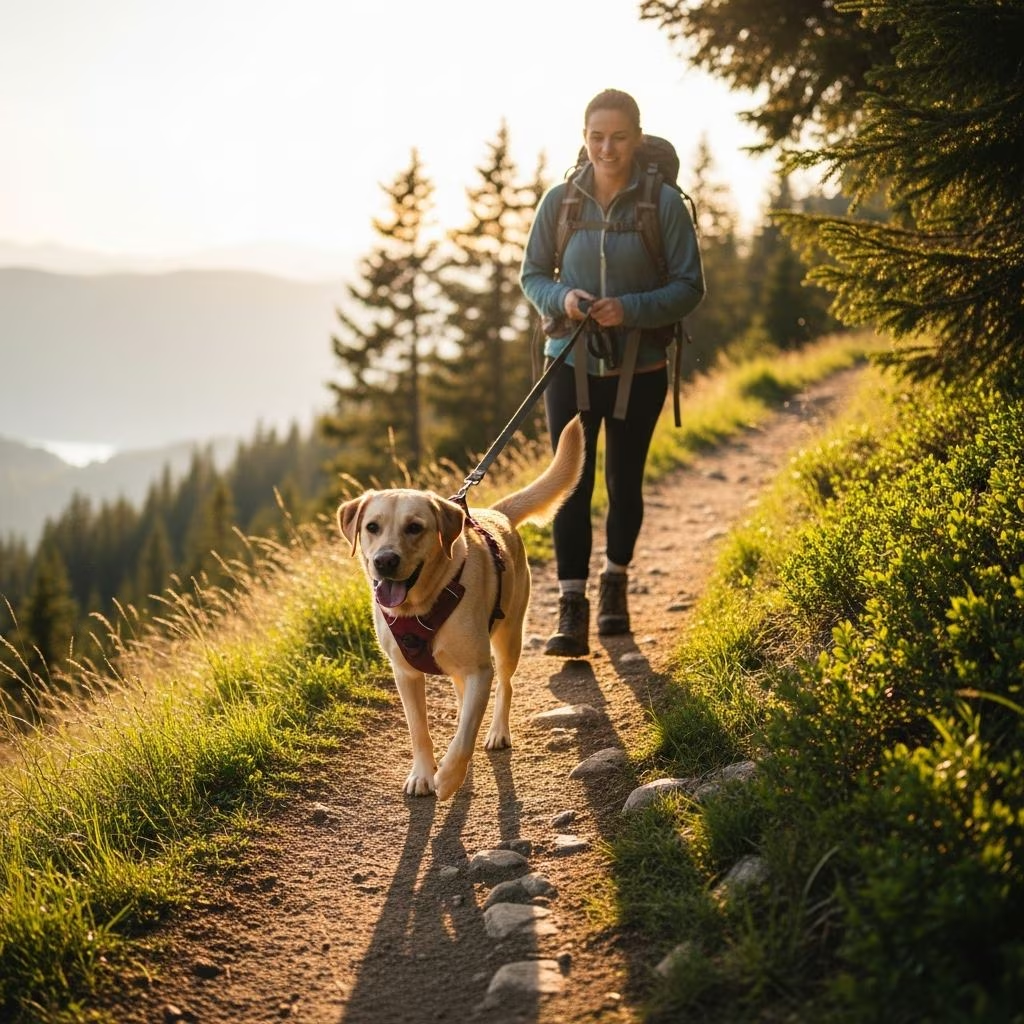
Embarking on hikes with your dog transforms routine walks into exhilarating shared experiences, strengthening your bond while providing vital exercise for both. Proper preparation ensures these outings remain enjoyable and risk-free, addressing fitness, equipment, behavior, and environmental factors.
Assessing Your Dog’s Readiness for Trails
Before venturing onto rugged paths, evaluate your dog’s physical condition through a veterinary consultation. Conditions like arthritis, hip dysplasia, or obesity can hinder performance on uneven terrain, which demands cardiovascular endurance, balance, and agility. A thorough exam confirms suitability for hiking demands.
Gradually build stamina starting with extended neighborhood walks, incorporating inclines, varied surfaces, and brief water exposures. Alternate intensity levels to foster steady conditioning without overload—for instance, shorten distance when adding elevation. Puppies and seniors require extra caution; limit their exposure until maturity or monitor for fatigue signs closely.
Essential Training Commands for Trail Success
A well-trained dog enhances safety and respects shared spaces. Core commands include:
- Recall (Come): Instant response prevents mishaps near cliffs or wildlife.
- Stay: Critical for pausing at road crossings or during rests.
- Leash Manners: Prevents pulling that could injure paws or strain your control amid other trail users.
- Leave It/Drop It: Discourages ingesting toxic plants, feces, or sharp debris.
Practice in distracting environments like parks to mimic trail scenarios. Positive reinforcement accelerates reliability, ensuring your dog remains under control even off-leash where permitted.
Selecting Dog-Friendly Trails and Routes
Not all paths welcome pets; verify regulations via apps like AllTrails, filtering for canine access and leash rules. National parks often restrict dogs to paved areas, while state parks or forests may allow leashed hiking.
Match trail difficulty to your dog’s fitness: beginners start with 1-3 mile loops on gentle slopes, progressing gradually. Research hazards like steep drops, poisonous flora (e.g., ivy), or prevalent wildlife such as snakes or bears. Opt for low-traffic routes initially to minimize encounters.
| Trail Type | Suitability for Dogs | Key Considerations |
|---|---|---|
| Easy Loops (1-3 miles) | Beginners, seniors | Flat terrain, shaded paths |
| Moderate Hills (3-6 miles) | Fit adults | Water access, gradual inclines |
| Strenuous (6+ miles) | Athletic dogs | High elevation, rugged footing |
Must-Have Gear for Comfortable Treks
Quality equipment protects and supports your dog across diverse conditions. Prioritize properly fitted items to avoid chafing or imbalance.
- Backpack: Start empty, advancing to 10% of body weight (max 25% for healthy adults) for balanced load.
- Boots: Rubber-soled pairs shield paws from rocks, thorns, heat, or ice; train acceptance with treats.
- Leash: Sturdy, soft-grip or hands-free waist options for 4-6 foot lengths.
- Collar/ID/GPS Tracker: Include tags and devices like Fi Collar for location in dense areas.
- Muzzle: Basket-style for emergencies if injured or resource-guarding.
Pack extras: collapsible bowls, waste bags, towels for post-hike cleanup, and tick removers.
Hydration, Nutrition, and Overheating Prevention
Trails amplify dehydration risks; carry 1 ounce of water per pound of dog weight daily, offering frequent sips via portable bowls. Signs of distress—excessive panting, lethargy, glazed eyes—demand immediate shade breaks and cooling.
Fuel with high-energy treats or meals pre-hike; avoid chocolate or grapes. For multi-hour outings, portion kibble to sustain energy without digestive upset. In heat, hike mornings or evenings; never leave dogs in vehicles.
Navigating Trail Etiquette and Encounters
Respect co-users by yielding to uphill hikers, horses, or cyclists—step aside, leash if loose, and instruct calm behavior. Always pack out waste to preserve ecosystems; bury only if regulations allow, otherwise carry.
Off-leash areas suit reliable dogs in low-risk zones, but default to leashed for safety amid surprises like sudden drops or fauna. Night hikes require lights on collars and frequent paw checks for glass or thorns.
Emergency Preparedness and First Aid
Assemble a kit with bandages, antiseptic, tweezers for ticks/foxtails, pain meds (vet-approved), and scissors. Learn to inspect post-hike: scan for wounds, swelling, or parasites.
For heatstroke, cool gradually with wet towels (avoid ice); dehydration warrants electrolyte solutions. Injuries like sprains need rest and vet follow-up. Carry your phone, share itineraries, and know nearest emergency vet.
Post-Hike Recovery and Maintenance
After trails, rinse mud, dry thoroughly, and apply paw balms. Monitor for delayed issues like limps or lethargy, resting 1-2 days between hikes. Rotate activities to prevent overuse injuries.
Tiny breeds hike capably with adjusted packs; all sizes benefit from conditioning.
Frequently Asked Questions (FAQs)
Can puppies go hiking?
Wait until 6-12 months for bone growth; stick to short, soft-surface walks.
What if my dog hates boots?
Desensitize gradually with rewards; paw wax alternatives protect mildly.
Are backpacks safe for all dogs?
Yes, if fitted well and loaded lightly; consult vet for spinal issues.
How much water is enough?
At least 2-4 cups per 20 pounds per hour in heat; more for exertion.
What breeds excel at hiking?
Energetic types like Labs or Huskies; any fit dog succeeds with prep.
References
- Trail Newbie? 5 Steps to a Safe Hike With Your Dog — Fairfax Veterinary Clinic. 2023. https://fairfaxvet.com/trail-newbie-5-steps-to-a-safe-hike-with-your-dog/
- How to Start Hiking with Your Dog: Safety, Gear & Nutrition — The Estes Paw Co. 2024. https://theestespawco.com/blogs/news/how-to-start-hiking-with-your-dog-safety-gear-nutrition
- A Beginner’s Guide to Hiking with Your Dog — Barkwells. 2023. https://barkwells.com/dog-blog/a-beginner-s-guide-to-hiking-with-your-dog
- Tips For Hiking Safely With Your Dog(s) — 365 Mile Challenge. 2020-07-20. https://365milechallenge.org/2020/07/20/tips-for-hiking-safely-with-your-dogs/
- Hiking or Backpacking with Your Dog — REI Expert Advice. 2025. https://www.rei.com/learn/expert-advice/hiking-dogs.html
- 10 Tips to Safely Hike With Your Dog: A Veterinarian’s Advice — Hope and Feather Travels. 2023. https://www.hopeandfeathertravels.com/10-tips-to-safely-hike-with-your-dog-a-veterinarians-advice/



