

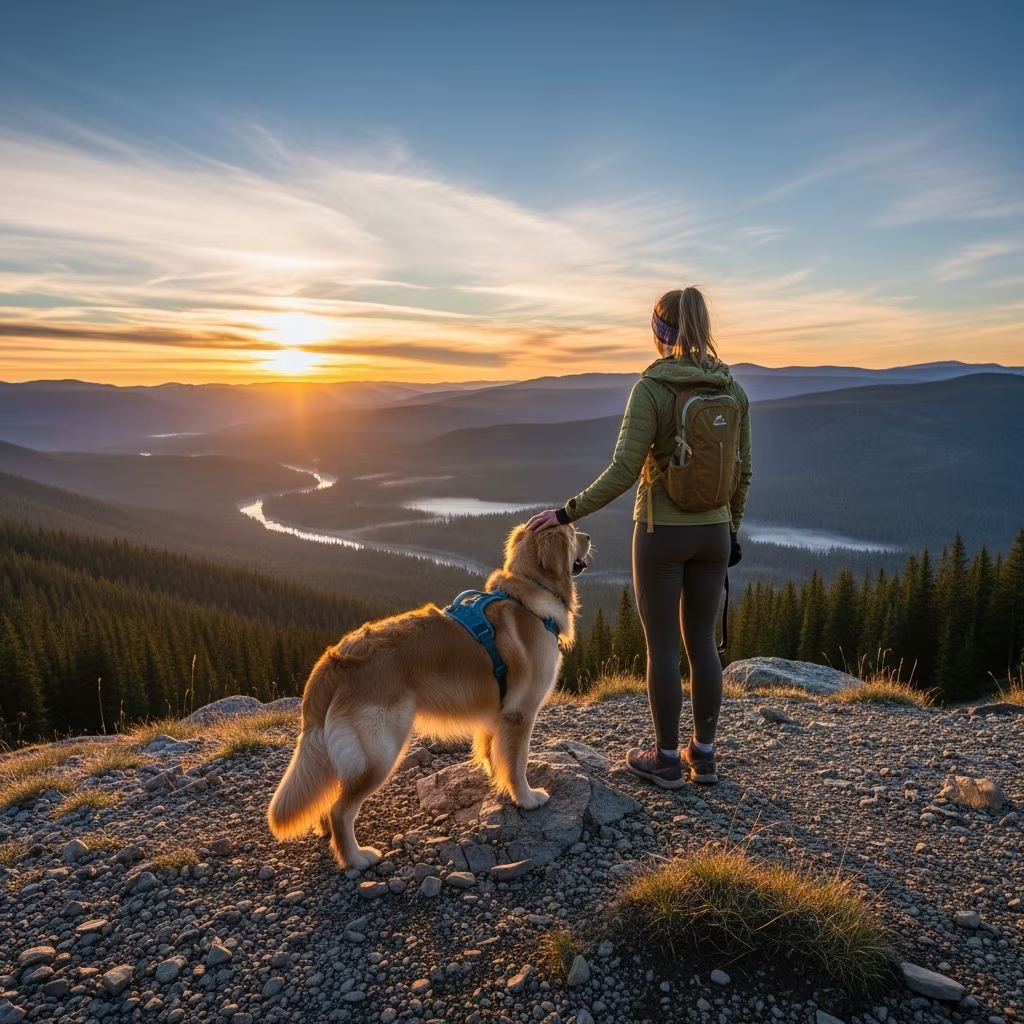
Exploring nature with your canine companion transforms outdoor recreation into shared memories and strengthens the bond between you and your pet. However, successful trail adventures require thoughtful preparation, proper conditioning, and an understanding of safety protocols. Whether you’re a seasoned hiker or embarking on your first outdoor expedition with your dog, this comprehensive guide provides the knowledge and strategies needed to ensure both you and your pet have enjoyable, safe experiences on the trail.
Assessing Your Dog’s Readiness for Trail Adventures
Before lacing up your hiking boots, take time to honestly evaluate whether your dog is physically and mentally prepared for trail activities. Not all dogs possess the same capacity for outdoor exertion, and several factors influence their suitability for hiking. A critical first step involves consulting with your veterinarian to ensure your dog is medically cleared for hiking activities. This conversation should address your dog’s age, underlying health conditions, joint integrity, and cardiovascular fitness. Senior dogs, puppies, and breeds with respiratory or skeletal vulnerabilities may require modified hiking plans or alternative outdoor activities.
Consider your dog’s previous experience with extended walking and varied terrain. A dog accustomed to daily neighborhood walks may require significant conditioning before tackling mountain trails with elevation changes and technical footing. Additionally, assess the psychological readiness of your pet—dogs with severe anxiety, reactivity toward other animals, or poor recall commands present safety challenges on shared trails. Understanding these baseline factors allows you to develop a realistic progression plan rather than expecting your dog to immediately perform at your level.
Building Physical Conditioning and Fitness
Gradual conditioning forms the foundation of safe hiking preparation. Introduce your dog to extended walking distances incrementally, allowing their cardiovascular system and muscles to adapt to increased demands. Rather than dramatically increasing distance suddenly, establish a progressive schedule where walks grow gradually over several weeks. This methodical approach prevents injuries, soreness, and discouragement that might develop if you overwhelm an unprepared dog.
Once your dog demonstrates comfort with longer walking distances, introduce variable terrain elements individually. Begin with gentle inclines before progressing to steeper elevation changes. Practice navigating different ground surfaces—rocky areas, sandy paths, muddy sections, and creek crossings—in controlled environments. When introducing multiple challenging elements, reduce intensity in other areas. For example, if you’re tackling steep elevation, choose a shorter route. This balanced approach builds capability without overwhelming your pet’s physical systems.
If your dog will carry a backpack during hikes, introduce this gear gradually. Begin with an empty pack to allow your dog to acclimate to wearing equipment. Healthy dogs can carry approximately 25% of their body weight, but starting with 10% provides a safer introduction. Add weight incrementally over multiple outings, monitoring your dog’s comfort and gait for signs of strain.
Essential Training Commands for Trail Safety
Training transcends obedience in the hiking context—it becomes a safety mechanism that protects your dog from hazards and ensures respectful coexistence with other trail users. Several commands prove particularly valuable during outdoor adventures:
- Reliable Recall (Come): An instantaneous response to the “come” command can be lifesaving. This command allows you to retrieve your dog if they chase wildlife, encounter dangerous situations, or move toward other hikers or animals. Practice this command in increasingly distracting environments, rewarding immediate responses consistently.
- Sit and Stay: These stationary commands become invaluable when meeting other hikers, managing unexpected situations, or preventing your dog from investigating inappropriate objects. A dog that remains calm and seated while other trail users pass demonstrates respect for shared spaces.
- Leash Manners: Pulling, lunging, and straining on the leash creates hazardous conditions for you, your dog, other hikers, horses, and wildlife. Train your dog to walk with gentle tension and respond to directional cues without excess tension.
- Leave It or Drop It: Trails present numerous temptations—discarded food, animal droppings, bones, toxic plants, and other inappropriate items. Teaching your dog to immediately abandon anything on command prevents poisonings, gastrointestinal blockages, and behavioral problems on the trail.
These commands require consistent practice in low-distraction environments before expecting reliable execution on exciting trail settings. Use positive reinforcement training methods to strengthen responses, making obedience feel rewarding rather than punitive.
Critical Gear and Equipment Selection
Proper equipment preparation prevents discomfort, injuries, and emergency situations. Assemble your hiking kit thoughtfully:
| Equipment Type | Purpose | Considerations |
|---|---|---|
| Leash | Control and safety management | Use short heeling leashes or moderate 10-foot leashes that can shorten quickly. Many state parks require leashes 10 feet or shorter. Avoid long, retractable leashes that limit control. |
| Collar with ID Tags | Identification and reunion assistance | Ensure tags are current and legible. Consider microchipping as backup identification. |
| Dog Booties | Paw protection | Protect against rocky terrain, ice, snow, and sharp objects. Essential for dogs with sensitive pads or existing injuries. |
| Water and Bowl | Hydration maintenance | Carry at least one quart per three miles if reliable water sources are unavailable. Pack collapsible bowls for convenient drinking. |
| Dog Backpack | Gear carrying capacity | Properly fitted packs allow dogs to carry supplies. Start with minimal weight and increase gradually. |
| First Aid Kit | Emergency response | Include gauze, non-stick pads, adhesive tape, antiseptic, tweezers for splinter removal, and basic wound care supplies. |
| High-Visibility Items | Safety during low-light conditions | Attach lights to collars, use reflective leashes and vests for evening or early morning hikes. |
Before departing, verify that all equipment fits properly and doesn’t cause chafing or discomfort. Test gear on shorter walks before relying on it during extended trail adventures.
Understanding Trail Etiquette and Environmental Responsibility
Sharing trails with diverse users requires awareness of proper conduct and environmental stewardship. Dogs hiking with respectful owners enhance the trail experience for everyone; poorly managed dogs create conflicts and environmental damage.
Managing Group Dynamics: Limit your hiking group to a maximum of two dogs, regardless of how many humans accompany you. Three or more dogs constitute a pack, which intimidates other hikers and increases trail impact. When encountering dog-less hikers, leash your dog immediately, step aside, and command your dog to sit while others pass. Signal friendliness through casual conversation—this indicates to your dog that approaching people are not threats.
Encountering Loose Dogs: If you meet an unleashed dog on the trail, leash your own dog immediately. This gives you better situation control. Allow a brief, supervised greeting where both dogs can sniff each other, then promptly continue your hike in a friendly, matter-of-fact manner while ignoring the other dog.
Environmental Protection: Keep your dog on established trails, preventing vegetation damage and soil compaction. Above treeline, encourage your dog to walk on rock surfaces rather than fragile alpine plants. Compacted soil accelerates erosion and damages ecosystems. Carry poop bags and remove all dog waste—leaving waste on trailsides violates trail etiquette and contaminates water sources.
Hazard Avoidance: Avoid trails featuring ladders, as dogs cannot safely navigate these obstacles and attempting to carry your dog compromises safety for both of you. On cliff-edge trails, keep your dog leashed and calm close to your body—dogs sense owner anxiety and may bound ahead unpredictably.
Preparing for Variable Environmental Conditions
Different seasons and weather patterns present distinct challenges for hiking dogs. Temperature extremes demand particular attention. During hot-weather hiking, maintain hydration vigilance and watch for signs of heat exhaustion including excessive panting, drooling, weakness, or confusion. Avoid midday hiking during peak summer temperatures, instead scheduling early morning or evening adventures. Some dogs benefit from protective wax treatments on paw pads during winter hikes to prevent ice ball accumulation between toes.
In cold conditions, certain dog breeds may require protective clothing or booties. Rocky or icy terrain can cause pad abrasion or injury, making paw protection essential. Periodically check between paw pads for ice accumulation, thorns, glass, or other embedded debris that might cause injury.
Before each hike, research the specific trail to identify potential hazards including steep drop-offs, water crossings, wildlife presence, and technical terrain. Choose routes matching your dog’s fitness level and abilities—difficult first experiences discourage future adventures. As your dog demonstrates comfort and capability, gradually increase difficulty, distance, and terrain complexity.
Safety Protocols and Emergency Preparedness
Despite careful planning, emergencies can occur on trails. Emergency medical preparedness ensures you can respond effectively to injuries or illnesses. Pack a comprehensive first aid kit containing wound care supplies, medications, and emergency contact information. Understand how to stabilize injuries and know the location of nearest veterinary facilities.
Maintain physical contact with your dog or keep them within visual range at all times. If your dog becomes lost, you cannot assist them. For extra security, consider GPS tracking devices attached to collars, which provide location data if separation occurs.
Recognize the difference between necessary leashing and safe off-leash hiking. Only allow off-leash hiking if your dog demonstrates exceptional voice command reliability, you’re in low-risk terrain with minimal hazards, and you encounter few other trail users or animals. Even highly trained dogs benefit from leash security in unfamiliar environments. Ultimately, accept responsibility for carrying your dog out in case of emergency—this reality should inform your trail selections and hiking intensity.
Frequently Asked Questions About Dog Hiking
Can small dogs successfully complete hiking adventures?
Yes. Small dogs can hike successfully with appropriate trail selection and realistic distance expectations. Choose shorter, easier trails suitable for their size and conditioning. Small dogs may tire more quickly than larger breeds, requiring shorter distances and more frequent breaks. Some owners carry small dogs during particularly challenging sections.
What signs indicate my dog is exhausted or experiencing distress?
Watch for excessive panting, difficulty keeping pace, reluctance to move, drooling, confusion, or limping. These signs suggest your dog requires rest, water, and potentially medical attention. Turn back immediately if serious distress appears.
How should I handle encounters with wildlife on trails?
Keep your dog leashed in areas with wildlife presence. Trained recall allows you to control your dog’s response to animals. Never allow your dog to chase wildlife, as this creates dangerous situations and violates environmental ethics.
Are certain dog breeds better suited for hiking?
Breeds with athletic builds, healthy joints, and appropriate respiratory capacity generally excel at hiking. However, any healthy dog can enjoy trail adventures with proper conditioning and realistic expectations about distance and difficulty.
What weather conditions are unsafe for hiking with dogs?
Extreme heat, cold below freezing with ice accumulation, and severe storms present hazards for dogs. Use judgment appropriate to your dog’s age, size, coat, and health status. When in doubt, postpone the hike.
References
- Trail Newbie? 5 Steps to a Safe Hike With Your Dog — Fairfax Veterinary Clinic. Accessed March 30, 2026. https://fairfaxvet.com/trail-newbie-5-steps-to-a-safe-hike-with-your-dog/
- Hiking With Dogs: How to Hike Safely and Considerately — Appalachian Mountain Club. Accessed March 30, 2026. https://www.outdoors.org/resources/amc-outdoors/outdoor-resources/hiking-with-dogs-how-to-hike-safely-and-considerately/
- A Beginner’s Guide to Hiking with Your Dog — Barkwells. Accessed March 30, 2026. https://barkwells.com/dog-blog/a-beginner-s-guide-to-hiking-with-your-dog
- Tips For Hiking Safely With Your Dog(s) — 365 Mile Challenge. July 20, 2020. https://365milechallenge.org/2020/07/20/tips-for-hiking-safely-with-your-dogs/
- 4 Tips for a Fun and Safe Day Hike with Your Dog — Wagsworth Manor. Accessed March 30, 2026. https://wagsworthmanor.com/4-tips-for-a-fun-and-safe-day-hike-with-your-dog/
- Hiking or Backpacking with Your Dog — REI Co-op. Accessed March 30, 2026. https://www.rei.com/learn/expert-advice/hiking-dogs.html



