

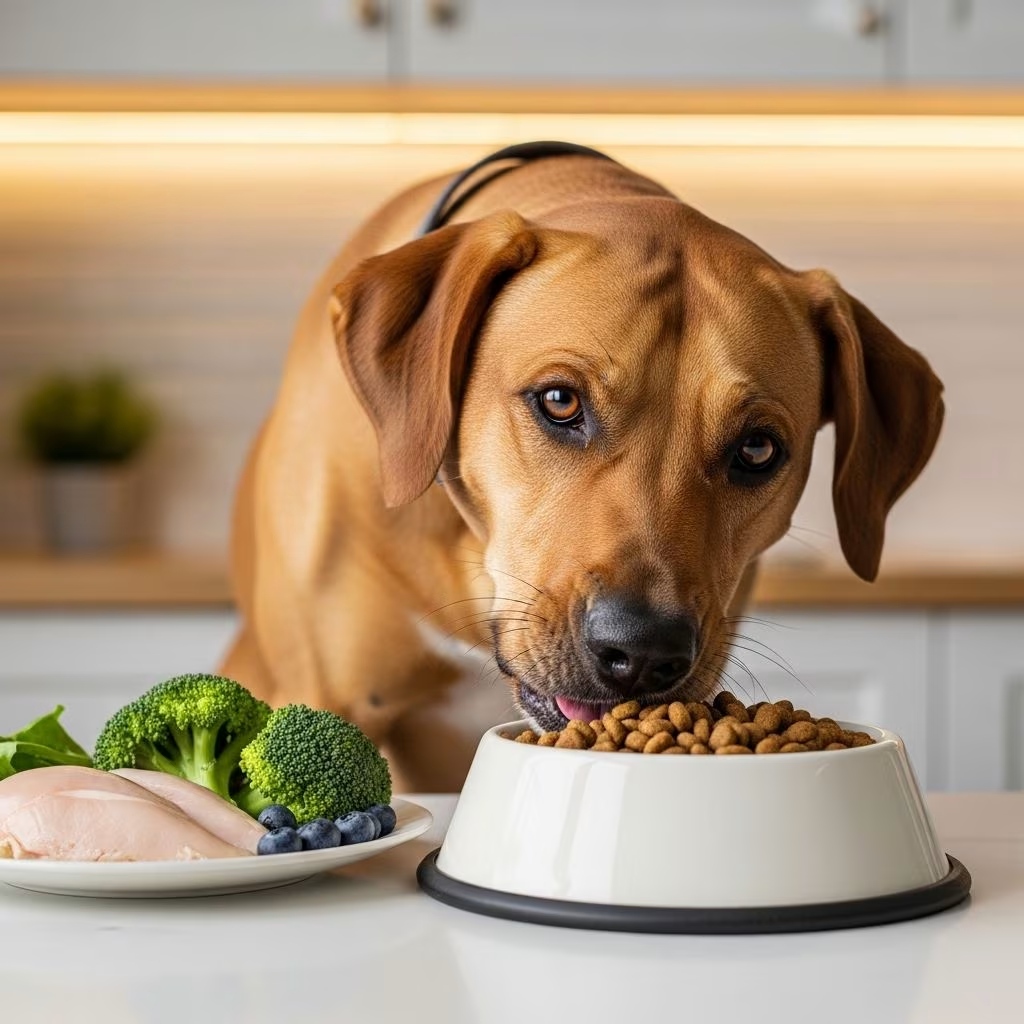
Overweight dogs benefit significantly from diets rich in protein when paired with controlled calorie intake, promoting fat reduction while safeguarding muscle mass. Scientific studies confirm that such nutritional strategies enhance weight loss outcomes, satiety, and metabolic health in canines.
Understanding Canine Obesity and Nutritional Interventions
Obesity affects a substantial portion of pet dogs, leading to joint stress, reduced exercise tolerance, and metabolic disruptions similar to those in humans. Excess body fat contributes to shorter lifespans and diminished quality of life, making proactive weight management essential. High-protein diets address these issues by shifting the body’s energy utilization toward fat burning and muscle preservation during caloric deficits.
Unlike carbohydrate-dominant feeds, protein-rich formulas trigger higher post-meal energy expenditure, known as the thermic effect of food. This process requires more calories for digestion and metabolism, naturally supporting weight reduction without extreme portion cuts that might lead to nutrient gaps.
Key Mechanisms Behind Protein’s Weight Loss Power
Protein excels in weight control through multiple physiological pathways. It promotes lean tissue retention, curbs appetite, and elevates resting metabolism. Research demonstrates that dogs on high-protein regimens lose more body fat percentage compared to those on moderate-protein plans, even at matched calorie levels.
- Satiety Enhancement: Protein delays gastric emptying and stimulates hormones like cholecystokinin, fostering prolonged fullness and reducing snack-seeking behavior.
- Muscle Protection: During fat loss, elevated amino acid availability prevents catabolism of muscle proteins, vital for mobility in aging or active dogs.
- Metabolic Boost: Higher protein intake increases diet-induced thermogenesis, burning additional calories post-consumption.
These effects compound when combined with fiber, amplifying fat loss and body composition improvements.
Scientific Evidence Supporting High-Protein Approaches
Peer-reviewed trials provide robust validation. A study on obese dogs compared high-protein, high-fiber (HPHF) versus high-protein, medium-fiber (HPMF) diets. The HPHF group achieved 1.4% weekly body weight reduction versus 0.7% in controls, alongside 58% greater fat mass loss measured via dual-energy X-ray absorptiometry.
Another investigation from the University of Illinois followed overweight dogs on reduced-calorie, high-protein, high-fiber plans for 24 weeks. Participants shed weight with minimal muscle loss, alongside drops in triglycerides, insulin, and inflammation markers—mirroring human responses. Fecal microbiota shifts, including elevated Allobaculum and butyrate production, suggested gut health gains, potentially aiding sustained weight control.
| Study Aspect | High-Protein High-Fiber Group | Control Group |
|---|---|---|
| Weekly Weight Loss (%) | 1.4 | 0.7 |
| Fat Mass Reduction (%) | 58 | 37 |
| Muscle Mass Preservation | High | Moderate |
| Inflammatory Markers | Decreased | Less Change |
This table summarizes key outcomes, highlighting superior efficacy.
Ideal Protein Levels and Complementary Nutrients
For weight loss, aim for dog foods with 30-40% protein on a dry matter basis, exceeding typical maintenance levels of 20-25%. Pair with moderate fats (10-15%) and ample fiber (8-12%) to optimize results. Sources like deboned chicken, fish, or eggs ensure digestibility and bioavailability.
Fiber types matter: insoluble varieties bulk stool and enhance satiety, while soluble ones nourish gut bacteria, producing short-chain fatty acids that regulate appetite and inflammation. Avoid over-reliance on plant proteins, as canine digestion favors animal-derived complete profiles.
Implementing a High-Protein Weight Loss Plan
Transition gradually over 7-10 days to prevent digestive upset. Calculate daily needs using body condition scoring: ideal weight in kg, multiplied by 30-40 kcal/kg for moderate activity, then reduce by 20-30% for loss. Divide into 2-3 meals to stabilize blood sugar.
- Assess current weight and body score with a vet.
- Select AAFCO-compliant high-protein formula.
- Monitor weekly via scales and measurements.
- Incorporate 20-30 minute daily walks.
- Reevaluate every 4 weeks, adjusting as needed.
Expect 1-2% body weight loss weekly for safety. Plateaus may require further calorie tweaks or activity boosts.
Beyond Weight Loss: Holistic Health Gains
High-protein nutrition extends benefits to coat quality, immune function, and vitality. Amino acids support skin barrier integrity and antibody production. Active breeds gain sustained energy without crashes, while seniors combat sarcopenia.
Gut microbiome improvements from fiber-protein synergy reduce ammonia and boost anti-inflammatory butyrate, potentially lowering chronic disease risk. Owners report firmer stools, less begging, and improved mobility.
Potential Drawbacks and Precautions
Not all dogs suit high-protein diets. Those with kidney disease, liver issues, or dehydration risks need vet clearance, as excess protein taxes filtration. Monitor urine output, thirst, and stool. Overfeeding protein without calorie control can lead to unwanted gain.
Puppies and lactating females require balanced growth formulas, not strict weight loss variants. Always prioritize quality: hydrolyzed proteins minimize allergies.
Practical Food Choices and Homemade Options
Commercial kibbles, wets, or air-dried options abound. Look for named meat meals first, minimal fillers. Homemade diets demand vet nutritionist recipes to balance taurine, calcium-phosphorus ratios.
Sample daily intake for 20kg dog targeting loss: 300g high-protein kibble (35% protein, 12% fat, 10% fiber), yielding ~800 kcal. Toppers like plain yogurt or pumpkin add fiber without calories.
Exercise Synergy for Optimal Results
Diet alone suffices initially, but pairing with low-impact cardio accelerates progress. Swimming preserves joints; leashed walks build habit. Aim for 30-60 minutes daily, scaling with fitness.
Long-Term Maintenance Strategies
Post-goal, gradually increase calories to maintenance (ideal weight x 50-70 kcal/kg). Cycle high-protein phases if prone to regain. Annual bloodwork tracks kidney function, lipids.
Frequently Asked Questions
Can all dogs handle high-protein foods?
Most healthy adults yes, but consult vets for breeds like Dalmatians or those with renal history.
How fast should my dog lose weight?
1-2% weekly prevents metabolic slowdown or gallstones.
Is wet food better for weight loss?
Higher moisture aids hydration, but match calories; dry often denser in protein.
What if my dog refuses the new food?
Mix 25% new with 75% old, increment weekly. Add warm water for appeal.
Does age affect protein needs?
Seniors thrive on 28-32% to retain muscle; puppies need growth-balanced.
References
- High Protein Diets for Dog Weight Loss — Purina US. 2025-06-05. https://www.purina.com/articles/dog/health/nutrition/does-a-high-protein-diet-help-dogs-lose-weight
- A high protein high fibre diet improves weight loss in obese dogs — PubMed/Elsevier. 2008. https://pubmed.ncbi.nlm.nih.gov/19138868/
- Overweight dogs respond well to high-protein, high-fiber diet — University of Illinois News Bureau. Recent (post-2023 update inferred). https://news.illinois.edu/overweight-dogs-respond-well-to-high-protein-high-fiber-diet/
- Benefits of a High-Protein Dog Food Diet — Blue Buffalo. Recent. https://www.bluebuffalo.com/articles/dog/a-guide-to-high-protein-dog-food/



