

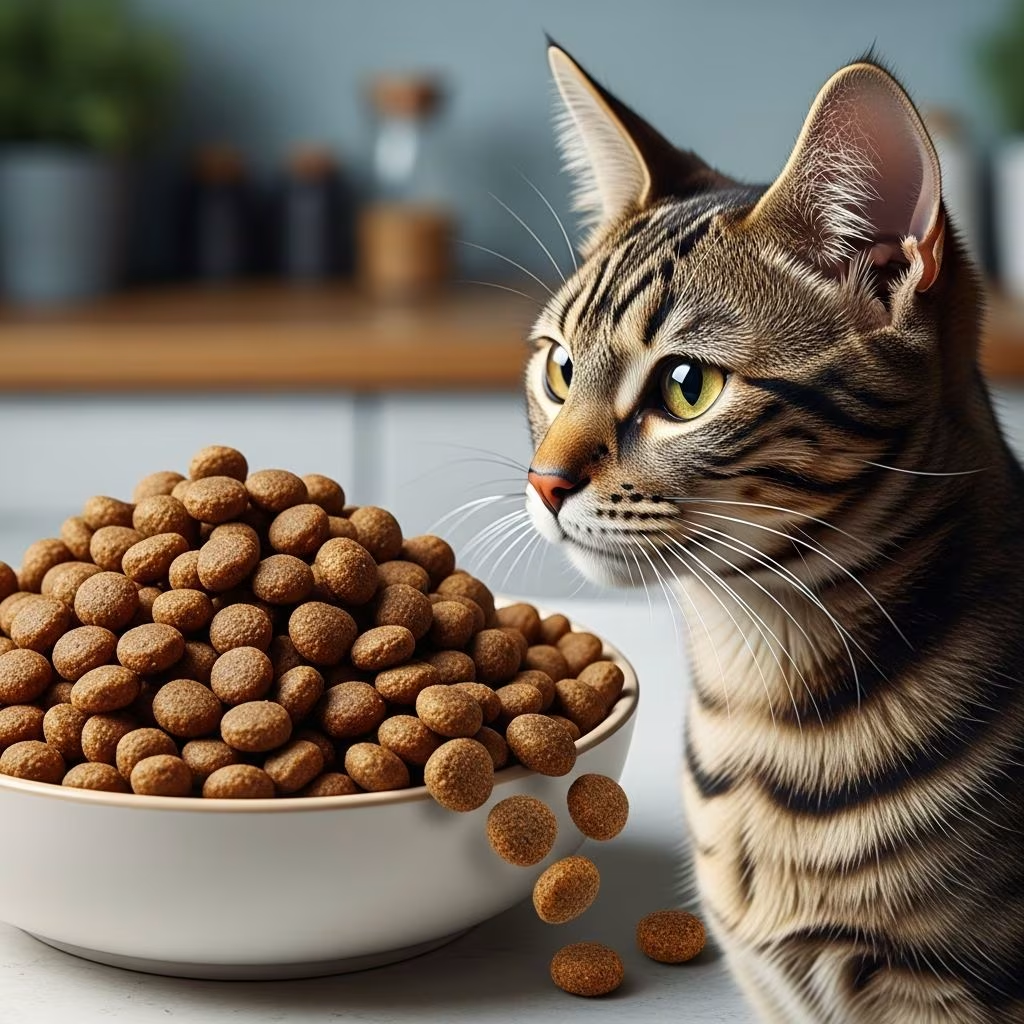
High-Protein Cat Food: A Complete Nutritional Guide for Feline Health
Protein is one of the most critical nutrients in your cat’s diet, serving far more purposes than simply building muscle. As obligate carnivores, cats have evolved to thrive on protein-rich diets, and understanding the importance of high-protein nutrition is essential for responsible pet ownership. Whether you have a playful kitten, an active adult cat, or a senior companion, providing adequate protein helps ensure optimal health, vitality, and longevity.
Why Cats Need High-Protein Food
Unlike humans and many other animals, cats utilize protein as a primary energy source. This fundamental difference in metabolism means that feeding your cat a diet relying excessively on carbohydrates can lead to obesity, diabetes, and other metabolic disorders. Protein serves multiple critical functions in your cat’s body, going well beyond simply providing calories.
Protein contains amino acids that are essential for numerous bodily functions. These amino acids include arginine, methionine, lysine, and taurine—all vital for your cat’s metabolism, immune function, and tissue repair processes. Without adequate protein intake, your cat may experience muscle wasting, immune system deficiencies, and other serious health complications.
Key Benefits of High-Protein Cat Food
Building and Repairing Body Tissues
Protein is the fundamental building block for your cat’s body. It constructs and repairs important tissues including fur, skin, claws, and muscles. Proteins form enzymes, hormones, neurotransmitters, and critical components of the immune system. When your cat consumes high-quality protein, these amino acids work to maintain the structural integrity of tissues and support growth in kittens.
Supporting Lean Muscle Mass and Strength
High-protein cat food supports the development and maintenance of strong, lean muscles in your feline companion. This benefit is particularly important for developing kittens establishing their muscular foundation and for adult cats maintaining strength and agility. As cats age, maintaining muscle mass becomes increasingly crucial to their overall health and mobility.
Providing Essential Energy
Protein provides the energy necessary for your cat’s daily activities and playtime. A protein-rich diet ensures your cat has the fuel to engage in natural behaviors like hunting, climbing, and exploring. This energy source is especially important for active cats that require sustained vitality throughout the day.
Promoting Healthy Skin and Coat
The amino acids derived from protein sources contribute directly to the health of your cat’s skin and coat. A high-protein diet helps prevent dryness and irritation while promoting a shiny, luxurious appearance. Within a few weeks of transitioning to a high-protein diet, you may notice softer, shinier skin and a noticeably improved coat quality.
Supporting Weight Management
Protein helps cats feel fuller for longer, reducing the likelihood of overeating. This satiety effect is particularly beneficial for indoor cats prone to weight gain due to lower activity levels. A high-protein diet with lower carbohydrates helps maintain a healthy weight by keeping your cat satisfied on fewer calories without constant hunger.
Preventing Obesity and Related Diseases
Cats that consume high-protein diets have significantly reduced obesity risk compared to those on carbohydrate-heavy diets. Since obesity in cats often opens doors to diabetes and other serious health conditions, a high-protein diet acts as an effective preventive measure. By maintaining healthy weight through adequate protein intake, your cat’s blood sugar levels remain stable and controlled.
Aiding Digestion and Metabolism
A protein-rich diet supports enzyme production, which is vital for proper digestion and metabolism. Better digestion and nutrient absorption reduce gastrointestinal issues and support a healthy metabolism that naturally avoids unnecessary weight gain. Additionally, enzymes play an important role in your cat’s immune system, helping protect against infections and diseases.
Strengthening Immune Function
Protein furnishes the essential amino acids necessary for tissue repair, growth, and a robust immune system. Without ample protein, your feline friend might face compromised ability to fend off illnesses and infections. High-quality protein ensures your cat maintains strong defenses against disease.
Recommended Protein Levels for Cats
Understanding the appropriate protein percentage for your cat depends on several factors, including age, activity level, health status, and life stage. The Association of American Feed Control Officials (AAFCO) provides guidelines for minimum protein requirements:
| Cat Life Stage | Minimum Protein % | Optimal Range % |
|---|---|---|
| Adult Maintenance | 26% | 30-45% |
| Growth & Reproduction | 30% | 40-50% |
| Senior Cats (12+ years) | 26% | 45-50% |
| Weight Management | 26% | 50-55% |
| Chronic Kidney Disease | 26% | 28% |
A good general guideline is that cat food should contain around 25-40% protein to meet basic dietary requirements, though research suggests even higher levels may be optimal. Recent studies have shown that adult cats consuming less than 40% protein experienced lean body mass loss over time. Protein should ideally comprise over 50% of your cat’s daily caloric intake for optimal health.
Quality Protein Sources Matter
Not all proteins are created equal. The source of protein in your cat’s food significantly impacts its nutritional value and digestibility. The best sources of essential amino acids are high-quality animal proteins rather than plant-based alternatives.
Cats have a short digestive tract that absorbs and utilizes animal protein far more efficiently than plant protein. Look for cat foods listing high-quality animal proteins as primary ingredients, such as chicken, turkey, fish, and beef. These animal-based proteins provide complete amino acid profiles that cats require for optimal health.
Avoid relying solely on plant-based protein sources, as cats cannot efficiently extract the amino acids they need from these alternatives. While some plant proteins may be included in a balanced formula, animal protein should always be the primary protein source in your cat’s diet.
Protein Requirements by Life Stage
Kittens
Growing kittens require high protein levels to support rapid development and muscle growth. They benefit from foods containing at least 30-40% protein, with some premium kitten formulas reaching 50% or higher. During this critical growth phase, quality protein with essential amino acids like DHA supports cognitive development and immune system strength.
Adult Cats
Healthy adult cats should consume diets containing at least 30-40% protein, with many nutrition experts recommending levels closer to 40-50% for optimal muscle maintenance and energy. Active adult cats may benefit from protein levels on the higher end of this range to support their lifestyle and maintain lean body mass.
Senior Cats
As cats age, their protein requirements actually increase due to reduced digestive efficiency and decreased ability to absorb nutrients. Many cats over 12 years of age benefit from increased protein levels approaching 45-50% of their diet. While some older cat foods contain decreased protein due to kidney disease concerns, recent veterinary recommendations suggest a more conservative approach to protein restriction, with many senior cats thriving on higher protein levels. Discuss your senior cat’s specific needs with your veterinarian.
What to Look for in High-Protein Cat Food
Quality Protein Sources
Choose foods with named animal protein sources as primary ingredients. Look for “chicken,” “turkey,” or “fish” rather than vague terms like “meat meal” or “animal by-products.” High-quality proteins ensure your cat receives complete amino acid profiles.
Complete and Balanced Formulation
Ensure the food is formulated to be 100% complete and balanced for your cat’s specific life stage. This guarantees the food contains all necessary vitamins, minerals, and nutrients alongside adequate protein levels.
Essential Fatty Acids
Look for foods containing Omega-3 and Omega-6 fatty acids, particularly from fish oil sources. These support skin health, coat quality, and overall immune function.
Digestibility and Nutrient Absorption
High-quality proteins are more digestible and result in better nutrient absorption compared to poor-quality protein sources. This efficiency means your cat extracts maximum nutrition from each meal.
Fiber Content
Natural fiber and ingredients like beet pulp promote healthy digestion and reduce common issues like hairballs, particularly important for indoor cats.
Protein and Specific Health Conditions
Weight Management
Cats needing to lose weight or suffering from metabolic-related diseases often benefit from diets containing 50-55% protein. The satiety effect of high protein helps these cats feel satisfied while consuming fewer calories, supporting gradual, healthy weight loss.
Chronic Kidney Disease
Cats with chronic kidney disease traditionally received restricted-protein diets at approximately 28% protein. However, modern veterinary recommendations suggest a more conservative approach to protein restriction. Consult your veterinarian about the appropriate protein level for your cat’s specific kidney disease stage.
Metabolic Disorders
Cats with diabetes or other metabolic conditions benefit significantly from high-protein, low-carbohydrate diets. Increased protein helps stabilize blood sugar levels and supports healthy weight maintenance, both crucial for managing metabolic disorders.
Signs Your Cat May Benefit from Higher Protein
If your cat is experiencing any of the following issues, increasing dietary protein may help:
- Visible muscle loss or decreased muscle tone
- Dull or dry coat and skin
- Increased weight gain despite regular feeding portions
- Low energy levels or lethargy
- Digestive issues or frequent gastrointestinal upset
- Weakened immune response with frequent illness
Expected Health Improvements
When you transition your cat to an appropriate high-protein diet, you may notice several positive changes:
- Softer, shinier skin and coat within a few weeks
- Increased lean muscle mass and improved muscle tone
- Increased energy levels and more playfulness
- Improved digestion and healthier stools
- Better weight management and satiety
- Improved immune function and illness resistance
Frequently Asked Questions About High-Protein Cath Food
Q: What percentage of protein should my cat’s food contain?
A: The AAFCO recommends a minimum of 26% protein for adult maintenance and 30% for growth stages. However, many feline nutrition experts recommend 40-50% protein for optimal health, particularly for adult cats. Your cat’s ideal protein level depends on age, activity, and health status.
Q: Are plant-based proteins suitable for cats?
A: No. Cats are obligate carnivores requiring animal-based proteins. While some plant proteins may be included in formulas, they should never be the primary protein source. Cats cannot efficiently extract essential amino acids from plant sources.
Q: Can senior cats eat high-protein food?
A: Yes, and they often should. Senior cats typically require increased protein (45-50%) as digestive efficiency declines with age. While kidney disease concerns previously led to protein restriction, modern recommendations suggest a more conservative approach. Discuss your senior cat’s specific needs with your veterinarian.
Q: Will high-protein food make my cat aggressive?
A: No. High-protein diets do not cause aggression in cats. Aggression is related to behavior, socialization, and individual temperament, not protein intake. Adequate protein actually supports healthy muscle development and energy balance.
Q: How do I transition my cat to high-protein food?
A: Gradually introduce the new high-protein food over 7-10 days, mixing increasing amounts of new food with decreasing amounts of old food. This slow transition helps prevent digestive upset and allows your cat’s system to adjust to the new diet.
Q: Is high-protein food suitable for all cats?
A: High-protein diets are beneficial for most cats, including kittens, active adults, weight-conscious cats, and seniors. However, cats with specific health conditions should consult with their veterinarian. Some cats with advanced kidney disease may need modified protein levels determined by their vet.
Q: How quickly will I see improvements from high-protein food?
A: Improvements in coat quality and skin health often appear within 2-4 weeks. Energy level improvements may be noticed within days. Lean muscle mass development takes several weeks to months depending on your cat’s age and starting condition.
References
- Association of American Feed Control Officials (AAFCO) Pet Food Standards and Definitions — AAFCO. 2024. https://www.aafco.org
- Impact of Dietary Protein on Cat Health and Wellbeing — Hill’s Pet Nutrition Research. 2023. https://researchoutreach.org/articles/impact-dietary-protein-cat-health-wellbeing
- Protein Requirements for Cat Health — PetMD Veterinary Health. 2024. https://www.petmd.com/cat/nutrition
- Feline Nutrition: Complete Guide to Protein and Essential Amino Acids — Blue Buffalo Nutrition Research. 2023. https://www.bluebuffalo.com
- Essential Amino Acids in Feline Diet — Bowman Veterinary Hospital. 2024. https://www.bowmanvet.com



