

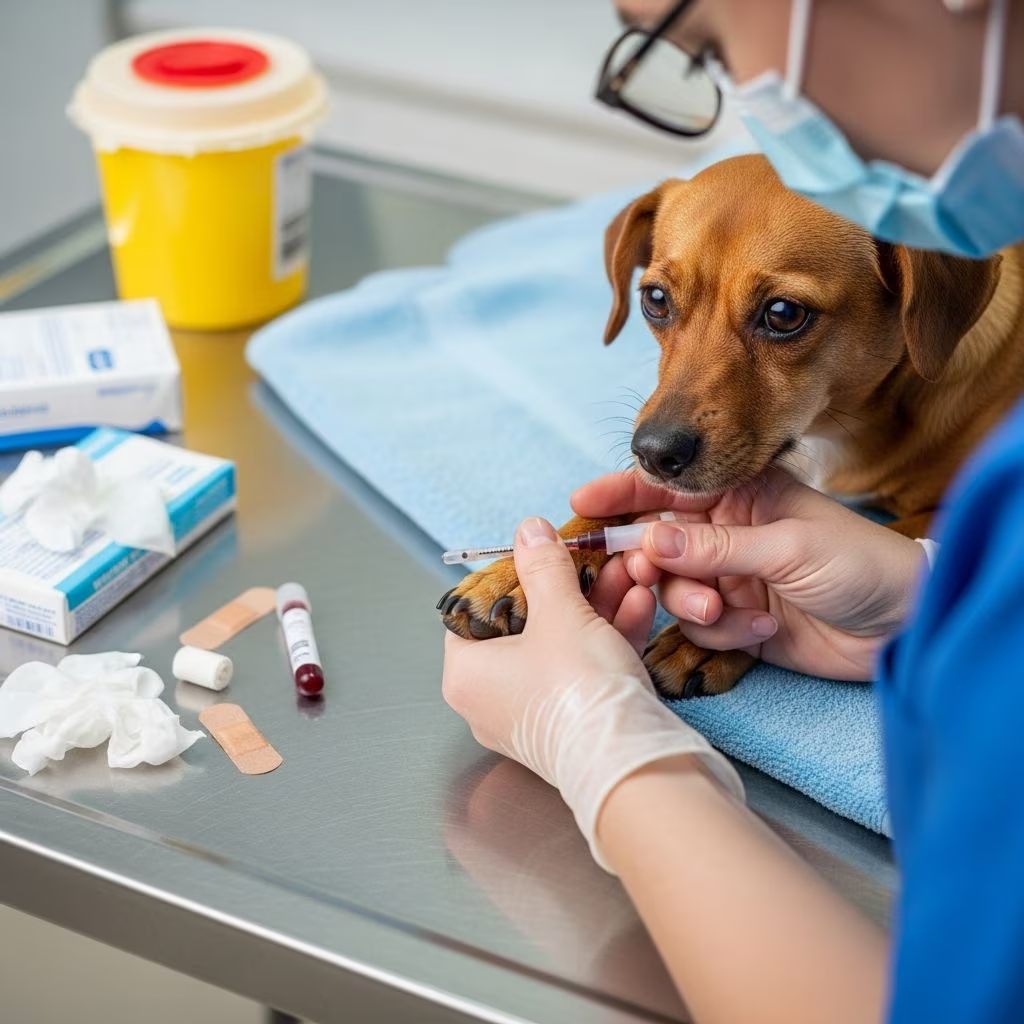
Liver enzyme elevations in dogs and cats signal potential issues with this vital organ, prompting timely veterinary evaluation during routine checkups or when symptoms arise. Understanding these markers helps pet owners navigate diagnostics and care effectively.
The Role of the Liver in Pet Health
The liver performs essential functions like detoxifying blood, producing proteins, and metabolizing nutrients, making it crucial for overall pet wellness. Enzymes such as ALT, AST, ALP, and GGT are released into the bloodstream when liver cells are stressed or damaged, serving as early indicators of problems.
Annual wellness exams recommended by veterinary associations often include biochemical profiles assessing these enzymes alongside kidney function, electrolytes, and proteins, enabling early detection before clinical signs appear.
Key Liver Enzymes and Their Meanings
Several enzymes provide insights into liver status, each with unique tissue distributions and implications.
- ALT (Alanine Aminotransferase): Predominantly in liver cells, elevations strongly suggest hepatocellular damage in both dogs and cats.
- AST (Aspartate Aminotransferase): Found in liver, muscles, heart, and brain; rises indicate liver injury but require context to rule out non-liver sources.
- ALP (Alkaline Phosphatase): Present in liver, bones, and intestines; in dogs, often elevated by steroids, while in cats, it points more directly to liver pathology.
- GGT (Gamma-Glutamyltransferase): Concentrated in bile ducts and kidneys; paired with ALP, it assesses biliary health, especially useful in cats.
Bilirubin levels complement these; increases lead to jaundice and categorize issues into hemolysis, liver dysfunction, or bile duct obstruction.
Symptoms Indicating Liver Concerns
Pets with liver issues may show subtle or overt signs, varying by severity and cause.
| Symptom | Dogs | Cats |
|---|---|---|
| Lethargy | Common | Very common |
| Vomiting/Diarrhea | Frequent | Frequent |
| Appetite Loss/Weight Loss | Typical | Prominent |
| Jaundice | Seen in advanced cases | Common in cholangiohepatitis |
| Increased Thirst/Urination | Associated with some diseases | Noted in lipidosis |
| Bleeding Tendencies | Possible | Uncommon but serious |
Advanced cases may involve hepatic encephalopathy, causing neurological signs like seizures or disorientation due to toxin buildup.
Triggers for Elevated Enzymes in Dogs
Dogs experience liver enzyme rises from diverse factors, often mild and transient but sometimes indicative of serious conditions.
- Medications: Steroids like prednisone and phenobarbital induce ALP production without structural damage.
- Hormonal Disorders: Cushing’s disease elevates ALP via excess steroids.
- Toxins: Xylitol, aflatoxins, and sago palm ingestion cause acute damage, common in certain regions.
- Shunts: Portosystemic shunts impair detoxification, raising multiple enzymes.
- Infections: Leptospirosis leads to hepatitis with systemic signs.
- Cancer: Hepatocellular carcinoma, though rare (1% prevalence), elevates markers.
- Copper Issues: Abnormal accumulation may target ALT.
Mild elevations in healthy dogs might resolve spontaneously, warranting recheck.
Triggers for Elevated Enzymes in Cats
Cats’ liver vulnerabilities differ, often linked to metabolic and inflammatory processes.
- Hyperthyroidism: Boosts metabolism, commonly raising ALT.
- Hepatic Lipidosis: Fat buildup from anorexia, a frequent sequela to other illnesses.
- Triaditis: Concurrent inflammation of liver, pancreas, and intestines due to shared ducts.
- Infections: FIP in young cats; FeLV or lymphoma infiltrating liver.
- Cholangiohepatitis: Bile duct and liver inflammation, most common chronic feline liver disease.
- Tumors: Benign cystadenomas or lymphoma.
ALP elevations in cats are more specific for disease than in dogs.
Diagnostic Approaches
Veterinarians use a stepwise process to pinpoint causes.
- Bloodwork: Initial panel for enzymes, bilirubin, proteins.
- Imaging: Ultrasound detects masses, shunts, or lipidosis.
- Biopsy: Gold standard for chronic issues like hepatitis.
- Specific Tests: Thyroid levels, leptospirosis titers, or copper assays.
Regional toxin risks, like sago palm, guide tailored diagnostics.
Treatment and Management Strategies
Therapy targets underlying causes while supporting liver function.
- Supportive Care: Fluids, anti-nausea meds, nutritional support via feeding tubes in cats.
- Medications: Antibiotics for infections, steroids or immunosuppressants for immune-mediated hepatitis.
- Diet: Hepatoprotective formulas low in copper and high in antioxidants.
- Surgery: Shunt correction or tumor removal when feasible.
- Hormone Management: Antithyroid drugs or iodine-131 for hyperthyroidism.
Prognosis excels for treatable conditions like cholangiohepatitis with medical management.
Prevention Tips for Pet Owners
Proactive steps reduce risks.
- Secure toxins like xylitol and plants (sago palm).
- Regular wellness exams with bloodwork.
- Monitor medications; discuss alternatives if enzymes rise.
- Maintain ideal weight to prevent lipidosis in cats.
- Vaccinate against leptospirosis where endemic.
Frequently Asked Questions
Are mild enzyme elevations always serious?
Not necessarily; in dogs, they may stem from drugs and resolve, but retesting is advised.
Can diet fix liver enzyme issues?
Special diets aid management but don’t cure underlying diseases; vet guidance essential.
Is jaundice always from liver problems?
No, it can result from hemolysis or bile obstruction; full diagnostics needed.
How does hyperthyroidism affect cat livers?
It accelerates metabolism, elevating ALT without primary damage.
Should I stop my dog’s phenobarbital if enzymes rise?
Never abruptly; consult vet for monitoring or alternatives.
This comprehensive guide empowers owners to recognize and address liver enzyme elevations promptly, improving outcomes for canine and feline companions.
References
- Elevated Liver Enzymes in Dogs and Cats — Animal Medical Center of New York. 2023-10-11. https://www.amcny.org/blog/2023/10/11/elevated-liver-enzymes-in-dogs-and-cats/
- Decoding Increased Liver Enzymes — Savannah Veterinary Specialists Internal Medicine. N/A. https://savannahveterinary.com/pet-internal-medicine/decoding-increased-liver-enzymes/
- Liver Disease in Cats — PetMD. N/A. https://www.petmd.com/cat/conditions/endocrine/liver-disease-cats
- Internal Medicine: Medical Conditions — Cornell University College of Veterinary Medicine. N/A. https://www.vet.cornell.edu/hospitals/services/imaging-service/internal-medicine-medical-conditions
- Disorders of the Liver and Gallbladder in Dogs — Merck Veterinary Manual. N/A. https://www.merckvetmanual.com/dog-owners/digestive-disorders-of-dogs/disorders-of-the-liver-and-gallbladder-in-dogs



