High Cholesterol in Dogs: Essential Guide
Understand the risks, symptoms, and management strategies for hyperlipidemia in canines to ensure your dog's long-term health and vitality.
High Cholesterol in Dogs
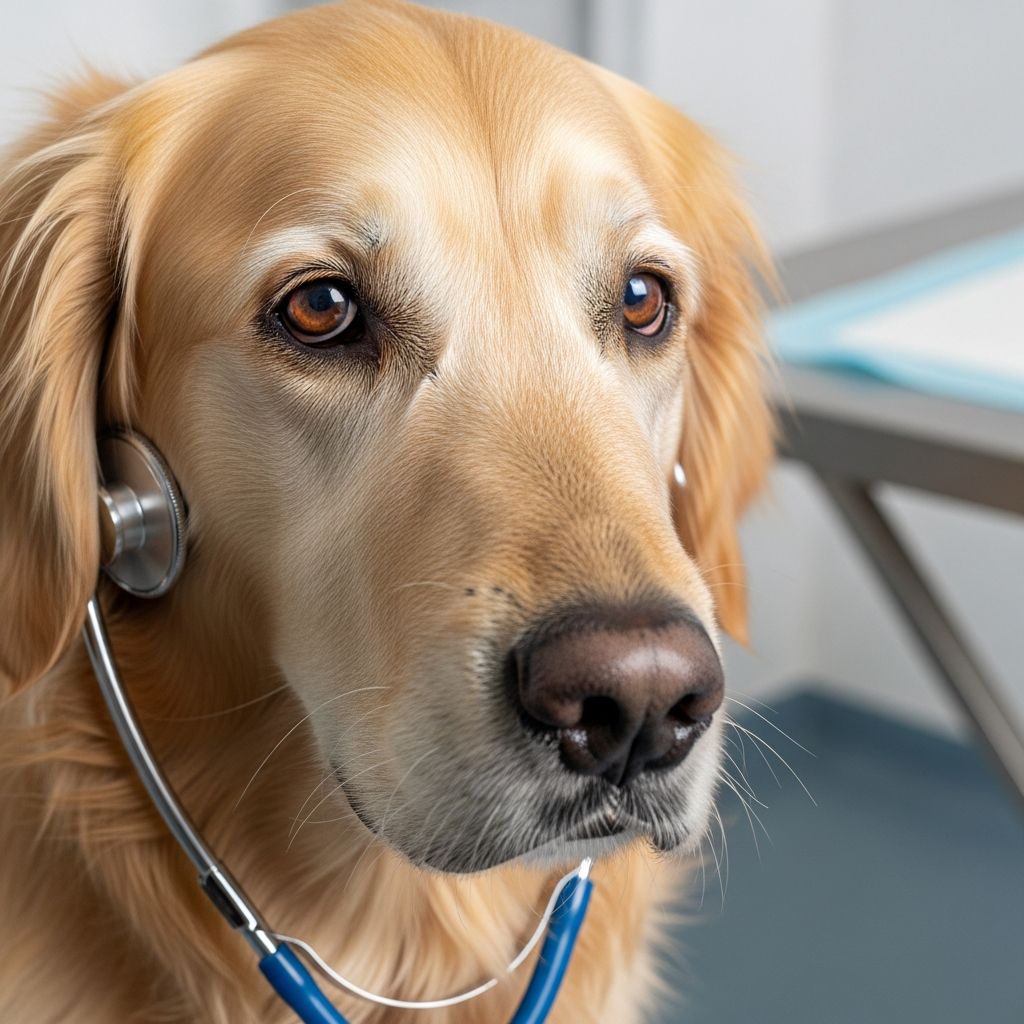
High cholesterol, or hyperlipidemia, occurs when excessive lipids like triglycerides and cholesterol accumulate in a dog’s bloodstream, potentially leading to serious health complications if unmanaged. This condition affects dogs of various breeds and ages, often stemming from dietary habits, genetic factors, or underlying medical issues, requiring proactive veterinary intervention for control.
Understanding Hyperlipidemia in Canines
Hyperlipidemia refers to elevated levels of fats in the blood, disrupting normal metabolic processes. In dogs, lipids are transported via lipoproteins, and imbalances can impair organ function over time. Unlike in humans, canine hyperlipidemia frequently presents without immediate symptoms, making routine blood work essential for early detection.
Normal lipid levels fluctuate post-meal but stabilize quickly in healthy dogs. Persistent elevations signal issues like impaired lipid clearance or overproduction, often linked to endocrine disorders or poor diet. Breeds such as Miniature Schnauzers, Shetland Sheepdogs, Rough Collies, Poodles, and Beagles show genetic predispositions, highlighting the need for breed-specific monitoring.
Primary Causes of Elevated Blood Lipids
Hyperlipidemia in dogs is typically secondary to other conditions, though primary forms exist due to hereditary defects in lipid metabolism. Common secondary triggers include:
- Endocrine disorders: Hypothyroidism reduces thyroid hormone production, slowing lipid breakdown; Cushing’s syndrome (hyperadrenocorticism) elevates cortisol, boosting fat mobilization.
- Pancreatic issues: Pancreatitis inflames the pancreas, hindering lipase activity essential for fat digestion.
- Metabolic diseases: Diabetes mellitus impairs insulin regulation, leading to fat accumulation; protein-losing nephropathy causes protein loss via kidneys, altering lipid profiles.
- Obstructive conditions: Cholestasis blocks bile flow, preventing cholesterol excretion.
- Medications and diet: Long-term steroids like prednisone increase lipid synthesis; high-fat table scraps overwhelm clearance mechanisms.
Primary hyperlipidemia arises from genetic mutations affecting lipoprotein enzymes, predominantly in susceptible breeds, independent of external factors.
Recognizing Symptoms and Clinical Signs
Many dogs with mild hyperlipidemia remain asymptomatic, with issues emerging only in severe or prolonged cases. Visible signs include white or yellowish lipid deposits (lipemia retinalis or corneal arcus) in the eyes, resembling cloudy patches. Gastrointestinal disturbances such as vomiting, diarrhea, and abdominal pain signal acute episodes, often tied to pancreatitis.
Severe triglyceride spikes can provoke neurological effects like seizures, ataxia, or behavioral changes due to blood-brain barrier interference. Skin manifestations, including xanthomas (lipid-filled lumps), cause discomfort and secondary infections. Chronic unmanaged cases heighten risks for atherosclerosis, organ damage, and shortened lifespan.
| Symptom Category | Common Manifestations | Associated Risks |
|---|---|---|
| Eye Changes | Lipid deposits in corneas/retina | Vision impairment |
| Gastrointestinal | Vomiting, diarrhea, pain | Pancreatitis flare-ups |
| Neurological | Seizures, coordination loss | Brain dysfunction |
| Skin | Xanthomas, eruptions | Infection, discomfort |
Diagnostic Approaches for Confirmation
Veterinarians diagnose hyperlipidemia via fasting blood panels measuring triglycerides (>150-200 mg/dL) and cholesterol (>250-300 mg/dL, breed-dependent). Serum appears milky in pronounced cases. Differentiating primary from secondary requires comprehensive testing:
- Thyroid panels (T4, TSH) for hypothyroidism.
- Cortisol assays (ACTH stimulation) for Cushing’s.
- Pancreatic enzymes (amylase, lipase, cPLI).
- Glucose curves and fructosamine for diabetes.
- Urinalysis and proteinuria indices for nephropathy.
- Abdominal ultrasound/radiographs for liver, pancreas, gallbladder.
Lipid profiling post-fasting (12-24 hours) ensures accuracy, as postprandial spikes mimic pathology. Advanced cases may warrant lipoprotein electrophoresis.
Comprehensive Treatment Strategies
Treatment targets underlying causes while reducing blood lipids, often requiring lifelong commitment. Core approaches include:
- Dietary overhaul: Prescription low-fat (<10% fat calories), high-fiber formulas like Hill’s i/d Low Fat or Royal Canin Gastrointestinal Low Fat enhance fat excretion and weight control.
- Supplements: Omega-3 fatty acids (fish oil) suppress VLDL/LDL production, with dosages of 40-100 mg/kg EPA/DHA daily.
- Medications: Fibrates (gemfibrozil) activate lipid-clearing enzymes; statins rarely used due to hepatotoxicity risks.
- Exercise regimen: Daily moderate activity (30-60 minutes) promotes lipid metabolism and prevents obesity.
Addressing primaries like hypothyroidism (levothyroxine) or diabetes (insulin) normalizes lipids in 70-80% of secondary cases. Monitor via serial bloodwork every 3-6 months.
Long-Term Management and Prevention
Successful management hinges on owner vigilance: portion-controlled feeding, avoiding fatty treats/human food, and annual wellness exams. Weight maintenance is crucial, as obesity exacerbates lipid dysregulation. For at-risk breeds, baseline lipid screens at 2-3 years aid early intervention.
Prognosis excels with compliance; untreated severe hyperlipidemia risks fatal pancreatitis or neurological crises. Home monitoring for symptoms like lethargy or appetite loss prompts prompt vet contact.
Frequently Asked Questions (FAQs)
Can high cholesterol in dogs be cured?
No, it’s typically managed lifelong through diet and meds, not cured, especially genetic forms.
What foods should I avoid for my dog with hyperlipidemia?
Steer clear of fatty meats, dairy, table scraps; opt for vet-prescribed kibble under 10% fat.
Is fish oil safe for dogs with high cholesterol?
Yes, omega-3s from quality fish oil reduce triglycerides; consult vet for dosing.
How often should blood tests be done?
Every 3-6 months initially, then annually once stable.
Are puppies prone to high cholesterol?
Rarely; it’s more common in middle-aged/older dogs or predisposed breeds.
Potential Complications and Prognosis
Uncontrolled hyperlipidemia fosters pancreatitis (acute pain, shock), atherosclerosis (rare in dogs but possible), and hepatopathy. With intervention, most dogs thrive, maintaining quality life spans. Genetic cases demand stricter adherence.
References
- High Cholesterol: Not Just a Human Problem — Pet Health Network. N/A. https://www.pethealthnetwork.com/dog-health/dog-diseases-conditions-a-z/high-cholesterol-not-just-a-human-problem
- High Cholesterol in Dogs — PetMD. N/A. https://www.petmd.com/dog/conditions/endocrine/high-cholesterol-dogs
- Is My Dog’s High Cholesterol Cause for Concern? — Pender Vet. N/A. https://www.pendervet.com/blog/is-my-dogs-high-cholesterol-cause-for-concern
- Hyperlipidemia in Dogs — Vetster. N/A. https://vetster.com/en/conditions/dog/hyperlipidemia
- High Cholesterol in Dogs: Symptoms, Causes & Treatment — Dutch. N/A. https://www.dutch.com/blogs/dogs/high-cholesterol-in-dogs
- High Cholesterol in Dogs — WagWalking. N/A. https://wagwalking.com/condition/high-cholesterol
- Treating Hyperlipidemia in Dogs — MSPCA-Angell. N/A. https://www.mspca.org/angell_services/treating-hyperlipidemia-in-dogs/
Similar Articles






Read full bio of medha deb