

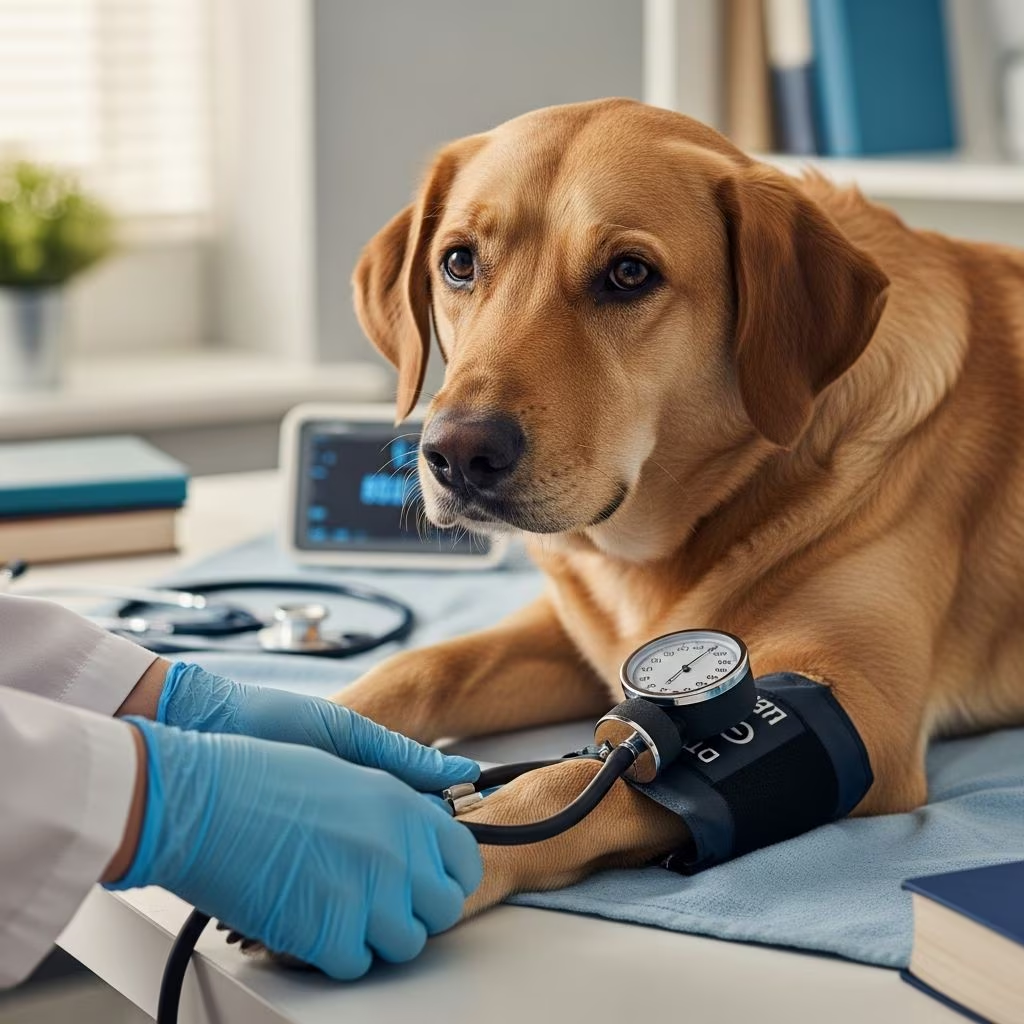
High Blood Pressure in Dogs: A Comprehensive Guide
High blood pressure, medically known as hypertension, is a serious health condition that affects many dogs, particularly those in their senior years. While this condition often goes undetected in its early stages due to the absence of obvious symptoms, it can lead to severe complications affecting vital organs like the heart, kidneys, and eyes. Understanding the signs, causes, and treatment options for canine hypertension is essential for pet owners who want to ensure their dogs maintain optimal health throughout their lives.
What is High Blood Pressure in Dogs?
High blood pressure in dogs occurs when the force of blood against arterial walls is consistently higher than normal. In dogs, a systolic blood pressure reading exceeding 150 mmHg is generally considered elevated, with readings of 160 mmHg or higher indicating a need for medical intervention.<1> Unlike humans who often develop primary hypertension due to lifestyle factors, dogs typically develop secondary hypertension, which stems from an underlying health condition. This distinction is crucial because treating the underlying cause often helps manage or resolve the high blood pressure itself.
Common Causes of High Blood Pressure in Dogs
Several underlying health conditions can lead to the development of hypertension in dogs. Understanding these causes helps veterinarians develop targeted treatment plans that address both the symptoms and the root problem.
Kidney Disease
Chronic kidney disease is one of the most common causes of high blood pressure in dogs. As kidney function deteriorates, the organs lose their ability to regulate blood pressure effectively, leading to hypertension. This relationship is particularly concerning because high blood pressure can also damage the kidneys further, creating a harmful cycle that requires aggressive management.
Endocrine Disorders
Endocrine conditions such as hyperthyroidism and hyperaldosteronism can significantly elevate blood pressure. These hormonal imbalances affect how the body regulates fluid and electrolyte balance, ultimately impacting blood pressure regulation.
Heart Disease
Dogs with underlying heart conditions often develop secondary hypertension. The compromised heart’s reduced ability to pump blood efficiently can trigger compensatory mechanisms that raise blood pressure.
Obesity
Excess weight places additional strain on the cardiovascular system and can contribute to the development of hypertension in dogs, similar to the relationship seen in human medicine.
Other Contributing Factors
Additional causes include certain medications, pheochromocytoma (a rare adrenal gland tumor), and in some cases, hereditary or idiopathic hypertension where no specific underlying cause can be identified.
Recognizing the Symptoms of Canine Hypertension
One of the most challenging aspects of managing high blood pressure in dogs is that many cases remain asymptomatic, especially in early stages. However, when symptoms do develop, they warrant immediate veterinary attention.<2> Being aware of these warning signs can help you catch the condition before serious complications occur.
Common Signs Include:
- Sudden or gradual vision loss or blindness resulting from retinal detachment or hemorrhage
- Nosebleeds without apparent cause
- Blood in the urine
- Persistent dilation of the pupils that doesn’t respond normally to light
- Disorientation or confusion
- Head tilting
- Loss of balance or coordination
- Weakness or lethargy
- Seizures in severe cases
- Heart murmurs detected during veterinary examination
- Rapid or difficult breathing
- Enlarged kidneys detected through physical examination
It’s important to note that the absence of symptoms doesn’t mean your dog doesn’t have high blood pressure. This is why regular veterinary check-ups, particularly for senior dogs or those with known risk factors, are crucial for early detection and management.
Diagnosing High Blood Pressure in Dogs
Accurate diagnosis of canine hypertension requires proper blood pressure measurement techniques. The process differs from human blood pressure monitoring and requires specialized equipment.
Blood Pressure Measurement Techniques
Veterinarians typically use the Doppler method to measure a dog’s blood pressure.<2> This non-invasive technique involves placing an inflatable cuff around the dog’s ankle or limb and using an ultrasonic probe to detect blood flow sounds. As the cuff is gradually deflated, the veterinarian listens for the first audible pulse sound, which indicates the systolic pressure reading. This method is considered more accurate for dogs than oscillometric methods commonly used in human medicine.
It’s worth noting that blood pressure measurement in dogs can be somewhat inexact, and stress during the veterinary visit (often called “white coat hypertension”) can temporarily elevate readings. For this reason, veterinarians may recommend multiple measurements over time to establish a true baseline.
Underlying Condition Evaluation
Once hypertension is confirmed, your veterinarian will conduct additional testing to identify any underlying causes. This typically includes blood work, urinalysis, and potentially imaging studies such as ultrasound or X-rays to assess kidney function, check for endocrine disorders, and evaluate heart health.
Treatment Options for Canine Hypertension
The approach to treating high blood pressure in dogs depends on the underlying cause and the severity of the condition. Treatment strategies may involve addressing the primary disease, implementing lifestyle modifications, prescribing medications, or a combination of these approaches.
Addressing Underlying Conditions
When secondary hypertension is identified, treating the underlying disease is often the first priority. For example, managing kidney disease with appropriate dietary adjustments and medications can sometimes help normalize blood pressure. Similarly, treating thyroid disorders or other endocrine conditions may resolve or significantly improve hypertension.
Medications for Blood Pressure Management
For many dogs, especially those with persistent hypertension despite treatment of underlying conditions, medications become necessary. Several classes of antihypertensive medications are commonly prescribed.<3>
ACE Inhibitors (First-Line Treatment)
Angiotensin-converting enzyme (ACE) inhibitors like enalapril and benazepril are typically recommended as the initial medication choice for hypertensive dogs.<5> These medications work by relaxing blood vessel walls and are particularly beneficial for dogs with kidney disease or proteinuria. ACE inhibitors help prevent organ damage and are generally well-tolerated with minimal side effects.
Calcium Channel Blockers
Amlodipine is a calcium channel blocker that helps relax blood vessels and reduce blood pressure. It’s often used as а second-line medication or in combination with ACE inhibitors when a single drug doesn’t adequately control blood pressure.<1>
Beta Blockers
Medications such as atenolol and propranolol work by reducing heart rate and the force of heart contractions. These are sometimes used in dogs with concurrent heart conditions or anxiety-related hypertension.
Alpha Blockers
Phenoxybenzamine and prazosin help relax blood vessel walls and are particularly useful in specific situations such as pheochromocytoma or when other medications haven’t been effective.
Diuretics
Medications like hydrochlorothiazide and furosemide may be prescribed to help reduce fluid volume in the bloodstream, thereby lowering blood pressure. These are often used when fluid retention contributes to hypertension.
Emergency Medications
In emergency situations where blood pressure is dangerously elevated or complications are occurring, rapid-acting medications like hydralazine and nitroprusside may be administered in clinical settings.
Most dogs initially respond well to a single medication, though some may require a combination approach if their blood pressure doesn’t adequately respond to monotherapy.
Lifestyle Modifications and Home Management
Beyond medication, several lifestyle changes can help manage your dog’s blood pressure and improve overall cardiovascular health.
Dietary Adjustments
While dietary factors don’t directly cause hypertension in dogs, a lower-salt diet may be beneficial for dogs with elevated blood pressure.<2> Additionally, maintaining a healthy weight through portion control and appropriate nutrition helps reduce strain on the cardiovascular system.
Exercise and Activity
Regular, moderate exercise tailored to your dog’s age and health status can help maintain cardiovascular health and support weight management.<2> Consult your veterinarian about an appropriate exercise regimen for your individual dog.
Stress Reduction
Anxiety and stress can elevate blood pressure in dogs, similar to the effect in humans. Creating a calm home environment and reducing your dog’s anxiety through various methods can help keep blood pressure levels lower.<2>
Anxiety Management Strategies
- Establish a safe, quiet space where your dog can retreat when feeling anxious
- Provide regular playtime and mental stimulation appropriate to your dog’s abilities
- Consider calming supplements recommended by your veterinarian
- Play soothing music designed for dogs
- Maintain a consistent daily routine to reduce stress
- Use positive reinforcement and gentle training methods
Monitoring and Follow-Up Care
Ongoing monitoring is essential for dogs with hypertension to ensure that treatment remains effective and to catch any complications early.
Blood Pressure Monitoring Schedule
After starting antihypertensive medication, your dog should have their blood pressure rechecked within a few weeks to assess treatment response.<1> The goal is to achieve a systolic pressure of 160 mmHg or less, with many veterinarians aiming for readings below 150 mmHg.<3> Once stable, blood pressure should be measured every couple of months to ensure continued effectiveness of treatment.
Laboratory Testing
Periodic laboratory work, including blood tests and urinalysis, helps monitor for medication side effects and tracks progression of any underlying disease. Regular monitoring is particularly important for dogs on ACE inhibitors or diuretics, as these medications can affect kidney function and electrolyte balance.
Potential Complications of Untreated or Poorly Controlled Hypertension
Without proper management, high blood pressure can cause serious complications affecting multiple organ systems.
Vision Problems
One of the most common complications is sudden blindness caused by retinal detachment or retinal hemorrhage. This occurs when high pressure damages the blood vessels in the eye, leading to vision loss that may be permanent if not addressed quickly.
Cardiovascular Complications
Chronic hypertension can lead to congestive heart failure as the heart becomes overworked trying to pump against increased pressure.
Kidney Damage
High blood pressure accelerates kidney disease progression, creating a dangerous cycle where kidney disease causes hypertension, which then worsens kidney function.
Neurological Effects
Stroke and other cerebrovascular accidents can occur when severely elevated blood pressure damages blood vessels in the brain.
Prognosis and Long-Term Management
The long-term outlook for dogs with hypertension depends on the underlying cause and how well the condition responds to treatment. For some dogs, particularly those with hereditary hypertension or where the underlying cause can be effectively managed, blood pressure can be controlled or even normalized. However, most dogs with secondary hypertension require lifelong medication to maintain healthy blood pressure levels even after the primary condition is addressed.
The key to success is early detection, appropriate treatment of underlying causes, proper medication management, and consistent monitoring. With these elements in place, many dogs with hypertension can continue to enjoy a good quality of life for years to come.
Frequently Asked Questions About Canine Hypertension
Q: How common is high blood pressure in dogs?
A: High blood pressure is relatively common in senior dogs, particularly those with kidney disease or other chronic conditions. Regular blood pressure screening is recommended for dogs over seven years old and those with known risk factors.
Q: Can high blood pressure in dogs be cured?
A: In some cases, treating the underlying cause can resolve hypertension. However, most dogs require lifelong medication management to maintain healthy blood pressure levels.
Q: What is the difference between primary and secondary hypertension in dogs?
A: Primary (or idiopathic) hypertension occurs without an identifiable underlying cause and is relatively rare in dogs. Secondary hypertension develops as a result of another disease process, such as kidney disease or endocrine disorders, and is much more common in canine patients.
Q: How often should my dog’s blood pressure be checked?
A: After diagnosis and starting treatment, blood pressure should be rechecked within a few weeks, then every two months once stable. Senior dogs and those with risk factors may benefit from annual or bi-annual screening.
Q: Are there side effects to blood pressure medications for dogs?
A: Most antihypertensive medications are well-tolerated in dogs. Potential side effects vary by medication class but may include lethargy, decreased appetite, or changes in kidney function. Your veterinarian will monitor for adverse effects through regular check-ups and laboratory testing.
Q: Can diet help manage my dog’s blood pressure?
A: While diet alone typically cannot cure hypertension, a lower-salt diet may help support blood pressure management. Maintaining a healthy weight through proper nutrition is also important for overall cardiovascular health.
Q: What should I do if my dog shows signs of high blood pressure complications?
A: If your dog suddenly develops vision loss, experiences a seizure, or shows other signs of a hypertensive crisis, seek immediate veterinary attention. These symptoms may indicate serious complications requiring emergency care.
References
- Systemic Hypertension (High Blood Pressure) in Dogs — VCA Animal Hospitals. Accessed November 2025. https://vcahospitals.com/know-your-pet/systemic-hypertension-in-dogs
- Treating High Blood Pressure (Hypertension) in Dogs — GoodRx Pet Health. Accessed November 2025. https://www.goodrx.com/pet-health/dog/high-blood-pressure-hypertension-dogs
- High Blood Pressure in Dogs — PetMD. Accessed November 2025. https://www.petmd.com/dog/conditions/cardiovascular/high-blood-pressure-dogs
- Management of Systemic Hypertension in Dogs and Cats — DVM360. 2023. https://www.dvm360.com/view/management-of-systemic-hypertension-in-dogs-and-cats
- ACVIM Consensus Statement: Guidelines for the Identification and Management of Systemic Hypertension — National Center for Biotechnology Information. 2018. https://pmc.ncbi.nlm.nih.gov/articles/PMC6271319/
- Hypertension in Dogs — AKC Canine Health Foundation. Accessed November 2025. https://www.akcchf.org/disease-history/hypertension-in-dogs/



