

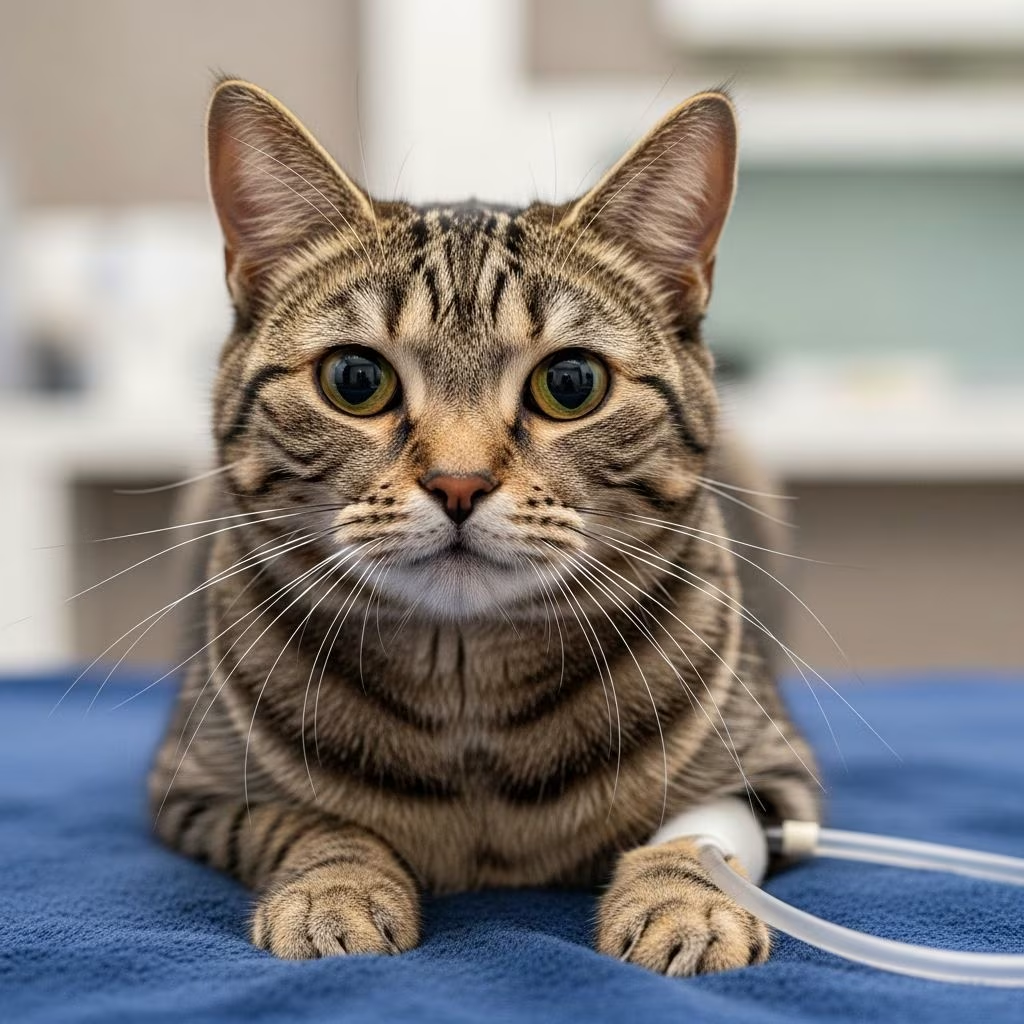
High blood pressure, or hypertension, affects many cats, particularly seniors, often without obvious warning signs until serious damage occurs. This condition strains vital organs like the eyes, kidneys, heart, and brain, making early detection crucial for preserving quality of life.
Understanding Feline Hypertension
Hypertension in cats involves persistently elevated blood pressure levels, typically defined as systolic readings above 160-175 mmHg on multiple occasions. Unlike humans, cats rarely show early symptoms, earning it the nickname ‘silent killer.’ It develops gradually, with blood vessels under constant stress, leading to leaks, ruptures, or scarring in delicate tissues.
Senior cats over seven years are at highest risk, with routine screening recommended by veterinary experts to catch it before irreversible harm sets in. Factors like age-related organ decline contribute, but underlying diseases drive most cases.
Primary Causes Behind Elevated Pressure
Most feline hypertension is secondary, stemming from other health issues that disrupt normal blood pressure regulation. Identifying and treating these root causes is key to effective management.
- Chronic Kidney Disease (CKD): The leading cause, affecting up to 74% of hypertensive cats. Impaired kidneys fail to filter waste, causing fluid retention and vessel constriction.
- Hyperthyroidism: Overactive thyroid boosts metabolism, heart rate, and pressure. Even post-treatment, risks persist for months.
- Heart Disease: Enlarged hearts or valve issues force harder pumping, elevating pressure and risking fluid buildup.
- Diabetes Mellitus: High blood sugar damages vessels, compounding kidney and circulatory strain.
- Other Factors: Rare contributors include adrenal tumors, long-term steroid use, or idiopathic cases where no cause is found, possibly early CKD.
These conditions often overlap, necessitating comprehensive diagnostics for accurate intervention.
Recognizing the Warning Signs
Hypertension’s subtlety means symptoms emerge only after target organ damage (TOD). Vigilance for these indicators can prompt timely veterinary visits.
| Symptom | Affected Organ | Description |
|---|---|---|
| Sudden Blindness | Eyes | Retinal detachment or bleeding causes detached retinas; often reversible if treated promptly. |
| Neurological Issues | Brain | Disorientation, seizures, circling, or weakness from vessel leaks. |
| Kidney Dysfunction | Kidneys | Increased thirst, urination, weight loss, or vomiting as filtration fails. |
| Heart Strain | Heart | Murmurs, gallop rhythms, or congestive failure signs like labored breathing. |
| Behavioral Changes | General | Lethargy, irritability, restlessness, nosebleeds, or appetite loss. |
Pet owners might dismiss these as aging, but they warrant immediate checks, especially in cats over 10.
Diagnostic Approaches for Confirmation
Veterinarians use non-invasive tools to measure blood pressure accurately, accounting for stress-induced spikes common in cats. Multiple readings in a calm environment ensure reliability.
- Blood Pressure Measurement: Doppler or oscillometric devices on limbs or tails target systolic values. Consistent highs above 160 mmHg confirm diagnosis.
- Fundic Exam: Ophthalmoscopy reveals retinal changes like hemorrhages or detachment, classic TOD signs.
- Laboratory Tests: Bloodwork assesses kidney function (creatinine, SDMA), thyroid levels (T4), and glucose; urinalysis checks protein loss.
- Imaging: Ultrasounds or X-rays evaluate heart, kidneys for structural issues.
Screening guidelines from the International Society of Feline Medicine suggest checks for all cats over 7, and annually thereafter, or sooner with risk factors.
Treatment Strategies to Lower Pressure
The aim is reducing systolic pressure below 150 mmHg to halt TOD progression, alongside addressing underlying diseases. Lifelong management is common.
Pharmacological Options:
- Amlodipine: First-line calcium channel blocker relaxes vessels, dropping pressure by 30-50 mmHg. Dosed at 0.125-0.25 mg/kg orally daily; well-tolerated.
- ACE Inhibitors (e.g., Benazepril): Added for kidney protection or resistant cases; reduces vessel constriction.
- Telmisartan: Alternative for proteinuria or amlodipine intolerance.
Medications come as tablets, liquids, or transdermal gels for picky eaters. Owners receive training on administration and side effect monitoring like lethargy or appetite changes.
Holistic Management: Treat CKD with renal diets and fluids, hyperthyroidism with methimazole or surgery, diabetes via insulin. Weight control and low-sodium diets support vascular health.
Monitoring and Long-Term Prognosis
Regular rechecks every 1-3 months track pressure, organ function, and adjust therapies. Home monitoring devices aid some owners.
Prognosis excels with early intervention: vision may return, kidney function stabilizes, and heart strain eases. Untreated, it shortens life via organ failure. Secondary cases depend on primary disease control; idiopathic hypertension responds well to meds.
Prevention Through Proactive Care
Annual senior wellness exams with pressure screening prevent silent progression. Maintain ideal weight, provide kidney-supportive nutrition, and monitor for early disease signs like weight loss or thirst.
Breed-agnostic but common in breeds prone to CKD or thyroid issues, all cats benefit from vigilance.
Frequently Asked Questions
What is a normal blood pressure for cats?
Less than 140-160 mmHg systolic; above 160 indicates risk, over 175 severe.
Can hypertension be cured in cats?
Rarely cured, but controlled lifelong with meds and underlying treatment, preventing complications.
Is blindness from hypertension reversible?
Often yes, if pressure lowers quickly; retinal reattachment occurs in many within weeks.
How often should senior cats be screened?
At least yearly from age 7, or more with risks like CKD.
Are there diet changes for hypertensive cats?
Yes, low-protein renal or low-sodium formulas ease kidney burden and support BP.
References
- Feline Hypertension: Causes and Management — Stack Veterinary Hospital. 2023. https://stackvethospital.com/feline-hypertension-causes-and-management/
- Feline Hypertension: Causes and Management — Willow Wood Animal Hospital. 2023. https://willowwoodah.com/feline-hypertension-causes-and-management/
- High Blood Pressure (Hypertension) in Cats — PetMD. 2024. https://www.petmd.com/cat/conditions/cardiovascular/c_ct_systemic_hypertension
- Feline Systemic Hypertension: Diagnosis and Management — PMC (PubMed Central). 2024-01-15. https://pmc.ncbi.nlm.nih.gov/articles/PMC10845410/
- American Heart Health Month: Feline Hypertension — Just Cats Clinic. 2023. https://justcatsclinic.com/american-heart-health-month-feline-hypertension-and-what-it-means-for-your-cat/



