

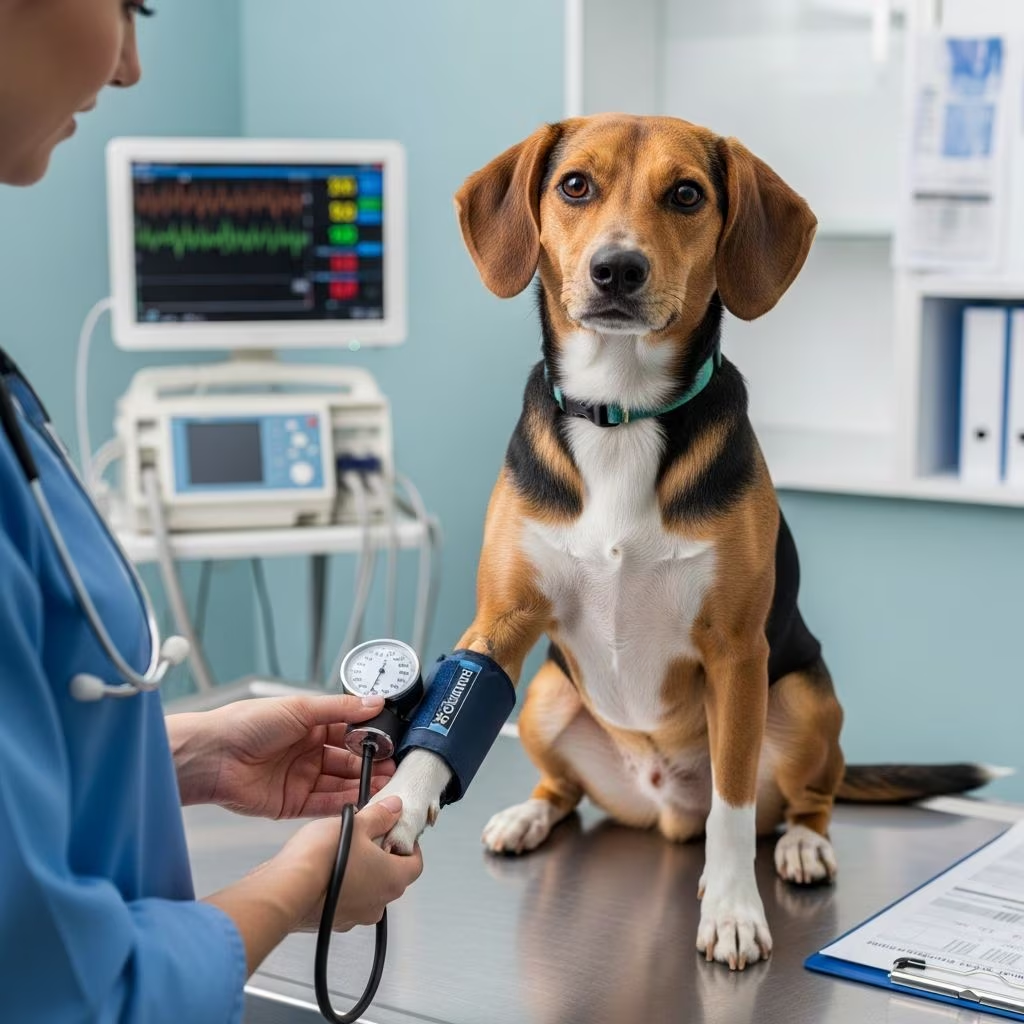
High blood pressure, medically known as systemic hypertension, represents a significant health concern affecting many dogs, particularly as they age. Unlike humans, where primary or essential hypertension develops without an identifiable underlying cause, dogs rarely experience this form of the condition. Instead, canine hypertension typically emerges as a secondary manifestation of an existing health problem. Understanding this distinction is crucial for pet owners seeking to protect their dogs’ cardiovascular health and overall wellbeing.
What Constitutes High Blood Pressure in Dogs?
Systemic hypertension in dogs occurs when arterial blood pressure consistently exceeds normal ranges. Veterinarians generally consider systolic blood pressure readings above 150 mmHg as potentially problematic, though treatment thresholds may vary based on individual circumstances and underlying conditions. The condition develops when blood vessels constrict, increasing resistance and forcing the heart to work harder to pump blood throughout the body.
The distinction between primary and secondary hypertension matters significantly for treatment planning. Primary hypertension, which occurs independently without an underlying disease, accounts for only about 20 percent of canine cases. Secondary hypertension, caused by an underlying medical condition, represents the overwhelming majority of diagnoses in dogs.
Identifying the Underlying Causes of Elevated Blood Pressure
Recognizing what triggers hypertension in your dog is essential because treating the root cause often addresses the blood pressure elevation itself. Multiple disease processes can initiate high blood pressure development in canines.
Kidney and Renal Conditions
Chronic kidney disease stands as the most prevalent cause of hypertension in dogs. As kidney function deteriorates, whether from age-related decline, infection, or developmental abnormalities, blood pressure regulation becomes compromised. Younger dogs may develop hypertension from kidney infections such as leptospirosis, while older dogs more commonly experience age-related kidney disease progression.
Endocrine System Disorders
The endocrine system regulates numerous bodily functions, and hormonal imbalances frequently contribute to blood pressure elevation. Cushing’s syndrome, characterized by excessive cortisone production by the adrenal glands, represents a common endocrine cause. Diabetes mellitus, though less frequently implicated than kidney disease, can also elevate blood pressure. Acromegaly, resulting from excessive growth hormone production, and polycythemia, an abnormal increase in red blood cells, may similarly increase blood pressure readings.
Adrenal Gland Abnormalities
Tumors of the adrenal gland, particularly pheochromocytomas, represent uncommon but significant causes of hypertension. These tumors trigger excessive hormone release that constricts blood vessels and raises blood pressure.
Other Contributing Factors
Several additional conditions and risk factors contribute to hypertension development in dogs, including obesity, advanced age, and certain neurological diseases. The cumulative effect of multiple risk factors increases the likelihood of hypertension manifestation.
Recognizing the Signs Your Dog May Have High Blood Pressure
One significant challenge with canine hypertension involves its often silent progression. Many dogs display no obvious symptoms in early stages, making regular veterinary monitoring essential for early detection.
Observable Clinical Signs
- Vision problems and blindness — Hypertension damages the retina, potentially causing sudden vision loss
- Nosebleeds — Blood vessel rupture in nasal passages results in epistaxis
- Neurological symptoms — Disorientation, confusion, and seizures indicate brain involvement
- Weakness and lethargy — General malaise suggests systemic effects
- Cardiac abnormalities — Heart murmurs or irregular rhythms detected during examination
- Increased thirst and urination — Often associated with underlying kidney disease
- Blood in urine — Hematuria indicates kidney or urinary tract involvement
The absence of symptoms doesn’t indicate absence of disease. Many dogs with significantly elevated blood pressure appear outwardly normal, yet suffer progressive internal damage.
Long-Term Complications Without Treatment
Untreated or poorly managed hypertension leads to serious organ damage and life-threatening complications.
Ophthalmologic Consequences
The eyes suffer particularly severe damage from sustained high blood pressure. Retinal degeneration develops gradually, leading to progressive vision loss and eventual blindness. More acutely, retinal hemorrhage and retinal detachment can occur suddenly, causing immediate blindness. Bleeding into the eye chamber represents another painful complication requiring urgent intervention.
Cardiovascular and Renal Impact
Congestive heart failure develops as the heart struggles against prolonged elevated pressure, eventually weakening and failing to pump effectively. Simultaneously, chronic kidney disease progresses as hypertension damages delicate kidney structures. This creates a vicious cycle where kidney disease causes hypertension, which further damages kidneys.
Neurological Emergencies
Severe hypertensive episodes can trigger stroke, or cerebrovascular accidents, causing acute neurological deficits. These emergencies may require hospitalization and aggressive management.
How Veterinarians Diagnose Hypertension
Accurate blood pressure measurement forms the foundation of hypertension diagnosis. Veterinarians typically employ Doppler blood pressure monitors, devices using ultrasonic technology to detect and amplify the systolic signal, allowing precise reading measurement. Multiple readings taken during calm periods provide more reliable results than single measurements, since anxiety can temporarily elevate readings.
Beyond blood pressure measurement, veterinarians conduct thorough diagnostic workups to identify underlying causes. Bloodwork reveals kidney function, glucose levels, and hormone abnormalities. Urinalysis may show protein loss or blood. Advanced imaging sometimes identifies tumors or structural abnormalities contributing to hypertension.
Treatment Approaches and Management Strategies
Treatment strategy depends entirely on whether hypertension is primary or secondary, and whether complications have already developed.
Managing Secondary Hypertension
For dogs with secondary hypertension caused by identifiable diseases, addressing the underlying condition takes priority. Treating kidney disease, managing Cushing’s syndrome, controlling diabetes, or surgically removing tumors may substantially reduce or resolve blood pressure elevation. Success requires identifying the specific cause through comprehensive diagnostic evaluation.
Pharmacological Management
When underlying disease management proves insufficient or when primary hypertension is diagnosed, medications become necessary. Multiple drug classes address hypertension through different mechanisms:
- Calcium channel blockers — Amlodipine consistently demonstrates effectiveness in dogs, relaxing blood vessel walls
- ACE inhibitors — Block angiotensin-converting enzyme, reducing blood vessel constriction and providing kidney protection
- Angiotensin II receptor antagonists (ARBs) — Prevent angiotensin from constricting blood vessels
- Vasodilators — Hydralazine directly relaxes blood vessel smooth muscle
- Beta blockers — Reduce heart rate and contractility
- Diuretics — Reduce blood volume, thereby reducing pressure
The most effective medications for dogs include amlodipine and hydralazine, which show consistent results. Some dogs require combination therapy with multiple agents to achieve adequate control. Treatment response varies individually, requiring periodic monitoring and dose adjustments.
Nutritional and Lifestyle Modifications
Therapeutic nutrition forms an important component of long-term management. Reduced sodium intake helps lower blood pressure, while maintaining appropriate caloric intake prevents obesity, a significant risk factor. Weight reduction through controlled diet and appropriate exercise benefits dogs with primary hypertension or obesity-related secondary hypertension.
Monitoring and Follow-Up Care
Effective hypertension management requires ongoing monitoring. The treatment goal typically targets systolic blood pressure readings of 160 mmHg or less. Veterinarians schedule periodic blood pressure measurements to ensure medication effectiveness and may adjust therapy based on response.
Laboratory testing monitors medication side effects and tracks disease progression, particularly in dogs with underlying kidney disease. Regular veterinary examinations assess for complications and allow early intervention if problems emerge.
Frequently Asked Questions About Canine Hypertension
At what age do dogs develop high blood pressure?
Hypertension becomes more common in older dogs, reflecting both age-related changes and increased prevalence of underlying diseases. However, younger dogs with kidney infections, developmental kidney abnormalities, or hormonal disorders can develop hypertension at any age.
Is high blood pressure hereditary in dogs?
Primary hypertension with genetic factors accounts for approximately 20 percent of canine cases. Most dogs inheriting predisposition toward hypertension develop secondary hypertension when underlying disease emerges.
Can diet alone treat high blood pressure in dogs?
For dogs with primary hypertension and no underlying disease, dietary modifications and increased exercise may effectively lower blood pressure without medication. However, most dogs with secondary hypertension require medication alongside underlying disease treatment.
How often should dogs with hypertension be checked?
Dogs diagnosed with hypertension require periodic blood pressure measurements and laboratory testing to monitor treatment effectiveness and watch for complications. Your veterinarian will recommend specific intervals based on your dog’s condition and response to therapy.
What is the prognosis for dogs with hypertension?
Prognosis depends on the underlying cause, how quickly hypertension is identified, and how well it responds to treatment. Dogs whose hypertension results from manageable underlying conditions may experience excellent outcomes with appropriate care. Early detection and treatment significantly improve long-term results.
Conclusion: Taking Action for Your Dog’s Blood Pressure Health
High blood pressure in dogs, while serious, can be effectively managed through proper diagnosis and treatment of underlying causes combined with appropriate medication and lifestyle modifications. Regular veterinary examinations remain your best defense against undetected hypertension and its serious complications. By staying alert to potential symptoms and maintaining consistent preventive care, you can help ensure your dog enjoys many healthy years ahead.
References
- Systemic Hypertension (High Blood Pressure) in Dogs — VCA Animal Hospitals. Accessed February 2026. https://vcahospitals.com/know-your-pet/systemic-hypertension-in-dogs
- Systemic and Pulmonary Hypertension in Dogs and Cats — Merck Veterinary Manual. Accessed February 2026. https://www.merckvetmanual.com/circulatory-system/various-cardiovascular-diseases-in-dogs-and-cats/systemic-and-pulmonary-hypertension-in-dogs-and-cats
- Hypertension in Dogs — AKC Canine Health Foundation. Accessed February 2026. https://www.akcchf.org/disease-history/hypertension-in-dogs/
- High Blood Pressure in Dogs — Green Trails Animal Clinic. Accessed February 2026. https://www.greentrailsanimalclinic.com/site/blog/2024/05/15/high-blood-pressure-in-dogs
- High Blood Pressure in Dogs — Lincoln Road Veterinary Clinic. Accessed February 2026. https://www.lincolnroadvet.com/site/blog/2023/10/15/high-blood-pressure-dogs
- High Blood Pressure In Dogs — Westfield Veterinary Hospital. Accessed February 2026. https://westfieldvethospital.com/blog/high-blood-pressure-in-dogs/



